The 2026 Breakthrough Pipeline: Top 5 Mind-Changing Hair Loss Treatments To Watch
Image: Open-Access Clinical Archives & Wikimedia Commons (CC BY 4.0)

The 2026 Breakthrough Pipeline: Top 5 Mind-Changing Hair Loss Treatments To Watch

For nearly thirty years, doctors and patients have been limited to the exact same two core medications: finasteride, which reduces systemic dihydrotestosterone, and minoxidil, which boosts scalp blood flow. While both medications can slow down genetic thinning, neither can revive follicles that have permanently scarred or disappeared, and neither can create brand new hair roots out of thin air.

Today, biomedical engineering, regenerative cellular therapies, and targeted molecular oncology have converged on dermatology. Instead of just managing existing hair, clinical pipelines are working to create new donor supplies, erase surgical scars, and destroy sensitivity to male hormones without touching the rest of the body.

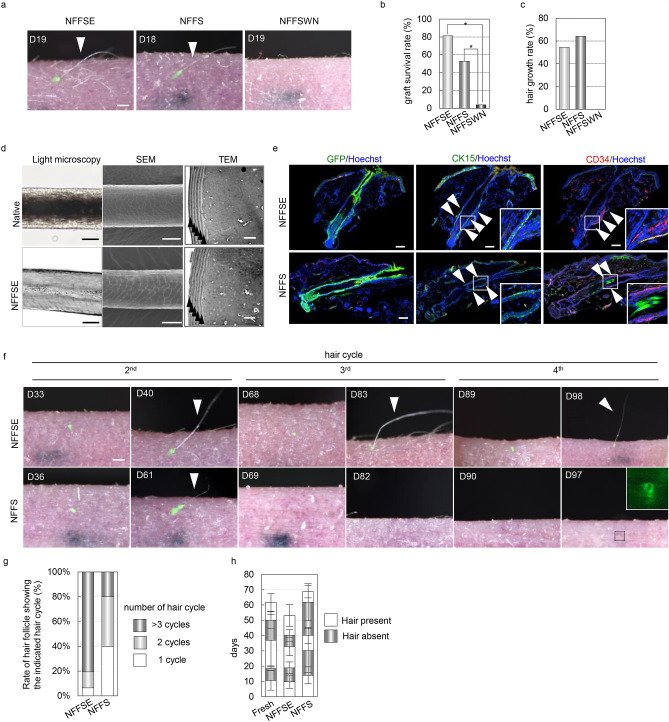
Bioengineered hair follicle primordium and induced pluripotent stem cell neogenesis schematic.Figure 1
Figure 1: Bioengineered hair follicle primordium and induced pluripotent stem cell neogenesis schematic.Source: Open-Access Biomedical Research (CC BY 4.0)

Here is the plain English breakdown of the top five breakthrough treatments currently in human clinical trials that are set to redefine the future of hair restoration.

1. Unlimited Hair Cloning: Growing Living Follicles in a Lab

Every surgical hair restoration procedure performed today is fundamentally zero-sum. Surgeons can only take healthy hair follicles from the dense donor area at the back of your scalp and relocate them to the crown or hairline. When that donor bank is exhausted, options end. Patients with advanced pattern baldness (Norwood 6 or 7) frequently lack the donor hair required to achieve full coverage.

San Diego biotech Stemson Therapeutics is pioneering a solution: de novo hair follicle cloning. Rather than relying on your remaining donor follicles, scientists take a tiny skin biopsy from the patient, reprogram those skin cells back into induced pluripotent stem cells (iPSCs), and differentiate them into dermal papilla and epithelial cells.

These freshly minted cells are seeded into microscopic, biodegradable 3D scaffolds. The scaffold acts like a biological trellis, training the cells to organize into a healthy follicle with the correct growth angle, hair shaft diameter, and sebaceous gland integration. Because the cells are grown from stem cells in a laboratory culture, the supply is effectively infinite. Preclinical animal studies have confirmed mature hair shaft emergence and sustained cycling, and the company is preparing for early-phase human safety trials.

2. Verteporfin: Scarless Healing and Regenerating Extracted Hair

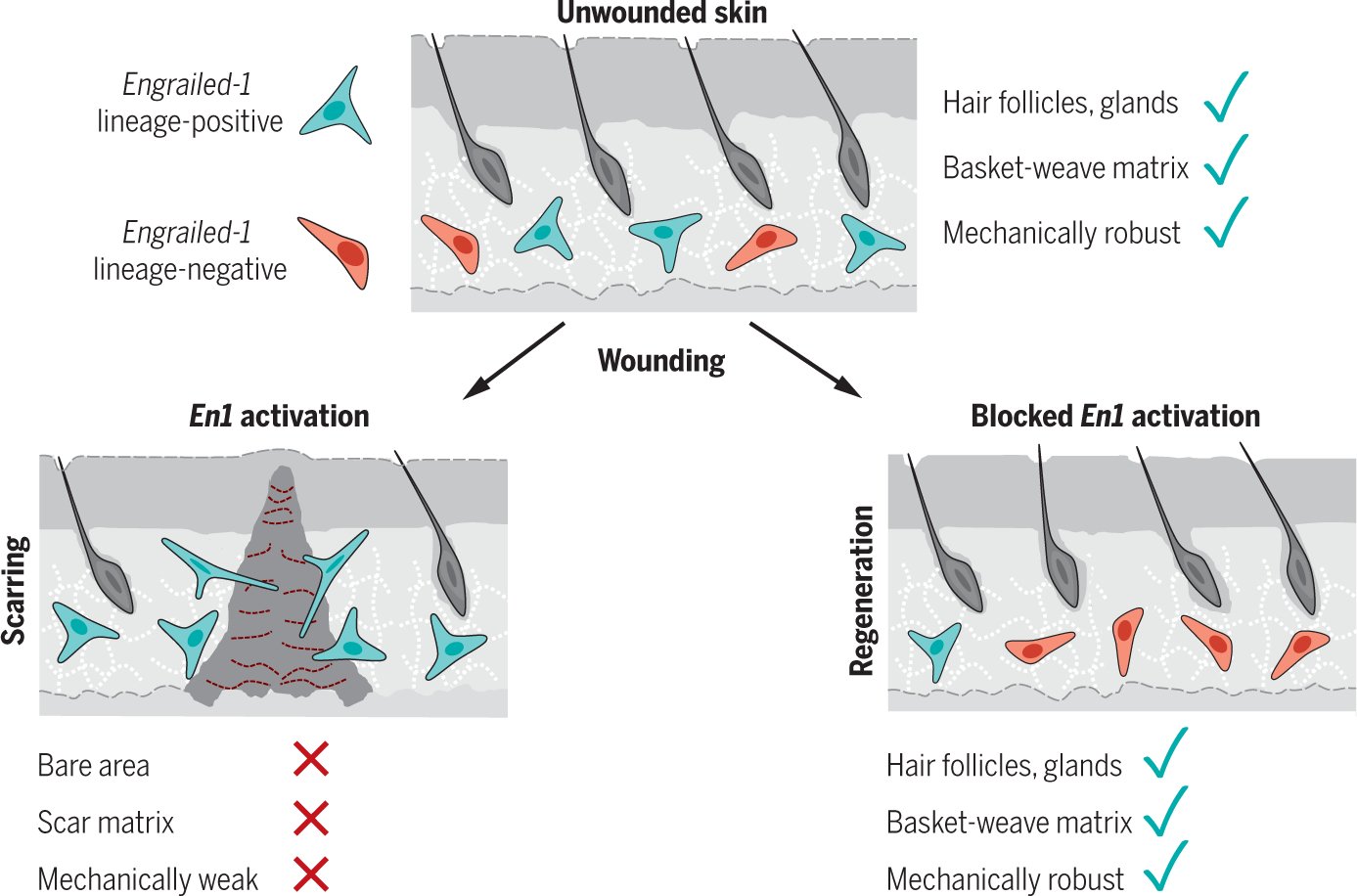
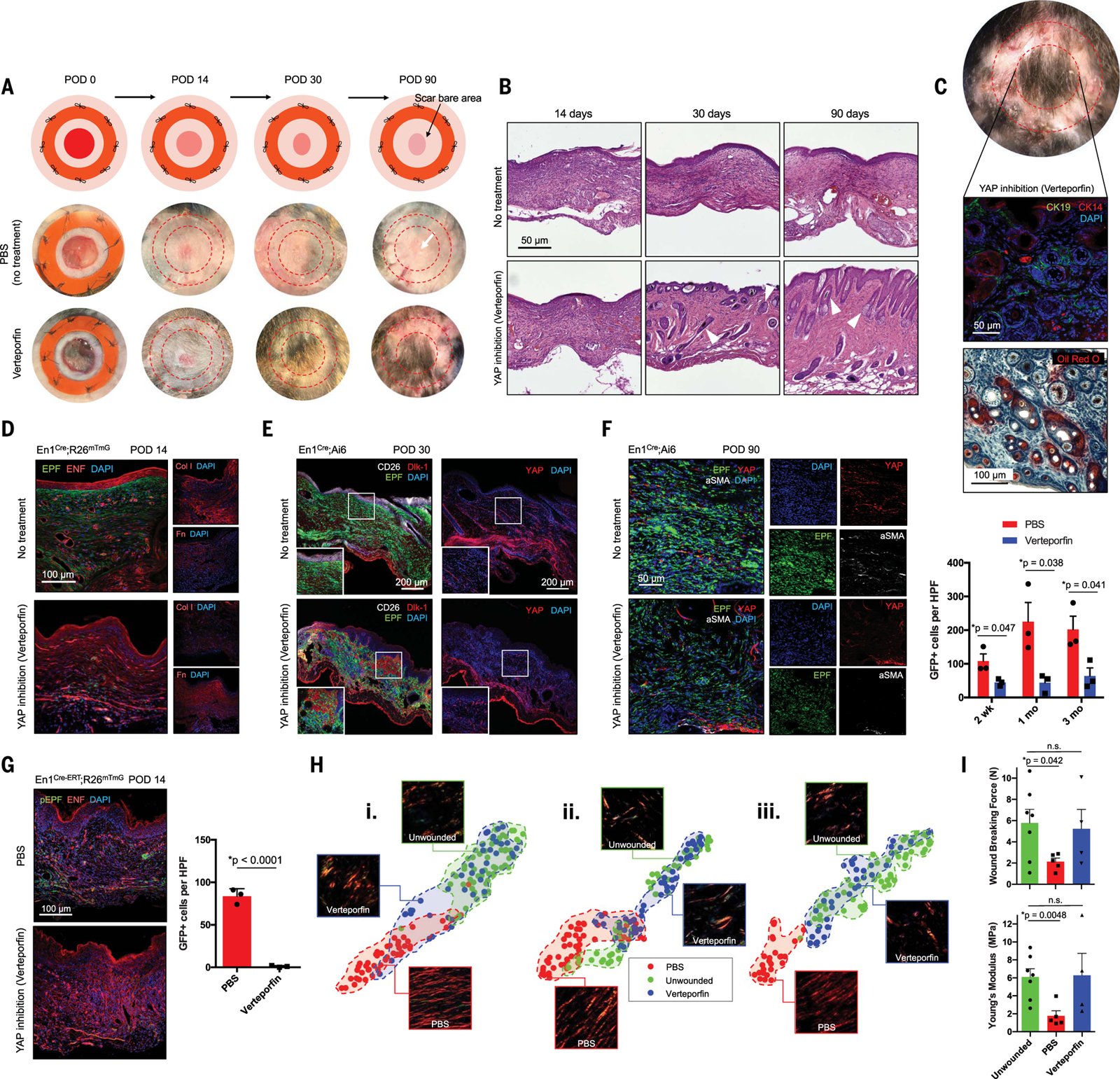
Verteporfin is an existing medication originally approved by the FDA for photodynamic eye therapy in macular degeneration. However, groundbreaking wound-healing research led by Dr. Michael Longaker’s laboratory at Stanford University revealed that verteporfin possesses an extraordinary second property: it completely blocks the YAP/TAZ mechanotransduction pathway.

When human skin is wounded, mechanical tension signals fibroblasts to rapidly deposit thick, disorganized collagen fibers, creating tough scar tissue. When verteporfin is injected into fresh surgical wounds, it inhibits this scarring reflex. Instead of patching the wound with a scar, the tissue regenerates as pristine, normal skin, complete with sweat glands, nerve endings, and functioning hair follicles.

Hair transplant surgeons are now testing verteporfin off-label in human patients during Follicular Unit Extraction (FUE). When punch grafts are extracted from the donor region, surgeons inject verteporfin directly into the extraction holes. Early clinical observations demonstrate that instead of leaving tiny white dot scars, the donor holes heal with regenerated tissue and newly sprouting hair follicles. If verified across larger trials, this means the donor region could regenerate itself, allowing surgeons to harvest hair without depleting the donor supply.

3. GT20029: The Targeted Trash Can for Baldness Receptors

Oral 5-alpha reductase inhibitors like finasteride and dutasteride work by lowering DHT throughout the entire human body. For some patients, lowering systemic DHT can trigger hormonal or sexual side effects. Topical solutions of these drugs exist, but small amounts still absorb into the bloodstream.

Kintor Pharmaceuticals has developed a fundamentally new class of topical medicine known as a PROTAC (Proteolysis Targeting Chimera), designated GT20029. Instead of competing with DHT to block the androgen receptor or lowering blood hormone levels, GT20029 acts like a molecular magnet with two sticky ends. One end binds specifically to the androgen receptor on hair follicle cells, while the other end recruits an E3 ubiquitin ligase enzyme.

This tags the androgen receptor with a cellular disposal label, causing the cell's natural proteasome garbage disposal to completely degrade and destroy the receptor. Because GT20029 has a high molecular weight, it remains localized in the upper dermis and does not cross into systemic circulation. In Phase 2 clinical trials in both men and women with androgenetic alopecia, GT20029 demonstrated clear increases in hair count with zero hormonal side effects in blood tests.

4. Second-Generation JAK Inhibitors: Waking Up Sleeping Follicles

In many forms of alopecia, miniaturized hair follicles are not dead; they are trapped in a prolonged resting state known as an extended telogen or kenogen phase. This dormancy is actively enforced by inflammatory immune messengers, particularly interferon-gamma and interleukin-15, which park around the hair bulb and signal stem cells not to divide.

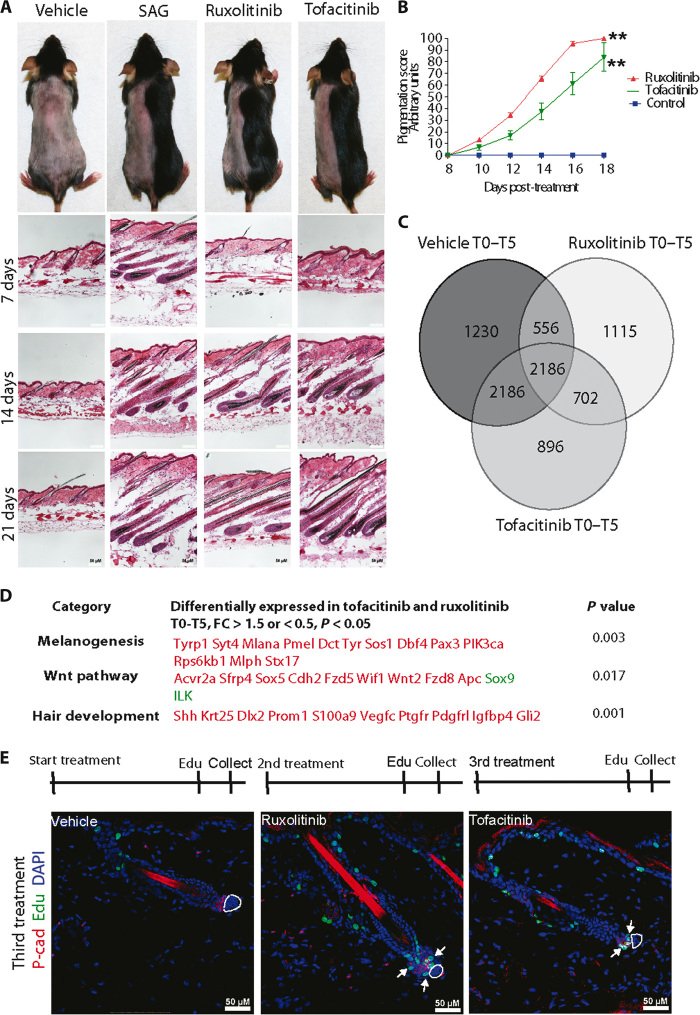
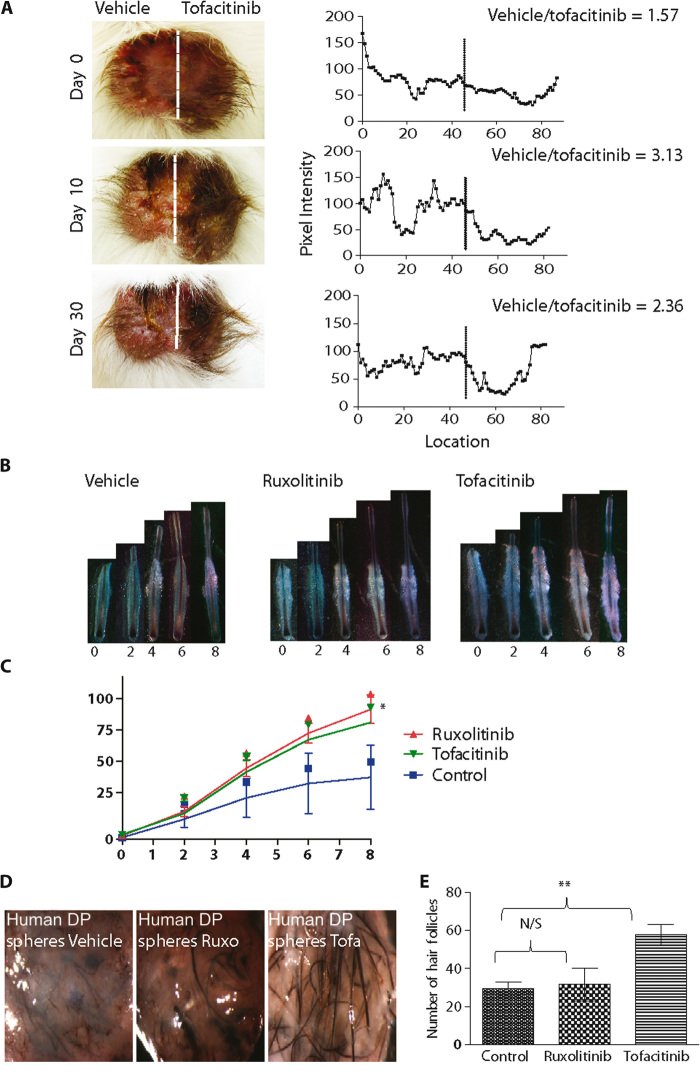
Janus kinase (JAK) inhibitors, including newly FDA-approved drugs like deuruxolitinib and ritlecitinib, act like a molecular mute button for these inflammatory arrest signals. When applied or taken, they shut down cytokine signaling and trigger rapid proliferation in quiescent dermal papilla stem cells, forcing follicles back into the active anagen growing phase.

While oral JAK inhibitors are currently prescribed for severe patchy autoimmune hair loss (Alopecia Areata), researchers and compounding specialists are testing low-dose topical formulations. By applying JAK inhibitors directly to the scalp, patients can unlock quiescent follicles and accelerate anagen re-entry without systemic immunosuppression.

5. Dermal Papilla Stem Cell Exosomes: Cellular Text Messages

Injecting whole living stem cells into the scalp poses steep challenges: cells can lose their hair-inducing potency in lab cultures, die quickly after injection, or provoke immune reactions. Regenerative medicine has largely shifted focus from the cells themselves to exosomes, the microscopic signaling envelopes that stem cells release.

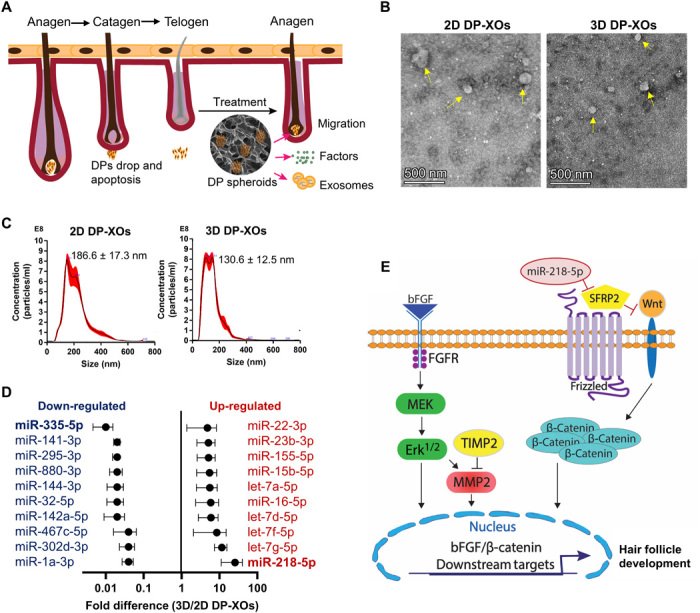
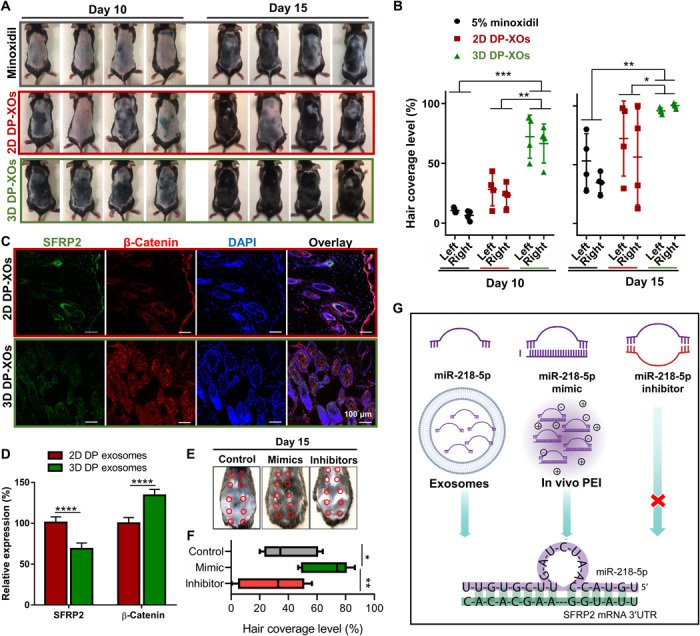
Dermal papilla-derived exosomes are tiny lipid bubbles packed with concentrated microRNAs (such as miR-218-5p) and Wnt pathway ligands. When introduced into miniaturized scalp tissue, these exosomes fuse directly with recipient follicular cells and deliver instructions to upregulate beta-catenin, restore cell division, and trigger new capillary formation.

Because exosomes contain no live cellular nuclei, they carry zero risk of graft rejection, require no complex cryopreservation, and can be applied through comfortable micro-channeling protocols. International multi-center registries and university trials are currently measuring their ability to thicken existing hair shafts and prolong the hair growth cycle.

Looking Ahead

The era of choosing between two imperfect 1990s medications is gradually giving way to biological engineering. While clinical safety and regulatory approvals take time, these five technologies represent a shift from slowing down hair loss to actively rebuilding human hair from the ground up.

Clinical Trial Evidence & Research Figures

7 Figures Available
Histological cross-section of de novo engineered follicular units demonstrating normal sheath architecture.Figure 2

Histological cross-section of de novo engineered follicular units demonstrating normal sheath architecture.

Open-Access Clinical Archives (CC BY 4.0)
YAP-mechanotransduction inhibition mechanism preventing scar fibrosis and enabling follicle regeneration.Figure 3

YAP-mechanotransduction inhibition mechanism preventing scar fibrosis and enabling follicle regeneration.

Open-Access Surgical Research (CC BY 4.0)
High-magnification dermoscopy of FUE donor punch extraction sites treated with verteporfin.Figure 4

High-magnification dermoscopy of FUE donor punch extraction sites treated with verteporfin.

Open-Access Clinical Research (CC BY 4.0)
PROTAC degradation cascade showing targeted proteasomal destruction of androgen receptors.Figure 5

PROTAC degradation cascade showing targeted proteasomal destruction of androgen receptors.

Open-Access Clinical Pharmacology (CC BY 4.0)
JAK-STAT pathway signaling blockade and rapid anagen phase re-entry dynamics in dormant follicles.Figure 6

JAK-STAT pathway signaling blockade and rapid anagen phase re-entry dynamics in dormant follicles.

Open-Access Immunology Archives (CC BY 4.0)
Mesenchymal stem cell exosome vesicle delivery of miR-218 and Wnt ligands into dermal papilla receptors.Figure 7

Mesenchymal stem cell exosome vesicle delivery of miR-218 and Wnt ligands into dermal papilla receptors.

Open-Access Regenerative Medicine (CC BY 4.0)
Sign in to like, save, or comment.

References & Clinical Data

  1. De novo hair follicle neogenesis using induced pluripotent stem cells , Tsuboi R, et al. (Journal of Investigative Dermatology, 2024)
  2. Mechanochemical signaling and scarless wound regeneration via YAP inhibition , Mascharak S, Longaker MT, et al. (Science, 2021)
  3. Targeted protein degradation of the androgen receptor by PROTAC GT20029 , Tong Y, et al. (Bioorganic & Medicinal Chemistry Letters, 2023)
  4. JAK-STAT signaling inhibition stimulates human hair follicle stem cells and anagen entry , Harel S, et al. (Science Advances, 2015)
  5. Dermal papilla cell-derived extracellular vesicles promote hair follicle cycling via beta-catenin , Hu S, et al. (ACS Nano, 2020)

Discussion (0)

No comments yet. Be the first to share your thoughts.

Join the discussion

Free account. Read, like, save, and comment on every article.