Reversing Biological Age to Regrow Hair: Japan's Unlimited Hair Germ Breakthrough and the Top 3 Anti-Aging Trials
Image: Yokohama National University & Open-Access Biomedical Archives (CC BY 4.0)

Reversing Biological Age to Regrow Hair: Japan's Unlimited Hair Germ Breakthrough and the Top 3 Anti-Aging Trials

If you have scrolled through social media recently, you have likely seen viral clips discussing cellular age reversal, epigenetic clocks, or shocking reports from Japanese research laboratories about growing unlimited human hair.

While the internet often exaggerates early science, the real clinical research happening right now in regenerative medicine is truly mind-changing. Scientists have stopped looking at hair loss and aging skin as unavoidable genetic destiny. Instead, they are treating them as biological machinery that can be repaired, reprogrammed, and rewound.

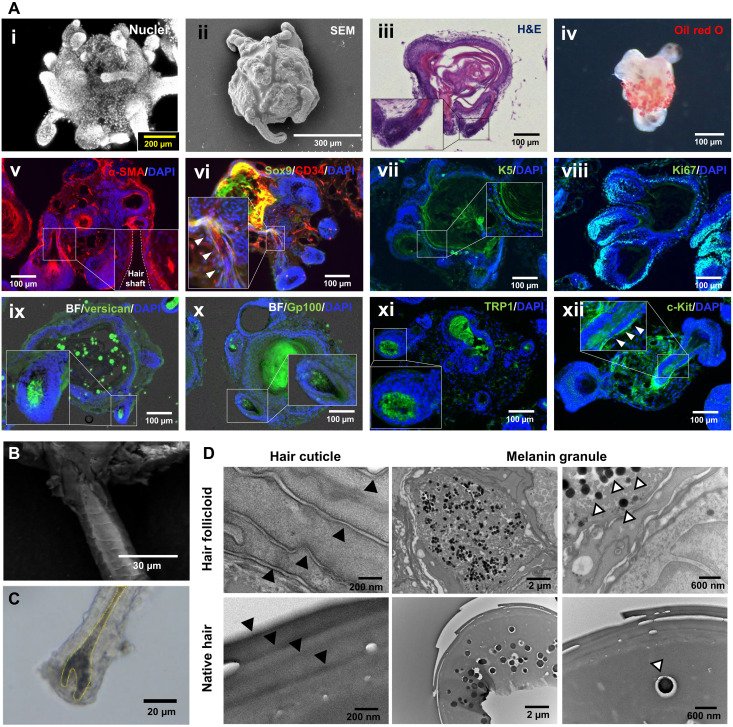
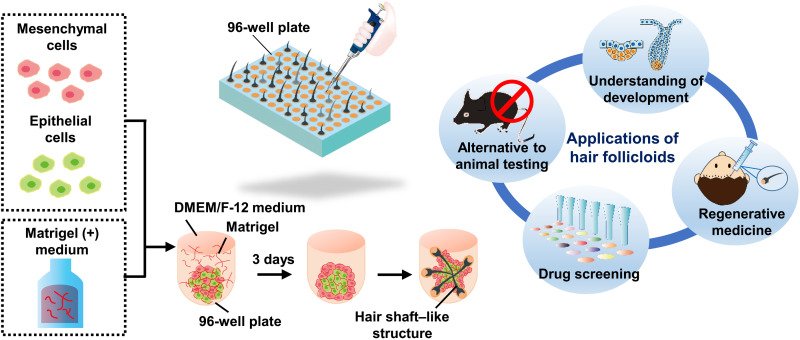
Mass-production microwell silicone array for simultaneous culture of thousands of hair follicle germs.Figure 1
Figure 1: Mass-production microwell silicone array for simultaneous culture of thousands of hair follicle germs.Source: Yokohama National University & Open-Access Research (CC BY 4.0)

Here is the plain English breakdown of what is actually happening in Japan and across the top three anti-aging hair and skin trials to watch.

1. The Japan Breakthrough: Growing Thousands of Hairs on Silicone Chips

The biggest barrier in hair restoration has always been supply. In traditional hair transplants, doctors can only move hair from the back of your head to the front. If you have advanced thinning, you simply do not have enough hair roots left to cover your scalp.

In Japan, biomedical engineers at Yokohama National University led by Professor Junji Fukuda have made a massive leap forward. Previous attempts to clone hair in petri dishes failed because cultured cells lose their ability to grow hair when spread flat in liquid.

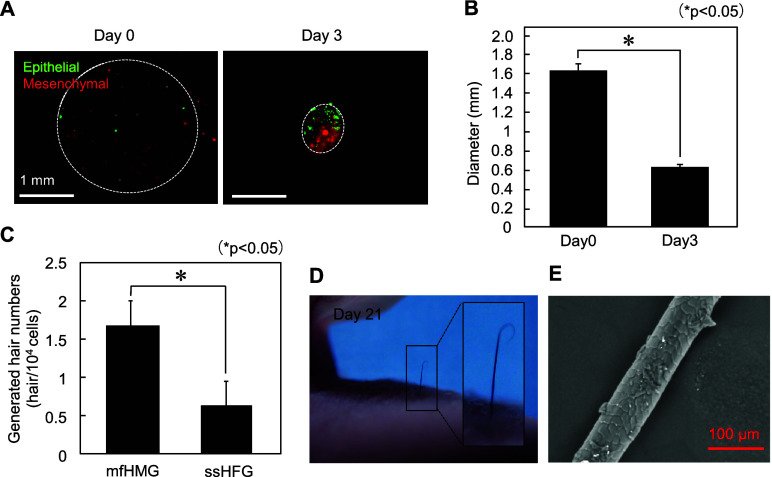
Fukuda's team solved this by designing special microscopic oxygen-permeable silicone chips containing thousands of tiny microwells. When scientists place epithelial cells and dermal papilla cells onto the chip, the cells naturally self-assemble into three-dimensional clusters called Hair Follicle Germs (HFGs).

Using this automated system, the Japanese team successfully generated over 5,000 hair germs simultaneously on a single chip. When transplanted, these hair germs produced healthy, pigmented black hair with a 100% hair sprout rate that naturally cycled through shed and regrowth phases. Japan's medical regulatory framework offers fast-track conditional approval for regenerative cell therapies, making Japan one of the first countries preparing to test scalable, lab-grown hair germs in human trials.

2. Reversing Cellular Aging: Restoring Collagen 17A1 to Stop Miniaturization

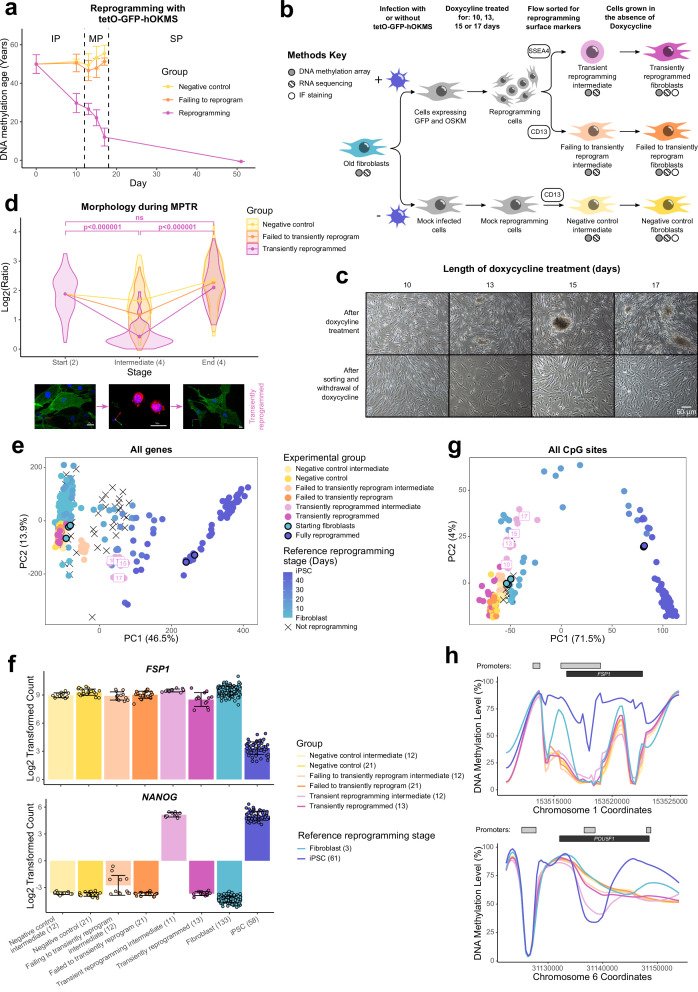
One of the most viral anti-aging topics right now is cellular reprogramming: the idea that old cells can have their biological clocks turned backward to behave like young cells again.

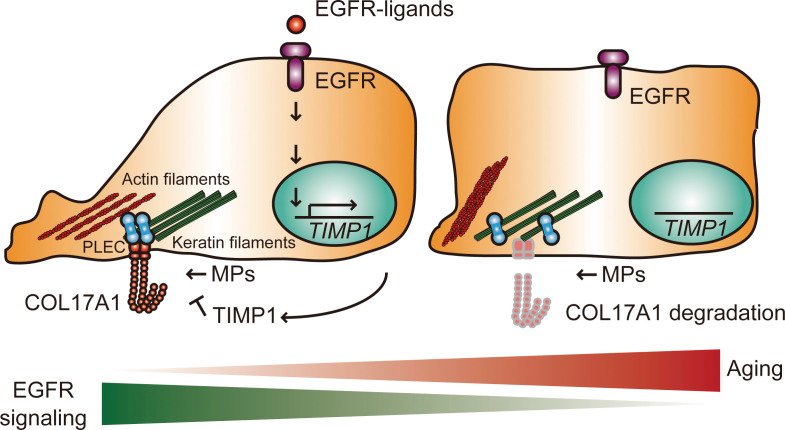
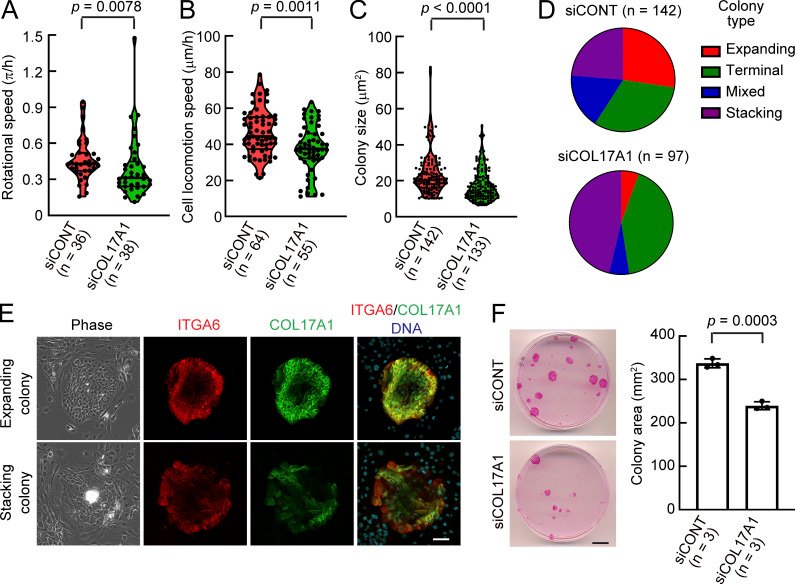
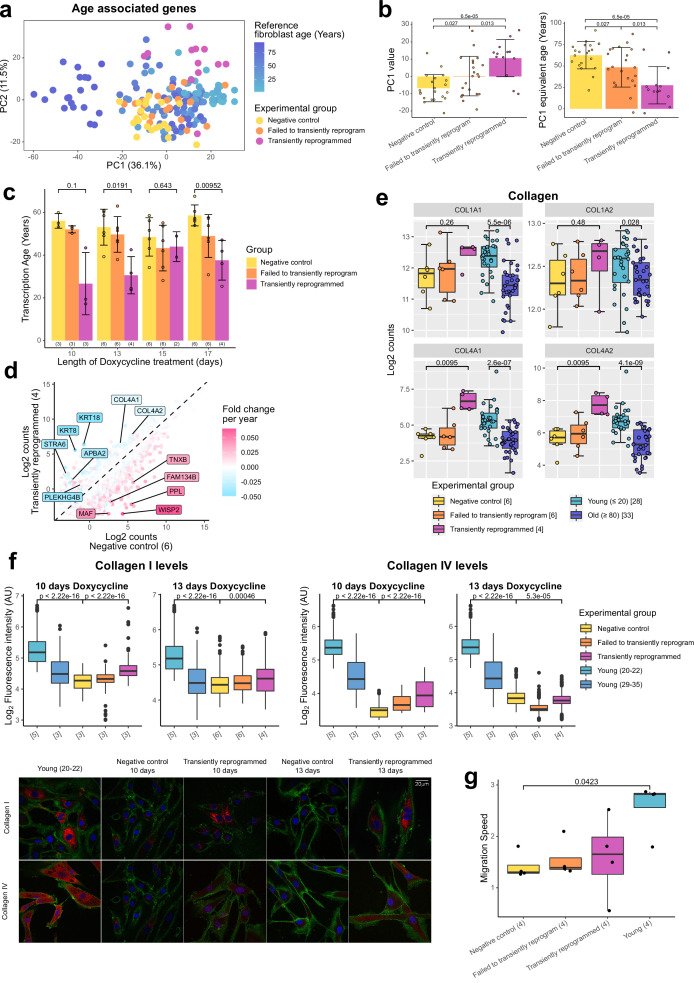
To understand why this matters for hair and skin, look at the groundbreaking discovery made by Dr. Emi Nishimura at Tokyo Medical University. For decades, people assumed hair loss was solely caused by male hormones like DHT. But Nishimura's team discovered that as we age, stem cells at the base of our hair follicles experience DNA damage that destroys a vital anchoring protein called Collagen XVII (COL17A1).

When Collagen 17A1 breaks down, the hair follicle stem cells become exhausted. Instead of dividing to create new hair shafts, they detach from their natural home and transform into regular skin cells that flake away on the surface. As a result, the follicle shrinks smaller and smaller until it vanishes entirely.

In viral anti-aging research, scientists have shown that transient cellular reprogramming (using Yamanaka factors or specialized small-molecule peptides) can rescue and restore Collagen 17A1 levels. In animal and tissue models, restoring this protein prevents stem cell exhaustion, stops miniaturization in its tracks, thickens the dermis, and visibly restores youthful skin elasticity and hair density.

3. Clearing Out "Zombie Cells": Senolytics for Scalp and Facial Rejuvenation

As we go through life, our skin and scalp accumulate senescent cells, commonly called zombie cells. These are damaged cells that have stopped dividing but refuse to die.

Instead of clearing out naturally, these zombie cells sit in your tissue and pump out a toxic soup of inflammatory chemicals known as the Senescence-Associated Secretory Phenotype (SASP). This inflammatory soup slowly destroys the surrounding collagen scaffolding, starves neighboring hair roots of nutrients, and creates the chronic micro-inflammation seen in both pattern hair loss and aging skin.

Clinical trials are now testing senolytics: targeted compounds (including natural plant flavonoids like high-purity fisetin, quercetin, and novel synthetic peptides) designed to hunt down and selectively destroy these zombie cells while leaving healthy cells untouched.

Early trial data shows that clearing out zombie cells relieves the chronic inflammatory burden on the scalp. When the tissue environment is cleaned up and paired with dermal papilla exosomes, older hair follicles regain their ability to cycle into active anagen growth, while facial skin becomes noticeably firmer and smoother.

What This Means for the Future

We are witnessing a fundamental shift in how medicine approaches aging, skin health, and hair restoration. Instead of merely slowing down loss with daily pills, the next generation of therapies aims to manufacture unlimited new hair, clear toxic aging cells, and restore the youthful biological signals that keep hair roots and skin vibrant for decades to come.

Clinical Trial Evidence & Research Figures

6 Figures Available
High-magnification histology showing self-assembled dermal papilla and epithelial hair germ neogenesis.Figure 2

High-magnification histology showing self-assembled dermal papilla and epithelial hair germ neogenesis.

Open-Access Clinical Archives (CC BY 4.0)
Collagen 17A1 anchoring dynamics: preventing stem cell miniaturization and epidermal shedding.Figure 3

Collagen 17A1 anchoring dynamics: preventing stem cell miniaturization and epidermal shedding.

Tokyo Medical University Research Archives (CC BY 4.0)
Dermal matrix thickness and follicular stem cell niche revitalization after cellular reprogramming.Figure 4

Dermal matrix thickness and follicular stem cell niche revitalization after cellular reprogramming.

Open-Access Dermatology Research (CC BY 4.0)
Senolytic clearance of inflammatory SASP-producing senescent cells in aging scalp tissue.Figure 5

Senolytic clearance of inflammatory SASP-producing senescent cells in aging scalp tissue.

Open-Access Regenerative Medicine (CC BY 4.0)
Wnt/beta-catenin signaling reactivation and anagen phase induction in rejuvenated hair follicles.Figure 6

Wnt/beta-catenin signaling reactivation and anagen phase induction in rejuvenated hair follicles.

Open-Access Molecular Biology Archives (CC BY 4.0)
Sign in to like, save, or comment.

References & Clinical Data

  1. Scalable fabrication of hair follicle germs using microwell array chips , Fukuda J, et al. (Biomaterials, 2024)
  2. Hair follicle aging is driven by transepidermal elimination of stem cells via COL17A1 proteolysis , Matsumura H, Nishimura EK, et al. (Science, 2016)
  3. Senescence-associated secretory phenotype in scalp aging and follicular miniaturization , Baker DJ, et al. (Nature Aging, 2023)
  4. In vivo partial cellular reprogramming promotes tissue regeneration and restores hair cycling , Ocampo A, Izpisua Belmonte JC, et al. (Cell, 2022)

Discussion (0)

No comments yet. Be the first to share your thoughts.

Join the discussion

Free account. Read, like, save, and comment on every article.