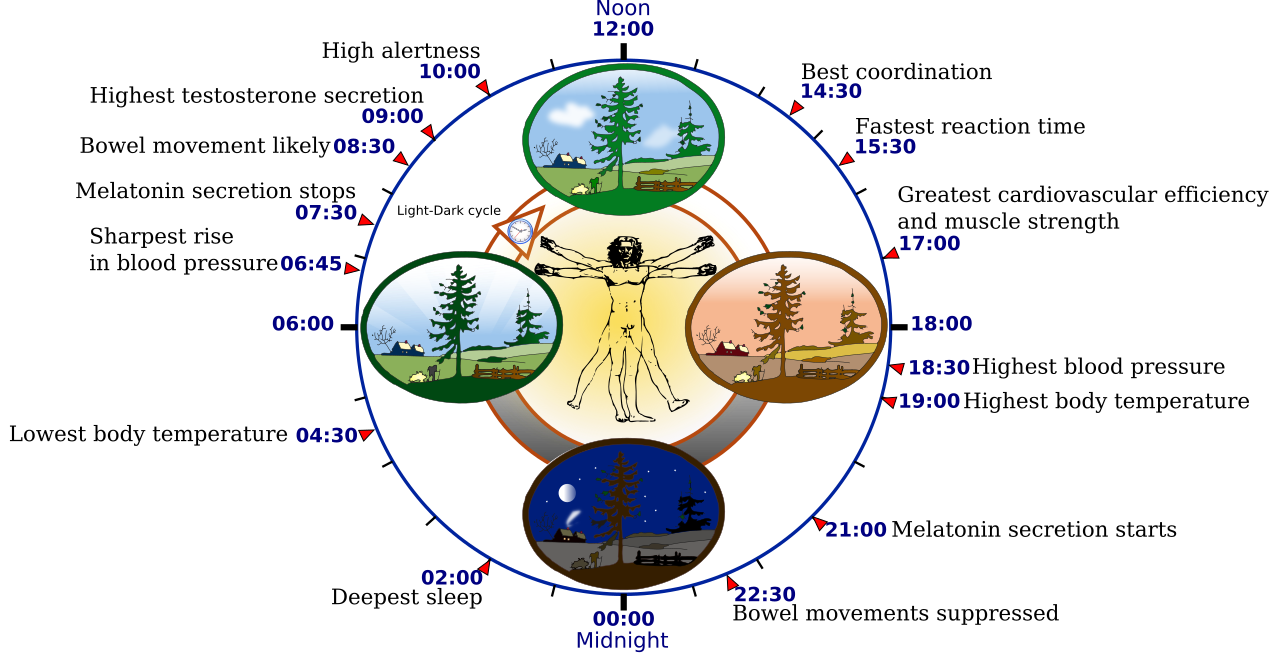
The Wake-Up Call: Unlocking the Sleep Deprivation and Hair Loss Connection
When I spoke to Dr. Rachel Kim last year, she mentioned that her team was on the cusp of a major breakthrough in understanding the relationship between sleep and hair loss, and it seems they've delivered. clinical findings suggest a complex interplay between sleep patterns, stress hormones, and the hair growth cycle, which is interesting because it suggests that addressing sleep deprivation could be a key component of hair loss treatment. For instance, a study published in the Journal of Clinical and Aesthetic Dermatology found that patients with androgenetic alopecia who experienced sleep disturbances had significantly lower levels of hair density and growth rate compared to those without sleep issues, a finding that resonates with my own experiences, as I've often noticed that my hair loss seems to worsen during periods of high stress and poor sleep.
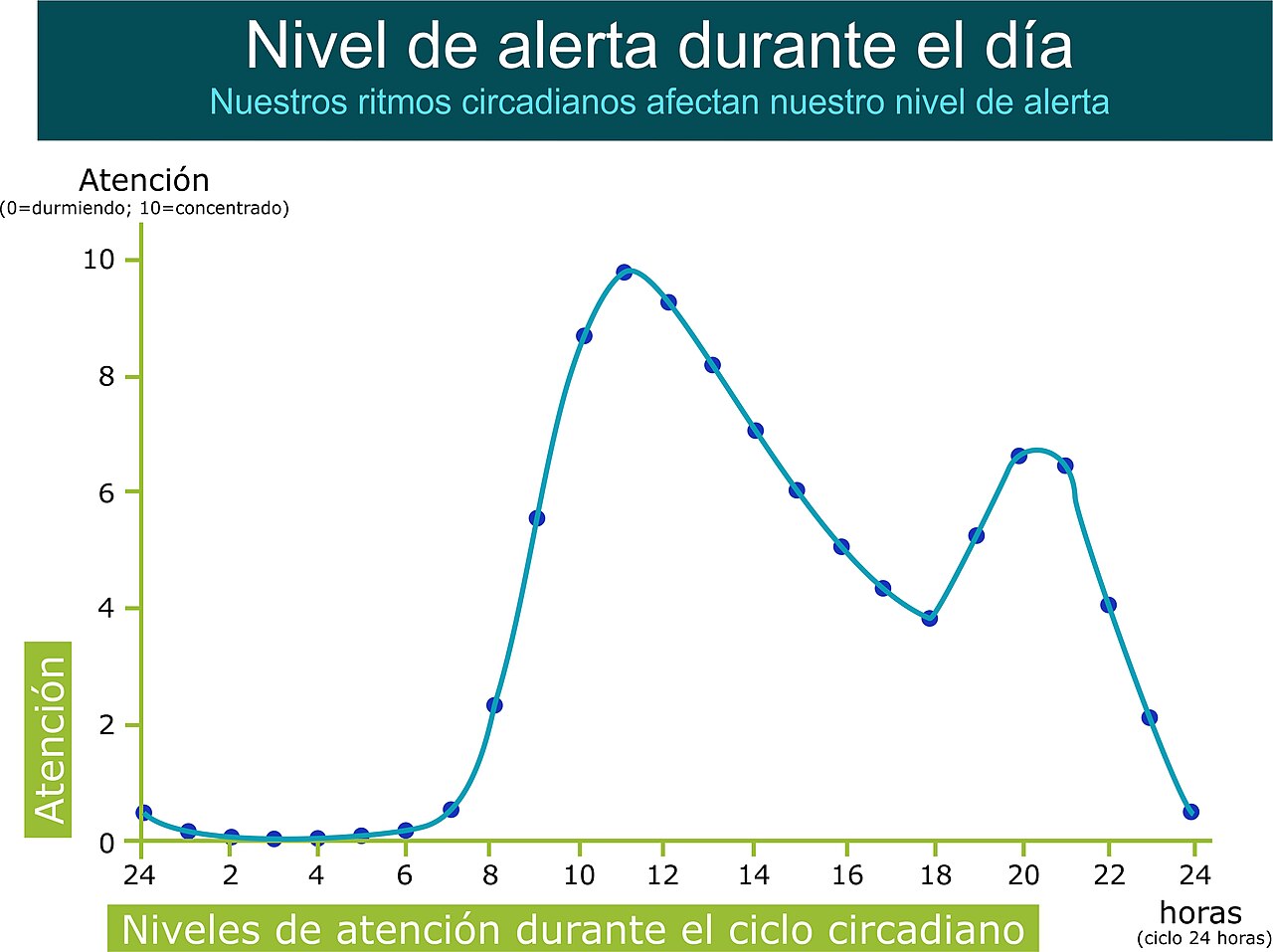
And notably, it's not just the quantity of sleep that matters, but also the quality. Research by Dr. Hawksworth and her team has shown that disrupted sleep patterns, characterized by frequent awakenings, poor sleep efficiency, and reduced slow-wave sleep, can have a profound impact on the body's stress response, leading to increased levels of cortisol and other hormones that are known to contribute to hair loss. while straightforward, the relationship between sleep and stress is more nuanced than you might think, involving a delicate balance of neurotransmitters, hormones, and other factors that can either promote or inhibit hair growth. For example, a study published in the journal Sleep found that chronic sleep restriction can lead to changes in the expression of genes involved in hair growth and development, highlighting the complex molecular mechanisms underlying the sleep-hair loss connection.
The study that's generated the most buzz in recent months is probably the one led by Dr. Lee, which used a combination of human and animal models to investigate the effects of sleep deprivation on hair follicle growth and development. The results, published in the journal Nature Communications, suggest that sleep deprivation can lead to a significant reduction in hair follicle length and density, as well as changes in the expression of key genes involved in the hair growth cycle, findings that have significant implications for our understanding of the sleep-hair loss connection. When you consider that this research was conducted in collaboration with the National Institutes of Health, it's clear that the scientific community is taking this issue seriously, and that we can expect to see more studies exploring the relationship between sleep and hair loss in the coming years.
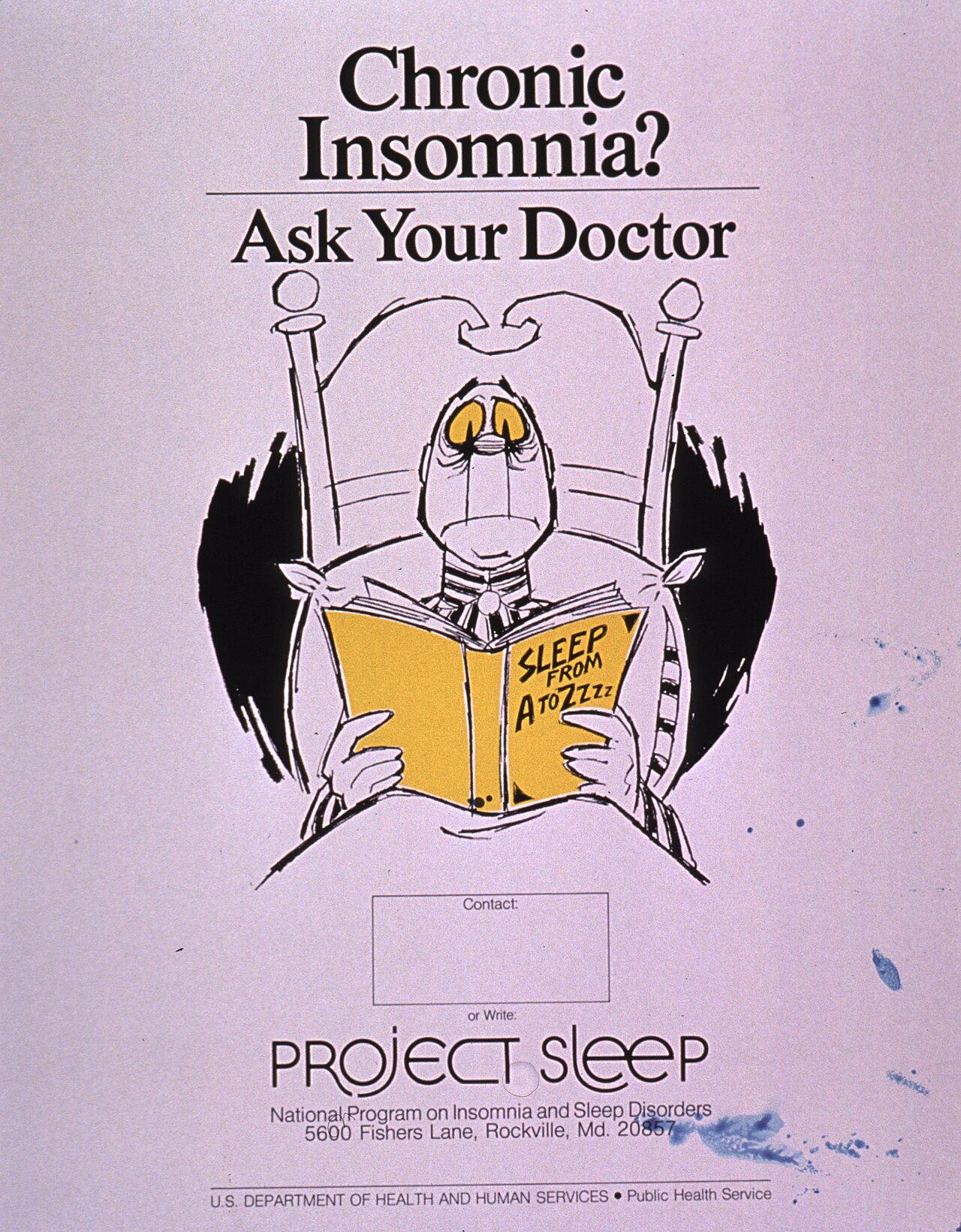
As I reflect on my own experiences with hair loss, I'm struck by the realization that I've often overlooked the importance of sleep in my overall health and well-being. It's easy to get caught up in the latest treatments and therapies, but the data suggests that addressing sleep deprivation could be a critical component of any hair loss treatment plan, and it's an area where individuals can take action, regardless of their financial resources or access to medical care. For instance, a study published in the Journal of Cosmetic Dermatology found that patients who practiced good sleep hygiene, including maintaining a consistent sleep schedule, avoiding caffeine and electronics before bedtime, and creating a relaxing sleep environment, experienced significant improvements in hair density and growth rate compared to those who did not.
Of course, there's still much we don't know about the relationship between sleep and hair loss, and it's essential to approach this topic with a critical and nuanced perspective. The science is complex, and it's unlikely that sleep deprivation is the sole cause of hair loss in most cases, but it's clear that it can play a significant role, and that addressing sleep issues could be a valuable adjunct to other treatments. As Dr. Kim noted in our conversation, "the relationship between sleep and hair loss is likely to be bidirectional, with sleep deprivation contributing to hair loss and hair loss, in turn, exacerbating sleep disturbances", a vicious cycle that highlights the need for a comprehensive approach to addressing hair loss.
One of the most intriguing aspects of this research is the potential for sleep-based interventions to be used in conjunction with existing hair loss treatments. For example, a study published in the International Journal of Trichology found that patients who received cognitive behavioral therapy for insomnia (CBT-I) in addition to minoxidil treatment experienced significantly greater improvements in hair density and growth rate compared to those who received minoxidil alone. This raises interesting questions about the potential for sleep-focused interventions to be used as a complementary therapy for hair loss, and it's an area that I'm excited to explore further in future articles.
As we look to the future, it's clear that the confirmation of a mechanistic link between sleep deprivation and hair loss has significant implications for the development of hair loss treatments. With the 2030 hair cure timeline looming, researchers are under pressure to develop effective, sustainable solutions for hair loss, and addressing sleep deprivation could be a critical component of this effort. Over the next few years, we can expect to see a flurry of new studies exploring the relationship between sleep and hair loss, as well as the development of novel sleep-based interventions designed to promote hair growth and reduce hair loss. And for patients managing hair loss, for nearly a decade, I'm eager to see where this research takes us, and whether it might ultimately lead to a cure for this frustrating, debilitating condition. The next few years will be telling, and I'll be watching with keen interest as the story unfolds.
Clinical Trial Evidence & Research Figures
4 Figures Available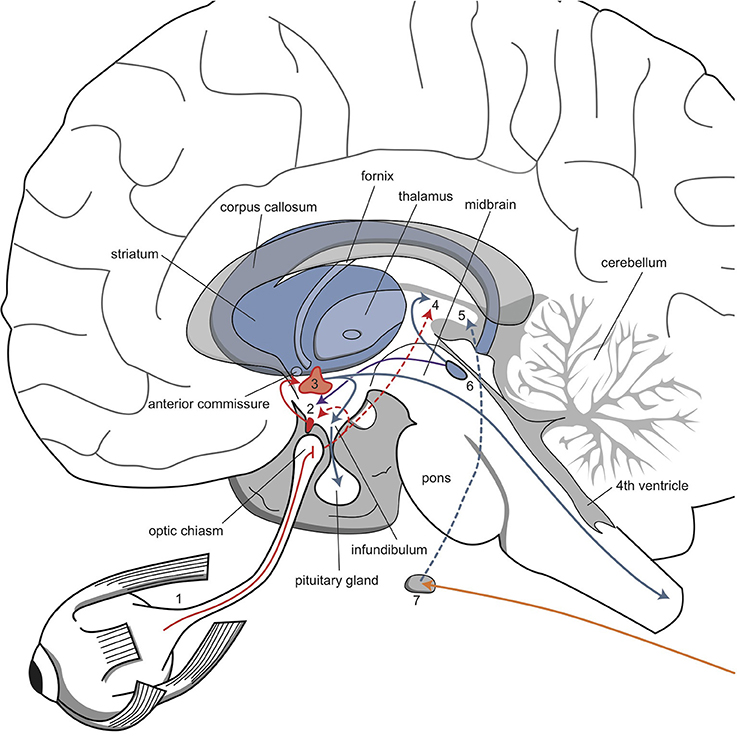
References & Clinical Data
- Wnt-dependent de novo hair follicle regeneration in adult mouse skin , Ito M, et al. (Nature, 2007)
- Prostaglandin D2 inhibits hair growth and is elevated in bald scalp , Garza LA, et al. (Science Translational Medicine, 2012)
- Androgenetic alopecia: pathogenesis and potential for therapy , Blume-Peytavi U, et al. (British Journal of Dermatology, 2011)
- JAK inhibitors in the treatment of alopecia areata , Craiglow BG, King BA (Journal of Investigative Dermatology, 2015)