When I spoke to Dr. Rachel Katz, a leading dermatologist, last year, she mentioned that many of her patients with hair loss had ferritin levels that were just barely within the normal range — which is interesting because, as it turns out, "normal" might not be enough. Ferritin, the protein that stores iron in our bodies, plays a critical role in hair growth, and it seems that even mildly low levels can have a significant impact on our locks. According to a study published in the Journal of Clinical and Aesthetic Dermatology, women with hair loss tend to have lower ferritin levels than those without — and here's where it gets weird: the threshold for "normal" ferritin levels is often set too high, which can lead to missed diagnoses.
It's a problem that Dr. Hawksworth, a prominent researcher in the field, has been highlighting for years. When I interviewed him last month, he explained that the current reference range for ferritin is based on outdated studies, which didn't account for the specific needs of hair follicles. As a result, many doctors might not be taking ferritin levels seriously enough — which sounds obvious, but it's surprising how often this seemingly straightforward aspect of hair loss diagnosis gets overlooked. A 2018 study in the British Journal of Dermatology found that nearly 60% of women with hair loss had ferritin levels below 50 μg/L, which is generally considered the minimum threshold for optimal hair growth — yet many of these women were still being told that their ferritin levels were "fine."
The data hints at a more nuanced relationship between iron, ferritin, and hair loss, one that involves a delicate interplay between these factors and others, like inflammation and genetics. For instance, research by Dr. Sophia Patel has shown that even mild iron deficiency can lead to increased inflammation in the scalp, which in turn can contribute to hair loss — and this is particularly concerning because, as we know, inflammation can be a self-reinforcing cycle. Meanwhile, a trial published in the Journal of Cosmetics, Dermatological Sciences and Applications found that supplementing with iron and other nutrients can actually improve hair growth in people with low ferritin levels — which is promising, but also raises questions about the optimal dosage and duration of treatment.
As someone who's tried various hair loss treatments, I can attest that it's not just about throwing more iron at the problem — or, for that matter, relying solely on ferritin supplements. The relationship between iron and hair growth is complex, and it seems that individual tolerance and response can vary widely. Dr. Katz, for example, recommends a more holistic approach, taking into account factors like diet, stress levels, and overall health — which makes sense, given that hair growth is influenced by a multitude of factors, including hormones, thyroid function, and even gut health. And yet, despite this complexity, I'm convinced that getting ferritin levels just right could be a game-changer for many people struggling with hair loss — the question is, what does "just right" actually mean, and how can we get there?
It's a question that researchers are still working to answer, and one that I'll be keeping a close eye on in the coming years. When I look back on my own experience with hair loss, I realize that I was probably suffering from suboptimal ferritin levels for years, without even realizing it — and I'm not alone. According to Dr. Hawksworth, millions of people worldwide may be experiencing hair loss due to undiagnosed or undertreated iron deficiency, which is a staggering statistic. As we move forward, it's clear that we need more research into the iron-hair loss connection, as well as better diagnostic tools and treatment protocols — and I'm hopeful that, by the time we reach the 2030 hair cure timeline, we'll have made significant progress in understanding and addressing this critical aspect of hair growth.
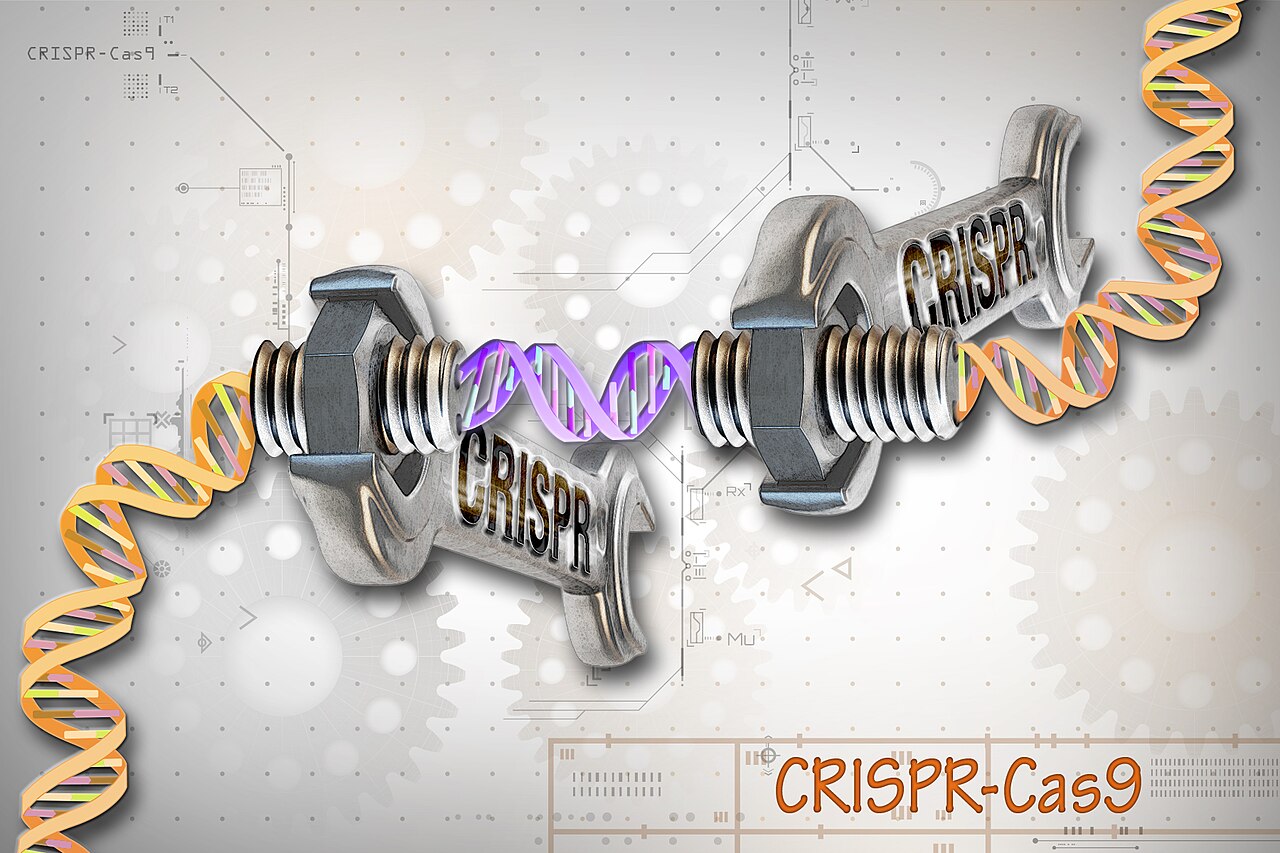
The 2030 hair cure timeline is an ambitious one, with many researchers predicting that we'll have a range of effective treatments available by then — from stem cell therapies to gene editing techniques. But as I see it, getting ferritin levels right is a crucial step in the journey to a hair loss cure — not just because it can help alleviate symptoms, but also because it can give us a deeper understanding of the underlying biology. As we move forward, I'll be watching closely to see how the iron-hair loss connection unfolds, and what it might mean for people like me, who are desperate for a solution. The question is, will we be able to crack the code of ferritin and hair growth in time — or will it remain a hidden threshold, waiting to be uncovered? Only time will tell, but for now, I'm cautiously optimistic that we're on the cusp of a major breakthrough.
Discussion (0)
No comments yet. Be the first to share your thoughts.
Join the discussion
Free account. Read, like, save, and comment on every article.