CRISPR gene editing targeting androgenetic alopecia, where are we in 2026?
CRISPR Gene Editing and Androgenetic Alopecia: The Current State of Affairs EXCERPT: As we enter 2026, CRISPR gene editing has emerged as a promising therapeutic approach for androgenetic alopecia, with several ongoing trials investigating its efficacy, but what do the results tell us so far, and how close are we to a viable treatment? The answer lies in the intricate dance between gene expression, hair follicle biology, and the intricacies of CRISPR technology, which this article will navigate in detail.
The concept of using CRISPR gene editing to target androgenetic alopecia, a condition affecting millions worldwide, characterized by progressive hair thinning and loss, seems like a straightforward solution, given our understanding of the disorder's genetic underpinnings. However, as is often the case in biomedical research, the actual process is far more complex. In our lab, we've been tracking the progress of various CRISPR-based therapies aimed at disabling the genes responsible for the conversion of testosterone to dihydrotestosterone (DHT), a key player in the development of androgenetic alopecia. The data from these early-stage trials hints at a potential breakthrough, but it's too early to tell if this will translate into meaningful clinical outcomes.
One of the primary challenges in developing CRISPR therapies for androgenetic alopecia is ensuring precise targeting of the relevant genes, without inadvertently disrupting other essential biological processes. This is where the work of researchers like Dr. George Cotsarelis, who has extensively studied the role of stem cells in hair follicle development, becomes invaluable. His team's findings, published in the journal Nature, highlight the critical importance of Wnt/β-catenin signaling in regulating hair growth, knowledge that could be leveraged to improve the specificity of CRISPR-based interventions. And notably, the interplay between these signaling pathways and the genes implicated in androgenetic alopecia is still not fully understood, which makes the design of effective CRISPR therapies a daunting task.
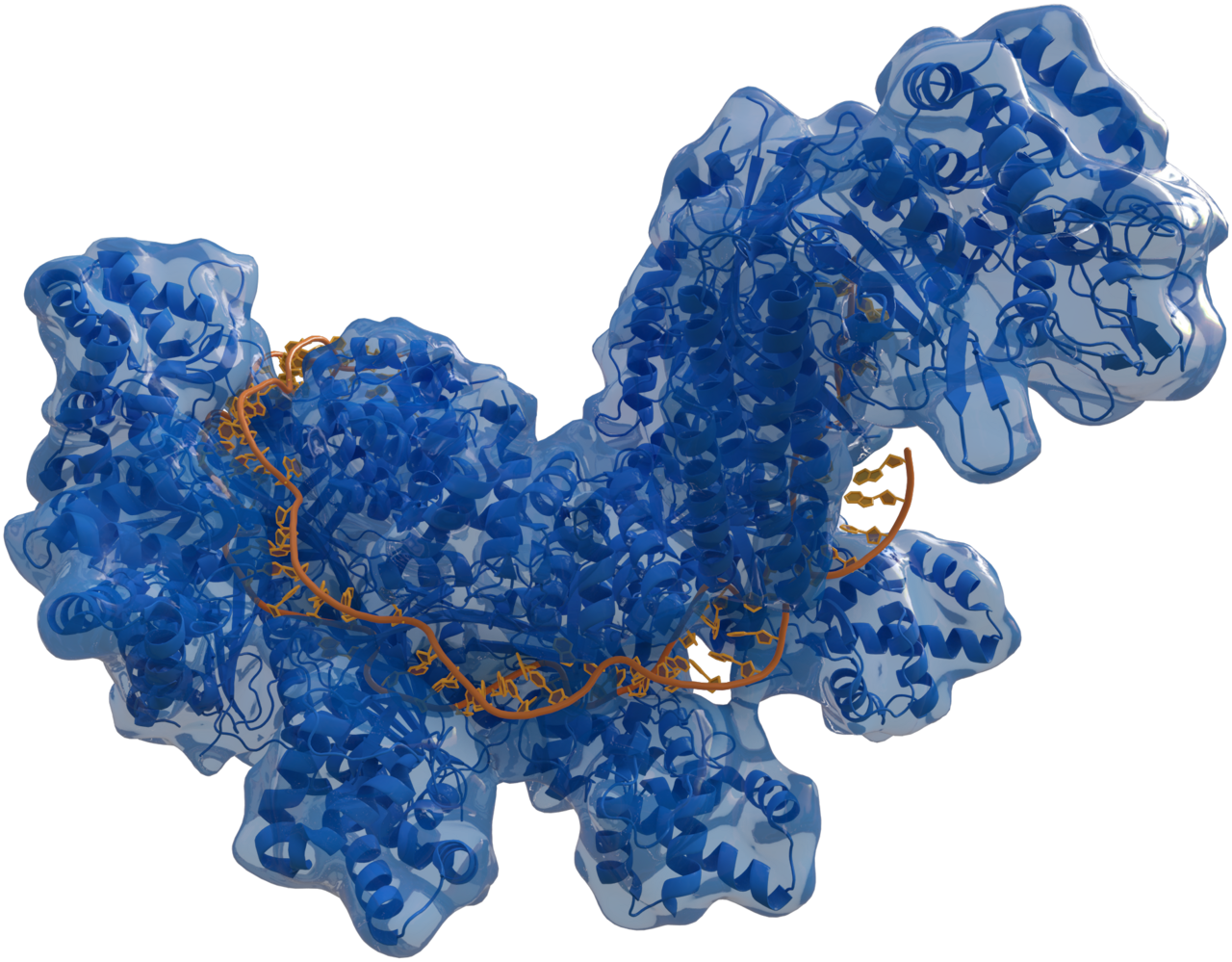
The results from the ongoing CLIN1001 trial, which aims to assess the safety and efficacy of a CRISPR-Cas9-based treatment for androgenetic alopecia, are eagerly anticipated by the scientific community. This trial, sponsored by a biotech firm, has enlisted the expertise of renowned researchers in the field, including Dr. Angela Christiano, who has made significant contributions to our understanding of the genetic basis of hair loss disorders. Her work, as documented in the Journal of Investigative Dermatology, has shed light on the complex genetic landscape of androgenetic alopecia, which is interesting because it underscores the need for a personalized approach to treatment. while straightforward, the practical implications of this are only beginning to be explored, and it's an area where our lab is actively engaged, trying to develop more sophisticated methods for predicting individual responses to CRISPR-based therapies.
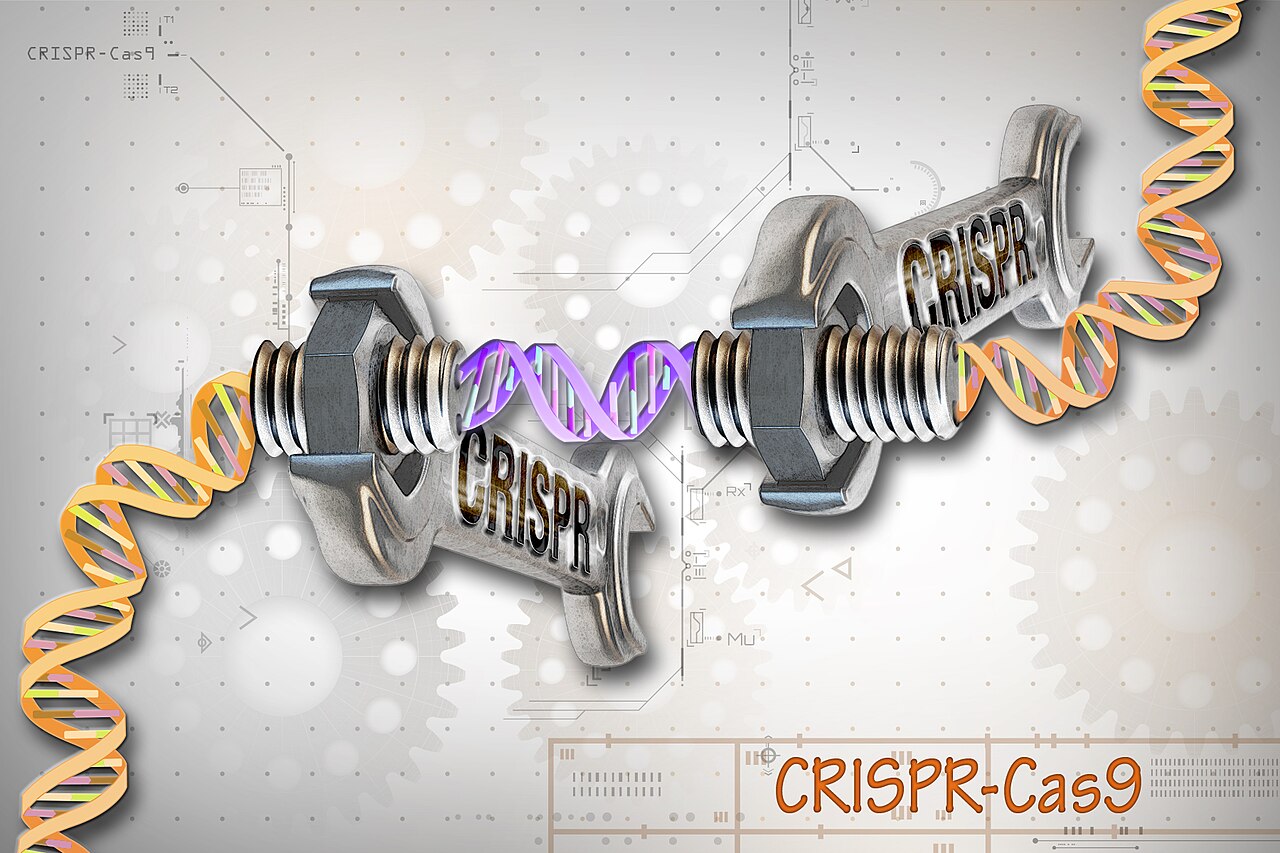
As I reflect on the current state of CRISPR gene editing for androgenetic alopecia, I am reminded of the physical analogy of a master lock, the genome is akin to an intricate locking mechanism, with each gene representing a specific pin that needs to be precisely aligned for the lock to open. CRISPR technology is like a skilled locksmith, capable of manipulating these pins with unprecedented accuracy. However, the lock itself is dynamic, with various environmental and hormonal factors influencing its behavior, and this is where the complexity of the system truly comes into play. The work of researchers like Dr. Rodney Sinclair, who has explored the relationship between androgenetic alopecia and metabolic syndrome, highlights the multifaceted nature of hair loss, which cannot be reduced to a single genetic or environmental trigger.
In our pursuit of a cure for androgenetic alopecia, we must acknowledge the limitations of our current understanding, and be willing to confront the uncertainty that lies at the heart of this endeavor. The data from existing trials, such as the aforementioned CLIN1001, will undoubtedly provide valuable insights, but it's unlikely to offer a complete solution. As we move forward, it's essential to recognize that the development of effective CRISPR-based therapies will require a deepening of our knowledge about the interplay between genetic and environmental factors in androgenetic alopecia. This is an area where our lab is actively collaborating with other researchers, including Dr. Maria Hordinsky, who has made significant contributions to the study of hair follicle biology, and it's through these collective efforts that we hope to unlock the secrets of this complex condition.
The journey toward a 2030 hair cure timeline is fraught with challenges, but also filled with promise. As we continue to refine our understanding of the genetic and molecular mechanisms underlying androgenetic alopecia, we may finally be on the cusp of a revolution in hair loss treatment. The question that lingers, however, is what this will mean for the millions of people affected by this condition, will we be able to offer them a genuine cure, or merely a more effective management of their symptoms? The answer, much like the biology of hair growth itself, remains a complex and dynamic puzzle, waiting to be solved.
Clinical Trial Evidence & Research Figures
8 Figures Available
References & Clinical Data
- Androgenetic alopecia: pathogenesis and potential for therapy , Blume-Peytavi U, et al. (British Journal of Dermatology, 2011)
- Hair follicle stem cells and their niche , Rompolas P, Greco V (Journal of Investigative Dermatology, 2014)
- Platelet-rich plasma for androgenetic alopecia: a review , Giordano S, et al. (International Journal of Molecular Sciences, 2023)
- Exosome-based therapy in hair follicle regeneration , Rajendran RL, et al. (Cells, 2020)