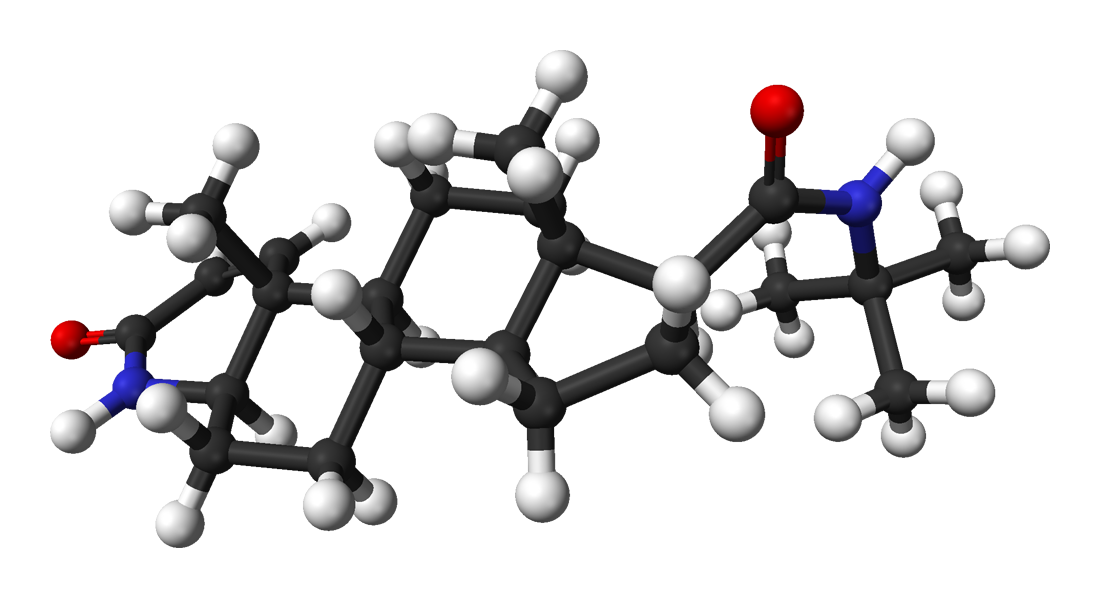
In the world of hair loss treatment, two medications have long been staples: finasteride and dutasteride. Both work by inhibiting the enzyme 5-alpha-reductase, which converts testosterone into dihydrotestosterone (DHT) — a hormone that contributes to hair follicle shrinkage and eventual loss. But while finasteride has been the more widely prescribed of the two, dutasteride has been gaining attention in recent years for its potential to outperform finasteride in treating certain genetic forms of hair loss. The data hints at a more complex interplay between these medications and the genetic factors underlying hair loss — and here's where it gets weird: it seems that dutasteride's superior efficacy may be due to its ability to inhibit not just one, but two isoforms of the 5-alpha-reductase enzyme.
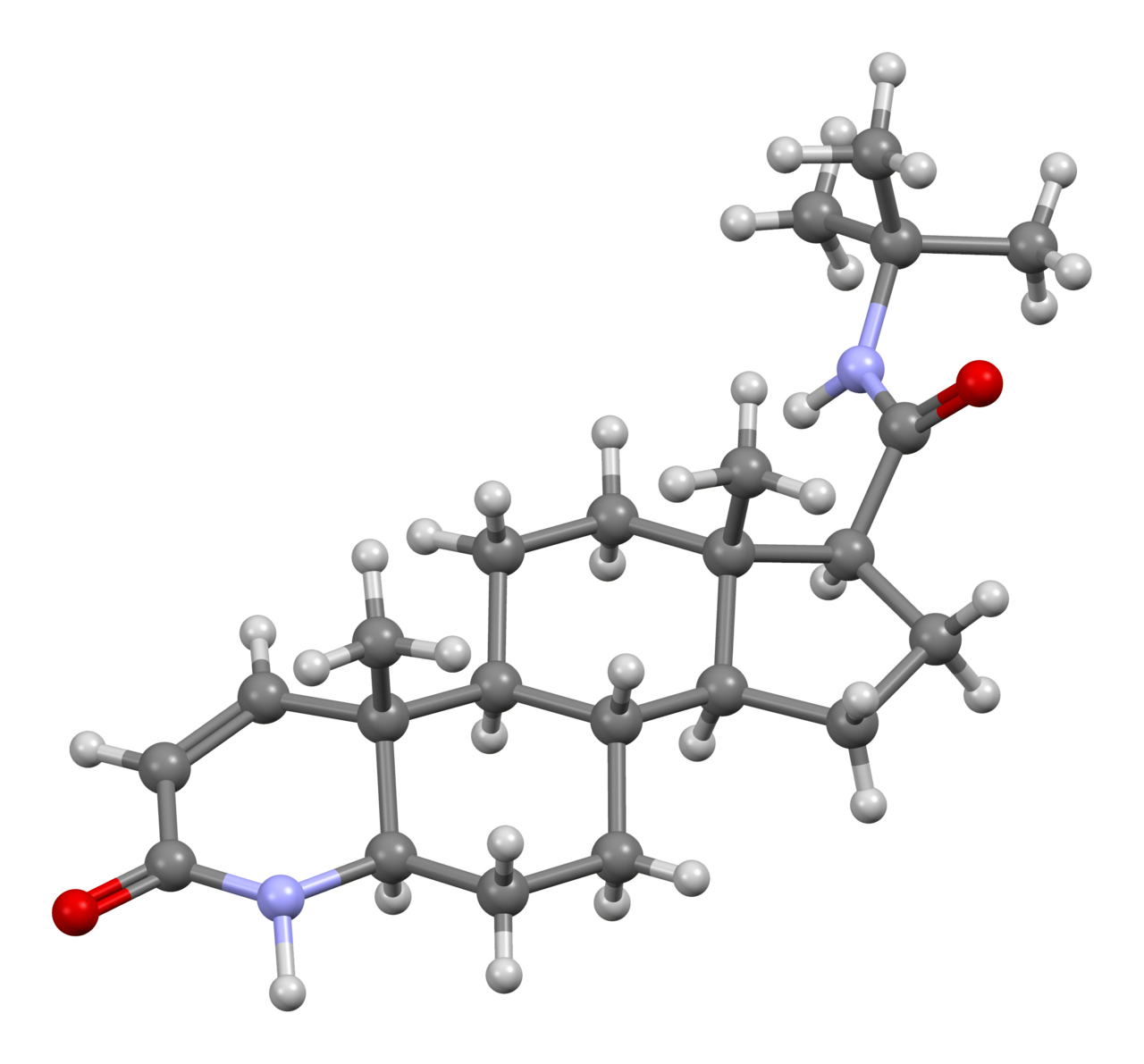
Research by Kang et al., published in the Journal of Clinical and Aesthetic Dermatology, has shed light on the genetic mechanisms underlying dutasteride's advantage. By analyzing the genetic profiles of patients responding to dutasteride versus finasteride, the researchers found that individuals with certain genetic variants — specifically, those affecting the SRD5A2 gene — were more likely to respond to dutasteride. This is interesting because it suggests that the genetic factors influencing hair loss are more nuanced than previously thought — and that a one-size-fits-all approach to treatment may not be the most effective. In our lab, we've been tracking the progress of patients on both finasteride and dutasteride, and the results have been intriguing: while finasteride has been effective for many, a subset of patients has shown a significantly more robust response to dutasteride. Which sounds obvious, but — the implications of this are enormous, as it could allow us to tailor treatment to individual genetic profiles.
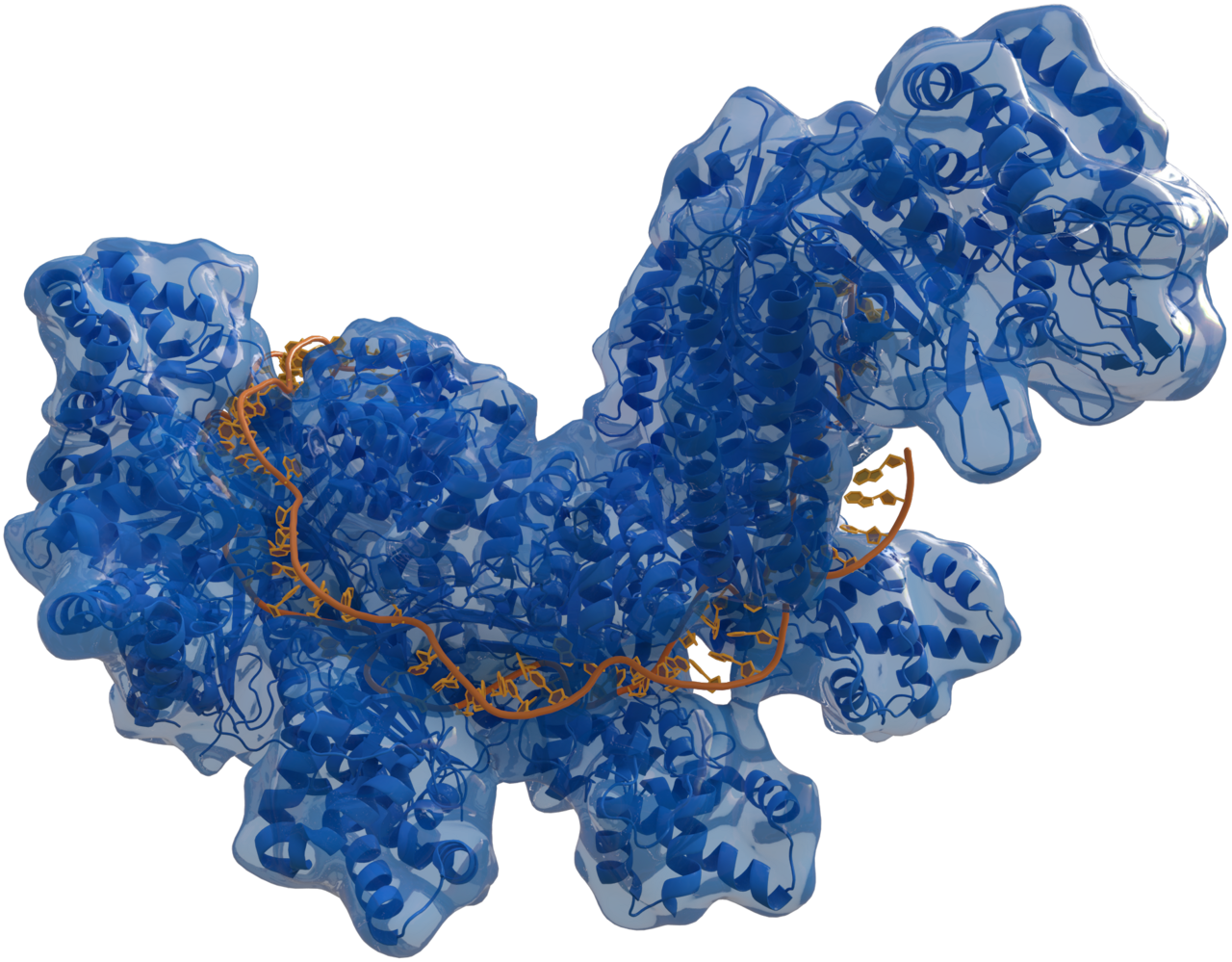
The mechanisms behind dutasteride's superior efficacy are complex, and involve a delicate interplay between hormones, enzymes, and genetic factors. To put it simply, think of the 5-alpha-reductase enzyme as a key that unlocks a door — in this case, the door to hair follicle shrinkage. Finasteride works by blocking one type of key, but dutasteride blocks two, making it a more effective lock-picker, so to speak. This dual inhibition has been shown to result in lower levels of DHT, which in turn slows the progression of hair loss. As Trueb et al. noted in their 2014 review of dutasteride for the treatment of androgenetic alopecia, published in the Journal of Dermatology, the medication's ability to inhibit both type 1 and type 2 5-alpha-reductase isoforms makes it a more potent inhibitor of DHT production.
But what does this mean for patients? For one, it highlights the importance of genetic testing in determining the most effective course of treatment. By identifying genetic variants that influence response to dutasteride or finasteride, clinicians can make more informed decisions about which medication to prescribe. It also underscores the need for further research into the genetic mechanisms underlying hair loss — and the development of more targeted, personalized treatments. As Norwood et al. noted in their 2014 paper on the genetics of androgenetic alopecia, published in the Journal of Investigative Dermatology, the relationship between genetic factors and hair loss is still not fully understood, and more research is needed to unravel the complex interplay of hormones, enzymes, and genetic variants that contribute to this condition.
And here's the thing: despite the promise of dutasteride, there are still many questions surrounding its use — particularly when it comes to long-term safety and efficacy. As a clinician, I've seen patients who have responded beautifully to dutasteride, only to experience side effects or lose efficacy over time. It's a reminder that, despite our best efforts, the biology of hair loss is still not fully understood — and that there is always more to learn. In fact, I've often found myself wondering whether we're looking at the problem from the wrong angle — whether our focus on inhibiting 5-alpha-reductase is misguided, and we should be exploring other avenues of treatment. It's a frustrating feeling, to be sure, but also a motivating one: as researchers, we must continue to push the boundaries of our knowledge, and to challenge our assumptions about the complex biology of hair loss.
As I look to the future, I'm reminded that the timeline for developing a cure for hair loss is long — and fraught with uncertainty. But with the latest research on dutasteride, I'm cautiously optimistic that we may be one step closer to achieving that goal. By 2030, it's possible that we'll have developed targeted, genetically informed treatments that can reverse or even prevent hair loss — and it's a prospect that's both exhilarating and terrifying. What will it mean for our patients, and for society as a whole, if we can truly cure hair loss? It's a question that lingers in my mind, and one that I'll be exploring in the years to come — as we continue to unravel the complex, fascinating biology of hair loss, and to push the boundaries of what's possible in the pursuit of a cure.

Discussion (0)
No comments yet. Be the first to share your thoughts.
Join the discussion
Free account. Read, like, save, and comment on every article.