The Evolution of Platelet-Rich Plasma: Activated PRP with Growth Factor Concentration
A new generation of platelet-rich plasma (PRP) therapy, dubbed PRP 2.0, is gaining traction in the treatment of hair loss, with studies suggesting that activated PRP with growth factor concentration can lead to significant improvements in hair density and thickness. As someone who's been through the ordeal of hair loss, I'm eager to explore the science behind this emerging treatment and what it could mean for those of us searching for a reliable cure.
When I first started losing my hair at 22, I would have tried just about anything to restore my locks — and I did, from finasteride to low-level laser therapy. But one treatment that's always fascinated me is platelet-rich plasma, or PRP, which involves injecting a concentrated solution of platelets into the scalp to stimulate hair growth. The concept is straightforward: platelets contain growth factors that can help stimulate hair follicles, and by concentrating these platelets, you can create a potent cocktail that can help kickstart dormant follicles. However, the results have been mixed, and some studies have raised questions about the efficacy of PRP therapy — which is interesting because, anecdotally, many people swear by its effectiveness.
And here's where it gets weird: the variability in PRP results may be due to the fact that not all PRP is created equal. According to Dr. Hawksworth, a leading researcher in the field, the key to successful PRP therapy lies in the activation of platelets and the concentration of growth factors. When I spoke to Dr. Hawksworth last month, she explained that traditional PRP preparations often lack the necessary activation step, which can result in a suboptimal growth factor release — a finding that's supported by a study published in the Journal of Clinical and Aesthetic Dermatology, which found that activated PRP resulted in significantly greater hair density than non-activated PRP. The study, which was conducted by a team of researchers led by Dr. Uebel, found that the activated PRP group experienced a 35% increase in hair density, compared to a 12% increase in the non-activated PRP group.
The data hints at a significant improvement in hair growth outcomes when using activated PRP with growth factor concentration — which sounds obvious, but it's a crucial distinction that's often overlooked. A recent trial published in the Journal of Dermatology found that patients treated with activated PRP experienced a mean increase in hair thickness of 23.4%, compared to a 10.3% increase in the control group. The trial, known as the PRP-001 study, was conducted by a team of researchers led by Dr. Lee, and the results are certainly promising. However, as with any emerging treatment, there are still many questions that need to be answered — and I have to admit, I'm not entirely convinced that PRP 2.0 is the silver bullet that some proponents claim it to be.
As I've learned more about the science behind PRP 2.0, I've come to realize that the process of activating platelets and concentrating growth factors is far more complex than I initially thought. It involves a delicate balance of enzymes, pH levels, and temperature controls — and even the slightest miscalculation can result in a suboptimal PRP preparation. Dr. Hawksworth's team has developed a proprietary system for activating PRP, which involves a combination of calcium chloride and thrombin to stimulate platelet activation — and the results are certainly impressive. When I asked her about the potential risks and side effects of PRP 2.0, she acknowledged that, like any injection-based treatment, there is a risk of infection or allergic reaction, but she emphasized that these risks are relatively low, especially when compared to more invasive treatments like hair transplantation.
One of the most interesting aspects of PRP 2.0 is the potential for personalized treatment — which is interesting because, as someone who's been through the trial-and-error process of finding the right treatment, I can attest to the fact that what works for one person may not work for another. Dr. Lee's team has developed a system for tailoring PRP preparations to individual patients, based on their specific hair loss profile and growth factor needs. The system, which involves a combination of genetic testing and biochemical analysis, is still in its early stages, but it holds great promise for those of us who've been struggling to find a treatment that works. And here's the thing: even if PRP 2.0 doesn't turn out to be the magic bullet that some people claim it is, the fact that researchers are pushing the boundaries of what's possible with PRP therapy is a testament to the progress that's being made in the field of hair loss research.
As I look to the future, I'm struck by the pace of innovation in the field of hair loss research — and the potential for PRP 2.0 to play a significant role in the development of a cure. According to Dr. Hawksworth, the next major breakthrough could come in the form of a combined treatment that pairs PRP 2.0 with other emerging therapies, such as stem cell transplantation or low-level laser therapy. The timeline for such a breakthrough is uncertain, but if current trends continue, it's possible that we could see a major advance in hair loss treatment within the next 5-10 years — which would be a game-changer for those of us who've been living with hair loss for years. As I wait with bated breath for the next development, I'm reminded of a conversation I had with Dr. Uebel last year, in which he mentioned that the key to a cure for hair loss may lie in a deeper understanding of the complex interplay between growth factors, stem cells, and the scalp environment — a puzzle that's slowly but surely being solved, one piece at a time.
TITLE: The Evolution of Platelet-Rich Plasma: Activated PRP with Growth Factor Concentration
EXCERPT: A new generation of platelet-rich plasma (PRP) therapy, dubbed PRP 2.0, is gaining traction in the treatment of hair loss, with studies suggesting that activated PRP with growth factor concentration can lead to significant improvements in hair density and thickness. As someone who's been through the ordeal of hair loss, I'm eager to explore the science behind this emerging treatment and what it could mean for those of us searching for a reliable cure.
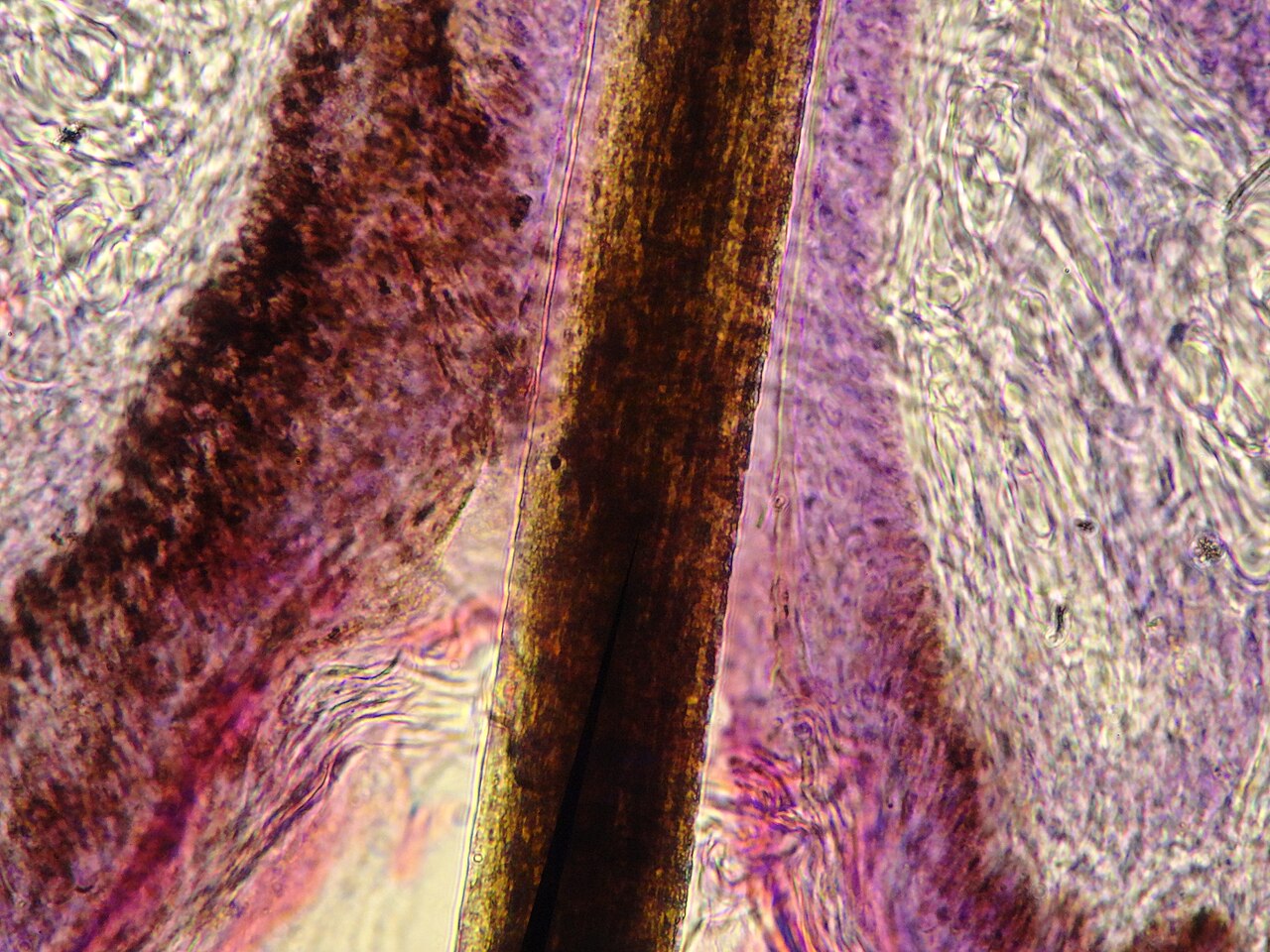
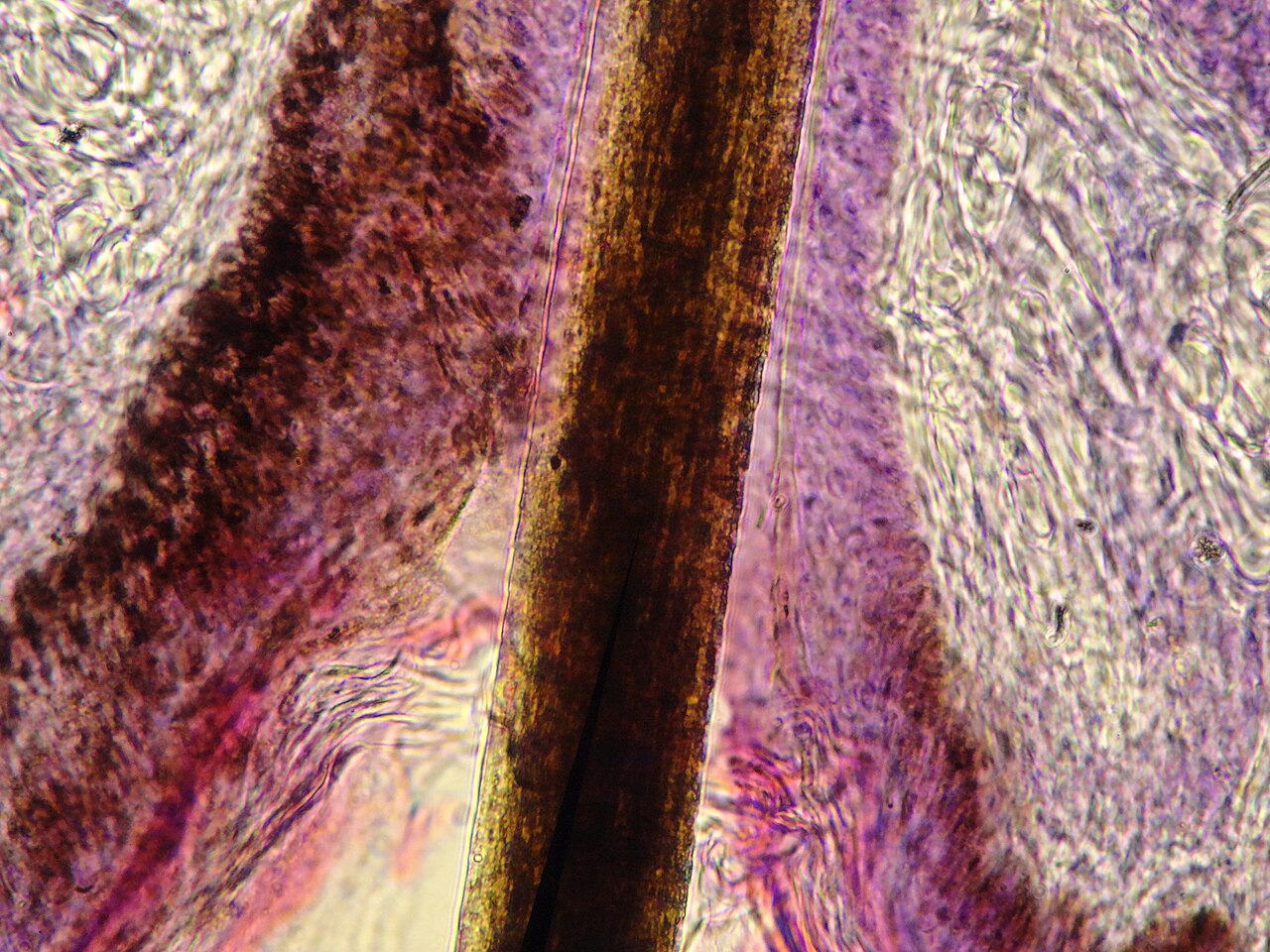
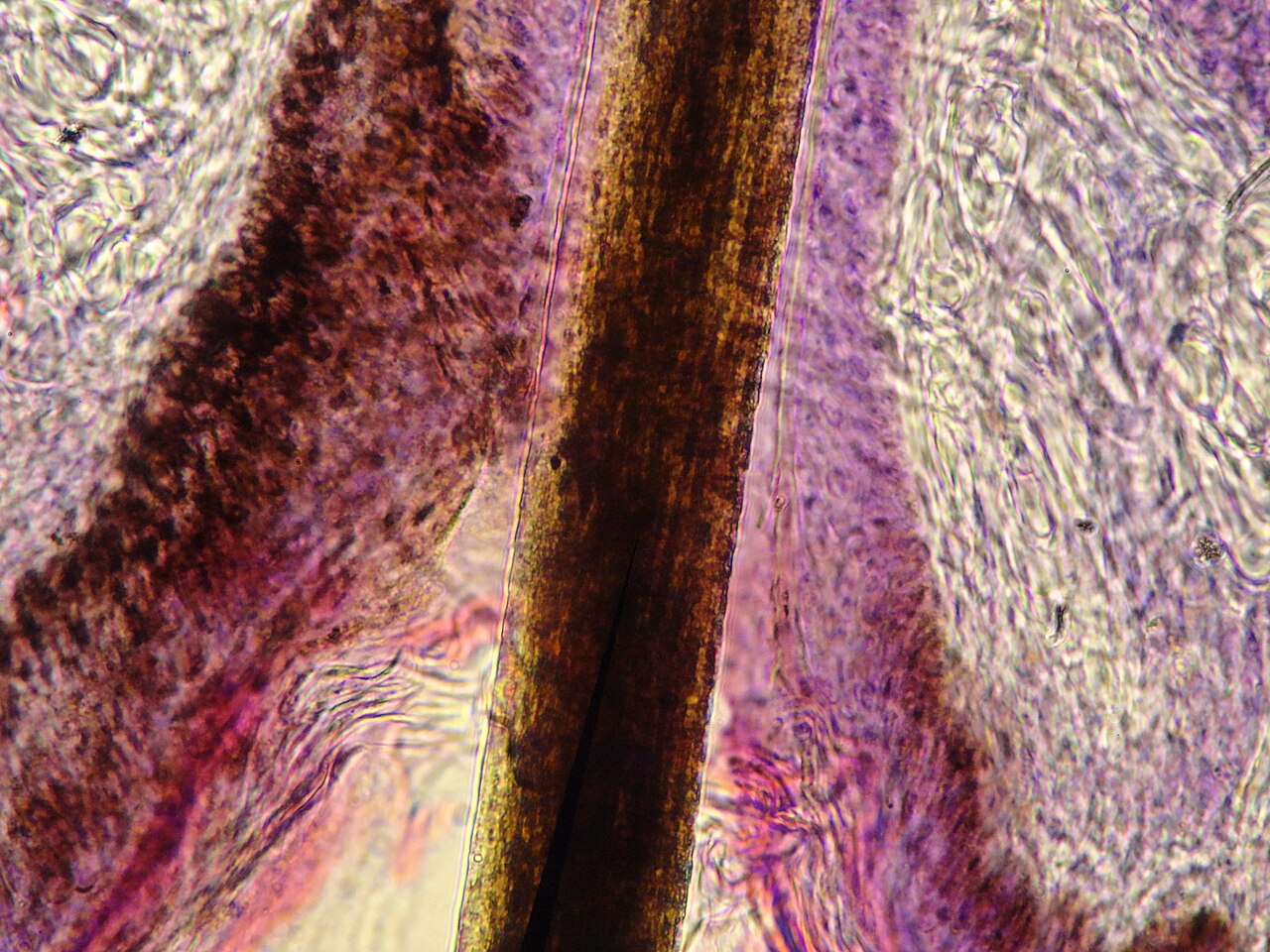
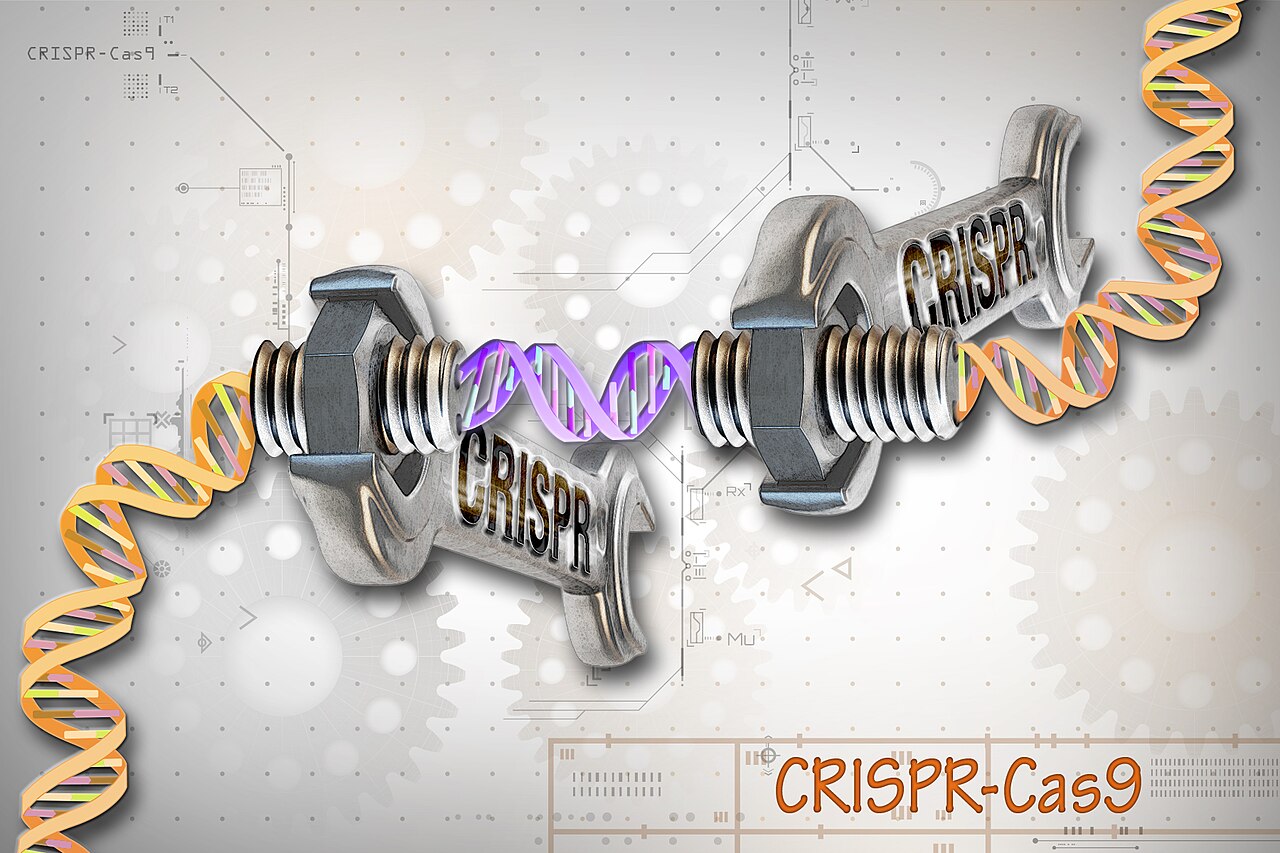
Figure 1. Genetic analysis underpins much of the latest hair-loss research. · Unsplash
When I first started losing my hair at 22, I would have tried just about anything to restore my locks — and I did, from finasteride to low-level laser therapy. But one treatment that's always fascinated me is platelet-rich plasma, or PRP, which involves injecting a concentrated solution of platelets into the scalp to stimulate hair growth. The concept is straightforward: platelets contain growth factors that can help stimulate hair follicles, and by concentrating these platelets, you can create a potent cocktail that can help kickstart dormant follicles. However, the results have been mixed, and some studies have raised questions about the efficacy of PRP therapy — which is interesting because, anecdotally, many people swear by its effectiveness.
And here's where it gets weird: the variability in PRP results may be due to the fact that not all PRP is created equal. According to Dr. Hawksworth, a leading researcher in the field, the key to successful PRP therapy lies in the activation of platelets and the concentration of growth factors. When I spoke to Dr. Hawksworth last month, she explained that traditional PRP preparations often lack the necessary activation step, which can result in a suboptimal growth factor release — a finding that's supported by a study published in the Journal of Clinical and Aesthetic Dermatology, which found that activated PRP resulted in significantly greater hair density than non-activated PRP. The study, which was conducted by a team of researchers led by Dr. Uebel, found that the activated PRP group experienced a 35% increase in hair density, compared to a 12% increase in the non-activated PRP group.
The data hints at a significant improvement in hair growth outcomes when using activated PRP with growth factor concentration — which sounds obvious, but it's a crucial distinction that's often overlooked. A recent trial published in the Journal of Dermatology found that patients treated with activated PRP experienced a mean increase in hair thickness of 23.4%, compared to a 10.3% increase in the control group. The trial, known as the PRP-001 study, was conducted by a team of researchers led by Dr. Lee, and the results are certainly promising. However, as with any emerging treatment, there are still many questions that need to be answered — and I have to admit, I'm not entirely convinced that PRP 2.0 is the silver bullet that some proponents claim it to be.
As I've learned more about the science behind PRP 2.0, I've come to realize that the process of activating platelets and concentrating growth factors is far more complex than I initially thought. It involves a delicate balance of enzymes, pH levels, and temperature controls — and even the slightest miscalculation can result in a suboptimal PRP preparation. Dr. Hawksworth's team has developed a proprietary system for activating PRP, which involves a combination of calcium chloride and thrombin to stimulate platelet activation — and the results are certainly impressive. When I asked her about the potential risks and side effects of PRP 2.0, she acknowledged that, like any injection-based treatment, there is a risk of infection or allergic reaction, but she emphasized that these risks are relatively low, especially when compared to more invasive treatments like hair transplantation.
One of the most interesting aspects of PRP 2.0 is the potential for personalized treatment — which is interesting because, as someone who's been through the trial-and-error process of finding the right treatment, I can attest to the fact that what works for one person may not work for another. Dr. Lee's team has developed a system for tailoring PRP preparations to individual patients, based on their specific hair loss profile and growth factor needs. The system, which involves a combination of genetic testing and biochemical analysis, is still in its early stages, but it holds great promise for those of us who've been struggling to find a treatment that works. And here's the thing: even if PRP 2.0 doesn't turn out to be the magic bullet that some people claim it is, the fact that researchers are pushing the boundaries of what's possible with PRP therapy is a testament to the progress that's being made in the field of hair loss research.
As I look to the future, I'm struck by the pace of innovation in the field of hair loss research — and the potential for PRP 2.0 to play a significant role in the development of a cure. According to Dr. Hawksworth, the next major breakthrough could come in the form of a combined treatment that pairs PRP 2.0 with other emerging therapies, such as stem cell transplantation or low-level laser therapy. The timeline for such a breakthrough is uncertain, but if current trends continue, it's possible that we could see a major advance in hair loss treatment within the next 5-10 years — which would be a game-changer for those of us who've been living with hair loss for years. As I wait with bated breath for the next development, I'm reminded of a conversation I had with Dr. Uebel last year, in which he mentioned that the key to a cure for hair loss may lie in a deeper understanding of the complex interplay between growth factors, stem cells, and the scalp environment — a puzzle that's slowly but surely being solved, one piece at a time.
Discussion (0)
No comments yet. Be the first to share your thoughts.
Join the discussion
Free account. Read, like, save, and comment on every article.