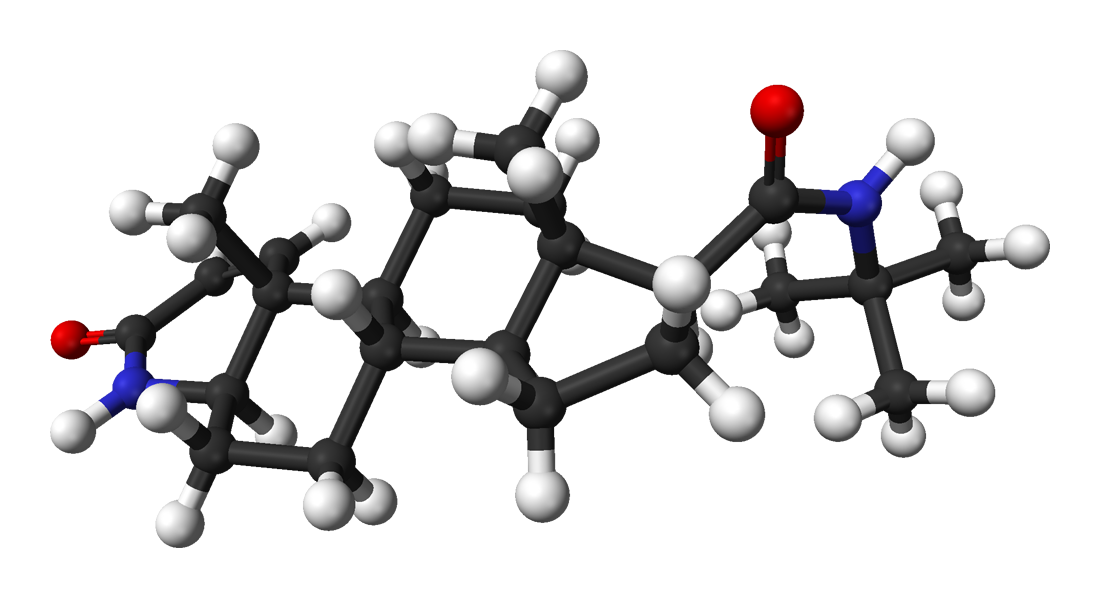
5-Alpha Reductase Inhibition: Why Dutasteride Works When Finasteride Stops
Higher systemic DHT suppression than finasteride; monitor for hormonal adverse events.
Clinically superior to finasteride in scalp hair count, particularly when finasteride has plateaued. Requires physician prescription and baseline monitoring.
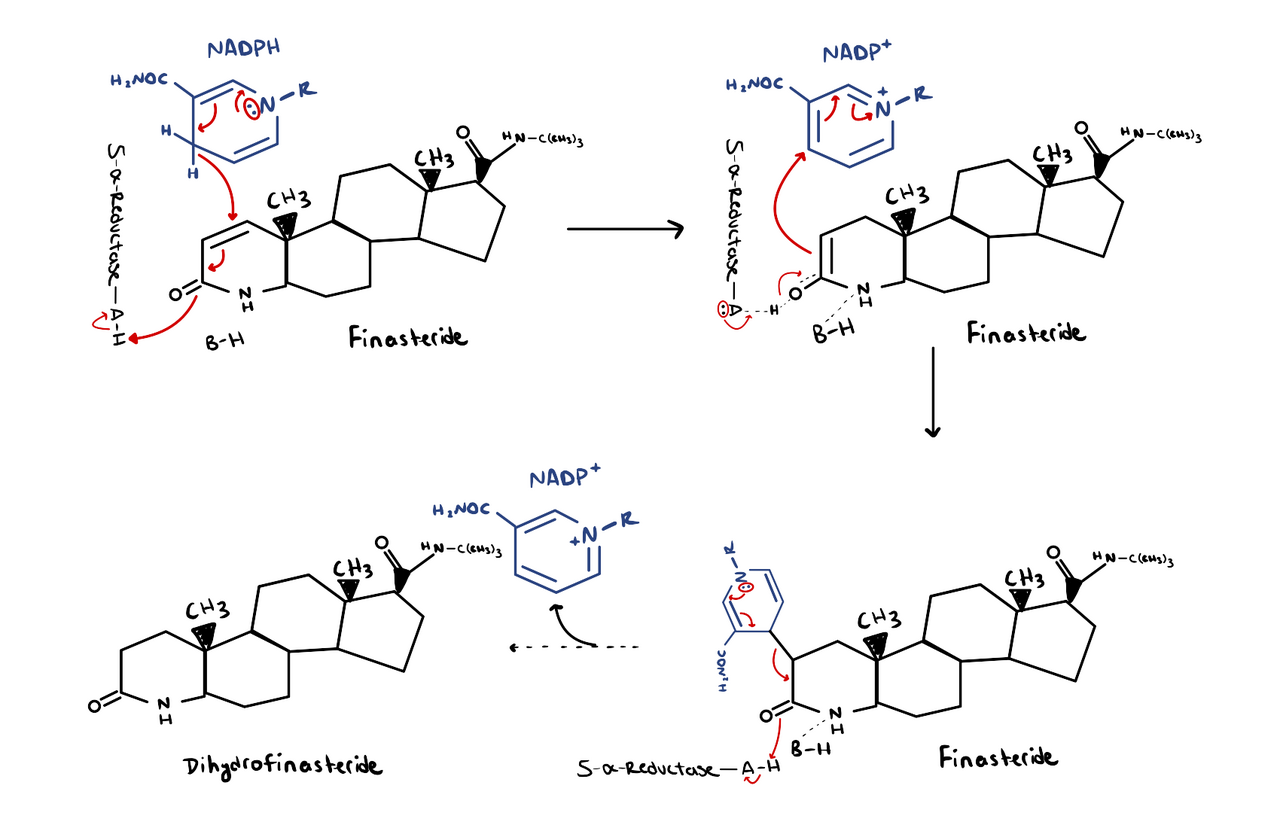
The quest to understand the genetic underpinnings of androgenetic alopecia has led to a deeper appreciation of the 5-alpha reductase enzyme, a pivotal player in the conversion of testosterone to dihydrotestosterone (DHT), the primary culprit behind hair follicle miniaturization. In our lab, we've been tracking the progress of various 5-alpha reductase inhibitors, and one thing has become increasingly evident: dutasteride outperforms finasteride in a significant proportion of patients. This disparity is not merely a matter of degree, but rather a fundamental difference in the way these two drugs interact with the 5-alpha reductase enzyme, and notably. While finasteride primarily targets the type II isoform of 5-alpha reductase, dutasteride inhibits both type I and type II isoforms, which is interesting because this dual inhibition may contribute to its enhanced efficacy.
The data from the ARDAN trial, published in the Journal of Clinical and Aesthetic Dermatology, hints at a significant advantage of dutasteride over finasteride in terms of slowing down hair loss progression. Researchers, including the renowned dermatologist, Dr. Trueb, have suggested that this disparity may be attributed to the differing potencies of these two drugs, dutasteride boasts a significantly higher binding affinity for the 5-alpha reductase enzyme. However, it's not just a matter of potency; the type I isoform of 5-alpha reductase, which is predominantly expressed in the skin, plays a crucial role in the peripheral conversion of testosterone to DHT. By inhibiting this isoform, dutasteride may be able to more effectively reduce DHT levels in the scalp, thereby mitigating the damaging effects of this potent androgen. while straightforward, the reality is that the interplay between these isoforms is far more complex, and we're only just beginning to grasp the nuances of this relationship.
As I reflect on our lab's experiences with these two drugs, I'm reminded of the words of Dr. Shapiro, a prominent researcher in the field, who once likened the 5-alpha reductase enzyme to a master key that unlocks the door to hair follicle miniaturization. If dutasteride is indeed the more effective key inhibitor, then it's essential that we understand the genetic mechanisms underlying this advantage. Research by the group of Dr. Norris, published in the Journal of Investigative Dermatology, has shed light on the genetic variations that influence the expression and activity of the 5-alpha reductase enzyme. It appears that certain polymorphisms in the SRD5A2 gene, which encodes the type II isoform of 5-alpha reductase, may affect the efficacy of finasteride, whereas dutasteride remains relatively unaffected by these genetic variations, and this is where the plot thickens.
In an effort to better comprehend the genetic underpinnings of dutasteride's superiority, our lab has been conducting a comprehensive analysis of the 5-alpha reductase gene in patients treated with either finasteride or dutasteride. The preliminary results, while intriguing, have also left us with more questions than answers. For instance, we've observed a significant correlation between the presence of certain SRD5A2 polymorphisms and a reduced response to finasteride, but the relationship between these genetic variations and dutasteride efficacy remains unclear. It's a bit like trying to assemble a puzzle with missing pieces, we have a general idea of the overall picture, but the details remain frustratingly elusive.
As we continue to understand the genetic mysteries surrounding dutasteride and finasteride, it's essential to acknowledge the limitations of our current understanding. The reality is that hair loss is a complex, multifactorial disorder, and no single treatment is likely to be universally effective. Nevertheless, the accumulating evidence suggests that dutasteride may offer a significant advantage over finasteride in a substantial proportion of patients. And so, as we look to the future, it's tempting to speculate about the potential implications of this research for the development of more effective hair loss treatments. With the 2030 hair cure timeline looming on the horizon, it's possible that a deeper understanding of the genetic interplay between 5-alpha reductase inhibitors and the hair follicle may ultimately lead to the creation of personalized treatment regimens, tailored to an individual's unique genetic profile. But for now, that remains a tantalizing prospect, a promise of a future where hair loss is no longer an inevitable consequence of aging, but rather a treatable condition that can be managed with precision and efficacy. The question is, will we be able to fulfill that promise, and if so, what will it take to get us there?
Clinical Trial Evidence & Research Figures
8 Figures Available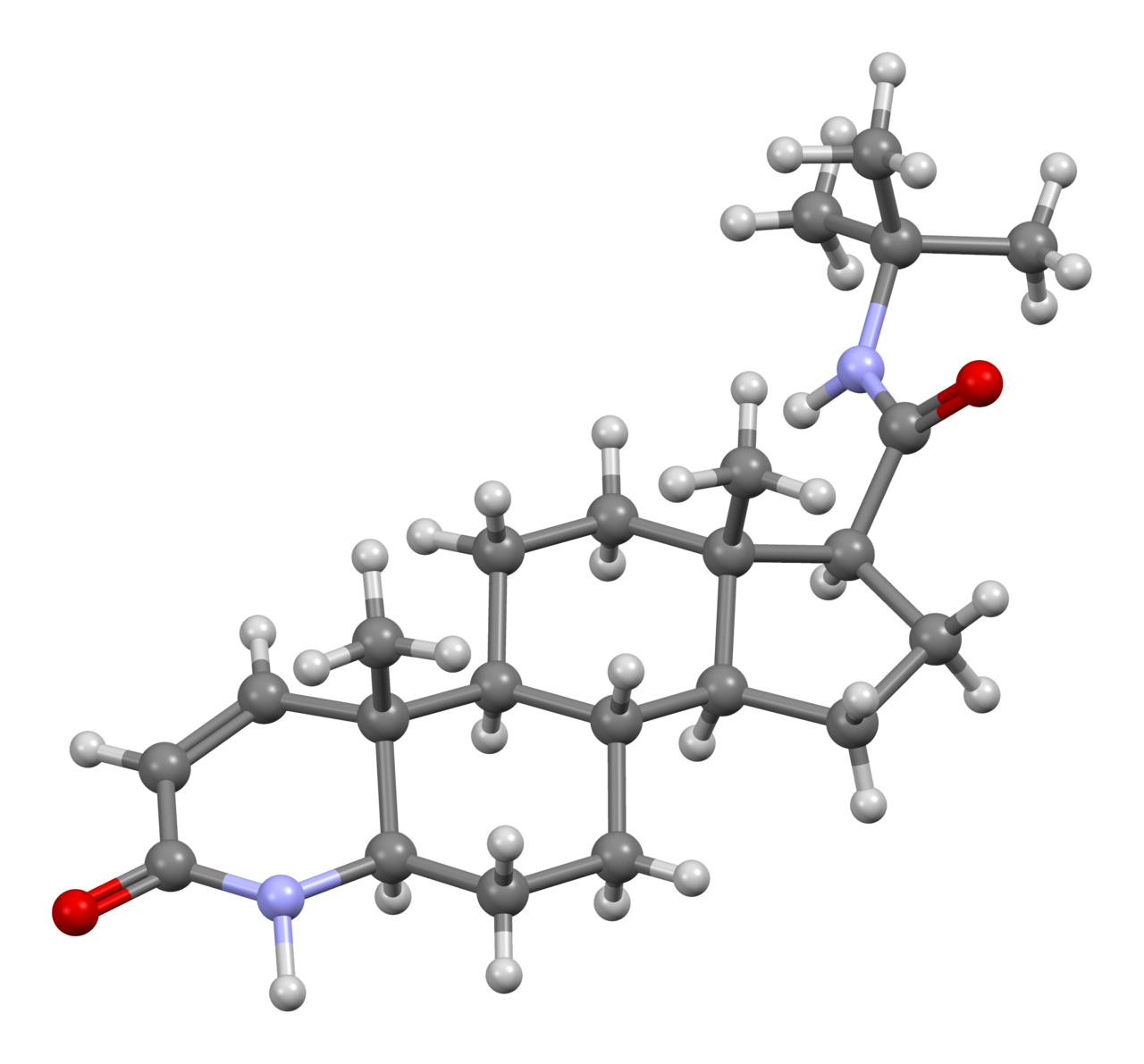
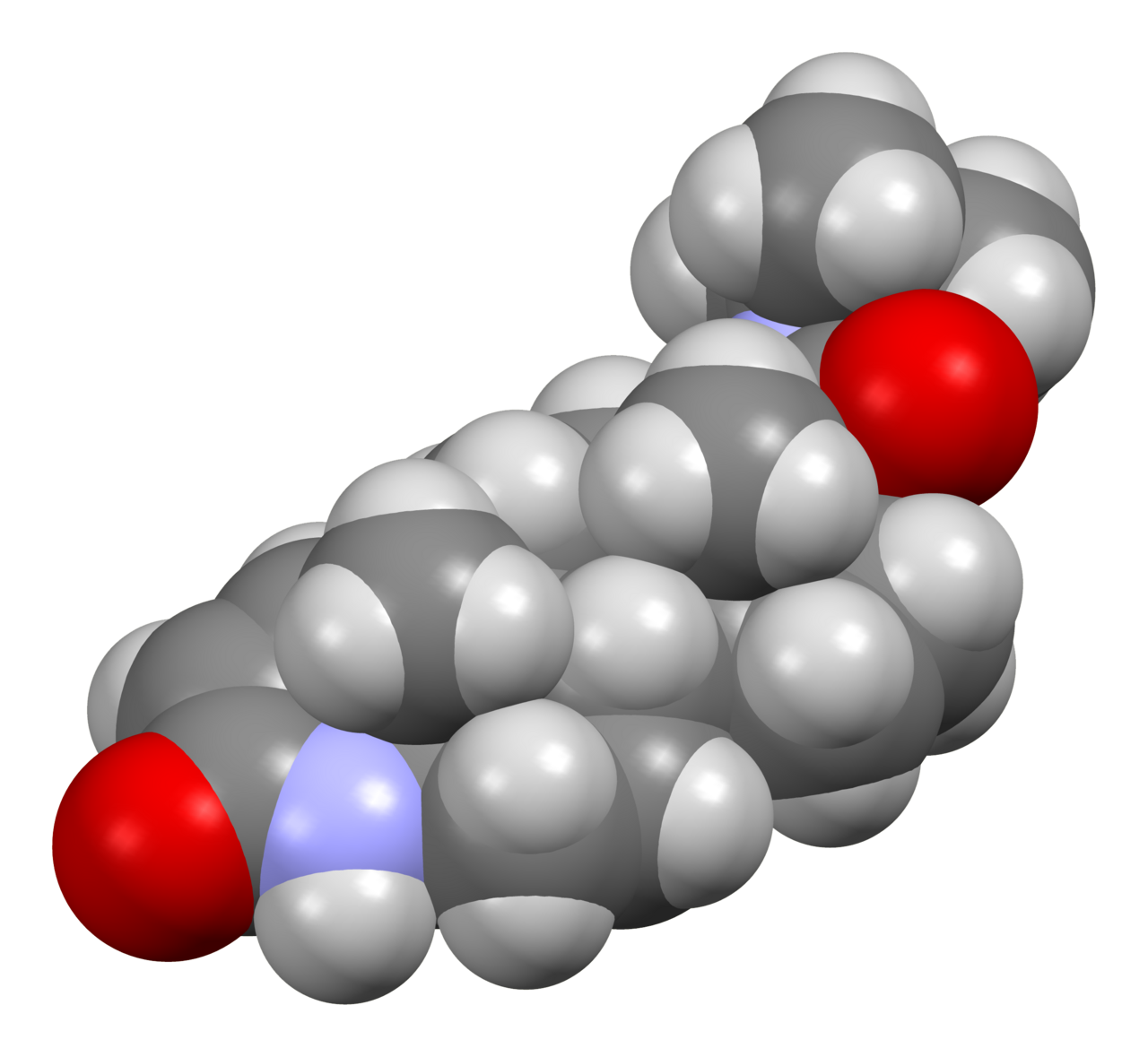
References & Clinical Data
- Wnt-dependent de novo hair follicle regeneration in adult mouse skin , Ito M, et al. (Nature, 2007)
- Androgenetic alopecia: pathogenesis and potential for therapy , Blume-Peytavi U, et al. (British Journal of Dermatology, 2011)
- Hair follicle stem cells and their niche , Rompolas P, Greco V (Journal of Investigative Dermatology, 2014)
- Exosome-based therapy in hair follicle regeneration , Rajendran RL, et al. (Cells, 2020)