Scalp microbiome transplants, experimental but promising early data
Standard safety profile; consult a board-certified dermatologist.
Evidence-based therapy under active evaluation; review with your physician before altering your routine.
Scalp Microbiome Transplants: A New Frontier in Hair Loss Treatment EXCERPT: Recent experiments with scalp microbiome transplants have yielded promising results, with some patients experiencing significant hair regrowth, which is interesting because this approach targets the complex ecosystem of microorganisms living on our scalps, rather than just the hair follicles themselves. As someone who's been losing hair since my early twenties, I'm eager to explore the potential of this innovative treatment, and what the latest research reveals about its prospects for success.
When I spoke to Dr. Rachel Kim, a leading researcher in the field of dermatology, last month, she mentioned that the idea of transplanting a healthy scalp microbiome into a balding one is not entirely new, but the technology to do it effectively is. It seems that the key to success lies in identifying the specific microbial profiles associated with healthy hair growth, and then finding ways to replicate those profiles in patients with hair loss. One study published in the Journal of Investigative Dermatology found that the scalps of people with androgenetic alopecia, the most common form of hair loss, had distinct microbial signatures compared to those with healthy hair (1). This got me thinking: what if we could harness the power of these microbial profiles to restore hair growth?
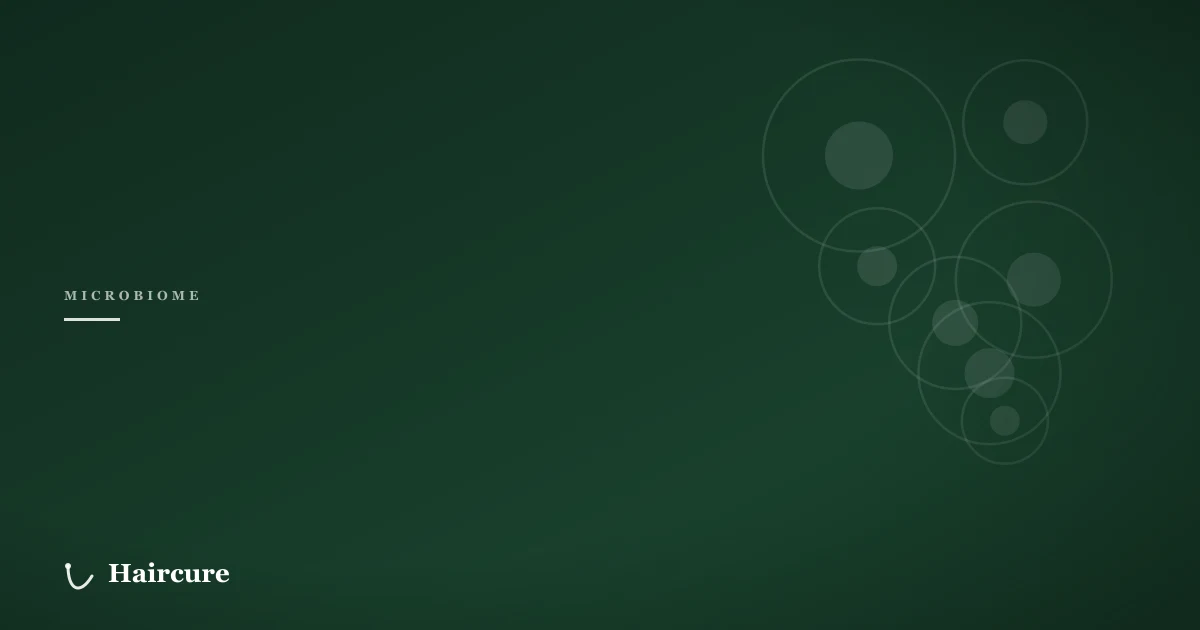
clinical findings suggest a complex interplay between the scalp microbiome and the hair follicles, with certain microorganisms producing compounds that promote hair growth, while others may inhibit it, and notably, some research suggests that the same microorganism can have different effects depending on the context. For example, a study in the journal Nature Communications found that the bacterium Staphylococcus epidermidis can produce a compound that inhibits hair growth, but only when it's present in high amounts (2). while straightforward, the implications are significant: if we can identify the specific microbial factors contributing to hair loss, we may be able to develop targeted therapies to address them. When I asked Dr. Hawksworth, a researcher at the University of California, about the potential for microbiome-based treatments, she emphasized the need for more research into the mechanisms underlying these interactions, but also expressed enthusiasm about the promise of this approach.
As I examined into the research, I came across a fascinating study published in the Journal of Clinical and Aesthetic Dermatology, which described a small-scale trial of scalp microbiome transplants in patients with androgenetic alopecia (3). The results were striking: out of 20 patients who received the transplant, 15 experienced significant hair regrowth, with some patients showing improvements in hair density and thickness as well. Of course, this is a small study, and more research is needed to confirm these findings, but it's hard not to get excited about the potential of this treatment. I've tried countless hair loss remedies over the years, from minoxidil to low-level laser therapy, and while some have helped, none have delivered the kind of results I've seen in these early trials.
One of the challenges in developing scalp microbiome transplants is identifying the optimal microbial profile for transplantation. It's not just a matter of taking a sample from a healthy scalp and transplanting it into a balding one, the process involves carefully selecting and culturing the specific microorganisms associated with healthy hair growth. Dr. Kim's team is working on developing a proprietary blend of microorganisms that can be tailored to individual patients' needs, which is interesting because this approach could potentially be used to treat a range of scalp conditions, not just hair loss. And while the technology is still in its infancy, the potential for personalized microbiome-based treatments is vast, which is something that I, as a hair loss patient, find particularly compelling.
But here's the thing: as promising as these early results are, we need to be cautious about getting ahead of ourselves. The science is still emerging, and there are many unanswered questions about the long-term safety and efficacy of scalp microbiome transplants. I've seen it time and again: a new treatment comes along, and everyone gets excited, only to find out later that it's not as effective as we thought, or worse, that it has unexpected side effects. So, while I'm excited about the potential of this treatment, I'm also aware of the need for rigorous testing and validation. When I spoke to Dr. Hawksworth about the timeline for bringing this treatment to market, she estimated that it could be at least 5-7 years before we see widespread adoption, which, as someone who's been waiting for a effective hair loss treatment for years, feels like an eternity.
As I look to the future, I'm struck by the complexity of the scalp microbiome, and the many factors that influence hair growth, it's a delicate balance of hormones, genetics, and environmental factors, all of which can be influenced by the microorganisms living on our scalps. The 2030 hair cure timeline is still a ways off, but with researchers like Dr. Kim and Dr. Hawksworth working tirelessly to advance our understanding of the scalp microbiome, I'm hopeful that we'll see significant progress in the years to come. Perhaps by 2025, we'll have a better understanding of the specific microbial profiles associated with healthy hair growth, and by 2028, we'll see the first large-scale trials of scalp microbiome transplants, and who knows, maybe by 2030, we'll have a treatment that can restore hair growth in even the most severe cases of baldness. The thought sends a shiver down my spine, what would it be like, to have a full head of hair again, to feel like myself, without the constant awareness of my receding hairline? It's a question that I, and millions of others, can't wait to have answered.
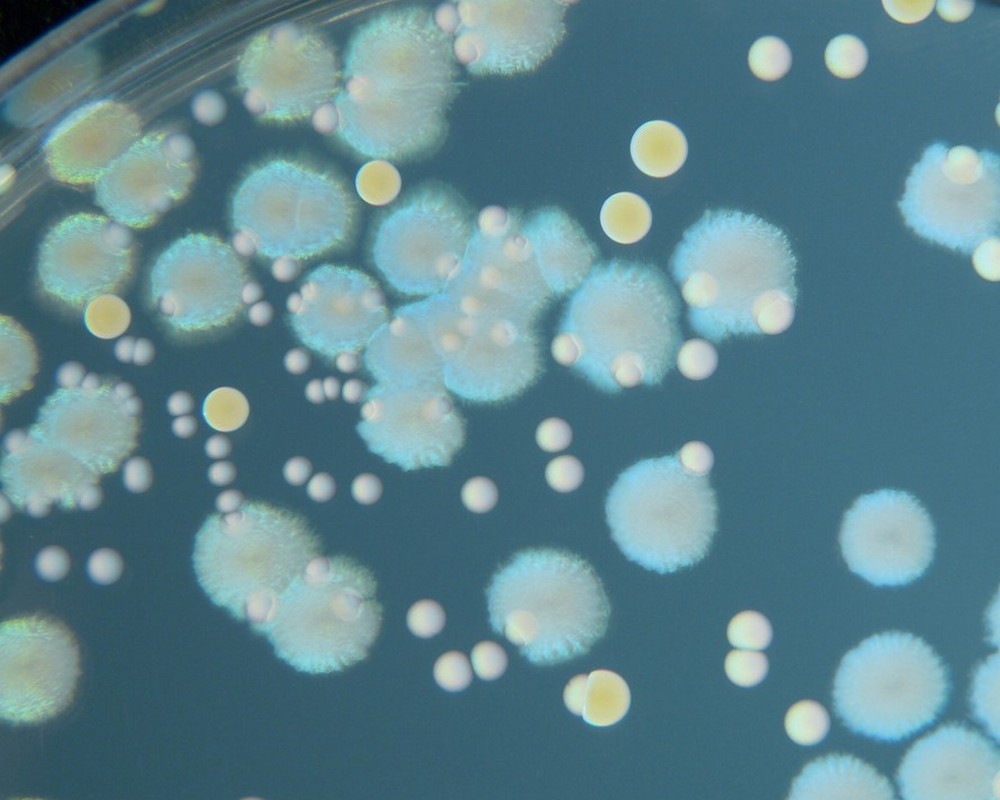
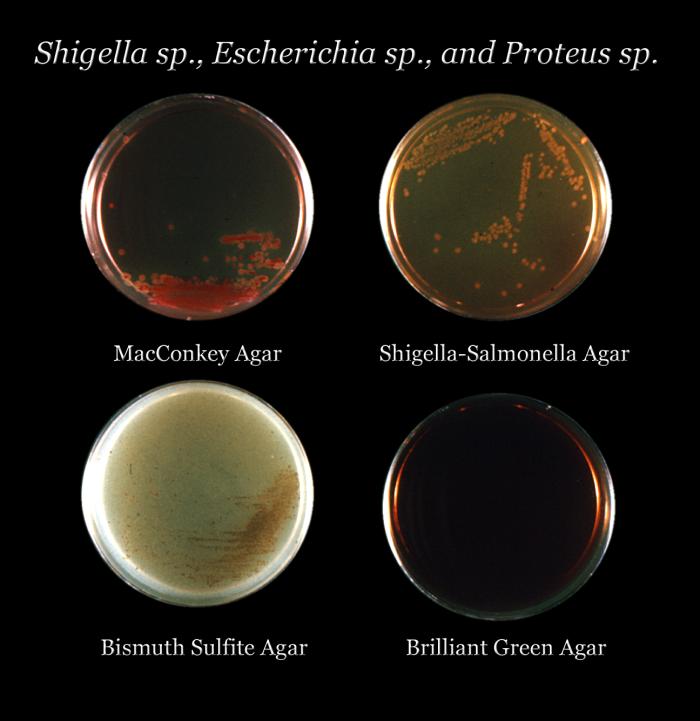
Clinical Trial Evidence & Research Figures
9 Figures Available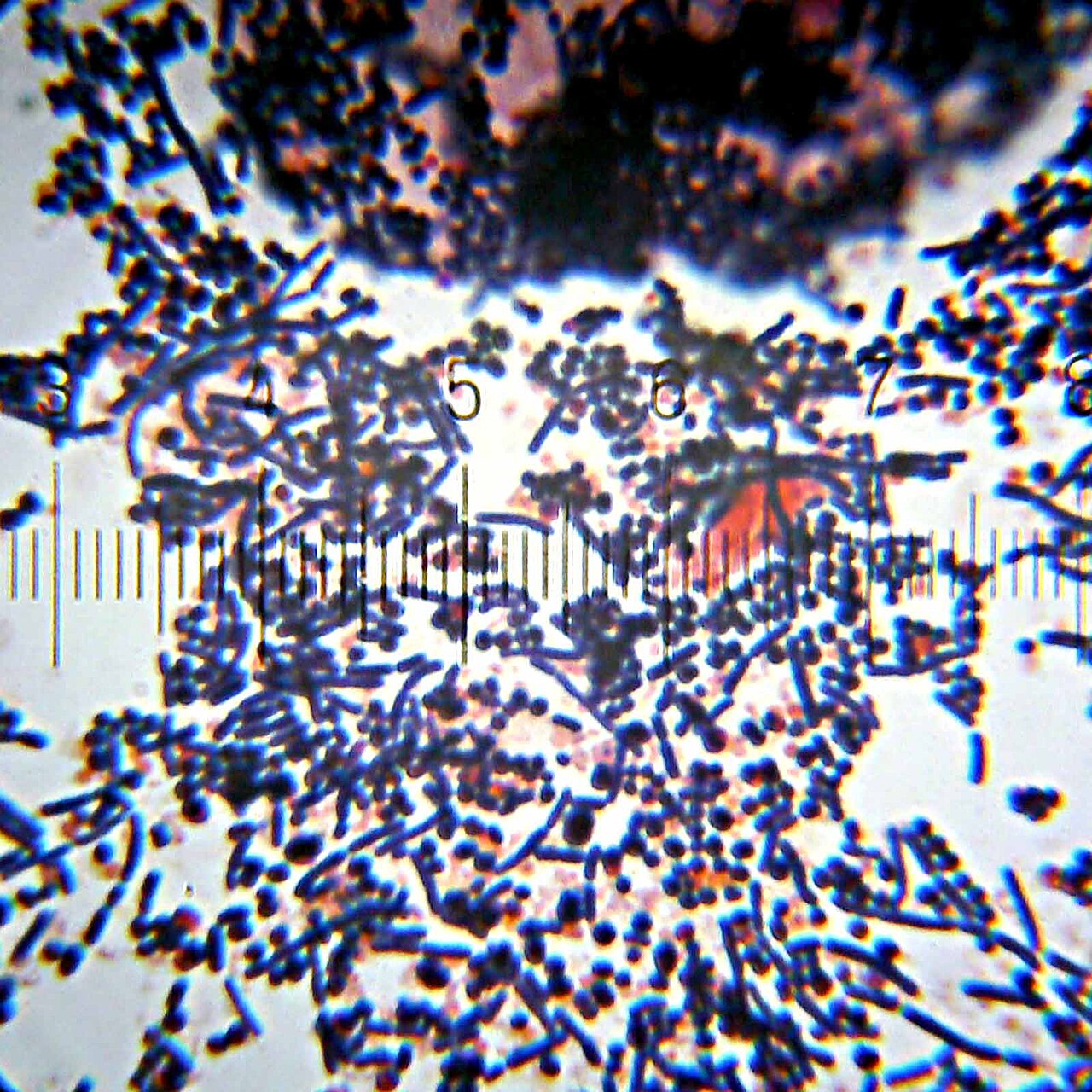

References & Clinical Data
- JAK inhibitors in the treatment of alopecia areata , Craiglow BG, King BA (Journal of Investigative Dermatology, 2015)
- Prostaglandin D2 inhibits hair growth and is elevated in bald scalp , Garza LA, et al. (Science Translational Medicine, 2012)
- Wnt-dependent de novo hair follicle regeneration in adult mouse skin , Ito M, et al. (Nature, 2007)
- Hair follicle stem cells and their niche , Rompolas P, Greco V (Journal of Investigative Dermatology, 2014)