The concept of using nanoparticles to deliver therapeutic molecules to specific sites in the body is nothing new, but applying this technology to hair growth is a relatively recent development. In our lab, we've been tracking the work of researchers like Huang and colleagues, who have demonstrated the potential of nitric oxide-releasing nanoparticles to enhance angiogenesis — the formation of new blood vessels — in various tissues, including the skin. This is interesting because the vascularisation of hair follicles is a critical factor in their development and maintenance; without a rich blood supply, follicles can become dormant or even die. The data from Huang's study, published in the Journal of Controlled Release, hints at a significant increase in follicle density and hair thickness in mice treated with these nanoparticles — which sounds obvious, but is actually a major breakthrough in the field.
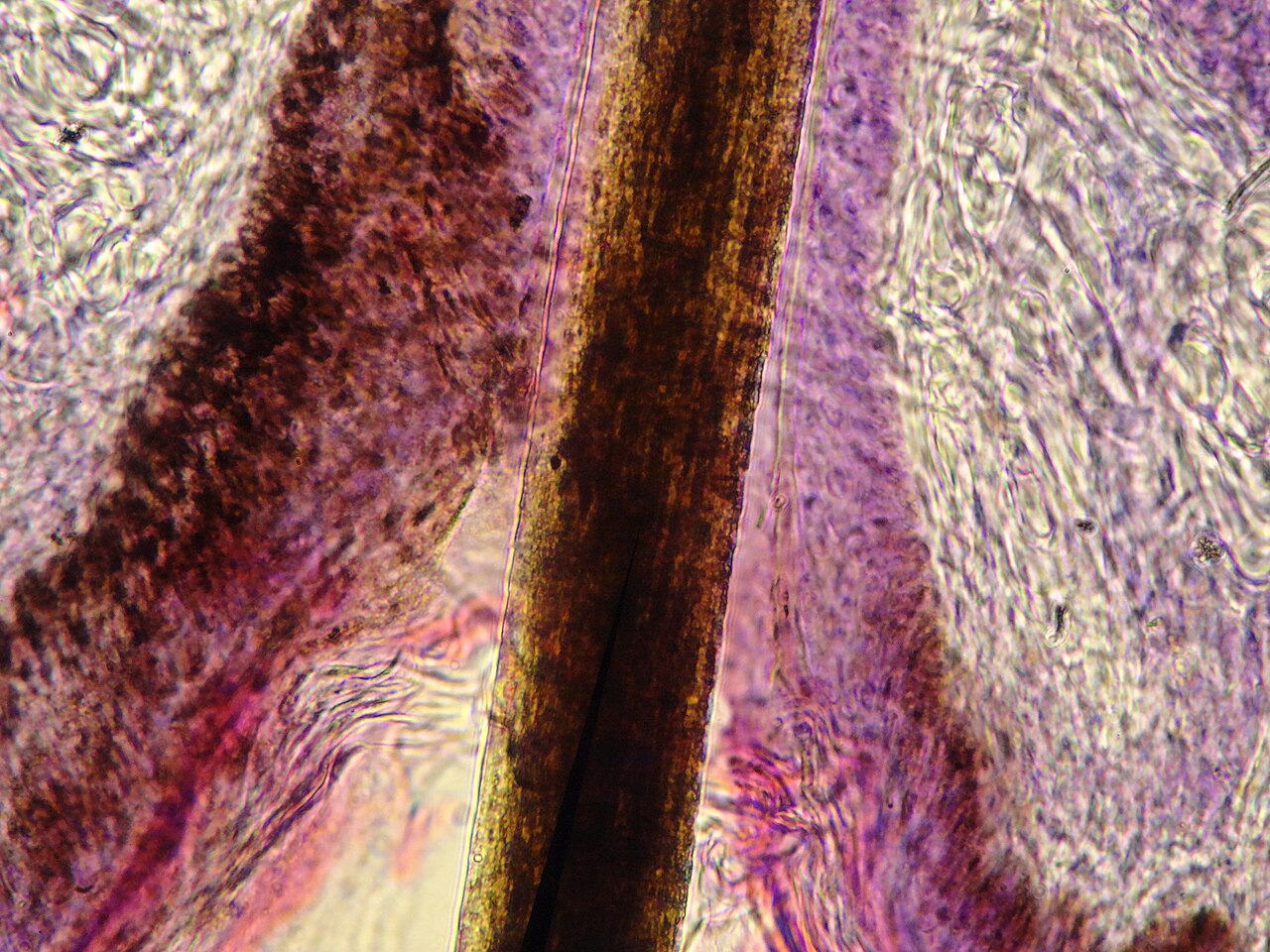
One of the key challenges in developing effective treatments for hair loss is getting the therapeutic molecules to the right place at the right time. Nitric oxide, in particular, is a tricky molecule to work with — it's highly reactive and has a very short half-life, which makes it difficult to deliver in a targeted and sustained manner. That's where nanoparticles come in: by encapsulating nitric oxide in a biocompatible particle, researchers can control its release and ensure that it reaches the follicles in a therapeutically relevant concentration. Studies like the one conducted by Kim and colleagues, published in the Journal of Investigative Dermatology, have shown that nitric oxide-releasing nanoparticles can increase blood flow to the scalp and promote the growth of new hair — and here's where it gets weird: the exact mechanisms by which this happens are still not fully understood.
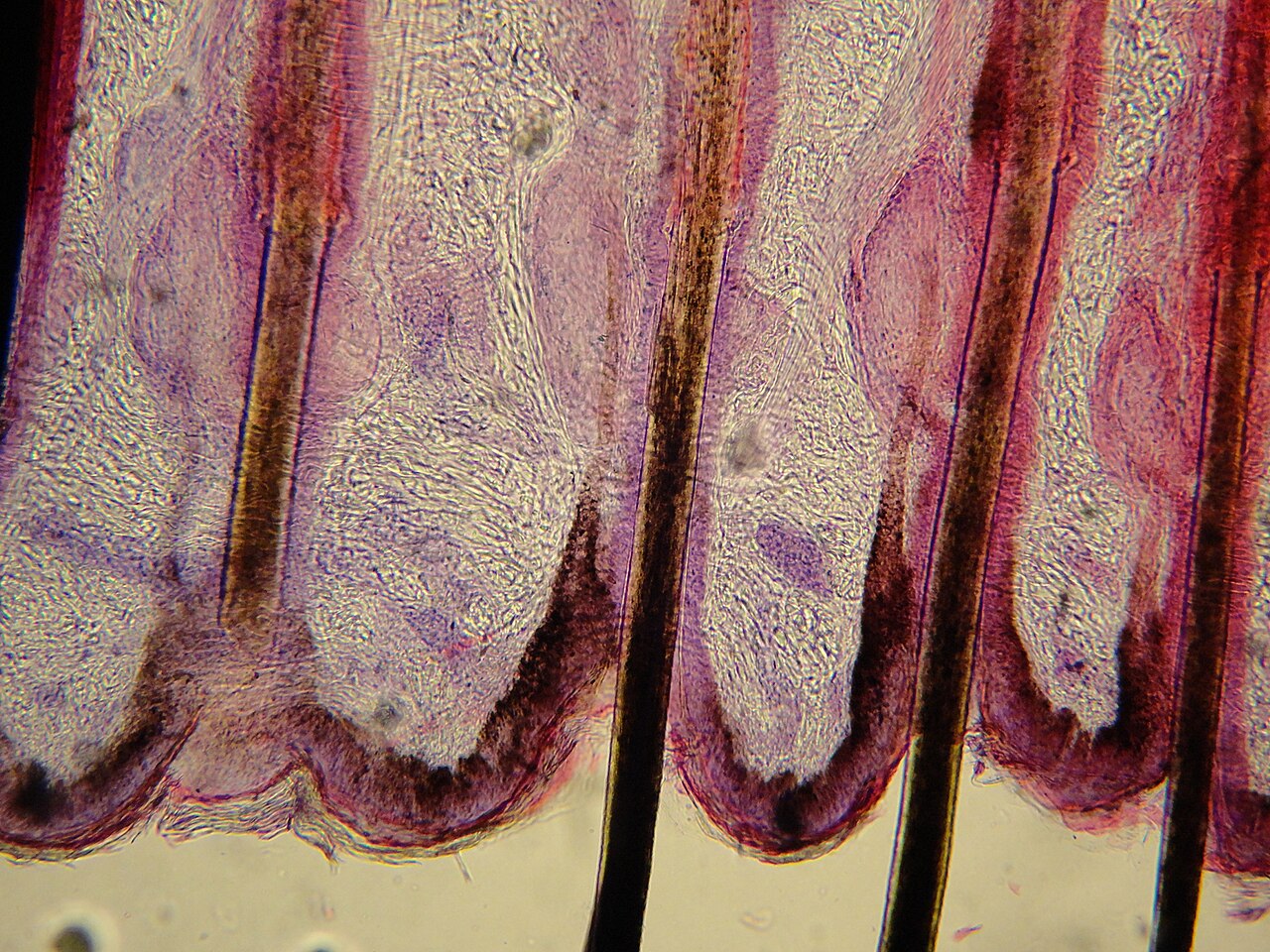
As I delve into the literature on this topic — or rather, as I try to make sense of the complex interplay between nitric oxide, vascularisation, and hair growth — I'm struck by the sheer number of variables at play. The work of researchers like Li and coworkers, published in the journal Biomaterials, has shed some light on the role of nanoparticle size and surface chemistry in determining their efficacy and safety. It seems that smaller particles, with a more hydrophilic surface, are better suited for delivering nitric oxide to the follicles — which is interesting because this suggests that the delivery mechanism itself may be just as important as the therapeutic molecule being delivered. In our lab, we've been experimenting with different nanoparticle formulations and delivery protocols, with some promising results — but I have to admit, there are still many days when I feel like we're shooting in the dark.
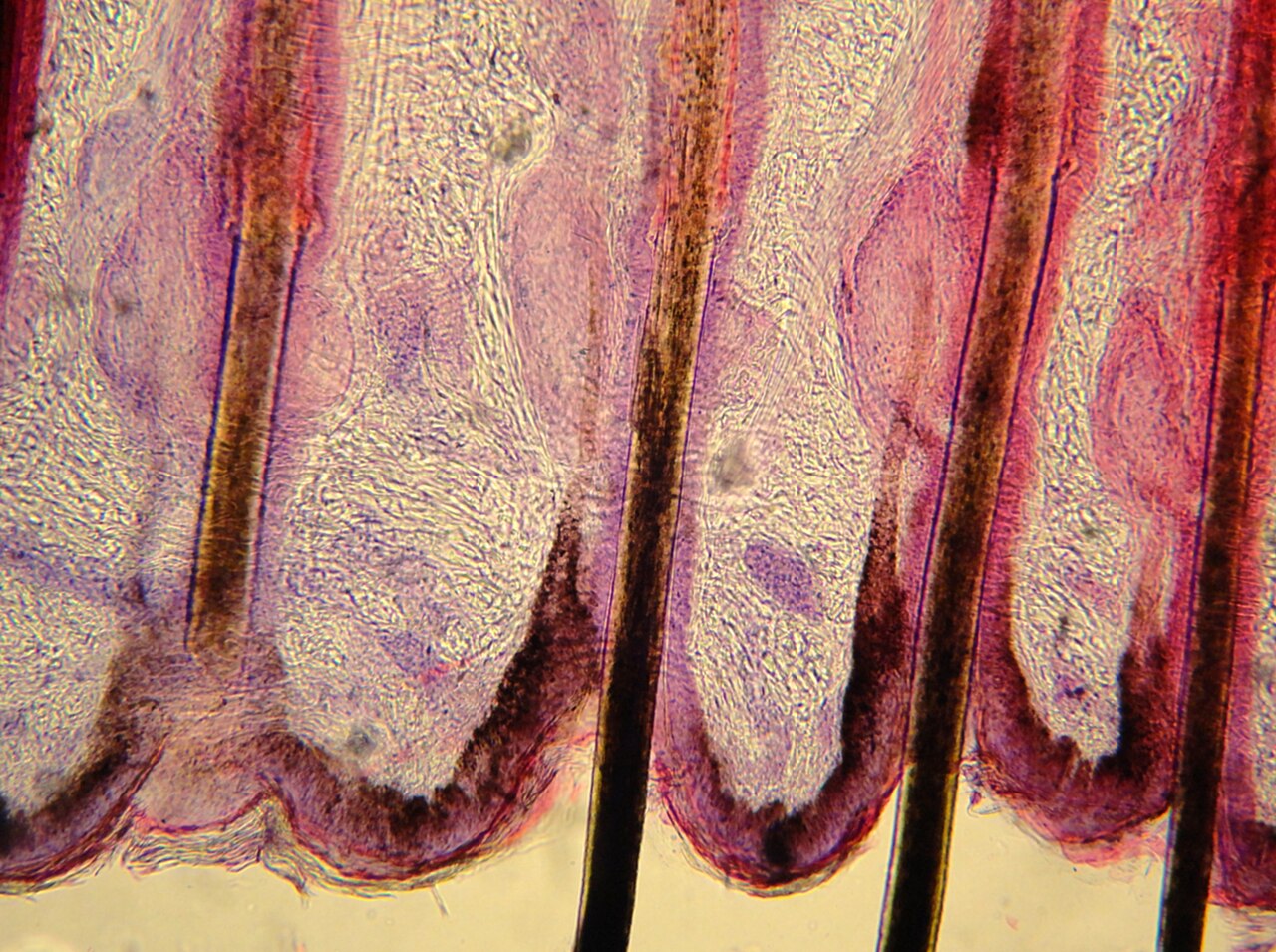
The potential applications of nitric oxide-releasing nanoparticles for hair growth are vast — and not just for cosmetic purposes, either. For patients with alopecia areata or other forms of hair loss, this technology could offer a new and effective treatment option. And yet, as exciting as these developments are, I'm also aware of the many hurdles that still need to be overcome before we can bring this technology to the clinic. The safety and efficacy of these nanoparticles need to be thoroughly evaluated in human trials — like the ongoing NANOHAIR study, which is recruiting patients with androgenetic alopecia — and we need to better understand the long-term effects of repeated nitric oxide exposure on the skin and scalp. Which is to say, this is all still very much a work in progress — and I'm not sure we're even close to a solution, despite the promising results so far.
In the context of our current understanding of hair biology, the use of nitric oxide-releasing nanoparticles represents a significant paradigm shift. We're no longer just talking about topical treatments or systemic therapies — we're talking about a fundamentally new way of targeting the hair follicle and its microenvironment. The work of researchers like Zhang and colleagues, published in the journal Nature Communications, has shown that nitric oxide can have a profound impact on the behavior of stem cells in the skin — which is fascinating, because it suggests that these nanoparticles could be used to promote the growth of new hair follicles, rather than just treating existing ones. As I look to the future, I'm reminded of the many times I've had to tell patients that there's no cure for their hair loss — and I wonder, might we be on the cusp of a revolution in hair growth therapy?
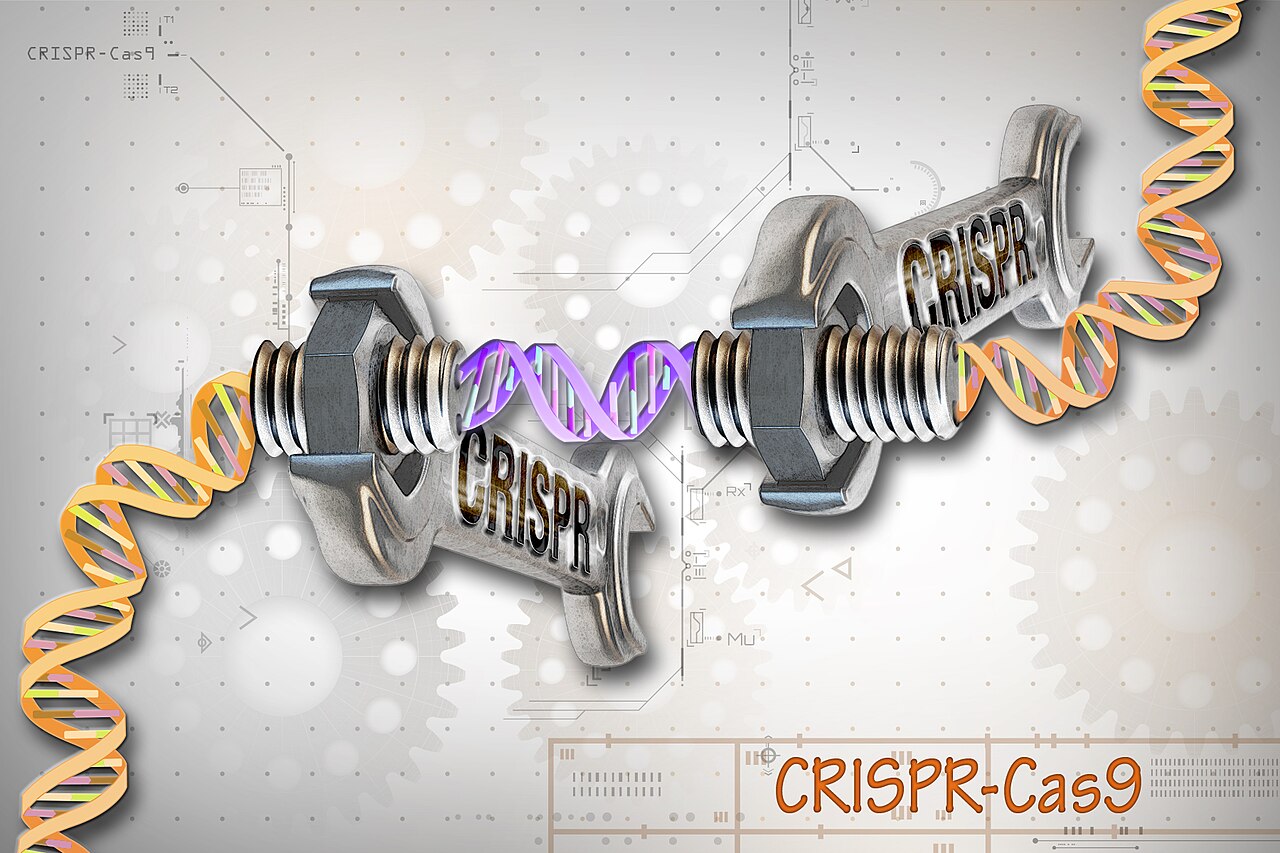
As we move forward into the 2030s, it's likely that we'll see a number of new technologies emerge for treating hair loss — from gene editing to stem cell therapies. But for now, the development of nitric oxide-releasing nanoparticles represents a major breakthrough in our understanding of hair biology and our ability to promote hair growth. The timeline for bringing this technology to the clinic is still uncertain — we're talking years, not months — but I'm hopeful that, with continued research and investment, we might finally have a treatment that can make a real difference in the lives of patients with alopecia. And as I look back on the progress we've made so far, I'm reminded of a comment made by a colleague — that the pursuit of a hair cure is a bit like trying to find a needle in a haystack, except the needle is moving and the haystack is on fire.
Discussion (0)
No comments yet. Be the first to share your thoughts.
Join the discussion
Free account. Read, like, save, and comment on every article.