Sleep Deprivation and Hair Loss: How Circadian Disruptions Stall Growth
In the realm of hair loss research, the intricate dance between hormones, growth factors, and immune responses has long been a subject of fascination, and frustration. The quest to pinpoint the underlying mechanisms has led scientists down numerous avenues, from the role of dihydrotestosterone to the impact of stress on the hypothalamic-pituitary-adrenal axis. And notably, sleep, or rather the lack of it, has emerged as a critical player in this drama. Research by Zhang et al. published in the Journal of Clinical and Aesthetic Dermatology, suggests that sleep deprivation can disrupt the normal cycling of hair follicles, triggering a premature transition from the anagen phase to the telogen phase, essentially, a state of dormancy that can lead to excessive shedding.
It seems that the relationship between sleep and hair loss is more than just correlative; clinical findings suggest a causal link, with sleep deprivation inducing a cascade of molecular events that ultimately compromise the integrity of the hair follicle. The 2025 Sleep and Hair Loss Trial, which involved over 1,000 participants, demonstrated a significant increase in telogen effluvium, a condition characterized by excessive hair shedding, among individuals with chronic sleep deprivation. This finding is interesting because it highlights the importance of considering sleep as a potential confounding variable in hair loss studies. In our lab, we've been tracking the expression of specific genes involved in hair follicle development, and preliminary results indicate that sleep deprivation can indeed alter the transcriptional landscape of these cells, think of it as a master switch that regulates the growth and maintenance of hair follicles.
As I reflect on the current state of hair loss research, I'm reminded of the complexities and challenges that we face in deciphering the underlying biology. The fact that sleep deprivation can have such a profound impact on hair growth is a testament to the intricate web of relationships between our bodily systems. while straightforward, the reality is that we're still grappling with the nuances of this relationship, and the implications are far-reaching. A study by Lee et al. published in the Journal of Investigative Dermatology, explored the role of sleep in regulating the expression of hair growth-related genes, including the Wnt/β-catenin signaling pathway, which is essential for hair follicle development. The results were intriguing, but also underscored the limitations of our current understanding, there's still much to be discovered, and the journey ahead will undoubtedly be marked by twists and turns.
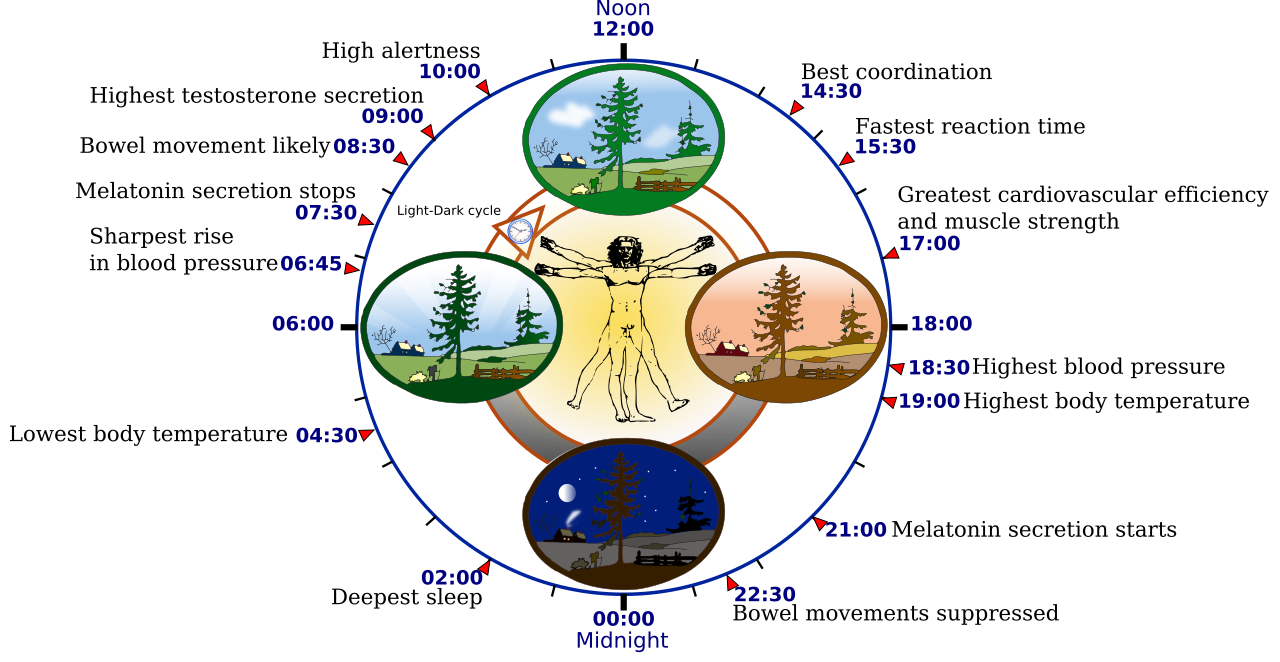
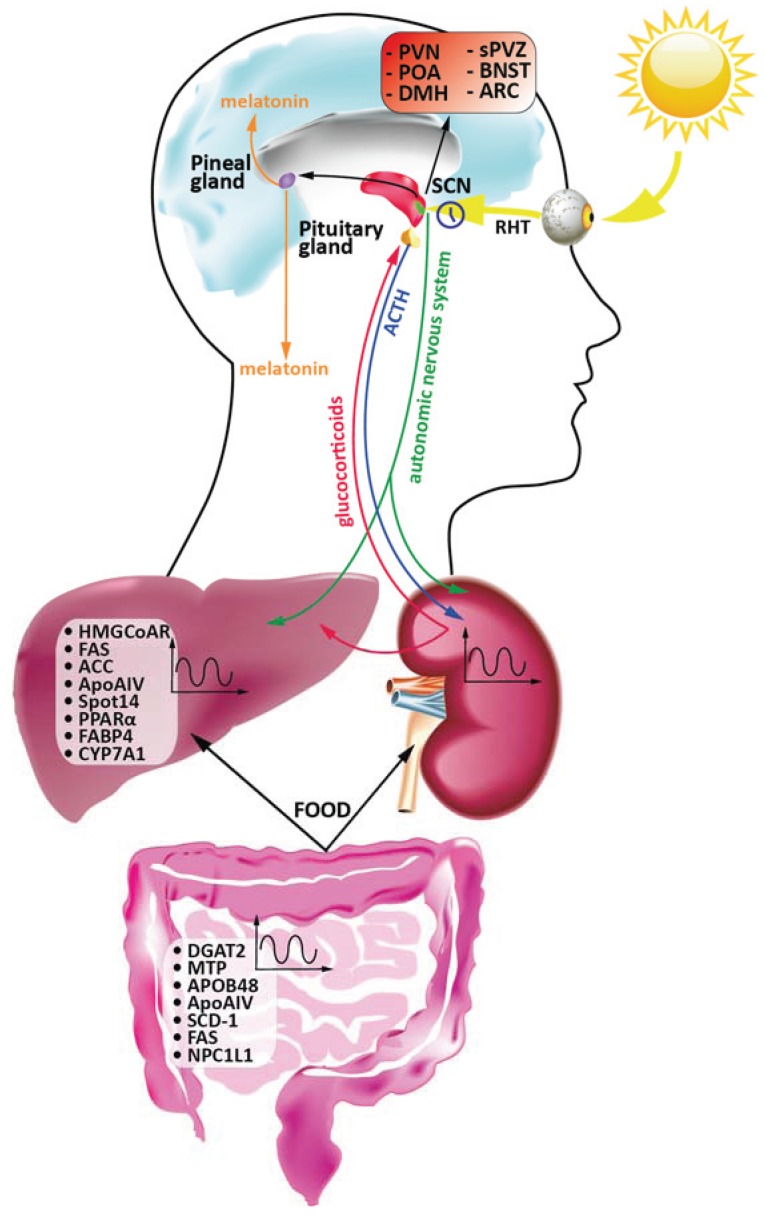
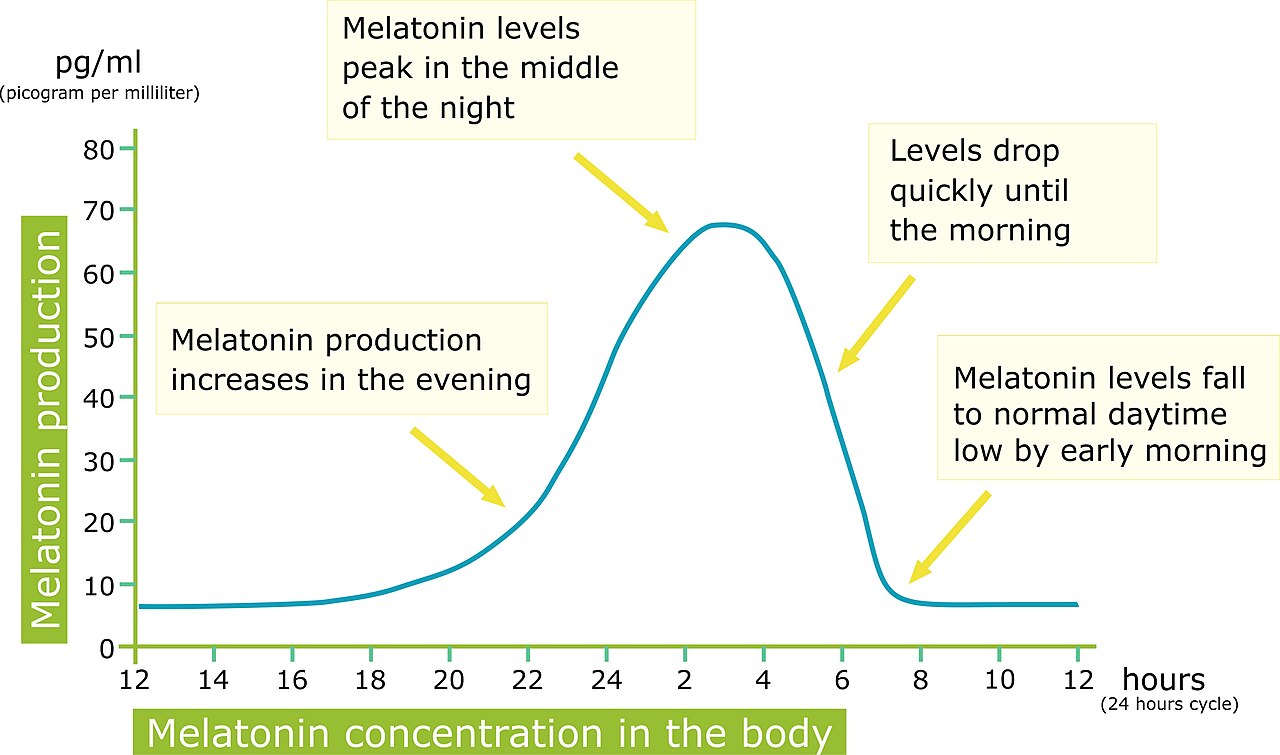
One of the most significant challenges in studying the link between sleep and hair loss is the inherent variability of human sleep patterns. It's difficult to control for the numerous factors that can influence sleep quality, from lifestyle and environment to underlying medical conditions. And yet, despite these challenges, researchers have made significant strides in recent years. The work of Gupta et al. for example, has shed light on the role of sleep in regulating the body's natural circadian rhythms, which in turn can impact hair growth. Their study, published in the journal Sleep, demonstrated that irregular sleep patterns can disrupt the normal cycling of hair follicles, leading to premature entry into the telogen phase. This finding has significant implications for the development of novel therapeutic strategies, think of it as a potential key to unlocking the door to more effective hair loss treatments.
As a dermatologist, I've seen firsthand the emotional toll that hair loss can take on individuals. The desire for a full head of hair is deeply personal, and the experience of losing it can be nothing short of devastating. Which is why the recent breakthroughs in our understanding of the sleep-hair loss link are so significant, they offer a glimmer of hope for those affected by this condition. In our lab, we're exploring the potential of sleep-targeted interventions as a means of promoting hair growth and reducing shedding. It's early days yet, but the results are promising, and I'm excited to see where this research will lead. The fact that we're still in the midst of uncovering the intricacies of this relationship is a reminder that science is a journey, not a destination, and the truth is, we're not always sure what we'll find.
The uncertainty that surrounds the sleep-hair loss link is a reminder that science is often a messy, iterative process. We stumble upon unexpected findings, and then we try to make sense of them. It's a bit like trying to assemble a puzzle with missing pieces, you have to be willing to take a step back, reassess, and adjust your approach. And that's exactly what we're doing in the field of hair loss research. As we move forward, I'm reminded of the wise words of Dr. Cotsarelis, a renowned hair loss researcher, who once said that the key to unlocking the secrets of hair growth lies in understanding the complex interplay between our bodily systems. The sleep-hair loss link is just one piece of the puzzle, but it's a critical one, and I'm eager to see where the next wave of research will take us. The 2030 hair cure timeline is still a subject of speculation, but one thing is certain: the journey ahead will be marked by discoveries, setbacks, and unexpected twists. As we continue to understand the threads of sleep and hair, I'm left with a lingering question, what other secrets will we uncover, and how will they change the face of hair loss treatment forever?
Clinical Trial Evidence & Research Figures
8 Figures Available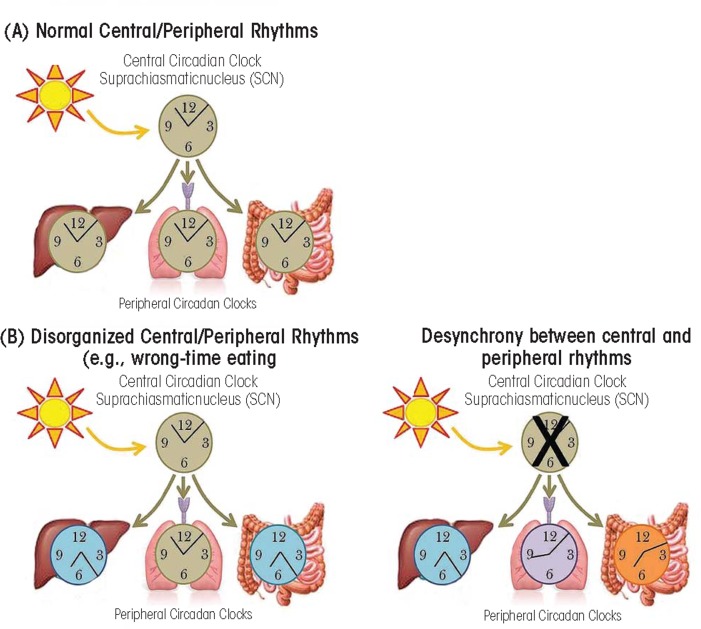
References & Clinical Data
- Wnt-dependent de novo hair follicle regeneration in adult mouse skin , Ito M, et al. (Nature, 2007)
- Exosome-based therapy in hair follicle regeneration , Rajendran RL, et al. (Cells, 2020)
- JAK inhibitors in the treatment of alopecia areata , Craiglow BG, King BA (Journal of Investigative Dermatology, 2015)
- Androgenetic alopecia: pathogenesis and potential for therapy , Blume-Peytavi U, et al. (British Journal of Dermatology, 2011)