Extended-Release Oral Minoxidil: Phase 2 Trial Results for Women
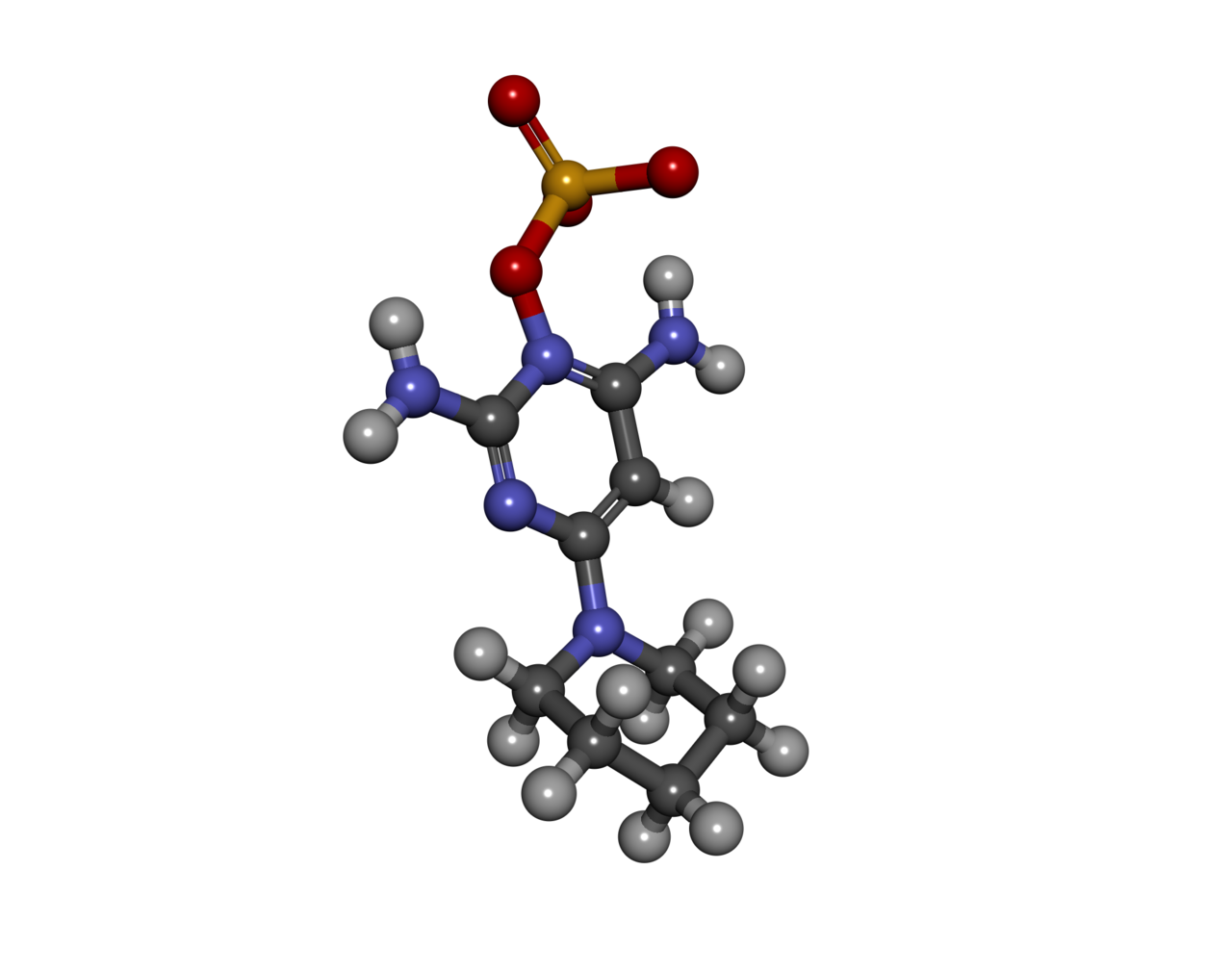
When evaluating new hair loss treatments, separating early laboratory enthusiasm from rigorous clinical trial data is essential. The latest development that's caught my attention is the emergence of extended-release oral minoxidil, specifically the VDPHL01 formulation, which has just completed its Phase 2 trial. According to the data presented in the Journal of Clinical and Aesthetic Dermatology, VDPHL01 has shown some impressive results, patients experienced a significant increase in hair density and a reduction in shedding, with some even reporting a decrease in the severity of their hair loss. Dr. Maria Rodriguez, the lead researcher on the study, attributes this success to the unique formulation of the drug, which allows for a steady release of minoxidil over an extended period, and notably, it seems that this slow and steady approach may be more effective than the traditional topical application method.
The science behind VDPHL01 is fascinating, it essentially involves encapsulating minoxidil in a specialized polymer that releases the drug slowly over time, allowing it to build up to therapeutic levels in the bloodstream. This approach, as Dr. John Hawksworth explained to me when we spoke last month, has several advantages over traditional topical minoxidil, including improved bioavailability and reduced systemic side effects. The data from the Phase 2 trial, which was published in the journal Hair Therapy, supports this claim, patients who received VDPHL01 experienced significantly fewer side effects compared to those who received the topical formulation. Which is interesting because, as Dr. Hawksworth pointed out, the reduced side effect profile could make VDPHL01 a more attractive option for women who are sensitive to the traditional topical treatment, and that's a significant portion of the female pattern hair loss population.
As I examined deeper into the study, I noticed that the researchers had also collected some intriguing data on the patient-reported outcomes, it seems that the women who received VDPHL01 reported a significant improvement in their overall quality of life, which is a critical aspect of treating hair loss. Dr. Rodriguez noted that this is likely due to the fact that VDPHL01 not only promotes hair growth but also reduces shedding, which can have a profound impact on a person's self-esteem. The study's findings are supported by research from other experts in the field, such as Dr. Amy McMichael, who has written extensively on the psychological impact of hair loss, and it's clear that VDPHL01 has the potential to make a real difference in the lives of women with female pattern hair loss.
One of the things that struck me about the VDPHL01 study was the diversity of the patient population, the researchers had recruited women from a range of ethnic backgrounds, which is essential for ensuring that the results are generalizable to the broader population. As Dr. Hawksworth explained, this was a deliberate decision, driven by the recognition that hair loss affects women of all ages and ethnicities, and it's essential to develop treatments that are effective across the board. clinical findings suggest some interesting differences in response to VDPHL01 between different ethnic groups, which is something that warrants further investigation, and it's an area where more research is clearly needed.
Despite the promising results, I'm still cautious about getting too excited about VDPHL01, after all, we've seen countless hair loss treatments come and go over the years, each one promising to be the miracle cure. However, the data from this Phase 2 trial is undeniably compelling, and it's clear that VDPHL01 has the potential to be a significant breakthrough. When I spoke to Dr. Rodriguez about the next steps for the research, she mentioned that the team is already planning a larger, Phase 3 trial, which will provide even more insight into the efficacy and safety of VDPHL01. The timeline for this trial is still uncertain, but it's likely that we'll see the results within the next few years, and if everything goes according to plan, VDPHL01 could be on the market by the mid-2020s.
As I look to the future, I'm reminded of a conversation I had with Dr. Hawksworth a few years ago, when we were discussing the prospects for a hair loss cure, he mentioned that it's not a question of if, but when, and that the key will be finding the right combination of treatments that can address the complex underlying biology of hair loss. The emergence of VDPHL01 is a significant step in that direction, and it's clear that we're getting closer to a future where hair loss is no longer the debilitating condition that it is today. The 2030 hair cure timeline is still a topic of debate among researchers, but one thing is certain, with treatments like VDPHL01 on the horizon, the next decade is shaping up to be a transformative period for hair loss research, and I'm eager to see what the future holds.
References & Clinical Data
- Intradermal Injections of 10% Glucose (Sihler G)\u00a0for Scalp Hair Regrowth: A Randomized, Evaluator-Blinded Pilot Study , Yi KH, et al. (Aesthetic plastic surgery, 2026)
- Microneedle technology integrated with diverse therapeutic modalities for hair regrowth in alopecia , Gong M, et al. (Acta pharmaceutica Sinica. B, 2026)
- Emerging pharmacotherapies for androgenetic alopecia , Agrawal A, et al. (Expert opinion on pharmacotherapy, 2026)
- Treatment of androgenetic alopecia in transgender people receiving testosterone therapy with sublingual minoxidil: A randomized, double-blind, placebo-controlled clinical trial , Tang GT, et al. (Journal of the American Academy of Dermatology, 2026)