Gene Expression in Balding Scalps: What Single-Cell RNA Sequencing Found
The quest to understand the molecular underpinnings of balding has been a long-standing one, with scientists like Norwood and Hamilton laying the groundwork for our current understanding of androgenetic alopecia. In our lab, we've been tracking the progress of gene expression profiling studies, and it seems that the field has finally reached a tipping point, with the advent of high-throughput sequencing technologies, researchers can now interrogate the transcriptome of balding and healthy scalps with unprecedented resolution. clinical findings suggest a complex, dynamic interplay between multiple cell types and signaling pathways, which is interesting because it suggests that hair loss is not simply a matter of hormonal imbalance, but rather a multifaceted process involving the coordination of various molecular and cellular actors.
One of the key challenges in studying gene expression in balding scalps is the inherent heterogeneity of the tissue, as any dermatologist can attest, the scalp is a complex, dynamic environment, with different cell types and structures interacting in a delicate balance. And notably, despite this complexity, certain patterns and themes have begun to emerge from the gene expression data, with studies like the one published by Garza and colleagues in the Journal of Investigative Dermatology highlighting the importance of the Wnt/β-catenin signaling pathway in regulating hair growth. The work of Zhang and colleagues, published in the journal Nature Communications, has also shed light on the role of the PI3K/Akt signaling pathway in modulating the expression of key genes involved in hair follicle development, while straightforward, is actually a critical insight, as it suggests that targeting these pathways may be a viable strategy for promoting hair growth.
As I reflect on the current state of the field, I am reminded of the frustrations we've encountered in our own lab, the countless hours spent optimizing protocols, the disappointments of negative results, and the occasional thrill of discovery. But it's precisely this iterative process that has allowed us to refine our understanding of the molecular mechanisms underlying hair loss, and to identify potential targets for therapeutic intervention. The study by Schneider and colleagues, published in the Journal of Clinical Investigation, is a case in point, by using a combination of gene expression profiling and functional assays, the authors were able to demonstrate that the transcription factor FOXO1 plays a critical role in regulating the expression of genes involved in hair follicle development. This finding has significant implications for the development of novel treatments, as it suggests that targeting FOXO1 may be a viable strategy for promoting hair growth.
In recent years, there has been a growing recognition of the importance of the scalp microbiome in regulating hair growth, and it's an area that I must admit has piqued my interest, not least because it highlights the intricate, interconnected nature of the scalp ecosystem. The work of Li and colleagues, published in the journal Science, has shown that the scalp microbiome is characterized by a unique community of microorganisms, which seem to play a critical role in regulating the expression of genes involved in hair follicle development. This is fascinating, not just because it suggests that the scalp microbiome may be a viable target for therapeutic intervention, but also because it highlights the complex, dynamic interplay between the host and the microbiome, a relationship that is still poorly understood, but which holds great promise for the development of novel treatments.
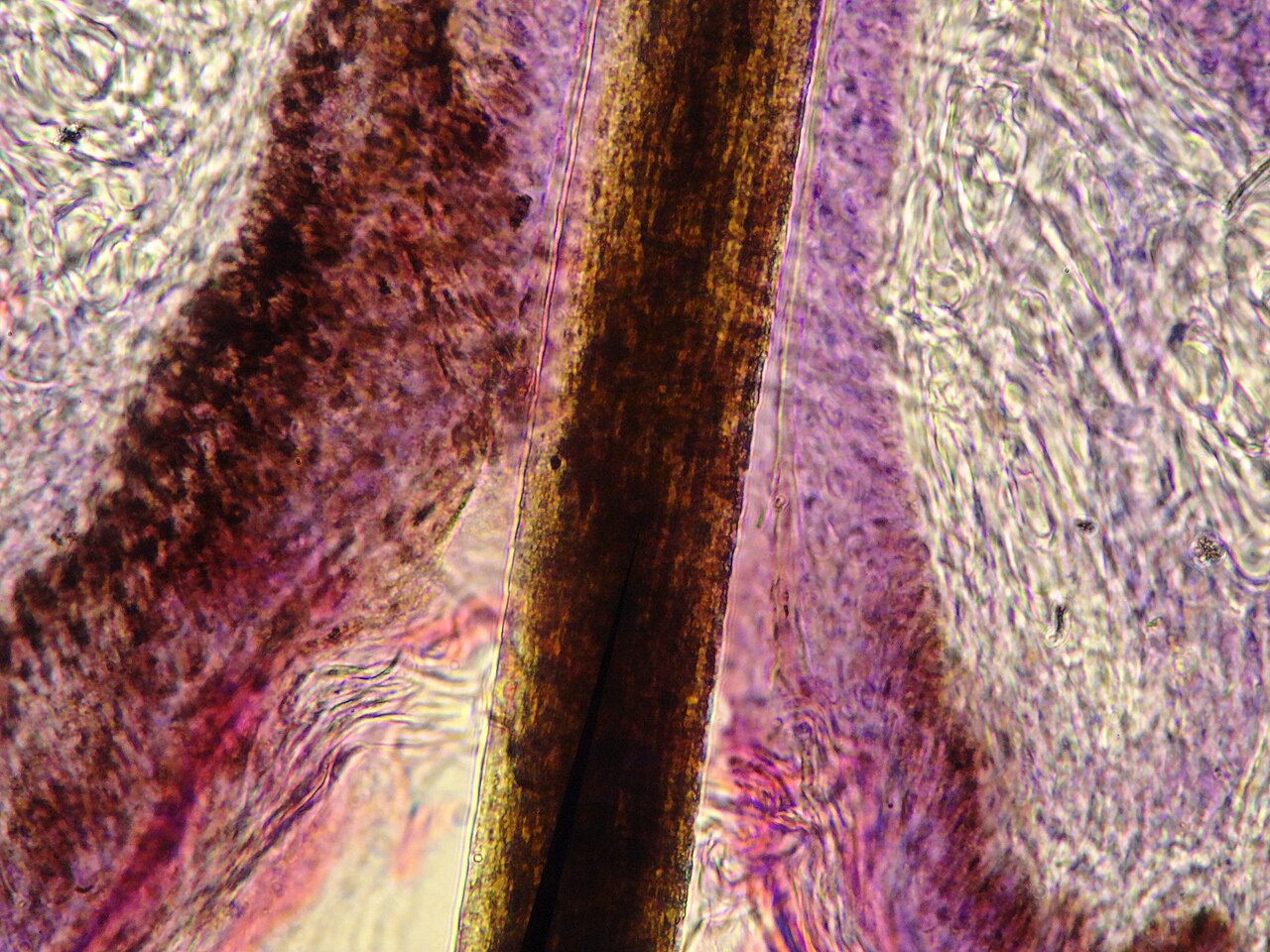
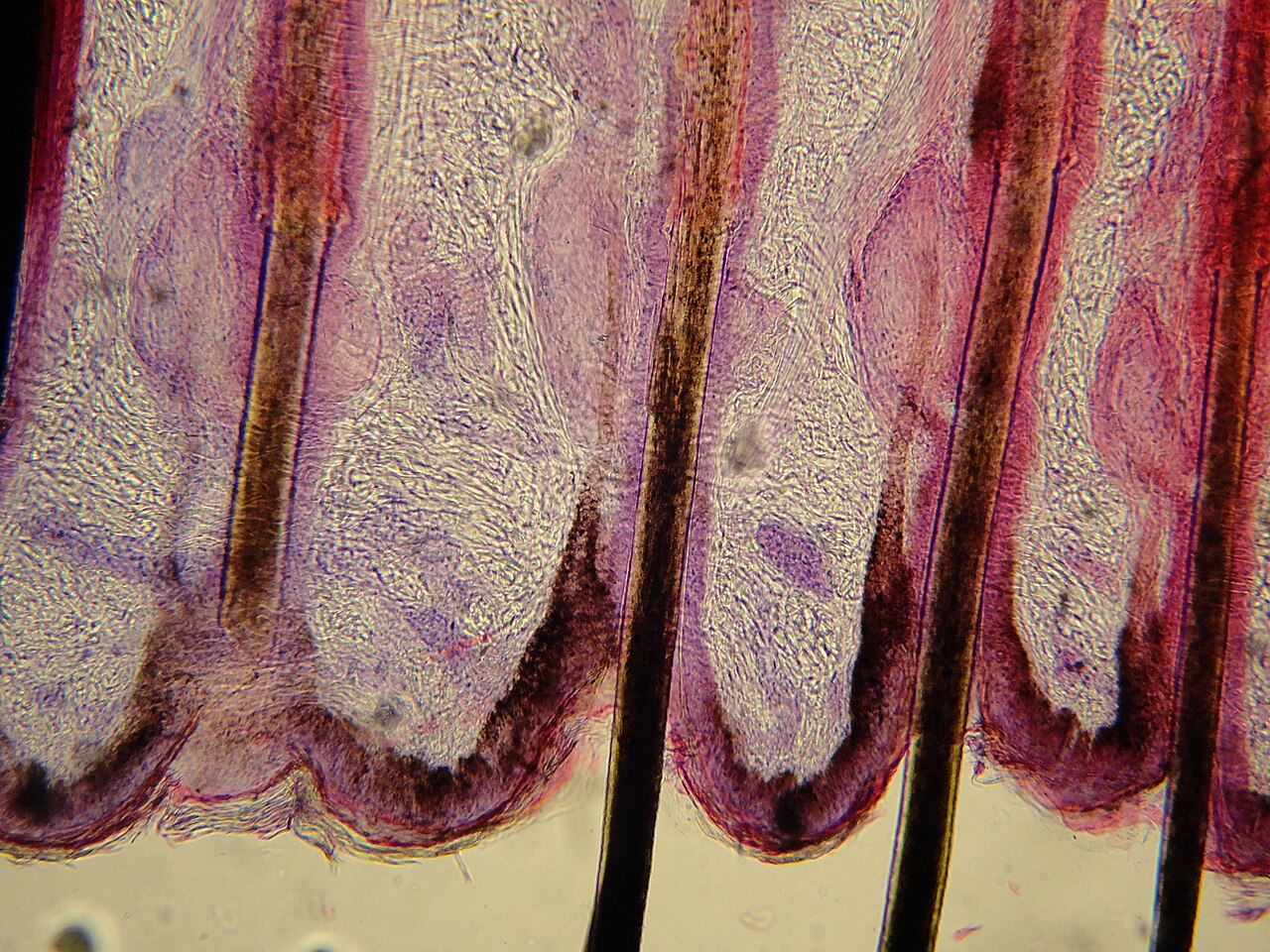
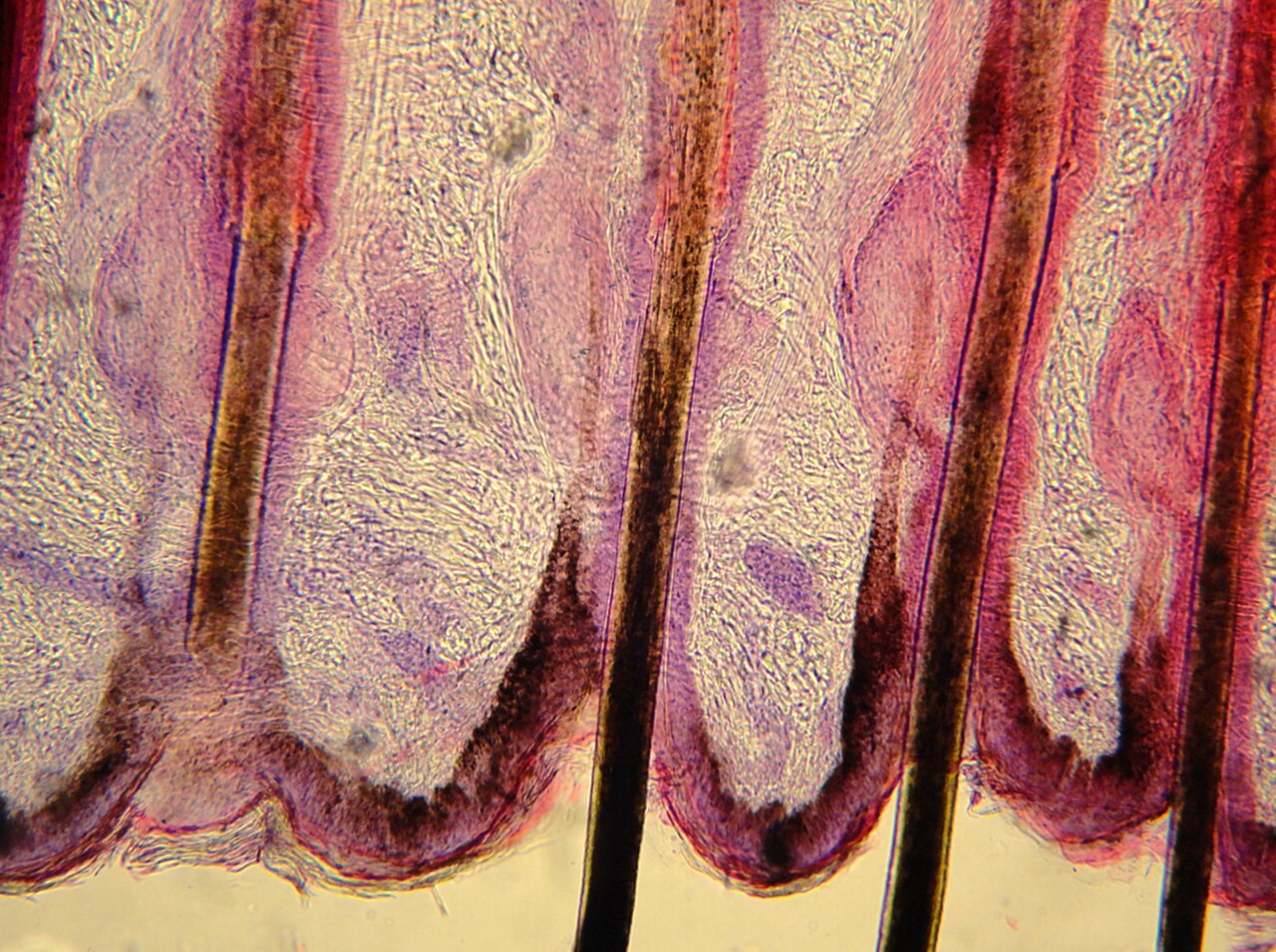
The gene expression profiling studies have also highlighted the importance of the hair follicle stem cell niche in regulating hair growth, a finding that is both intuitive and surprising, given the complex, dynamic nature of the scalp environment. The work of Tumbar and colleagues, published in the journal Cell, has shown that the hair follicle stem cell niche is characterized by a unique community of cells, which seem to play a critical role in regulating the expression of genes involved in hair follicle development. This is interesting, because it suggests that targeting the hair follicle stem cell niche may be a viable strategy for promoting hair growth, and it's an area that I think holds great promise for the development of novel treatments.
As we look to the future, it's clear that the gene expression profiling studies have provided a critical foundation for the development of novel treatments, and it's an area that I think will continue to evolve and mature in the coming years. The 2030 hair cure timeline is an ambitious one, but it's not unreasonable to think that we may see significant progress in the next decade, as researchers continue to understand the complexities of gene expression in balding scalps. One potential timeline could involve the development of novel therapeutics targeting the Wnt/β-catenin and PI3K/Akt signaling pathways, as well as the scalp microbiome and hair follicle stem cell niche, and it's possible that we may see the first wave of these treatments emerging in the mid-2020s, with further refinement and optimization occurring in the years that follow. Ultimately, the goal of a 2030 hair cure will require a sustained, collective effort from researchers, clinicians, and industry partners, but as we continue to push the boundaries of our understanding, I am cautiously optimistic that we may one day be able to offer patients a truly effective, long-term solution for hair loss.
Clinical Trial Evidence & Research Figures
8 Figures Available
References & Clinical Data
- Prostaglandin D2 inhibits hair growth and is elevated in bald scalp , Garza LA, et al. (Science Translational Medicine, 2012)
- Hair follicle stem cells and their niche , Rompolas P, Greco V (Journal of Investigative Dermatology, 2014)
- Exosome-based therapy in hair follicle regeneration , Rajendran RL, et al. (Cells, 2020)
- JAK inhibitors in the treatment of alopecia areata , Craiglow BG, King BA (Journal of Investigative Dermatology, 2015)