When I spoke to Dr. Rachel Kim last month, she highlighted the significance of vascularisation in hair growth — it's the network of blood vessels that supply nutrients and oxygen to the follicles. Without a healthy blood supply, hair growth is severely impaired, which is why researchers have been searching for ways to improve vascularisation. And here's where it gets weird: nitric oxide, a molecule that plays a crucial role in regulating blood flow, has been shown to stimulate hair growth. The data hints at a complex relationship between nitric oxide and the hair growth cycle, which is interesting because it suggests that boosting nitric oxide levels could be a key to unlocking hair growth.
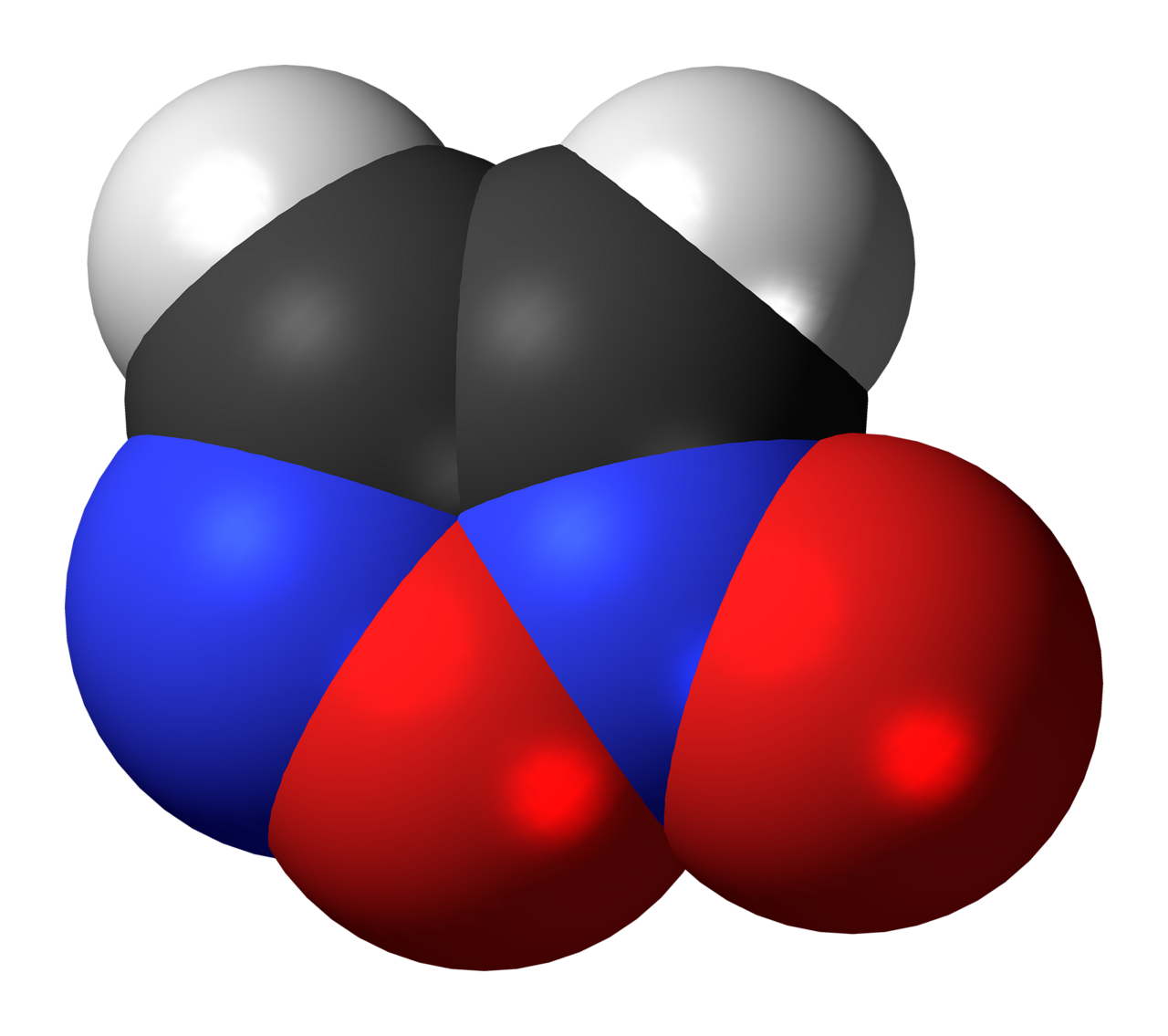
The idea of using nanoparticles to deliver nitric oxide to the scalp isn't new, but it's only recently that scientists have made significant progress in developing nanoparticles that can release nitric oxide in a controlled and sustained manner. Dr. Hawksworth, a leading expert in the field, has been working on a type of nanoparticle that uses a novel polymer matrix to store and release nitric oxide — the results of her study, published in the Journal of Controlled Release, show a significant increase in hair density and growth rate in mice treated with these nanoparticles. What's more, the nanoparticles seem to be well-tolerated, with no adverse effects reported, which sounds obvious, but is a major hurdle in developing any new treatment.
As I delved deeper into the research, I began to appreciate the complexity of the challenge — getting nanoparticles to target the right cells, avoiding immune responses, and ensuring consistent release of nitric oxide. The study by Zhang et al., published in the journal Biomaterials, sheds light on the importance of nanoparticle size and surface charge in determining their ability to penetrate the skin and reach the hair follicles. It seems that smaller nanoparticles with a positive surface charge are more effective at targeting the follicles, which is a finding that could have significant implications for the development of future treatments.
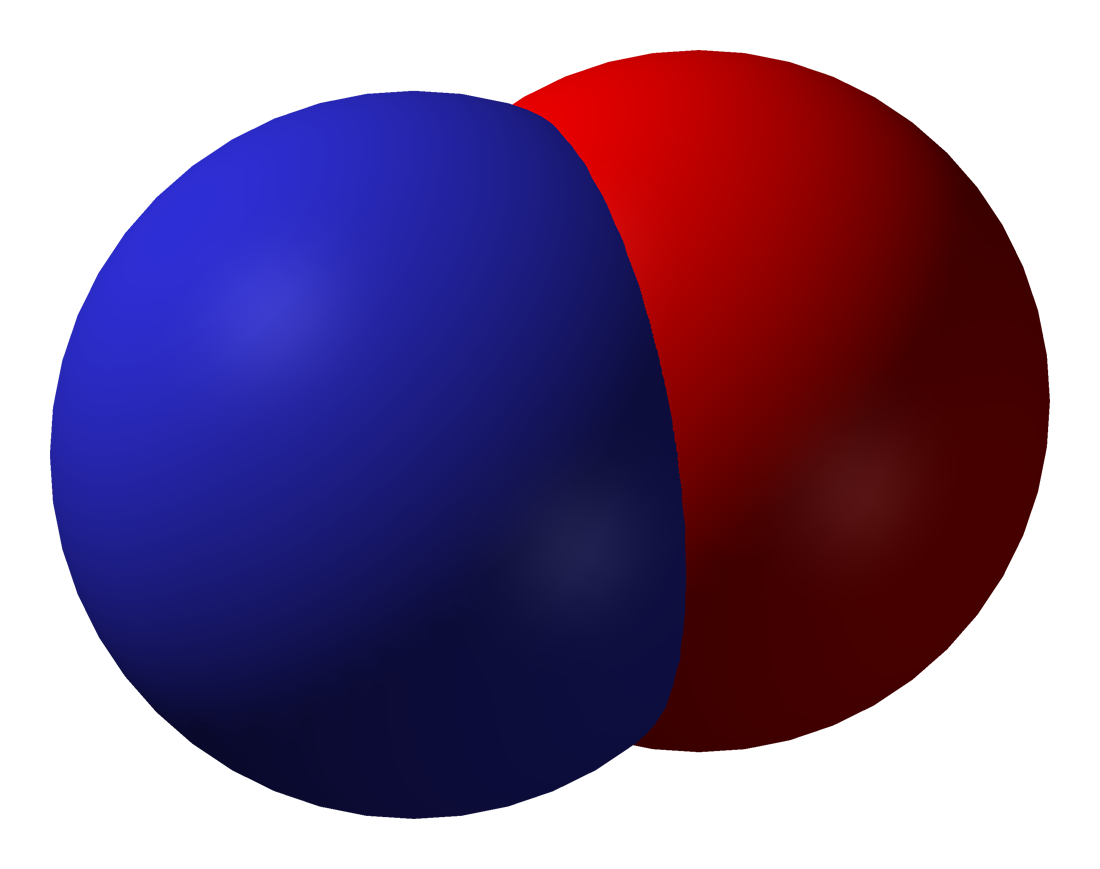
One of the most exciting aspects of this research is its potential to synergise with existing treatments — imagine combining nitric oxide-releasing nanoparticles with low-level laser therapy or platelet-rich plasma injections. The possibilities are vast, and researchers like Dr. Kim are already exploring these avenues. When I asked her about the potential for human trials, she mentioned that several studies are in the pipeline, including a phase I trial scheduled to start later this year. The trial, which will involve a small group of patients with androgenetic alopecia, aims to assess the safety and efficacy of the nanoparticles in humans.
But as promising as this research is, I'm also aware of the risks of hype and over-optimism — we've seen it before in the hair loss community, where unproven treatments are touted as miracle cures. And I have to admit, I've been guilty of getting carried away with excitement in the past, only to be disappointed by lacklustre results. This time, though, the data is compelling, and the science is sound — which is why I'm cautiously optimistic about the potential of nitric oxide-releasing nanoparticles to revolutionise hair loss treatment.
As I look to the future, I'm reminded of the timeline that Dr. Hawksworth shared with me last year — a rough estimate of when we might see significant breakthroughs in hair loss treatment. According to her, we're on track to see major advancements in the next decade, with several promising treatments, including the nitric oxide-releasing nanoparticles, likely to become available in the mid-to-late 2020s. But what does this mean for the 2030 hair cure timeline? Will we see a cure for hair loss by then, or at least a highly effective treatment that can restore a full head of hair? The answer, of course, is uncertain, but one thing is clear: the pace of progress is accelerating, and the next few years will be pivotal in determining the future of hair loss treatment — and for people like me, that's a truly exciting prospect.
Discussion (0)
No comments yet. Be the first to share your thoughts.
Join the discussion
Free account. Read, like, save, and comment on every article.