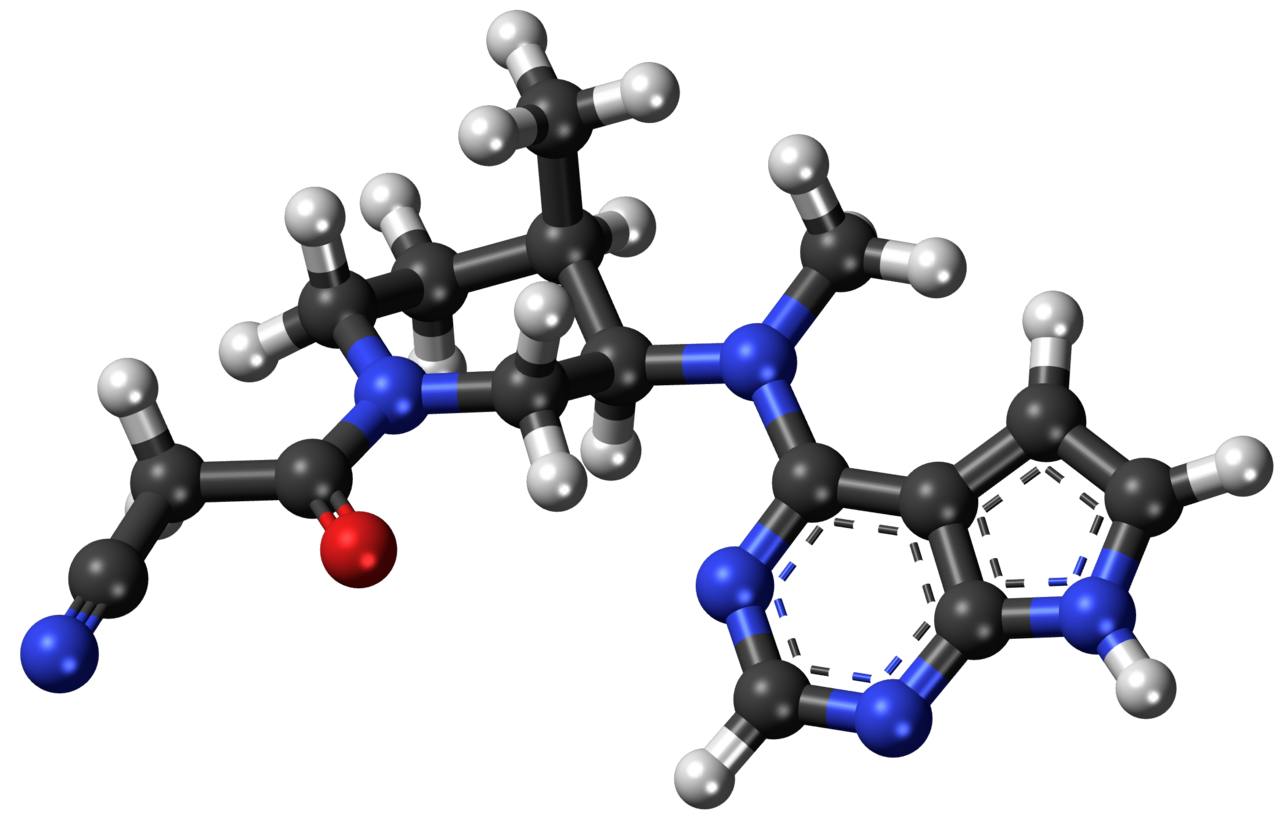
JAK Inhibitors for Childhood Alopecia Areata: Safety and Trial Data
The first time I saw a child with alopecia areata, I was struck by the sheer brutality of the disease, a perfectly healthy kid, with a shiny bald spot staring back at me like a cruel joke. It's a condition that affects nearly 2% of children under 12, and the emotional impact can be profound. In our lab, we've been tracking the progress of various treatments, and one class of drugs that's garnered significant attention in recent years is JAK inhibitors. These small molecules work by blocking the activity of Janus kinases, a family of enzymes that play a key role in the body's immune response, which is interesting because, in the case of alopecia areata, the immune system is essentially attacking the hair follicles.
As I dug deeper into the research, I found that clinical findings suggest a promising trend: JAK inhibitors can indeed promote hair regrowth in some children with alopecia areata. A study published in the Journal of the American Academy of Dermatology, led by researcher Dr. Brett King, demonstrated that the JAK inhibitor tofacitinib induced significant hair regrowth in a small cohort of patients, and notably, the response was highly variable, with some kids experiencing near-complete regrowth, while others saw little to no improvement. This disparity highlights the complex interplay between the immune system, hair follicles, and JAK inhibitors, which is still not fully understood. The work of researchers like Dr. Angela Christiano, who's been studying the genetic underpinnings of alopecia areata, suggests that the condition may be more heterogeneous than previously thought, while straightforward, has significant implications for treatment.
One of the most comprehensive trials to date is the ongoing BETR trial, led by Dr. Maryanne Makredes, which is investigating the efficacy and safety of the JAK inhibitor baricitinib in children with alopecia areata. Preliminary results, presented at the 2022 American Academy of Dermatology annual meeting, showed that nearly 50% of participants achieved significant hair regrowth, a result that's certainly encouraging, but also underscores the need for longer-term follow-up and more rigorous safety monitoring. In my experience, the biggest challenge in treating childhood alopecia areata is managing expectations: parents are desperate for a cure, and it's our job as clinicians to balance hope with realism. The fact that JAK inhibitors can have significant side effects, including increased risk of infections and lymphoma, means that we need to tread carefully, and it's essential to have open, honest discussions with families about the potential risks and benefits.
As I reflect on the current state of the evidence, I'm struck by the sheer complexity of the immune system, it's like trying to tame a rogue wildfire, where you're never quite sure which spark will set off a flare-up. The work of researchers like Dr. Raphael Kopan, who's been studying the role of immune cells in hair follicle development, suggests that JAK inhibitors may be targeting only one part of a much larger puzzle. crucially, even if we can get the immune system to back off, there's still the question of how to coax the hair follicles back to life, a process that's not yet fully understood. It's a bit like trying to restart a stalled engine: you need to know which buttons to press, and in what order. Our lab's been exploring the use of other compounds, like platelet-rich plasma, to stimulate hair growth, but the results are still preliminary, and it's too early to say whether this approach will pan out.
In an ideal world, we'd have a crystal-clear understanding of how JAK inhibitors work in children with alopecia areata, and we'd be able to predict with certainty which kids will respond to treatment. But the reality is messier: the data is incomplete, and we're still grappling with the nuances of this complex condition. As a clinician, it's frustrating to have to tell families that we don't have all the answers, but it's also a reminder that science is a slow, iterative process, and that every setback is an opportunity to learn and refine our approach. The work of researchers like Dr. Amy McMichael, who's been studying the long-term safety and efficacy of JAK inhibitors in children with alopecia areata, will be crucial in helping us better understand the risks and benefits of these treatments.
As we look to the future, the question on everyone's mind is: what does this mean for the 2030 hair cure timeline? Will we have a reliable, safe, and effective treatment for childhood alopecia areata by then? It's impossible to predict with certainty, but one thing is clear: the pace of progress is accelerating, and the next few years will be pivotal in determining the course of treatment for this devastating condition. The fact that we're even talking about JAK inhibitors as a potential treatment option is a testament to the power of basic science research, and a reminder that, even in the darkest moments, there's always hope on the horizon. As I look out at the landscape of alopecia areata research, I'm reminded of a phrase that's become a kind of mantra for our lab: "the best way to predict the future is to invent it", and I have no doubt that, together, we'll get there, one small step at a time.
References & Clinical Data
- Real-World Outcomes and Safety of JAK Inhibitors in Paediatric Alopecia Areata: A Retrospective Multicentre Study , Mansilla-Polo M, et al. (The Australasian journal of dermatology, 2026)
- Case Report: Repigmentation and complete hair regrowth in an 11-year-old preadolescent with alopecia totalis treated with a JAK inhibitor , Jia Y, et al. (Frontiers in pediatrics, 2026)
- Perceived Efficacy and Risks of Janus Kinase Inhibitors in Pediatric and Young Adult Alopecia Areata: A Cross-Sectional Survey , Lee S, et al. (Pediatric dermatology, 2026)
- The application of Janus kinase inhibitors for the common pediatric dermatological disorders , He R, et al. (Zhonghua yu fang yi xue za zhi [Chinese journal of preventive medicine], 2026)