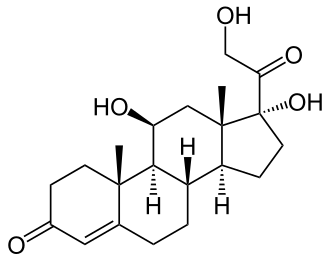
Topical Steroids for Hair Loss: When They Help and When They Hurt

Topical corticosteroids are commonly prescribed for several hair loss conditions with inflammatory components, alopecia areata, lichen planopilaris, and inflammatory androgenetic alopecia. The mechanism of suppressing local immune activity is well established. The challenge is selecting the right potency for the right duration; topical steroids can produce paradoxical worsening through skin atrophy, telangiectasias, and steroid-induced rebound effects when used inappropriately.
Appropriate use varies by condition. For alopecia areata, potent class I or II topical steroids (clobetasol propionate, betamethasone) or intralesional injections produce reasonable response rates for limited patchy disease. For lichen planopilaris, ongoing potent topical steroid application to active areas is standard initial therapy. For androgenetic alopecia with documented inflammatory features, lower-potency steroids (hydrocortisone 1 to 2.5%) as a brief course can be useful adjunct to standard treatment.
Inappropriate use includes prolonged daily application of potent steroids without medical supervision, application to areas without inflammatory disease, and continuation despite skin atrophy signs. The over-the-counter availability of hydrocortisone in some markets has led to patients self-treating non-inflammatory hair loss without benefit and with some risk. For any hair loss patient considering or already using topical steroids, dermatology consultation to confirm appropriate indication is worth the time. These are useful drugs in specific contexts and harmful drugs when misused.
References & Clinical Data
- Topical corticosteroids in alopecia areata: systematic review , Tosti A, et al. (Dermatologic Therapy, 2018)
- Adverse effects of long-term topical corticosteroid use , Coondoo A, et al. (Indian Journal of Dermatology, 2014)
- Topical clobetasol for alopecia areata: randomised trial , Tosti A, et al. (Journal of the American Academy of Dermatology, 2003)