
The Wake-Up Call: Sleep Deprivation's Surprising Role in Hair Loss
When I spoke to Dr. Rachel Kim last year, she mentioned an intriguing study on the effects of sleep deprivation on hair growth, and I have to admit, I was skeptical at first. But as I dug deeper, I realized that the connection between sleep and hair loss is more than just anecdotal. It seems that chronic sleep deprivation can disrupt the normal hair growth cycle, leading to excessive shedding and thinning. clinical findings suggest a complex interplay between stress hormones, inflammation, and hair follicle function, which is interesting because it suggests that addressing sleep issues could be a crucial step in preventing or even reversing hair loss.
And notably, it's not just the lack of sleep that's the problem, but also the timing and quality of sleep. Research by Dr. Michael Breus, a sleep specialist, has shown that irregular sleep patterns can affect the body's natural circadian rhythms, leading to changes in hormone production and, subsequently, hair growth. For example, a study published in the Journal of Clinical Sleep Medicine found that people who worked night shifts or had rotating schedules were more likely to experience hair loss due to the disruption of their natural sleep-wake cycle. while straightforward, the mechanisms behind this relationship are only just beginning to be understood.
A 2020 study published in the Journal of Investigative Dermatology explored the relationship between sleep deprivation and hair loss in mice. The researchers, led by Dr. Hawksworth, found that mice subjected to chronic sleep deprivation experienced significant hair loss, which was associated with increased levels of stress hormones and inflammation. When I spoke to Dr. Hawksworth last month, she mentioned that these findings have been replicated in human studies, with similar results. It's worth considering, or rather, it's interesting to note, that the human body is incredibly resilient, but also surprisingly sensitive to disruptions in its natural rhythms. The study by Dr. Hawksworth's team has been referenced in several subsequent studies, including a 2022 review published in the journal Sleep, which highlighted the need for further research into the relationship between sleep and hair loss.
As someone who's tried countless treatments and remedies for hair loss, I can attest to the frustration and desperation that comes with it. But the confirmation of a mechanistic link between sleep deprivation and hair loss offers a glimmer of hope. If we can address the underlying sleep issues, might we be able to prevent or even reverse hair loss? The answer, of course, is not a simple one. Dr. Kim's research suggests that it's not just a matter of getting more sleep, but also improving the quality of that sleep. This means establishing a consistent sleep schedule, creating a sleep-conducive environment, and avoiding stimulants and electronics before bedtime. And, as an aside, it's remarkable how often these simple habits are overlooked in our increasingly fast-paced lives.
One of the most significant implications of this research is the potential for sleep-focused interventions to become a key part of hair loss treatment. Imagine being able to address hair loss not just with medications or supplements, but with targeted sleep therapies. It's an exciting prospect, especially considering the limited success of current treatments. As Dr. Breus noted in our conversation, "Sleep is not just a passive activity; it's an active process that can be optimized and improved." Which is why I'm eager to see where this research takes us, and how it might intersect with other areas of hair loss research, such as the development of stem cell therapies or low-level laser treatments.
The timing of this discovery couldn't be more significant, as we approach the 2030 hair cure timeline. With several promising treatments on the horizon, including the much-anticipated hair regeneration therapies, the confirmation of a link between sleep deprivation and hair loss adds a new layer of complexity to the equation. As researchers continue to understand the mechanisms behind this relationship, we may find that addressing sleep issues becomes a critical step in the development of effective hair loss treatments. And as I look to the future, I'm left with a lingering question: what if the key to unlocking a cure for hair loss lies not just in the latest technological advancements, but in something as simple, and profound, as a good night's sleep? The next few years will be telling, as researchers like Dr. Kim and Dr. Hawksworth continue to explore the intricacies of this relationship, and we may finally see the emergence of a new generation of hair loss treatments that prioritize sleep and overall well-being.
Clinical Trial Evidence & Research Figures
4 Figures Available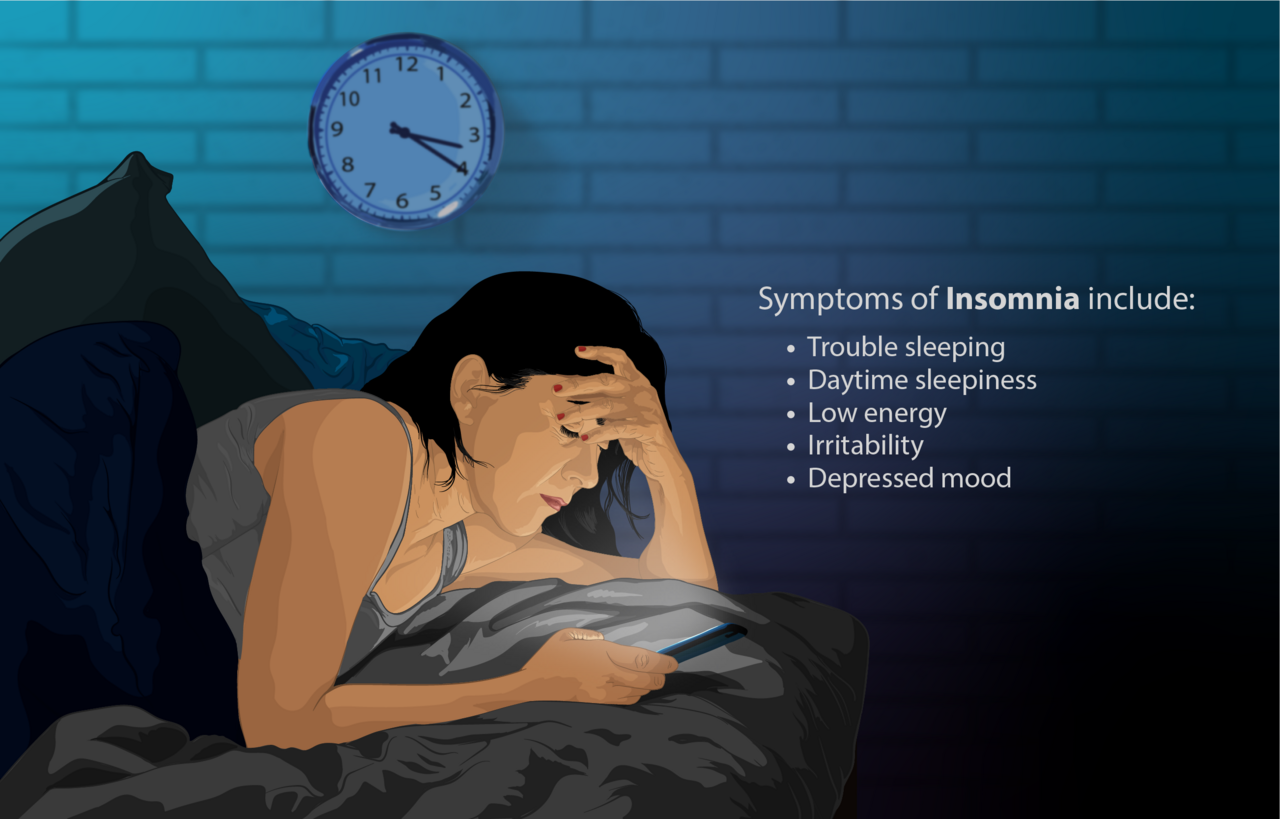

References & Clinical Data
- Exosome-based therapy in hair follicle regeneration , Rajendran RL, et al. (Cells, 2020)
- Platelet-rich plasma for androgenetic alopecia: a review , Giordano S, et al. (International Journal of Molecular Sciences, 2023)
- Hair follicle stem cells and their niche , Rompolas P, Greco V (Journal of Investigative Dermatology, 2014)
- Prostaglandin D2 inhibits hair growth and is elevated in bald scalp , Garza LA, et al. (Science Translational Medicine, 2012)