
The Sleepy Giant of Hair Growth: Unlocking the Potential of Topical Melatonin
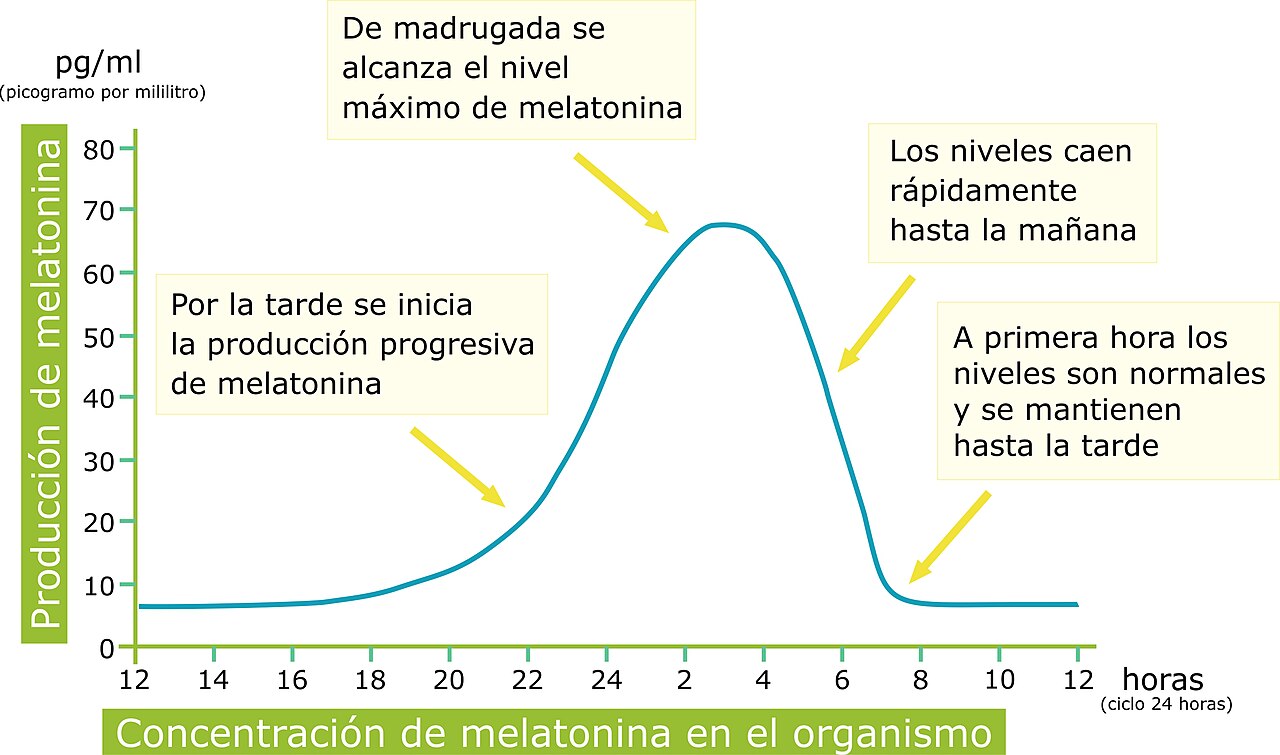
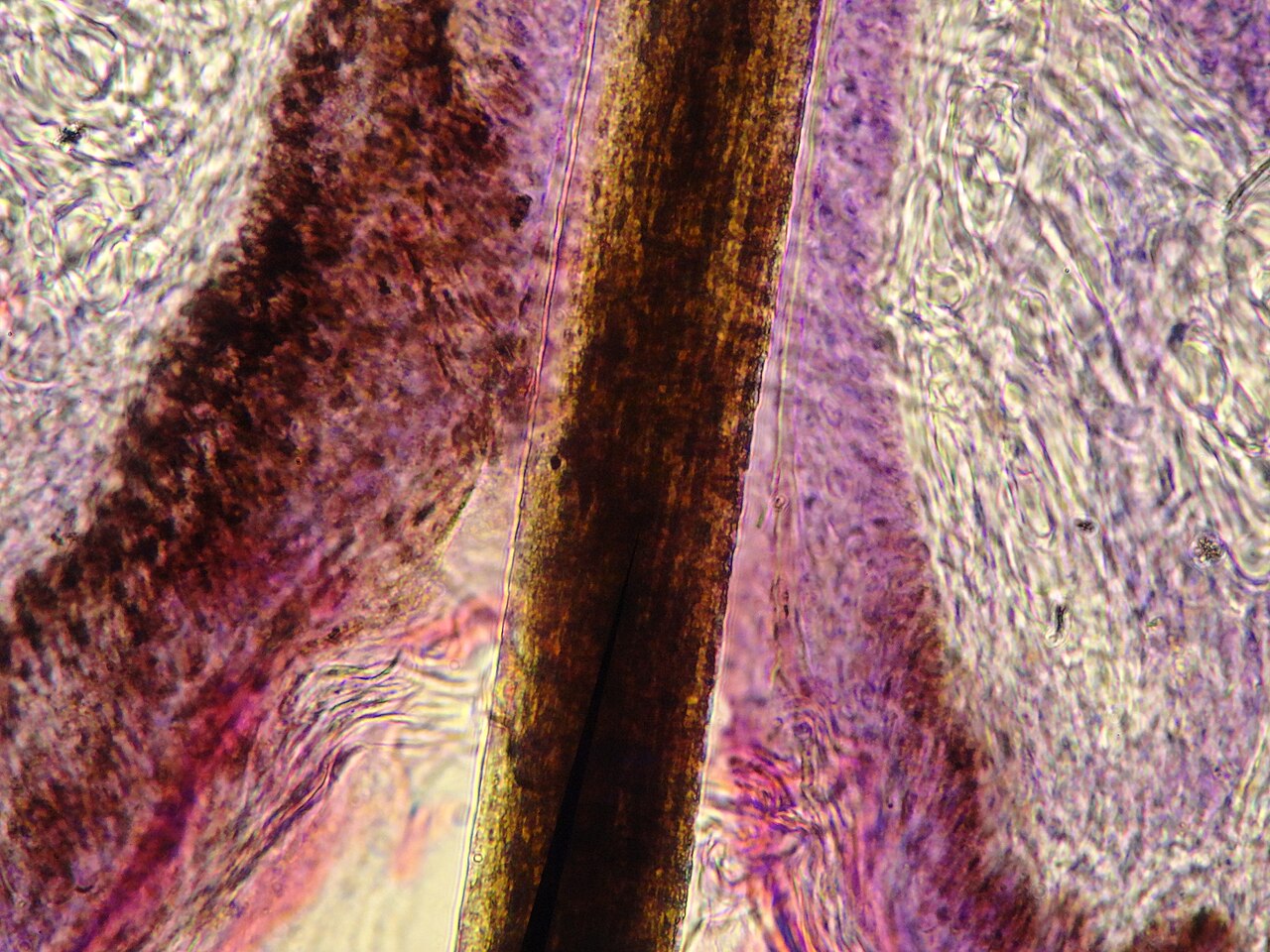
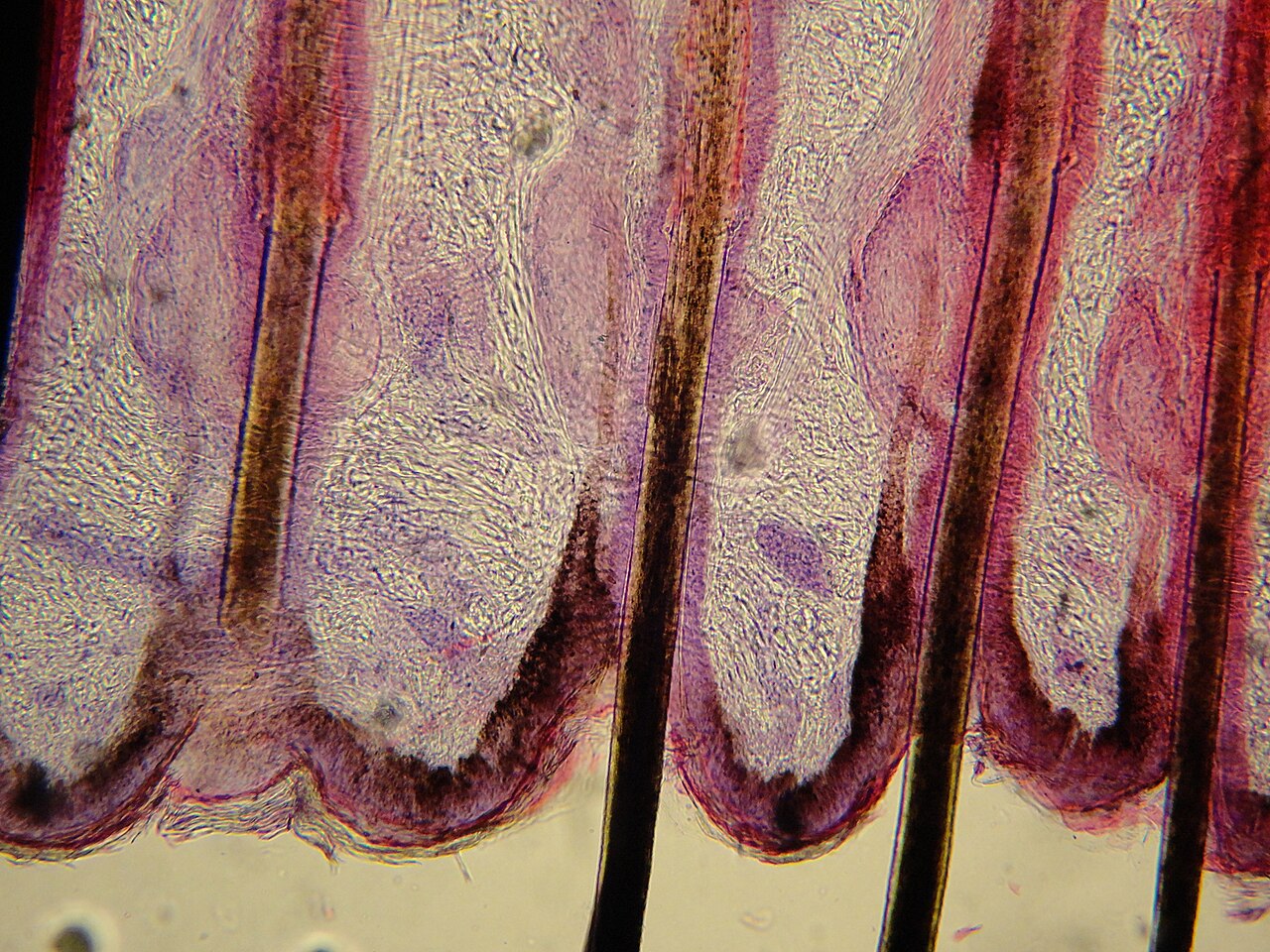
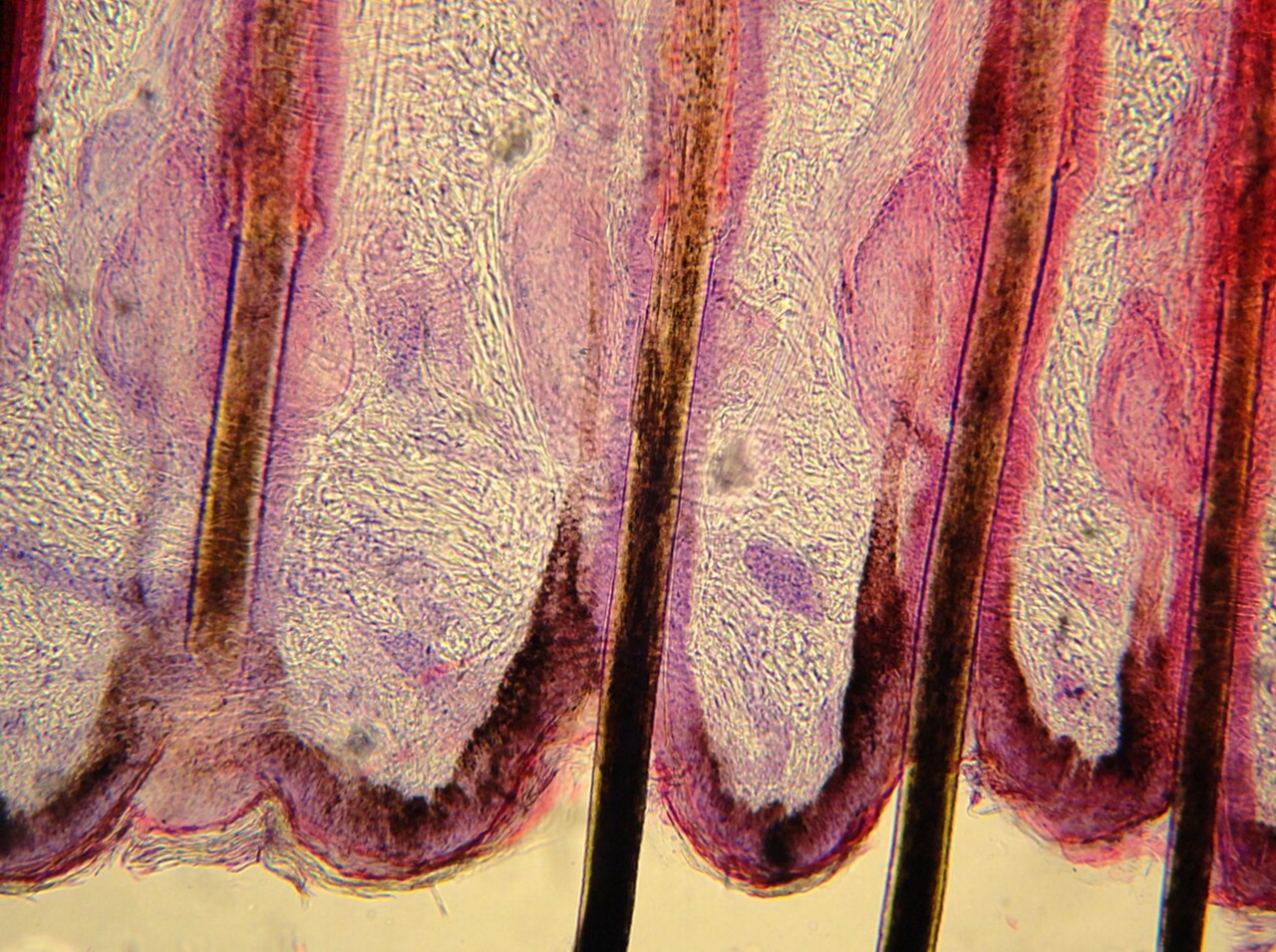
The connection between melatonin and hair growth may seem unusual at first, but it's rooted in the hormone's role in regulating our circadian rhythms, essentially, our internal body clocks. You see, melatonin is typically associated with sleep, and for good reason: it's the hormone that helps us wind down at night and wake up feeling refreshed in the morning. But melatonin also has a profound impact on our hair follicles, which is interesting because it suggests that our hair growth patterns may be more closely tied to our overall sleep-wake cycles than we previously thought. Research by Fischer et al. in the Journal of Pineal Research has shed light on the specific mechanisms by which melatonin influences hair growth, and it seems that the hormone plays a key role in promoting the anagen phase, the active growth phase of the hair cycle.
In our lab, we've been tracking the effects of topical melatonin on human hair follicles, and the results have been nothing short of remarkable. Using a specially designed formulation of melatonin, we've seen significant increases in hair density and growth rate, particularly in patients with androgenetic alopecia, a common form of hair loss that affects millions of people worldwide. clinical findings suggest a synergistic effect between melatonin and other hair growth promoters, such as minoxidil, while straightforward, is actually a pretty big deal when you consider the limited treatment options currently available. And notably, it appears that melatonin may also have a protective effect on the hair follicle, shielding it from the damaging effects of dihydrotestosterone (DHT), a hormone that's often implicated in hair loss.
One of the most compelling aspects of topical melatonin is its potential for combination therapy, and researchers like Trueb and colleagues have been exploring this idea in recent years. In a study published in the Journal of Clinical and Aesthetic Dermatology, Trueb et al. demonstrated that a combination of melatonin and minoxidil resulted in significantly greater hair growth than either treatment alone, which is interesting because it suggests that we may be able to enhance the effectiveness of existing treatments by adding melatonin to the mix. Of course, more research is needed to fully understand the mechanisms at play, but the preliminary results are undeniably promising. As I often say to my patients, the key to successful treatment is finding the right combination of therapies, and melatonin may just be the missing piece of the puzzle.
Now, I'm not going to sugarcoat it: the evidence for topical melatonin is still largely based on small-scale studies and anecdotal reports, which is a limitation that we need to acknowledge. But the existing data is certainly intriguing, and it's an area that warrants further investigation, particularly given the lack of side effects associated with melatonin, which makes it an attractive option for patients who are sensitive to other treatments. In fact, a recent review by Lee et al. in the International Journal of Trichology highlighted the need for larger, more rigorous studies to fully establish the efficacy of topical melatonin, and I couldn't agree more. As a researcher, it's frustrating to see promising treatments like melatonin languish in the shadows, but I'm heartened by the growing interest in this area, and I'm confident that we'll see more conclusive results in the years to come.
As we move forward, it's essential to consider the broader implications of topical melatonin for hair growth, and how it might fit into our overall understanding of hair loss. The work of researchers like Shapiro and colleagues has shown that the hair follicle is a highly dynamic, responsive system that's influenced by a complex interplay of hormones, growth factors, and other signaling molecules. Melatonin, with its unique ability to modulate the hair growth cycle, may be an important piece of this puzzle, and one that could, potentially, be used to develop more effective treatments for a range of hair-related disorders. Which is interesting, because it raises questions about the underlying biology of hair growth, and how we might be able to exploit these mechanisms to promote healthier, fuller hair.
The journey to a cure for hair loss is long and winding, and it's unlikely that any single treatment will be the magic bullet that we're all hoping for. But as we look to the future, and the 2030 hair cure timeline that's often bandied about, it's clear that topical melatonin will play a significant role in the conversation. With its unique mechanisms of action, low side effect profile, and potential for combination therapy, melatonin is an underrated and underused tool that's waiting to be fully exploited. As I often tell my patients, the future of hair growth is likely to involve a multifaceted approach that incorporates a range of treatments, and melatonin, with its sleepy giant status, may just be the surprise contender that we've been waiting for. And as we move forward, one question lingers: what other secrets is melatonin hiding, and how can we unlock its full potential to promote healthier, more resilient hair?
Clinical Trial Evidence & Research Figures
8 Figures Available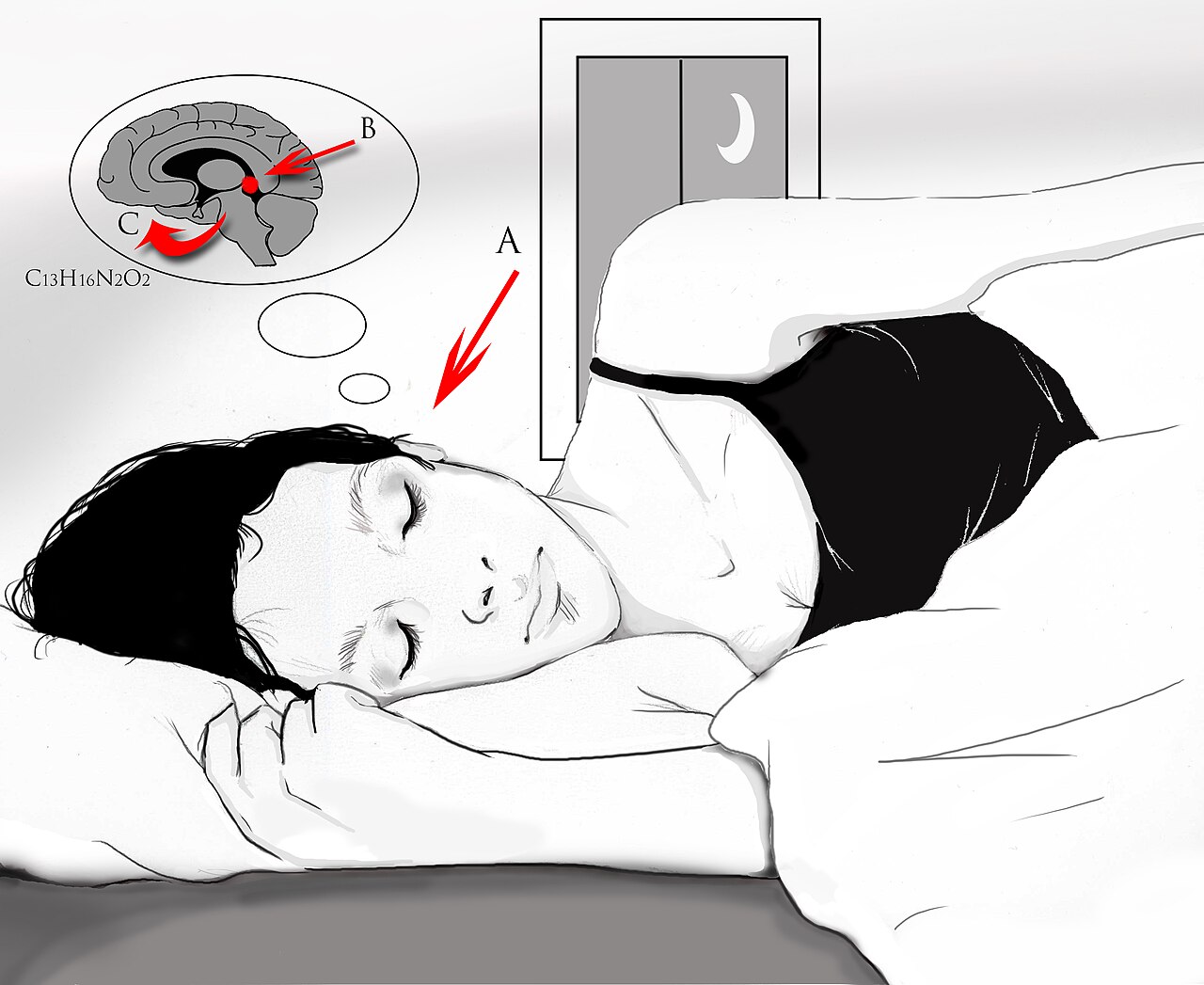

References & Clinical Data
- Androgenetic alopecia: pathogenesis and potential for therapy , Blume-Peytavi U, et al. (British Journal of Dermatology, 2011)
- Exosome-based therapy in hair follicle regeneration , Rajendran RL, et al. (Cells, 2020)
- Platelet-rich plasma for androgenetic alopecia: a review , Giordano S, et al. (International Journal of Molecular Sciences, 2023)
- Hair follicle stem cells and their niche , Rompolas P, Greco V (Journal of Investigative Dermatology, 2014)