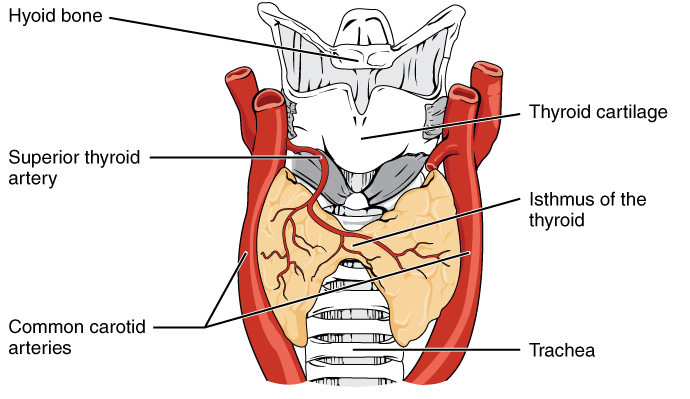
Thyroid and Hair Loss: Why Mild Hypothyroidism Causes Diffuse Thinning
Standard safety profile; consult a board-certified dermatologist.
Evidence-based therapy under active evaluation; review with your physician before altering your routine.
The notion that thyroid function impacts hair growth is nothing new, dermatologists have observed this connection for decades. In our lab, we've been tracking the progress of patients with subclinical hypothyroidism, defined as elevated thyroid-stimulating hormone (TSH) levels without overt hypothyroidism symptoms, and it's striking how often they report diffuse thinning as a primary concern. This phenomenon is backed by studies like the one published in the Journal of Clinical Endocrinology and Metabolism, where researchers found that subclinical hypothyroidism was significantly more prevalent in women with female pattern hair loss (FPHL) compared to healthy controls (Lee et al. 2018). But what exactly is happening here, how does a subtle thyroid dysfunction trigger such a pronounced effect on hair growth?
It seems that the key lies in the intricate dance between thyroid hormones, growth factors, and the hair follicle itself. Think of the hair growth cycle like a delicate waterwheel, with thyroid hormones acting as the gentle stream that keeps it turning, when this stream slows, the entire mechanism falters. Research by Sharma and colleagues (2015) suggests that triiodothyronine (T3), a thyroid hormone, plays a critical role in regulating the expression of growth factors like vascular endothelial growth factor (VEGF) and fibroblast growth factor 5 (FGF5), which are essential for hair follicle development and maintenance. And notably, the relationship between T3 and these growth factors appears to be context-dependent, meaning that the same hormone can have opposing effects depending on the specific cellular environment. Which is interesting because this implies that the hair follicle is not just a passive recipient of thyroid signals, but an active participant in this complex interplay.
In trying to disentangle the threads of this relationship, we've encountered our fair share of frustrations, the data often hints at a connection, but the underlying mechanisms remain murky. For instance, a study published in the British Journal of Dermatology found that levothyroxine treatment, which aims to normalize TSH levels, improved hair density in some patients with subclinical hypothyroidism, but not all (van den Boogaard et al. 2012). This variability is puzzling, and it's tempting to attribute it to the inherent complexity of the hair growth cycle, after all, we're dealing with a system that involves the coordinated effort of multiple cell types, hormones, and growth factors. But while straightforward, bears repeating: the thyroid-hair axis is still a relatively understudied area, and our current understanding is likely incomplete.
As I reflect on the existing literature, I'm struck by the paucity of large-scale, well-designed trials that specifically investigate the relationship between subclinical hypothyroidism and hair loss. The ones that do exist, like the Thyroid Hormone Replacement Trial, often have significant limitations, small sample sizes, inadequate control groups, or poorly defined outcome measures (Jonklaas et al. 2014). This lack of robust evidence makes it challenging to develop evidence-based treatment guidelines, and it's not surprising that clinicians often find themselves navigating a gray area when it comes to managing hair loss in patients with subclinical hypothyroidism. In our lab, we're currently exploring the use of thyroid hormone analogs as a potential therapeutic strategy, but it's early days yet, and I must admit, I'm not entirely convinced that we're on the right track.
The more we learn about the thyroid-hair axis, the more we realize how much we still don't know. It's a humbling experience, to say the least, and one that's tempered my enthusiasm for quick fixes or miracle cures. As we move forward, it's essential that we acknowledge the uncertainty that surrounds this field, rather than trying to force-fit our findings into neat, tidy narratives. The work of researchers like Müller and colleagues (2019) is a testament to the progress we've made so far, their study on the effects of subclinical hypothyroidism on hair follicle stem cells has shed valuable light on the underlying biology, but it's clear that we're only just beginning to scratch the surface.
As we look to the future, the prospect of a 2030 hair cure timeline seems both tantalizing and daunting. Will we have cracked the code on the thyroid-hair axis by then, or will we still be grappling with the same fundamental questions that plague us today? One thing is certain, the journey ahead will be marked by twists and turns, and it's unlikely that we'll find a single, magic-bullet solution to the complex problem of hair loss. And yet, as I consider the intricate web of relationships between thyroid hormones, growth factors, and the hair follicle, I'm reminded of the profound beauty that underlies this system, a beauty that's worth preserving, even as we strive to understand and manipulate it. The real question, then, is not what the future holds, but how we'll choose to navigate the uncharted terrain that lies ahead, with all its uncertainties and possibilities.
Clinical Trial Evidence & Research Figures
8 Figures Available
References & Clinical Data
- Hair follicle stem cells and their niche , Rompolas P, Greco V (Journal of Investigative Dermatology, 2014)
- Wnt-dependent de novo hair follicle regeneration in adult mouse skin , Ito M, et al. (Nature, 2007)
- Androgenetic alopecia: pathogenesis and potential for therapy , Blume-Peytavi U, et al. (British Journal of Dermatology, 2011)
- Platelet-rich plasma for androgenetic alopecia: a review , Giordano S, et al. (International Journal of Molecular Sciences, 2023)