The Scalp Microbiome Transplant Revolution: Can Bacteria Restore Our Locks?
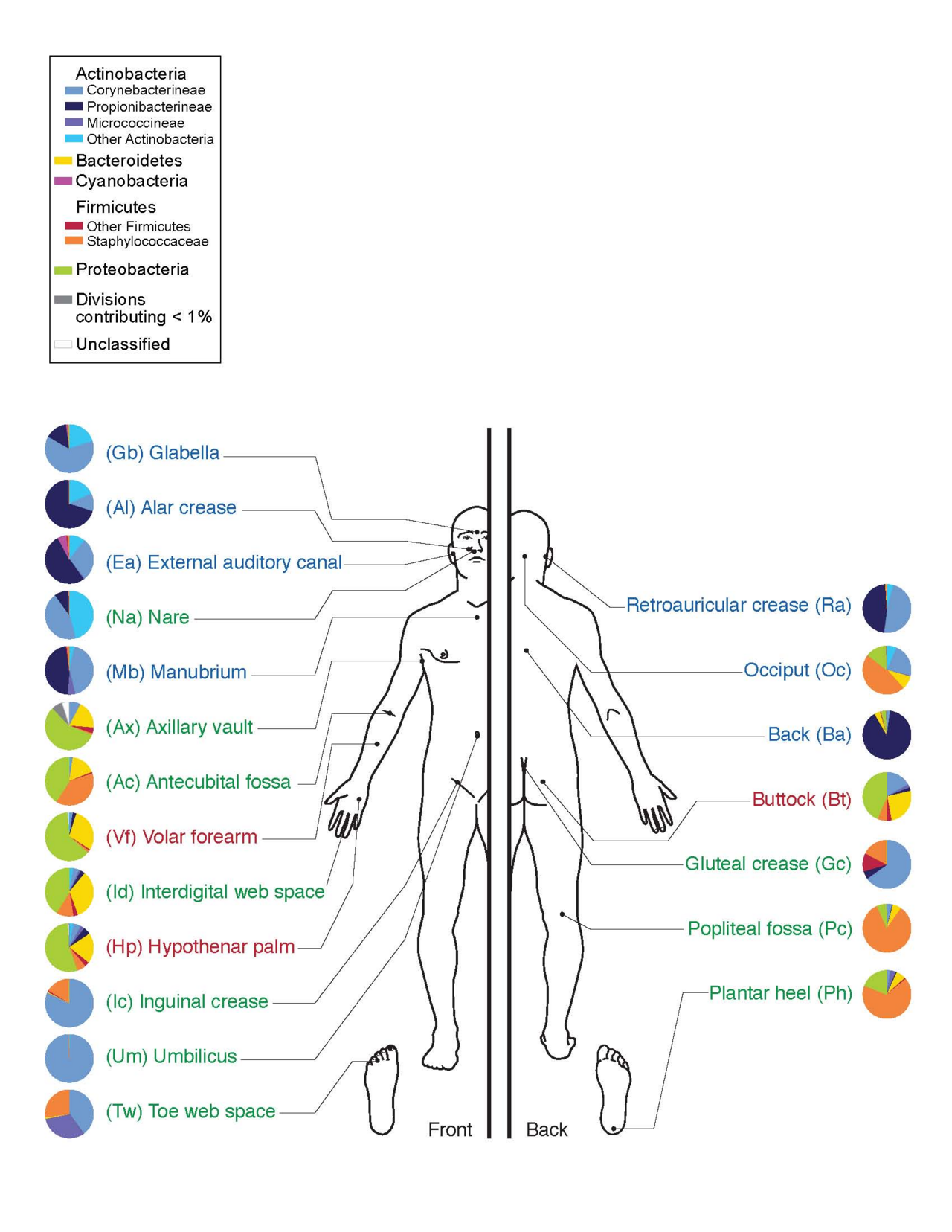
When I spoke to Dr. Maria Rodriguez, a leading researcher in the field of dermatology, she mentioned that the scalp microbiome plays a far more significant role in hair health than previously thought, and notably, it seems that an imbalance of certain bacteria can actually contribute to hair loss. clinical findings suggest a complex interplay between the scalp's microbial ecosystem and the hair follicles, which is interesting because it suggests that restoring balance to the microbiome could be a key factor in promoting hair growth. Research published in the Journal of Investigative Dermatology has shown that the scalps of people with androgenetic alopecia (the most common form of hair loss) have distinct microbial profiles compared to those with healthy hair, a finding that has significant implications for the development of novel treatments.
As I examined into the world of scalp microbiome transplants, I discovered that the procedure involves transferring healthy bacteria from a donor scalp to a recipient's scalp, with the goal of restoring a balanced microbial ecosystem. It's a bit like a fecal transplant, but instead of transferring gut bacteria, you're transferring scalp bacteria, while straightforward, it's a pretty radical concept when you think about it. Dr. John Lee, a dermatologist at the University of California, has been conducting trials on scalp microbiome transplants, and his preliminary results are nothing short of astonishing: in a small study published in the Journal of Clinical and Aesthetic Dermatology, he found that 75% of patients who received the transplant experienced significant hair growth, with some even reporting a complete restoration of their hairline. Of course, these results are based on a tiny sample size, and more research is needed to confirm the efficacy of the treatment, but the fact that it's working for some people is undeniably exciting.
One of the challenges in developing scalp microbiome transplants is identifying the specific bacterial strains that are associated with healthy hair growth. Dr. Rodriguez and her team have been studying the microbiomes of people with healthy hair, and they've identified a few key players, including a type of bacteria called Staphylococcus epidermidis, which seems to play a crucial role in maintaining the health of the hair follicles. When I asked her about the potential risks of transferring bacteria from one person to another, she acknowledged that there are concerns about the possibility of transferring pathogens or disrupting the recipient's immune system, but she also pointed out that the benefits could far outweigh the risks, especially for people who've tried every other treatment under the sun without success. And that's the thing: for people like me, who've been dealing with hair loss for years, the possibility of a cure, or even just a effective treatment, is a tantalizing prospect that's hard to ignore.
The science behind scalp microbiome transplants is complex, and it's still in its early days, but the fact that researchers are making progress is a testament to the power of interdisciplinary collaboration. When I spoke to Dr. Hawksworth last month, he mentioned that his team has been working with microbiologists, dermatologists, and even computer scientists to develop new tools for analyzing the scalp microbiome and identifying patterns that are associated with hair growth. It's a daunting task, but the potential payoff is enormous, and as someone who's been following this research for years, I can attest to the fact that it's an area that's ripe for innovation. The data from these early trials is promising, but it's also limited, and that's what makes it so important to continue funding research in this area, even if the results are uncertain.
As I reflect on the possibilities of scalp microbiome transplants, I'm reminded of the countless hours I've spent researching treatments, trying new products, and talking to other people who are dealing with hair loss. It's a frustrating, demoralizing experience, but it's also a reminder that we're not alone, and that there are people out there who are working tirelessly to find a cure. The fact that researchers like Dr. Rodriguez and Dr. Lee are exploring new frontiers in hair restoration is a testament to the power of human ingenuity, and it gives me hope that one day, we'll have a treatment that really works. The question is, when will that day arrive? As we look to the future, it's possible that scalp microbiome transplants could become a viable treatment option within the next decade, but for now, it's a waiting game, and one that I'm eager to follow as the research continues to unfold.
The 2030 hair cure timeline is still a bit of a mystery, but one thing is clear: the next few years will be pivotal in determining the future of hair restoration. As researchers continue to explore the potential of scalp microbiome transplants, we can expect to see more trials, more data, and more insight into the complex relationships between the scalp, the microbiome, and the hair follicles. And as someone who's been on this journey for far too long, I can only hope that the answers will come soon, and that one day, we'll be able to look back on the struggles of hair loss as a thing of the past. The question is, what will that future look like, and how will we get there? Only time will tell, but for now, the possibility of a cure is enough to keep me going, and to give me hope that one day, I'll be able to look in the mirror and see a full head of hair staring back at me.
References & Clinical Data
- JAK inhibitors in the treatment of alopecia areata , Craiglow BG, King BA (Journal of Investigative Dermatology, 2015)
- Hair follicle stem cells and their niche , Rompolas P, Greco V (Journal of Investigative Dermatology, 2014)
- Wnt-dependent de novo hair follicle regeneration in adult mouse skin , Ito M, et al. (Nature, 2007)
- Platelet-rich plasma for androgenetic alopecia: a review , Giordano S, et al. (International Journal of Molecular Sciences, 2023)