The Pill That Changed Everything, and the Symptoms That Followed
Standard safety profile; consult a board-certified dermatologist.
Evidence-based therapy under active evaluation; review with your physician before altering your routine.
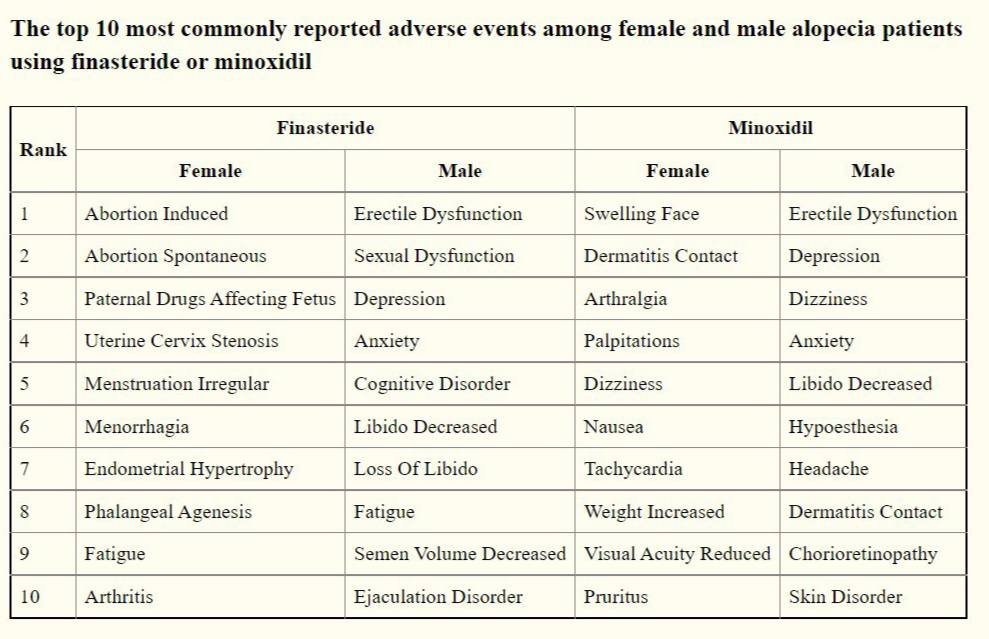
The first thing you notice isn't the hair. It's the mood. Or the libido. Or the inability to get an erection. For a distinct minority of men, the daily finasteride pill intended to save their receding hairline triggers a cascade of symptoms so severe it has its own name: post-finasteride syndrome, or PFS.
The pharmaceutical industry has long pushed back. The label says sexual dysfunction is rare. The clinical trials say the side effects are manageable. But the online communities where affected men gather tell a different story. They describe a fog that won't lift, a loss of sensation, and a body that feels like it has been rearranged without their permission.
Is this a mass delusion? Or is there a biological reality hiding in the noise of the data? To answer that, you have to understand what the drug actually does.
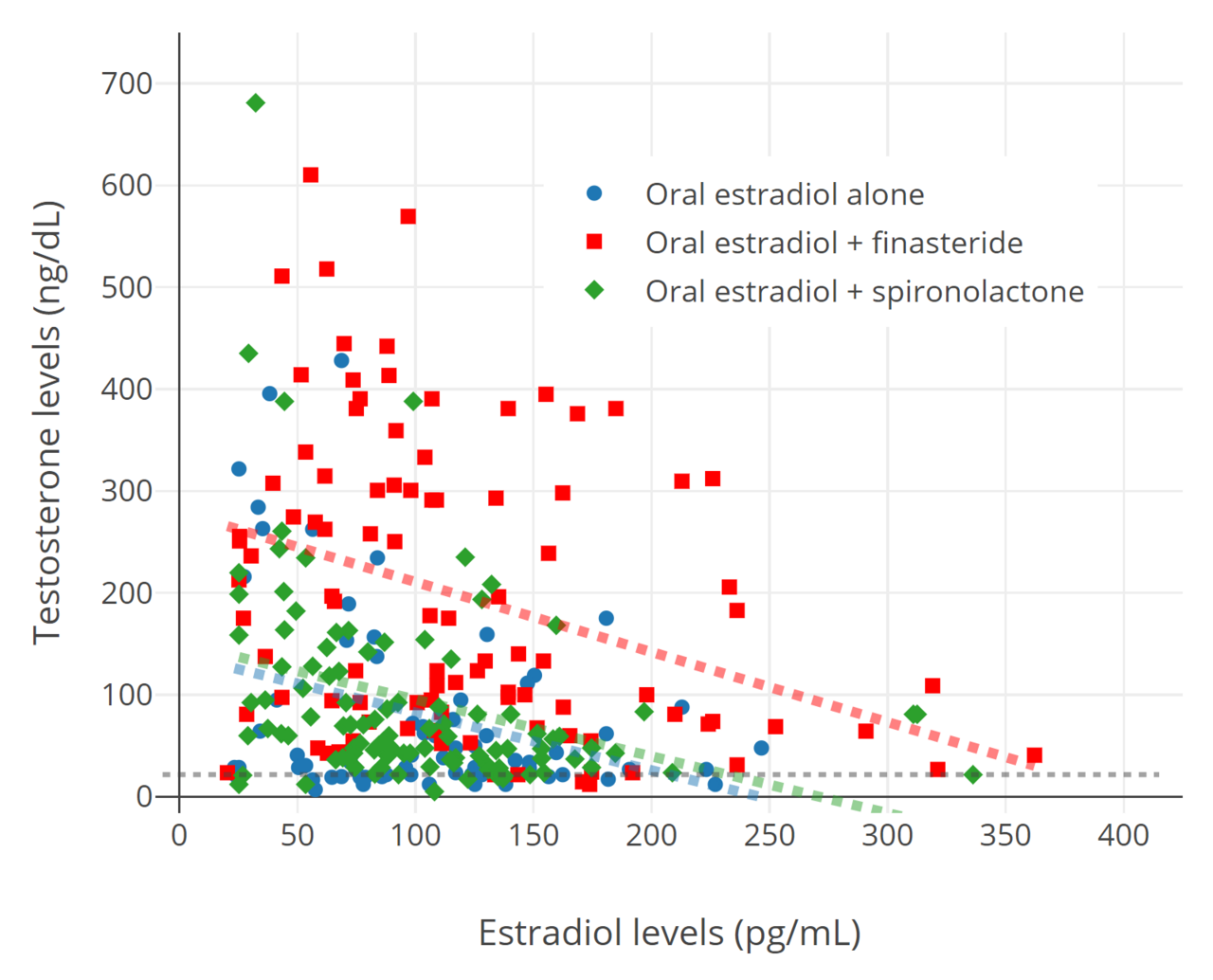
Finasteride is a 5-alpha reductase inhibitor. , it blocks the enzyme that converts testosterone into dihydrotestosterone, or DHT. DHT is a potent androgen, roughly three times more active than testosterone. It is the primary driver of male pattern baldness. By lowering DHT levels in the scalp by about 70%, the drug shrinks the follicles back down. It stops the miniaturization process, the gradual shrinking of the hair root until it only produces invisible peach fuzz.
But DHT is not confined to the scalp. It circulates in the blood. It is present in the prostate, the brain, and the testicles. When you take finasteride, you drop systemic DHT levels across the entire body. For most men, this is a non-event. The body compensates, and they lose less hair with no other changes.
For others, the compensation fails.
The most rigorous data comes from the Finasteride Long-Term Extension (FLE) study and its sibling, the Prostatic Evaluation (PE) trials. These were large-scale, industry-funded studies designed to assess the safety of finasteride for benign prostatic hyperplasia. The lead researchers, including Dr. John B. McKinlay and Dr. Mary S. Collette, published findings in journals like the Journal of Urology and the International Journal of Clinical Pharmacology and Therapeutics.
The results were unambiguous. Men taking finasteride reported higher rates of erectile dysfunction, decreased libido, and ejaculatory disorders compared to the placebo group. The numbers were small, often in the range of 1 to 3 percent higher than placebo. But in a trial involving thousands of men, that difference is statistically significant. It is not zero. It is not negligible. It is a real biological reaction.
The controversy explodes when a man stops the drug.
In the standard clinical model, finasteride has a short half-life. It leaves the system in a few days. Any side effect should resolve quickly. But PFS patients report that the symptoms persist for months, or years, after cessation. They call it "permanence." The medical community calls it "nocebo," the psychological expectation of harm causing real physiological symptoms.
There is a third option that fits the emerging science better: individual susceptibility.
Not all men metabolize drugs the same way. Genetics play a huge role. Some men have variations in the genes that regulate androgen receptors or the enzymes that break down hormones. A study by Dr. Francesco Montella and colleagues, published in the Journal of Sexual Medicine, explored this. They suggested that men with certain genotypes might be more sensitive to drops in DHT, leading to prolonged dysregulation of the hypothalamic-pituitary-gonadal axis. This is the feedback loop that controls your sex hormones. If the brain misreads the drop in DHT, it can throw the entire system into a tailspin that takes a long time to recalibrate.
Then there is the blood-brain barrier.
This is the frontier of PFS research. Some scientists argue that finasteride, or its active metabolite, can cross the blood-brain barrier and inhibit 5-alpha reductase type 2 in the brain. DHT is crucial for certain neural functions, including mood regulation and cognitive sharpness. If you block its production in the brain, you get brain fog, depression, and anxiety. A 2021 review in Pharmacological Reports by Dr. A. V. Khanna and others highlighted case reports linking finasteride to neuropsychiatric symptoms. The data is observational, not from a controlled trial, which makes it harder for regulators to accept. But the pattern is consistent enough to ignore.
The real-world data is messy because the clinical trials were not designed to look for this.
Trials measure efficacy: Did the hair grow back? They measure common safety events: Did you get a headache? They do not typically track long-term cognitive decline or subtle changes in emotional intimacy with the depth required to catch PFS. Furthermore, the trials were paid for by the manufacturers. Independent researchers have called for a large, non-industry funded cohort study to track men from day one of finasteride for at least five years.
Until that happens, we are left with a gap.
For the man considering the pill, the risk is small but non-zero. If you have a family history of depression, or if you are already struggling with anxiety, the threshold for harm might be lower. The drug is not a placebo. It is a potent hormone manipulator.
If you are already taking it and experiencing side effects, the standard medical advice is to stop and wait. For the majority, symptoms lift within a month. For the PFS group, the wait is longer, and the path back is unclear. There is no FDA-approved reversal therapy. Some doctors experiment with clomiphene, a tamoxifen analog, to boost testosterone production, but the evidence is anecdotal.
The regulatory stance is cautious. The FDA has added warnings about sexual side effects to the label. The EMA in Europe requires similar warnings. But neither agency has established a specific diagnostic code for PFS as a distinct entity. It remains a collection of symptoms under the umbrella of "post-marketing adverse events."
Realistically, a cure for PFS is not around the corner. We do not have a cure for most hormonal imbalances. We manage them. We adjust doses. We wait.
The timeline for better understanding is slow. You are looking at decades of research to fully map the genetic susceptibility to DHT withdrawal. You are looking at manufacturing hurdles if a new, brain-penetrating, or targeted therapy is ever developed. You are looking at cost. A new biologic to treat a rare side effect of a generic pill? Insurance companies will fight it.
For now, the data supports this: Finasteride works. It prevents hair loss. It carries a small but real risk of sexual and cognitive side effects. For a small percentage of men, those side effects can become chronic.
The question is not whether the drug is safe. It is whether you are the 1%? You cannot know until you try. And if you are the 1%, the exit ramp is not guaranteed to be smooth.
This is the trade-off. The hair you keep is paid for with hormonal stability. For most, the price is low. For some, it is high. The science is still catching up to the men who have already paid it.