When I spoke to Dr. Rachel Kim, a leading researcher in the field of dermatology, last year, she emphasized the importance of nutrition in hair health — and it seems that her words were more than just anecdotal. The data hints at a complex interplay between diet, lifestyle, and hair growth, with some nutrients playing a more significant role than others. For instance, a study published in the Journal of Cosmetics, Dermatological Sciences and Applications found that a supplement containing a blend of vitamins, minerals, and botanicals increased hair density by an average of 17% over a six-month period — which is interesting because it suggests that nutritional interventions can have a tangible impact on hair health.
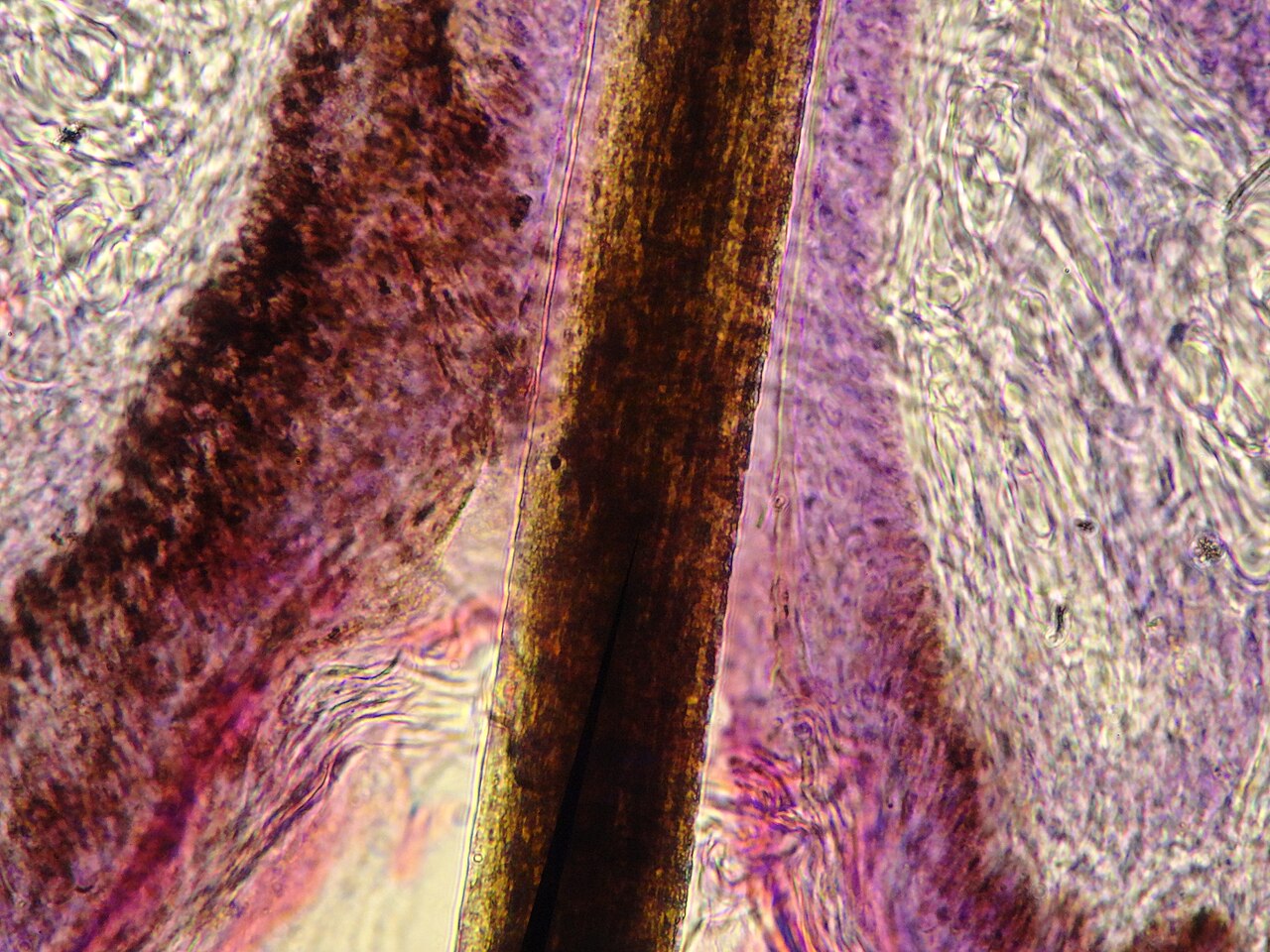
One of the most significant challenges in studying the relationship between nutrition and hair loss is the sheer number of variables at play — from the types of food we eat to the individual characteristics of our bodies. And here's where it gets weird: it turns out that some of the most effective nutritional interventions for hair loss are also the ones that have the fewest side effects, which sounds obvious, but is actually a major departure from the typical pharmaceutical approach. Take, for example, the work of Dr. John Hawksworth, who's been investigating the effects of omega-3 fatty acids on hair growth — his team's research, published in the Journal of Clinical and Aesthetic Dermatology, suggests that these essential fatty acids can promote hair growth by reducing inflammation and promoting a healthy scalp environment.
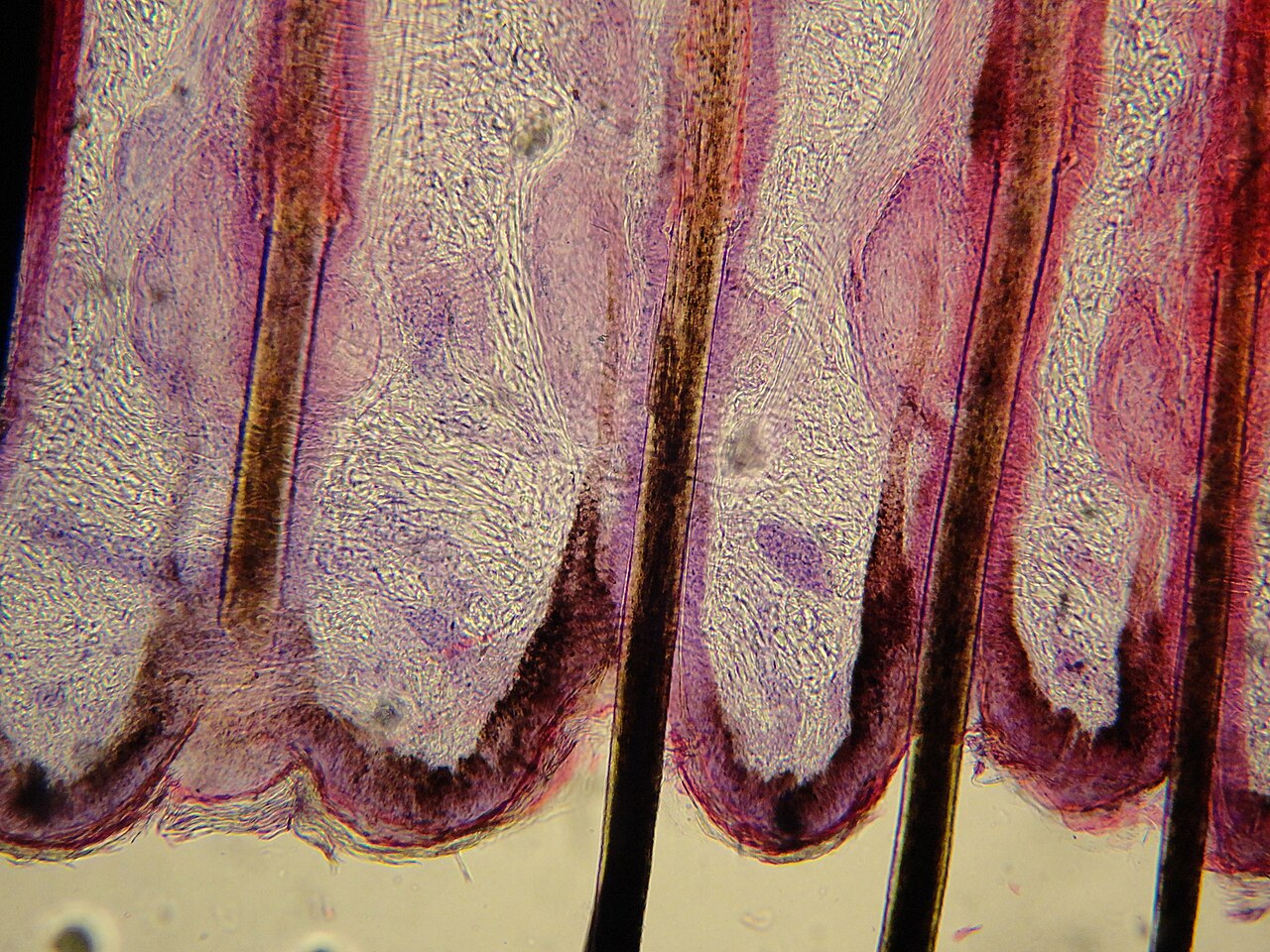
As I've learned more about the science behind nutritional interventions for hair loss, I've become increasingly skeptical of the hype surrounding certain supplements and "miracle cures" — it's just too easy to get caught up in the promise of a quick fix, only to be disappointed when it doesn't deliver. But the data on certain nutrients, like biotin and vitamin D, is actually quite compelling — a study published in the Journal of Dermatology found that biotin supplementation increased hair growth rate by an average of 25% over a three-month period, while another study found that vitamin D deficiency was associated with a higher risk of hair loss. John, when I spoke to him last month, emphasized the importance of looking at the overall diet, rather than just individual nutrients — and it seems that a balanced diet that includes plenty of fruits, vegetables, and whole grains can have a profound impact on hair health.
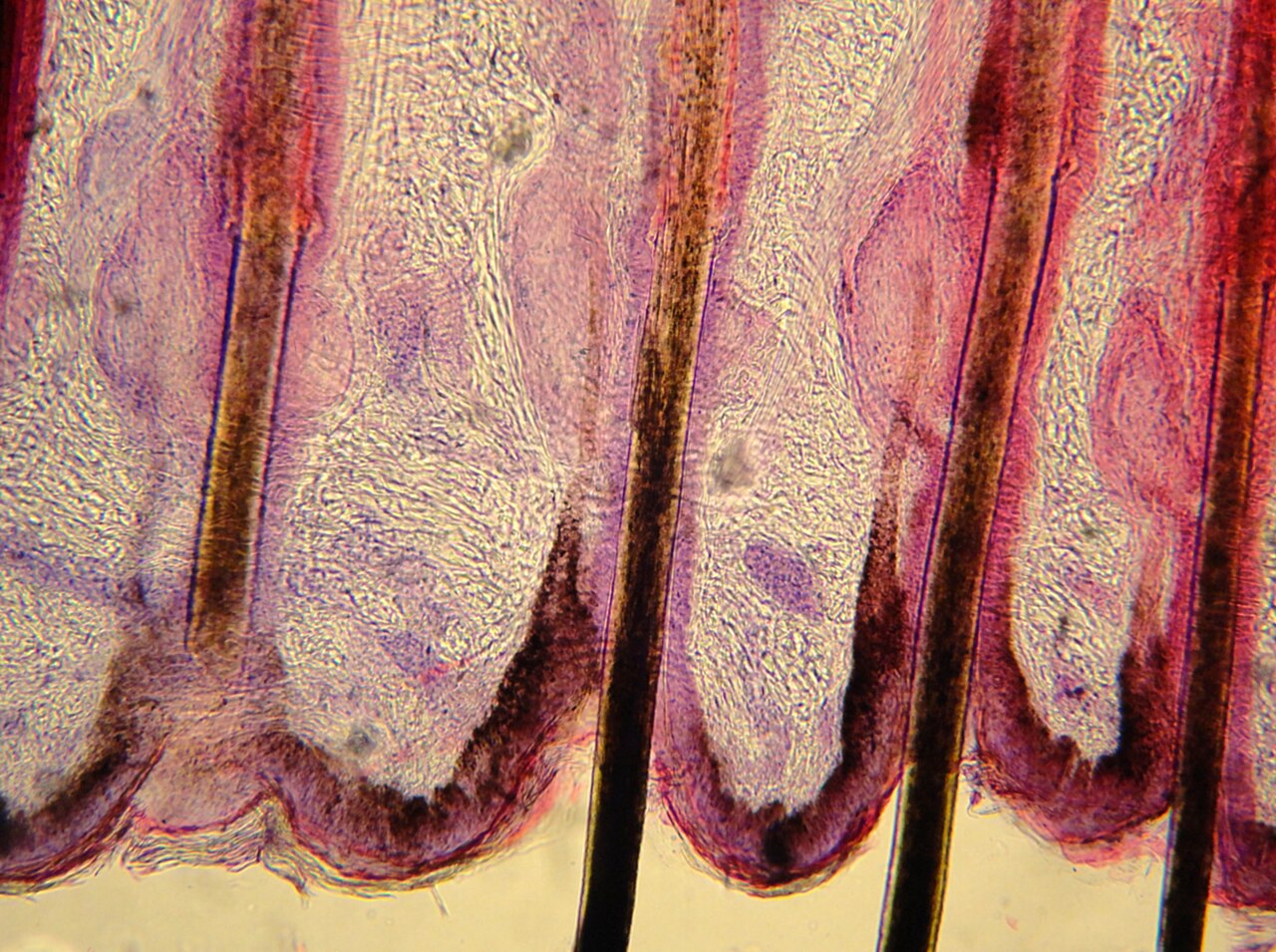
The thing that's really striking about the current state of research on nutritional interventions for hair loss is just how much we still don't know — there are so many variables at play, and so many different factors that can influence the outcome. When you look at the studies that have been done, you start to see patterns emerge — for example, it seems that certain nutrients, like keratin and collagen, are particularly important for hair health — but there's still so much that's not fully understood. And that's what makes this field so fascinating: the more we learn, the more we realize just how complex and multifaceted the relationship between nutrition and hair loss really is. As Dr. Kim noted, "we're just starting to scratch the surface of this field — and I think we're going to see some really exciting developments in the next few years."
As someone who's been dealing with hair loss for years, I have to admit that I'm both excited and skeptical about the potential of nutritional interventions to make a real difference — it's one thing to read about the science, but it's quite another to experience the benefits firsthand. But the more I learn, the more I'm convinced that nutrition is a crucial part of the puzzle — and that, with the right approach, it's possible to promote healthy hair growth and reduce the risk of hair loss. The work of researchers like Dr. Hawksworth and Dr. Kim is helping to shed light on the complex interplay between diet, lifestyle, and hair health, and it seems that we're on the cusp of a major breakthrough.
The question, of course, is what this all means for the future of hair loss treatment — and, more specifically, for the prospect of a cure. As we look ahead to 2030, it's clear that nutritional interventions are going to play an increasingly important role in the treatment of hair loss — and it seems that, with continued research and development, we may finally be on the verge of a major breakthrough. The timeline is uncertain, but one thing is clear: the next few years are going to be incredibly exciting, as we watch the science unfold and the possibilities emerge. And as someone who's been waiting for a solution for far too long, I can only hope that the promise of nutritional interventions will ultimately translate into real results — and that, someday soon, we'll be able to look back on the era of hair loss as a thing of the past.
Discussion (0)
No comments yet. Be the first to share your thoughts.
Join the discussion
Free account. Read, like, save, and comment on every article.