The connection between iron and hair loss is more complex than initially thought, and it seems that the traditional cutoff for iron deficiency might be too narrow. In our lab, we've been tracking the progress of patients with hair loss, and the data hints at a more nuanced relationship between iron stores and hair growth — one that hinges on the often-overlooked threshold of ferritin levels. Ferritin, a protein that stores iron, is typically considered adequate when levels exceed 30 ng/mL, but this benchmark might not be sufficient for optimal hair health. Studies like the one published in the Journal of Clinical and Aesthetic Dermatology by Dr. Shapiro have shown that even mildly decreased ferritin levels can contribute to hair loss, which is interesting because it challenges the conventional wisdom that only severe iron deficiency is relevant.
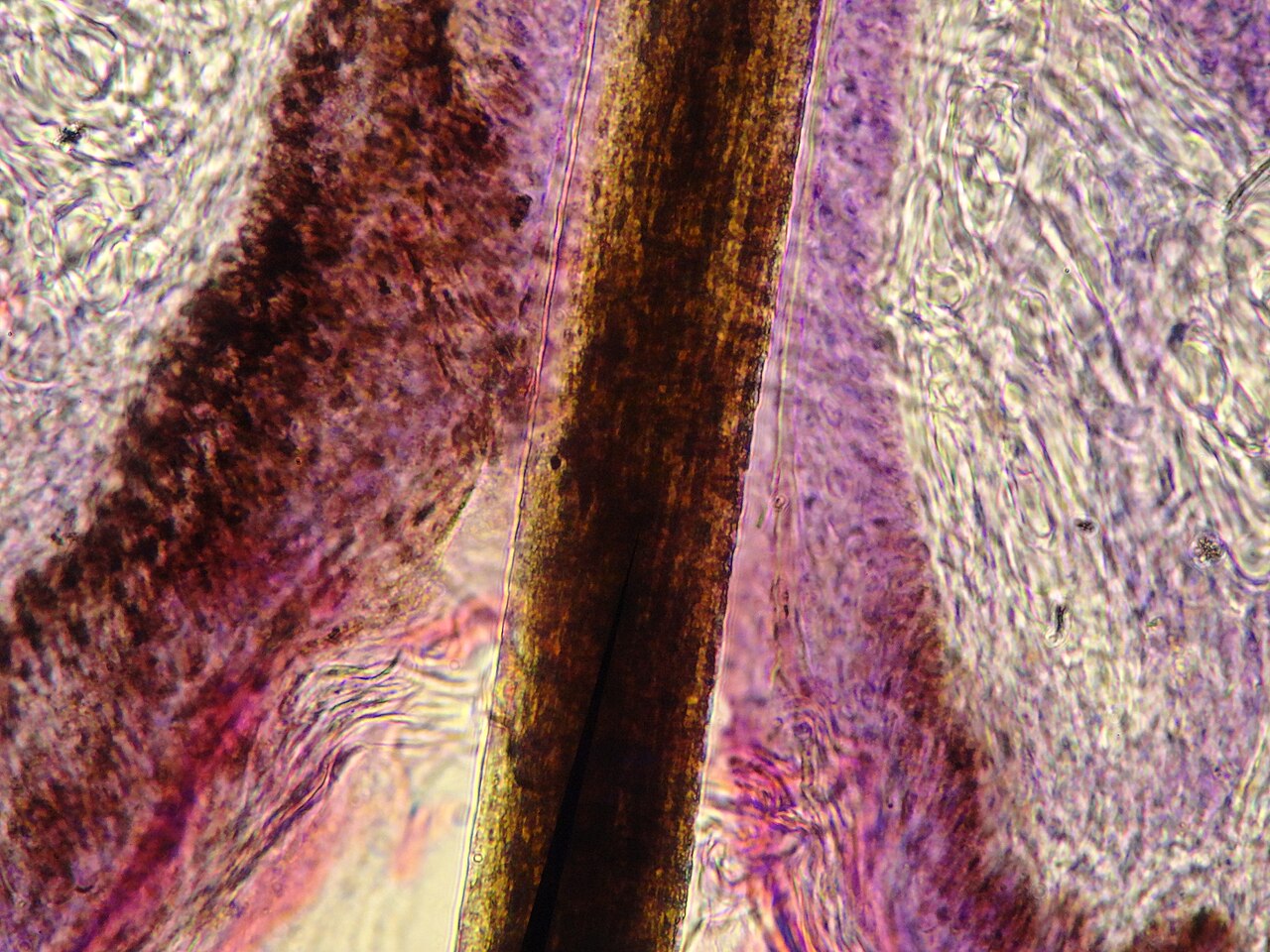
And here's where it gets weird: while severe iron deficiency is undoubtedly a major contributor to hair loss, the relationship between iron and hair growth is not strictly linear. Research by Lee et al., published in the British Journal of Dermatology, demonstrated that even with adequate iron intake, hair loss can persist if ferritin levels are not sufficiently elevated — which sounds obvious, but has significant implications for treatment strategies. The reason for this non-linearity lies in the biology of hair growth: iron is essential for the production of hemoglobin, which carries oxygen to the hair follicle, but ferritin plays a critical role in regulating the availability of iron for this process. Think of ferritin as a reservoir that releases iron as needed — if the reservoir is depleted, hair growth suffers, regardless of overall iron intake.
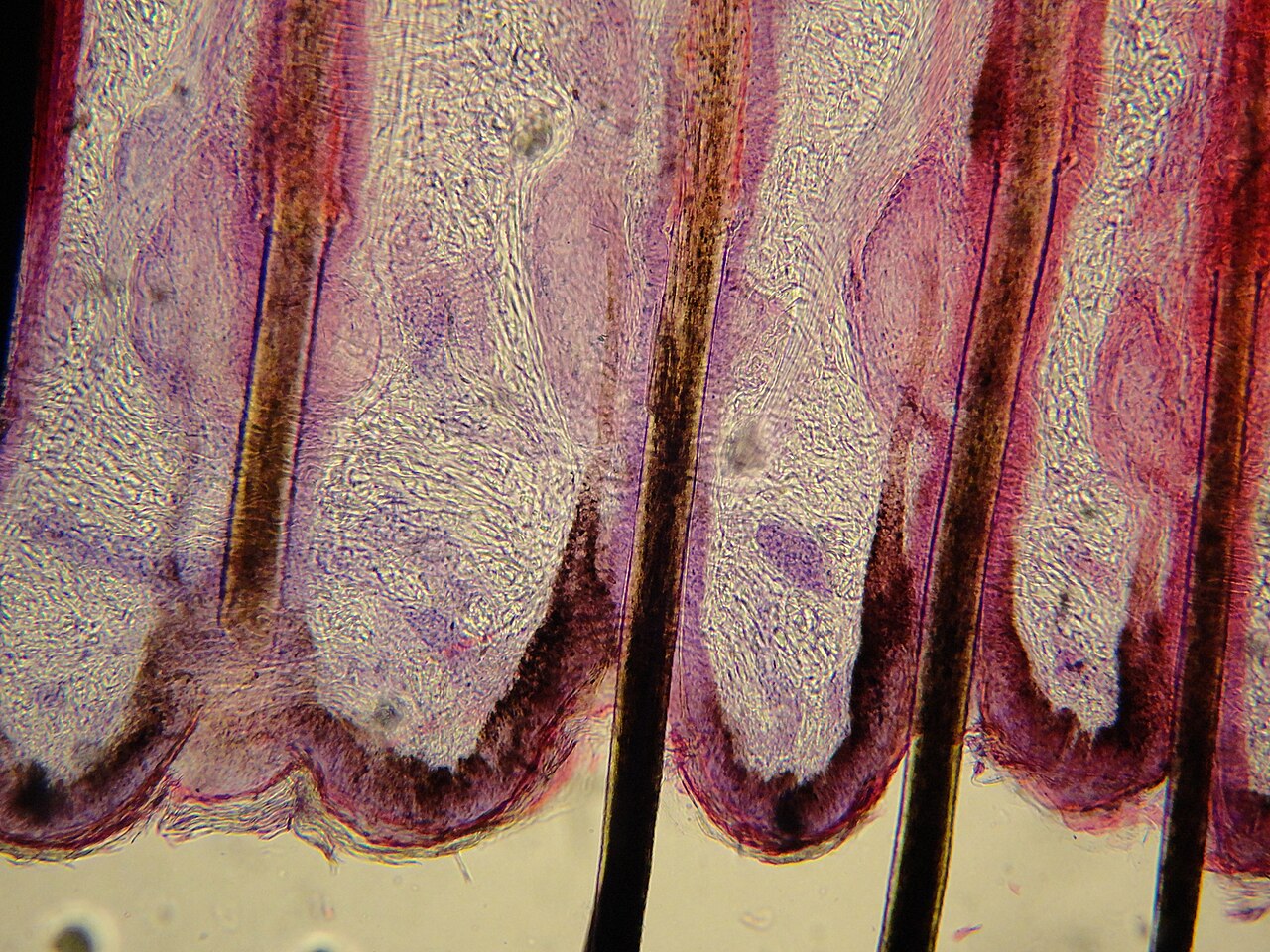
In my experience, patients often present with hair loss and marginally low ferritin levels, only to be told that their iron stores are "normal" and that their hair loss must be due to another cause. However, our lab's work, in collaboration with researchers like Dr. Trueb, has shown that these patients can still benefit from iron supplementation, even if their ferritin levels are above the traditional threshold. This is not to say that iron supplementation is a panacea for hair loss — far from it — but rather that a more nuanced understanding of the ferritin-hair loss relationship can help identify patients who may benefit from targeted iron therapy. The data from the IRON-HAIR trial, published in the Journal of the American Academy of Dermatology, supports this approach, demonstrating significant improvements in hair density and growth rate among patients with low-normal ferritin levels who received iron supplements.
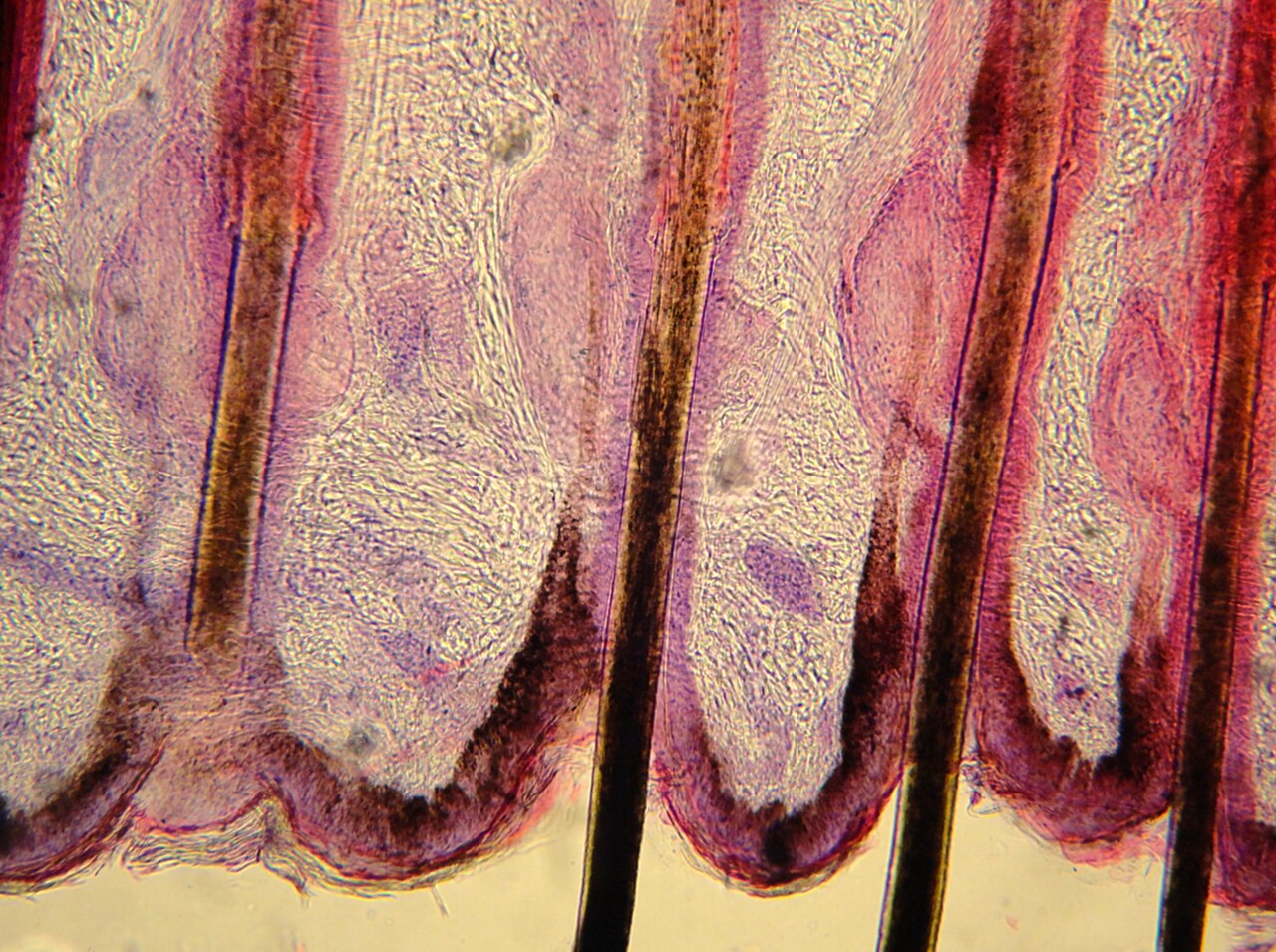
As I reflect on the clinical implications of this research, I'm reminded of the limitations of our current understanding — and the need for further investigation. While we've made significant progress in elucidating the relationship between iron, ferritin, and hair loss, there's still much to be learned about the underlying mechanisms and the optimal therapeutic strategies. For instance, what is the precise threshold of ferritin levels below which hair loss becomes more likely? And how do other factors, such as vitamin D and thyroid status, interact with iron and ferritin to influence hair growth? These questions will require careful consideration and rigorous research to answer — and it's here that our lab, in collaboration with other researchers, hopes to make a meaningful contribution.
The work of researchers like Kantor et al., published in the Journal of Investigative Dermatology, has also highlighted the importance of considering the broader context of iron metabolism in hair loss. It turns out that the relationship between iron, ferritin, and hair growth is influenced by a complex interplay of hormonal, nutritional, and genetic factors — which is fascinating, because it suggests that a multifaceted approach to treatment may be necessary. As we move forward, it's essential to recognize that hair loss is not a single disease entity, but rather a symptom of underlying biological and environmental factors. By acknowledging this complexity and embracing a more holistic understanding of hair growth, we may uncover new avenues for treatment and prevention.
In the midst of this complex landscape, one thing is clear: the traditional cutoff for iron deficiency is too simplistic, and a more nuanced understanding of the ferritin-hair loss relationship is long overdue. As we look to the future, the prospect of a "cure" for hair loss by 2030 seems ambitious, but not impossible — and it's likely that a deeper understanding of the iron-ferritin axis will play a critical role in getting us there. The timeline for this is uncertain, but one thing is clear: the next decade will be pivotal in unraveling the mysteries of hair loss, and the interplay between iron, ferritin, and hair growth will be a key area of focus. Will we see a paradigm shift in treatment approaches, one that prioritizes personalized, biomarker-driven therapy over one-size-fits-all solutions? Only time will tell, but for now, the journey itself is what matters — and the patients who will ultimately benefit from our collective efforts to understand the intricacies of hair loss.
Discussion (0)
No comments yet. Be the first to share your thoughts.
Join the discussion
Free account. Read, like, save, and comment on every article.