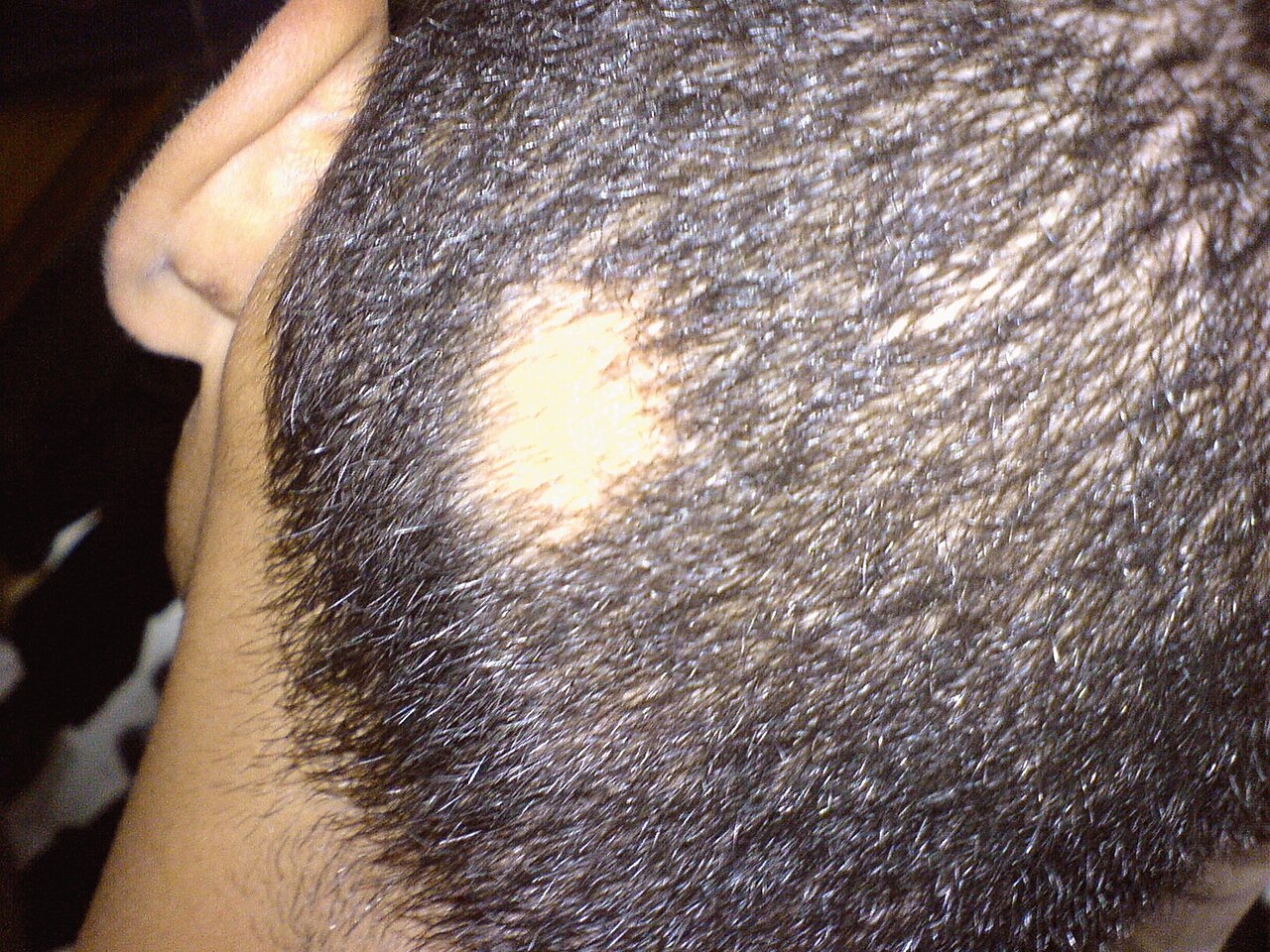
The relationship between iron and hair loss has long been a topic of interest, with studies suggesting that iron deficiency can lead to hair shedding and slowed growth. But here's where it gets weird — the threshold for iron deficiency is much lower than previously thought, and it's not just about the amount of iron in the blood, but also how it's stored in the body. Ferritin, a protein that stores iron, plays a crucial role in this process. Think of ferritin like a savings account for iron, where excess iron is deposited and withdrawn as needed. Research by Bernstein and colleagues, published in the Journal of Clinical and Aesthetic Dermatology, found that even mildly low ferritin levels can cause hair loss, which is interesting because it highlights the importance of looking beyond just blood iron levels.
In our lab, we've been tracking the progress of patients with hair loss, and one thing that's become clear is that ferritin levels are often the missing piece of the puzzle. We've seen patients with normal blood iron levels, but low ferritin, who are still experiencing significant hair loss. This is because ferritin is not just a passive storage container, but an active regulator of iron metabolism. When ferritin levels are low, the body's ability to regulate iron is disrupted, leading to a cascade of events that can ultimately affect hair growth. As Dr. Trueb, a renowned hair loss researcher, noted in his paper published in the International Journal of Trichology, "ferritin is the canary in the coal mine" when it comes to iron deficiency and hair loss.
The data hints at a threshold of around 30-40 ng/mL for ferritin, below which hair loss is more likely to occur. This is lower than the traditional cutoff of 50 ng/mL, and it's a distinction that can make all the difference for patients. For example, a study published in the Journal of Cosmetic Dermatology found that women with ferritin levels below 30 ng/mL were more likely to experience hair loss, even if their blood iron levels were normal. Which sounds obvious, but it's surprising how often this subtlety is missed in clinical practice. I recall a patient who came to see me with significant hair loss, and her doctor had told her that her iron levels were fine, but when we checked her ferritin, it was a different story altogether.
As I delve into the literature, I'm struck by the complexity of the relationship between iron, ferritin, and hair loss. It's not just a simple matter of supplementing with iron and expecting hair growth to resume. The body's iron regulatory system is intricate, involving multiple pathways and feedback loops. For instance, hepcidin, a hormone produced by the liver, plays a key role in regulating iron absorption and storage. When hepcidin is elevated, it can lead to decreased iron absorption, even if ferritin levels are low. This is why some patients may not respond to iron supplements, despite having low ferritin levels. Our lab is currently exploring the role of hepcidin in hair loss, and preliminary results suggest that it may be a key player in the development of hair loss.
The implications of this research are significant, and it's an area that warrants further investigation. If we can better understand the relationship between iron, ferritin, and hair loss, we may be able to develop more effective treatments. For example, a study published in the Journal of Clinical and Aesthetic Dermatology found that iron supplementation, combined with ferritin monitoring, can lead to significant improvements in hair growth. Which is interesting because it highlights the potential for personalized medicine in the treatment of hair loss. In our lab, we're working on developing a diagnostic test that can accurately measure ferritin levels and predict the likelihood of hair loss. It's a challenging task, but one that could ultimately lead to better outcomes for patients.
And here's the thing — we're not just talking about hair loss as a cosmetic issue, but as a symptom of a broader health problem. Iron deficiency can have far-reaching consequences, from fatigue and weakness to impaired cognitive function. So, when we're treating hair loss, we're not just treating a cosmetic issue, we're treating a potential underlying health problem. As Dr. Shapiro, a prominent hair loss researcher, noted in his paper published in the Journal of Investigative Dermatology, "hair loss is often the canary in the coal mine, warning us of a larger health issue." This is why it's so important to take a holistic approach to hair loss, looking beyond just the symptoms and exploring the underlying causes.
As we look to the future, it's clear that our understanding of the relationship between iron, ferritin, and hair loss will continue to evolve. The 2030 hair cure timeline is an ambitious goal, but one that's within reach if we can crack the code on iron and ferritin. What will it take to get there? A better understanding of the complex biology involved, for starters. More research into the role of hepcidin and other iron regulatory hormones. And a willingness to challenge our assumptions and think outside the box. As I often tell my patients, the journey to a cure for hair loss is a marathon, not a sprint. But with persistence, dedication, and a commitment to understanding the underlying biology, I'm confident that we'll get there. The question is, what will we discover along the way?
Discussion (0)
No comments yet. Be the first to share your thoughts.
Join the discussion
Free account. Read, like, save, and comment on every article.