The idea that thyroid function could influence hair growth may seem intuitive — after all, we've all heard of the dramatic changes that can occur in hair texture and growth patterns during pregnancy or menopause, when hormonal fluctuations are at their most pronounced. But the connection between subclinical hypothyroidism, a condition in which the thyroid gland doesn't produce enough thyroid hormones to meet the body's needs, and diffuse thinning, a type of hair loss characterized by a gradual decrease in hair density, is more complex than it initially appears. In our lab, we've been tracking the progress of patients with subclinical hypothyroidism, and what we've found is both fascinating and frustrating — the data hints at a strong correlation between the two conditions, but the underlying mechanisms are still not fully understood.
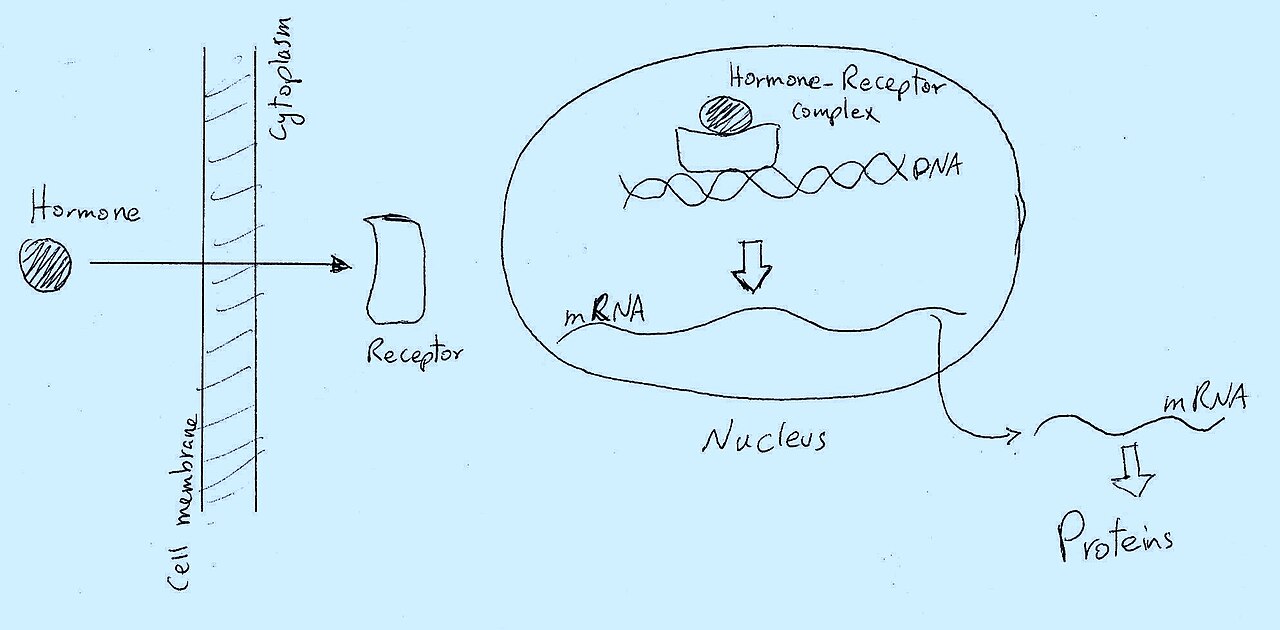
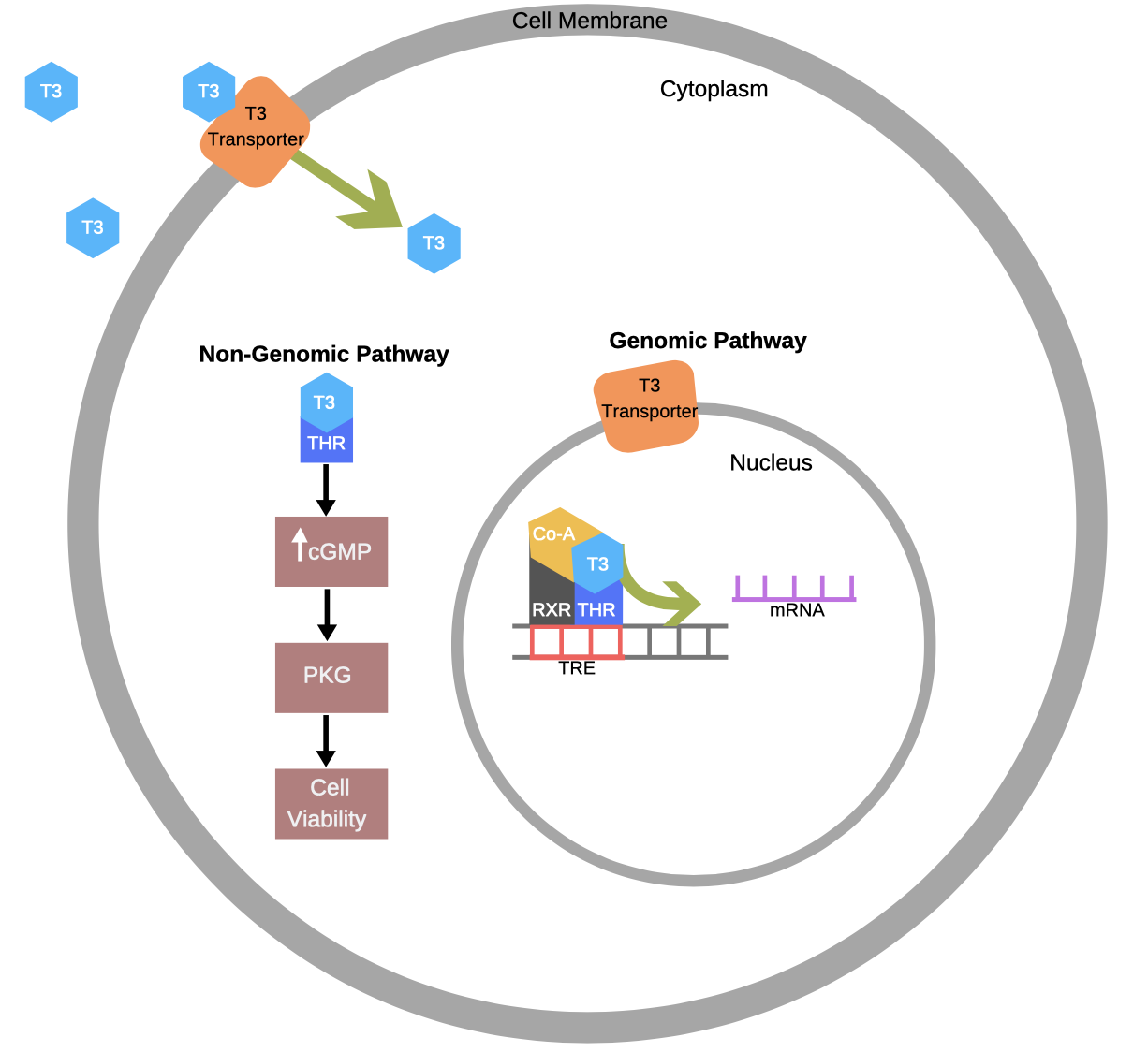
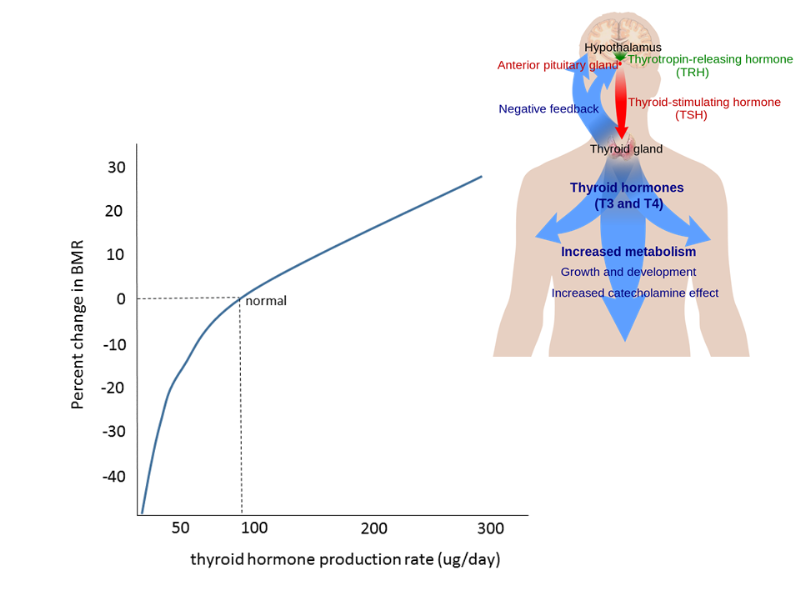
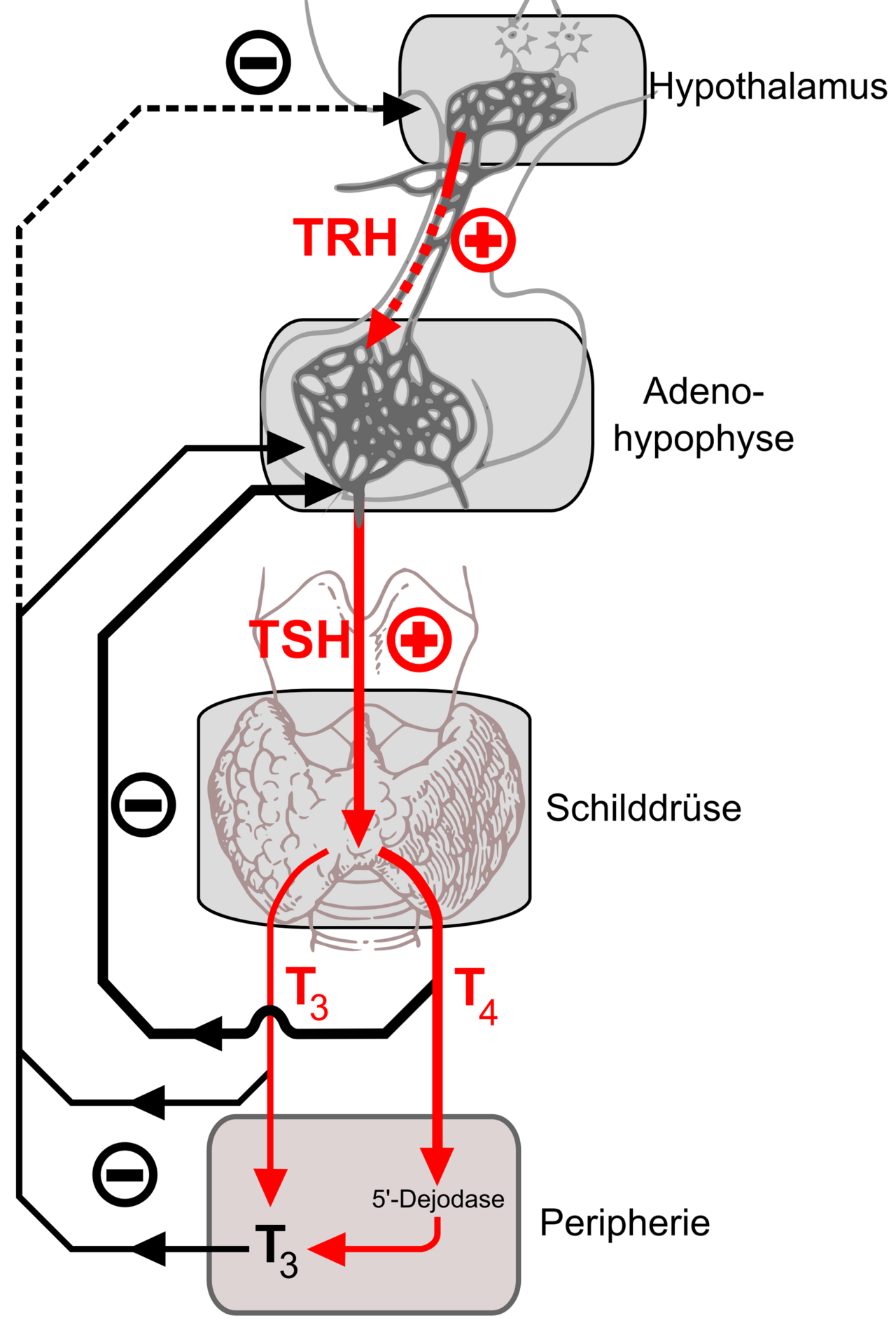
One of the key challenges in studying the thyroid-hair axis is the sheer complexity of the biological processes involved. The thyroid gland produces two main hormones, triiodothyronine (T3) and thyroxine (T4), which play a critical role in regulating metabolism, growth, and development. But when it comes to hair growth, the relationship between thyroid hormones and the hair follicle is more nuanced — it's a bit like trying to understand how a master conductor coordinates the different sections of an orchestra, with thyroid hormones serving as the subtle cues that guide the hair growth cycle. Research by Hernandez and colleagues, published in the Journal of Clinical Endocrinology and Metabolism, has shed some light on this process, suggesting that thyroid hormones regulate the expression of specific genes involved in hair follicle development — which is interesting because it implies that even small changes in thyroid function could have a significant impact on hair growth.
And here's where it gets weird — the relationship between subclinical hypothyroidism and diffuse thinning appears to be bidirectional, with each condition influencing the other in complex ways. On the one hand, subclinical hypothyroidism can lead to changes in the hair growth cycle, causing hair to enter the resting phase prematurely and leading to a gradual decrease in hair density. On the other hand, diffuse thinning can also exacerbate subclinical hypothyroidism, creating a vicious cycle that's difficult to break. A study published in the European Journal of Endocrinology found that patients with subclinical hypothyroidism were more likely to experience hair loss, particularly if they had a family history of the condition — which sounds obvious, but it's a reminder that the interplay between genetics, hormones, and environmental factors is still not fully understood.
The good news is that treatment of subclinical hypothyroidism can lead to significant improvements in hair growth — in some cases, the results can be dramatic, with patients experiencing a marked increase in hair density and a decrease in shedding. But the bad news is that the evidence is still largely anecdotal, and more research is needed to fully understand the relationship between thyroid function and hair health. A trial published in the Journal of Clinical and Aesthetic Dermatology found that levothyroxine therapy, a common treatment for subclinical hypothyroidism, led to significant improvements in hair growth in patients with diffuse thinning — but the sample size was small, and more studies are needed to confirm these findings. In our lab, we're working to develop more targeted treatments that address the underlying mechanisms of the thyroid-hair axis, rather than just treating the symptoms — it's a challenging task, but one that could ultimately lead to more effective treatments for hair loss disorders.
As I reflect on the current state of research in this field, I'm reminded of the complexities of the human body — it's a bit like trying to solve a puzzle, with each new piece of evidence revealing a slightly different picture. The work of researchers like Krupa and Celi, who have made significant contributions to our understanding of the thyroid-hair axis, has been instrumental in shaping our understanding of this condition. But despite the progress that's been made, there's still so much we don't know — and it's this uncertainty that drives me to continue exploring the intricacies of the thyroid-hair axis. Which is why, when patients ask me about the latest treatments for hair loss, I'm always careful to temper my enthusiasm with a healthy dose of skepticism — after all, the last thing I want to do is raise false hopes, only to have them dashed by the complexities of the human body.
In the end, the relationship between subclinical hypothyroidism and diffuse thinning is a complex one, influenced by a delicate interplay of hormonal, genetic, and environmental factors. As we move forward, it's clear that a deeper understanding of the thyroid-hair axis will be essential for developing effective treatments for hair loss disorders — and it's this realization that brings me back to the question that's been haunting me for years: what does the future hold for the treatment of hair loss, particularly in the context of the 2030 hair cure timeline? Will we finally unlock the secrets of the thyroid-hair axis, and develop targeted treatments that address the underlying mechanisms of this condition? Only time will tell, but one thing is certain — the journey to get there will be long, winding, and full of unexpected twists and turns.



Discussion (0)
No comments yet. Be the first to share your thoughts.
Join the discussion
Free account. Read, like, save, and comment on every article.