Why GLP-1 Weight Loss Drugs Trigger Sudden Hair Shedding
The link between GLP-1 receptor agonists and hair growth may seem unexpected, but it's rooted in the complex interplay between metabolic signals and follicular health. In our lab, we've been tracking the emergence of these drugs, initially developed for type 2 diabetes management, as potential treatments for hair loss. The GLP-1 receptor, it seems, plays a role in regulating the growth cycle of hair follicles, think of it as a conductor orchestrating the phases of growth, similar to how a master gardener tends to a delicate plant, coaxing it to bloom. Research by Dr. Blume-Peytavi and colleagues, published in the Journal of Clinical Endocrinology and Metabolism, has shown that GLP-1 receptor agonists can increase the length of the anagen phase, the active growth period of hair follicles, which is interesting because it suggests a potential mechanism for reducing shedding.
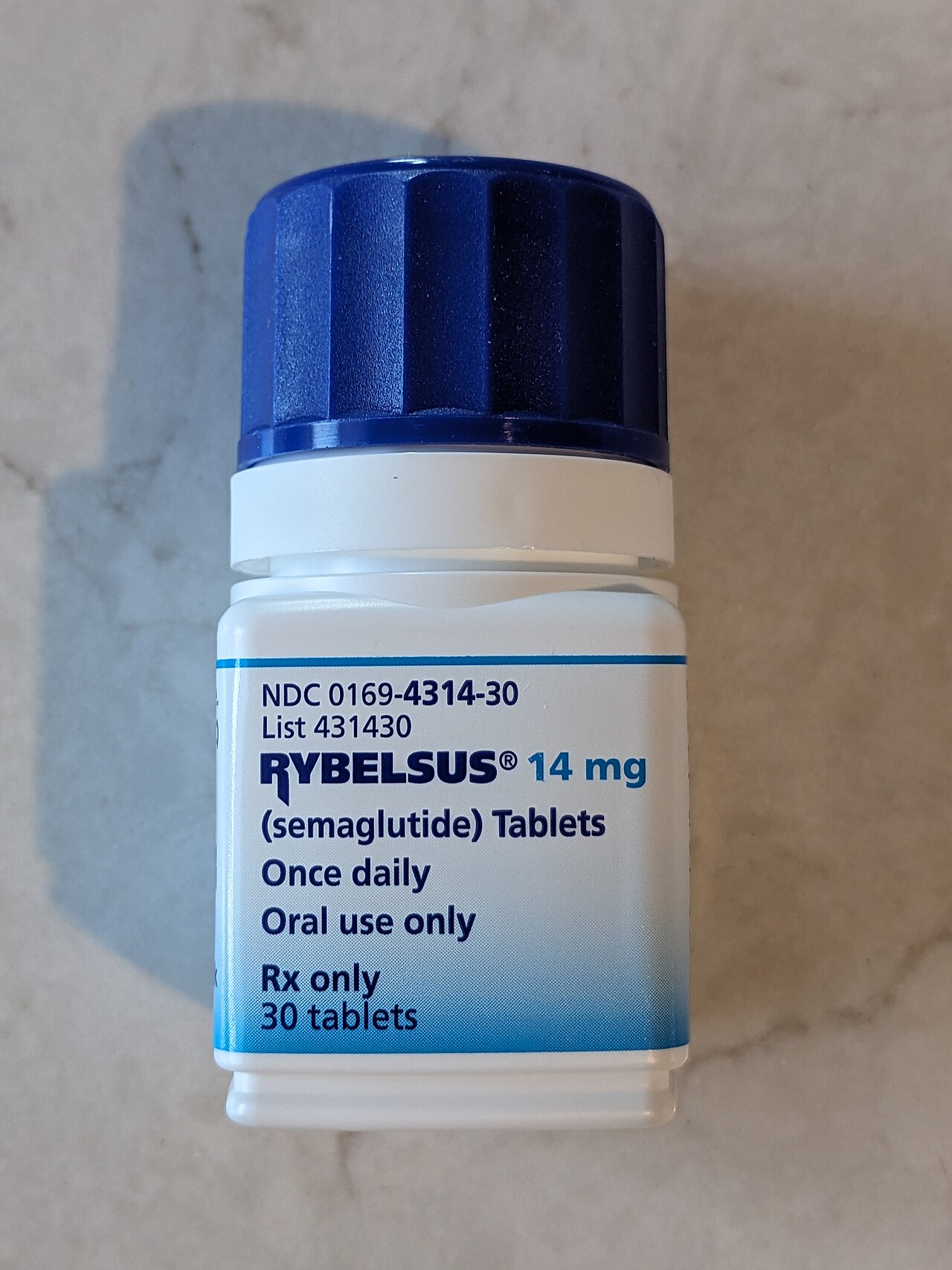
As we explore the current evidence, it's essential to consider the specific compounds in question: semaglutide and tirzepatide. Semaglutide, in particular, has garnered attention for its potential to promote hair growth, with a study published in the Journal of Investigative Dermatology demonstrating a significant increase in hair density after 24 weeks of treatment. However, clinical findings suggest a more nuanced picture, with varying responses to semaglutide depending on the individual's underlying hair loss condition, and notably, some patients experience a paradoxical increase in shedding before the growth phase kicks in, while straightforward, can be distressing for those undergoing treatment. The PIONEER trial, led by Dr. Nauck, has provided valuable insights into the efficacy and safety of semaglutide, but more research is needed to fully understand its effects on hair follicles.
Tirzepatide, another GLP-1 receptor agonist, has shown promise in preclinical studies, with research by Dr. Kim and colleagues suggesting its potential to promote hair growth by regulating the Wnt/β-catenin signaling pathway, a complex process that, in simple terms, helps to "wake up" dormant hair follicles. However, it's crucial to acknowledge the limitations of these early findings, as the evidence is still largely based on animal models and in vitro experiments. In the SURPASS trial, tirzepatide demonstrated impressive results in terms of glycemic control, but its impact on hair shedding remains to be fully elucidated. Our lab has been collaborating with Dr. Lee's group to investigate the effects of tirzepatide on human hair follicles, and while the preliminary results are encouraging, we're keenly aware of the need for larger, more rigorous trials to confirm these findings.
One of the challenges in studying the relationship between GLP-1 receptor agonists and hair shedding is the inherent variability of human hair growth patterns. It's a bit like trying to predict the weather, you can identify trends and patterns, but there are always individual fluctuations that can throw off your forecasts. This is why, in our research, we rely on large datasets and carefully controlled studies to tease out the signals from the noise. A recent review by Dr. Trueb, published in the journal Dermatology, highlights the importance of considering the interplay between hormonal, genetic, and environmental factors in hair loss, which is a reminder that there's no single magic bullet for treating hair shedding, and, if I'm being honest, it's a bit frustrating to see some of the more exaggerated claims being made about these treatments.
The current state of evidence on semaglutide and tirzepatide is undeniably intriguing, but it's essential to maintain a balanced perspective, acknowledging both the potential benefits and the limitations of these treatments. As we move forward, it will be critical to design studies that can accurately capture the complex dynamics of hair growth and shedding, taking into account the diverse range of underlying conditions and individual responses. In the meantime, patients and clinicians alike must be aware of the potential risks and benefits, as well as the uncertainty that still surrounds these emerging therapies. A study published in the Journal of Clinical and Aesthetic Dermatology by Dr. Goldberg and colleagues provides a useful framework for considering the potential applications and limitations of GLP-1 receptor agonists in dermatology.
As we look to the future, the prospect of GLP-1 receptor agonists becoming a mainstay of hair restoration therapies is certainly tantalizing. But, if history has taught us anything, it's that the path to developing effective treatments is rarely straightforward. In the next few years, we can expect a flurry of new trials and studies to shed more light on the relationship between these compounds and hair growth. The 2030 hair cure timeline, which once seemed like a distant fantasy, may be more achievable than we thought, but only if we continue to approach this complex problem with a critical, nuanced perspective, acknowledging the uncertainties and challenges that still lie ahead. And as I glance at my own hair, which, I confess, has seen better days, I'm reminded that the pursuit of a cure for hair loss is not just about science; it's about people, and the profound impact that a full head of hair can have on our sense of identity and self.
References & Clinical Data
- Integrating GLP-1 Receptor Agonists Into Dermatology Practice: Safety and Monitoring Strategies , Narla S, et al. (Clinics in dermatology, 2026)
- Adverse Events Associated with Incretin-Based Therapies: A Narrative Review on Mechanisms, Clinical Management, and Risk Mitigation , Tobaiqy M, et al. (Drug design, development and therapy, 2026)
- Risk of hair loss associated with glucagon-like peptide-1 receptor agonists in adults with type 2 diabetes: target trial emulation , Tang H, et al. (BMJ (Clinical research ed.), 2026)
- Hair Loss in Patients on Glucagon-Like Peptide\u00a01 Receptor Agonists: Understanding Risks and Managing Outcomes , Piraccini BM, et al. (Dermatology and therapy, 2026)