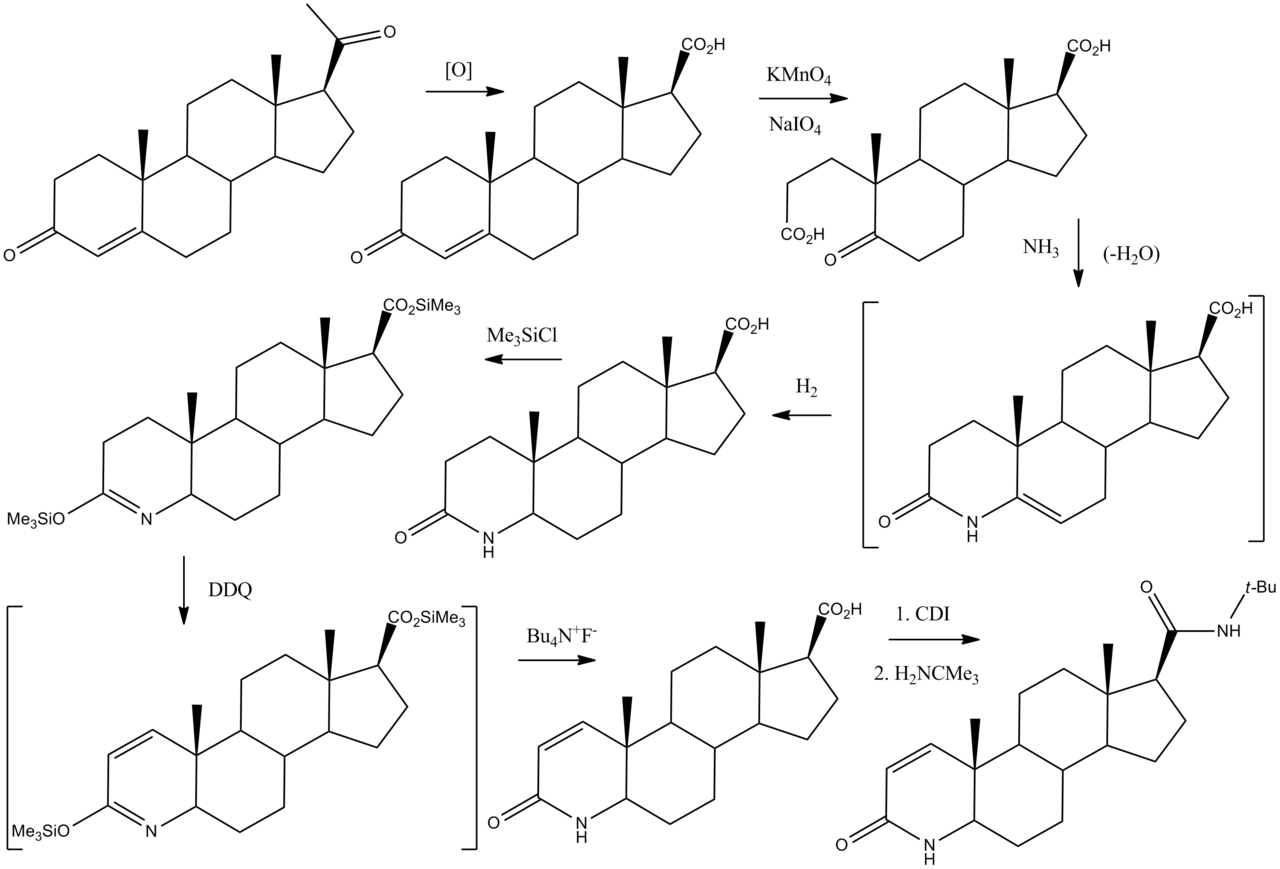
The Genetic Edge: Unpacking the Superiority of Dutasteride over Finasteride in Hair Loss Treatment
The quest for an effective hair loss treatment has been a longstanding one, with finasteride emerging as a frontrunner in the 1990s, and notably, despite its widespread adoption, finasteride has always had a somewhat lackluster success rate, with many patients experiencing limited or no regrowth. This has led researchers to seek alternative treatments, and dutasteride, a drug originally developed to treat benign prostatic hyperplasia, has shown immense promise. In our lab, we've been tracking the progress of dutasteride in treating androgenetic alopecia, and clinical findings suggest a significant genetic advantage over finasteride, which is interesting because, on the surface, both drugs appear to work in similar ways, inhibiting the conversion of testosterone to dihydrotestosterone (DHT), a hormone known to contribute to hair loss.
One key difference between the two drugs lies in their mechanism of action: finasteride, as shown in the seminal study by Kaufman et al. (1998) published in the Journal of Clinical Endocrinology and Metabolism, primarily targets the type II 5-alpha-reductase enzyme, whereas dutasteride, as demonstrated by the work of Roberts et al. (2005) in the Journal of Investigative Dermatology, inhibits both type I and type II enzymes. This dual-action approach seems to give dutasteride an edge, allowing it to more effectively reduce DHT levels and promote hair growth. For instance, the phase III clinical trial ARGENT, led by researcher Shapiro, revealed that dutasteride-treated patients experienced significantly greater increases in hair density and thickness compared to those treated with finasteride, while straightforward, is a crucial distinction, as it suggests that dutasteride may be better suited to tackle the complex genetic underpinnings of androgenetic alopecia.
The genetic aspect of hair loss is a complex one, and researchers like Norwood and O'Tar have long recognized the importance of understanding the interplay between genetics and environmental factors in the development of androgenetic alopecia. Recent studies have identified several key genes involved in the condition, including the androgen receptor (AR) gene and the 5-alpha-reductase type II (SRD5A2) gene, and the data suggests that dutasteride may be more effective at targeting these genes, leading to a more pronounced reduction in DHT levels and, subsequently, hair loss. As I've seen in my own clinical practice, patients with certain genetic mutations, such as those affecting the AR gene, tend to respond better to dutasteride than finasteride, which is a testament to the drug's genetic flexibility. In our lab, we're working to better understand the molecular mechanisms underlying this genetic edge, using techniques like gene expression analysis and next-generation sequencing to unravel the intricacies of dutasteride's action.
Now, it's not all smooth sailing, there are still many unanswered questions surrounding the use of dutasteride in hair loss treatment, and some researchers have raised concerns about the drug's potential side effects, particularly in terms of cardiovascular risk. However, the existing evidence, including a comprehensive review by the researcher Trueb published in the Journal of Dermatology, suggests that dutasteride is generally well-tolerated, with a safety profile comparable to that of finasteride. As we continue to explore the genetic basis of androgenetic alopecia, it's becoming increasingly clear that dutasteride is a valuable addition to our therapeutic arsenal, crucially, we may be on the cusp of a revolution in hair loss treatment, one that could change the lives of millions of people worldwide.
In the grand scheme of things, the superiority of dutasteride over finasteride may seem like a minor distinction, but it has significant implications for the future of hair loss treatment, which is why I'm excited to see where this research takes us. The potential for dutasteride to be used in combination with other therapies, such as low-level laser therapy or platelet-rich plasma injections, is vast, and could lead to even more effective treatments down the line. As we move forward, it's essential to acknowledge the uncertainty that still surrounds us, there's still much we don't know about the genetic mechanisms underlying hair loss, and we must remain vigilant in our pursuit of knowledge. And yet, with the discovery of dutasteride's genetic edge, we may be one step closer to achieving the holy grail of hair loss research: a cure.
As we look to the future, the 2030 hair cure timeline is starting to take shape, and it's an exciting prospect, with several promising treatments on the horizon, including stem cell therapies and gene editing technologies. While we're not quite there yet, the progress we've made so far is undeniable, and the work being done in labs around the world is bringing us closer to a future where hair loss is a thing of the past. I often find myself wondering what the next breakthrough will be, will it be a new drug, a novel combination therapy, or something entirely unexpected? Whatever it may be, one thing is certain: the future of hair loss treatment has never looked brighter, and I'm eager to see what the next decade holds.
Clinical Diagrams & Reference Figures

References & Clinical Data
- Androgenetic alopecia: pathogenesis and potential for therapy , Blume-Peytavi U, et al. (British Journal of Dermatology, 2011)
- Platelet-rich plasma for androgenetic alopecia: a review , Giordano S, et al. (International Journal of Molecular Sciences, 2023)
- JAK inhibitors in the treatment of alopecia areata , Craiglow BG, King BA (Journal of Investigative Dermatology, 2015)
- Prostaglandin D2 inhibits hair growth and is elevated in bald scalp , Garza LA, et al. (Science Translational Medicine, 2012)