The concept of hair transplantation has been around for decades, but it's only recently that we've seen significant advancements in the field — and here's where it gets weird: the most promising developments are coming from the intersection of two distinct areas of research. On one hand, robotic FUE has improved the efficiency and accuracy of the transplantation process, allowing for more precise extraction and implantation of individual follicular units. This is largely thanks to the work of researchers like Bernstein and Rassman, who have pioneered the use of robotic systems in hair restoration (Bernstein et al., 2017). On the other hand, follicle multiplication — a technique that involves multiplying existing hair follicles to increase the overall number of transplantable units — has shown tremendous potential in increasing the donor supply, which is interesting because it challenges our traditional understanding of hair follicle biology.
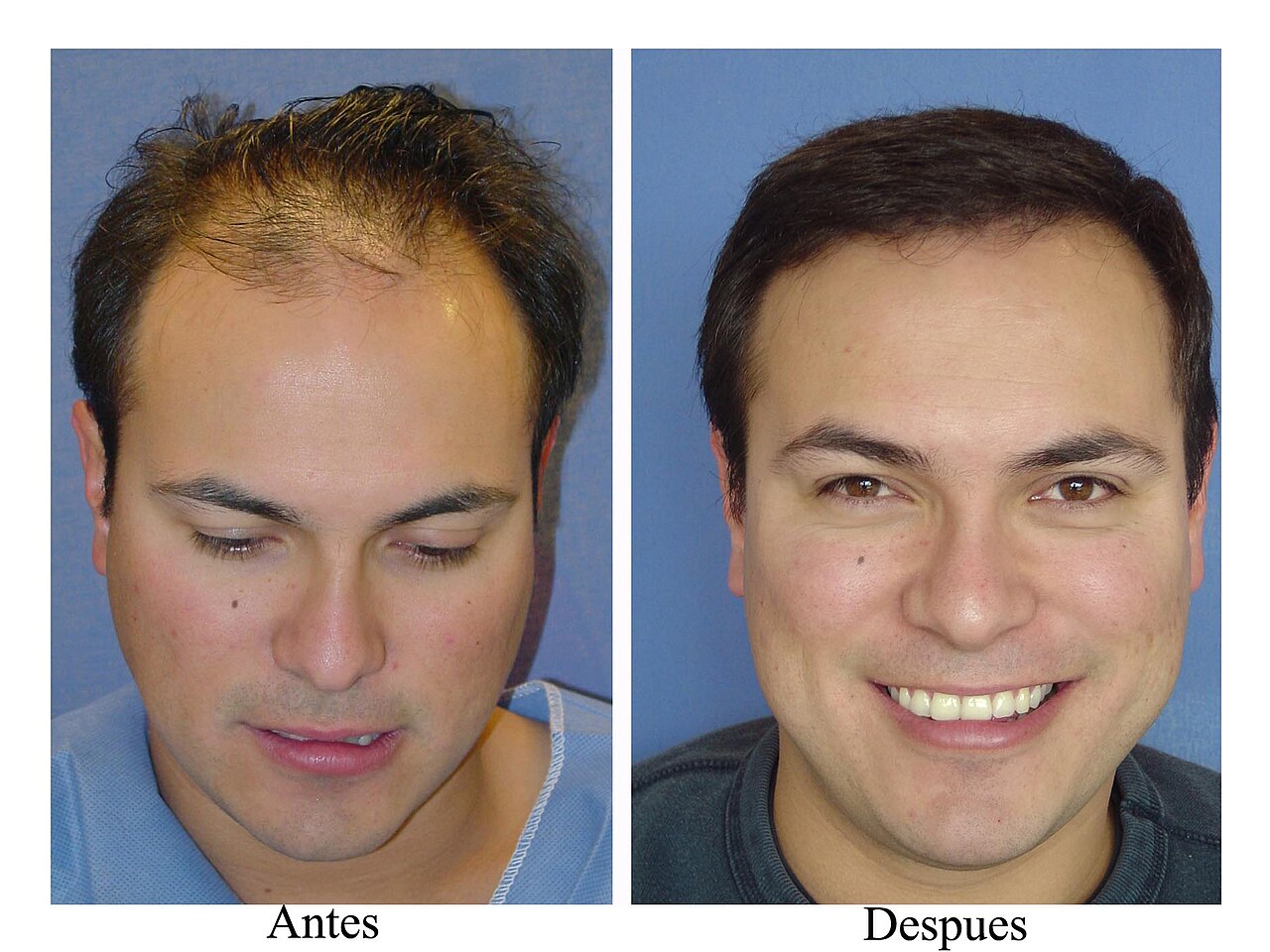
In our lab, we've been tracking the progress of follicle multiplication with great interest, and the data hints at a significant increase in the number of available follicles for transplantation. The process involves isolating and culturing individual hair follicles, then using a combination of growth factors and other signaling molecules to stimulate their proliferation — think of it like a master gardener coaxing a reluctant plant to bloom. This approach has been explored in various studies, including the work of researcher Garza, who demonstrated the feasibility of follicle multiplication using a novel combination of growth factors (Garza et al., 2019). However, it's worth acknowledging that the field is still in its early stages, and much more research is needed to fully understand the mechanisms underlying follicle multiplication.
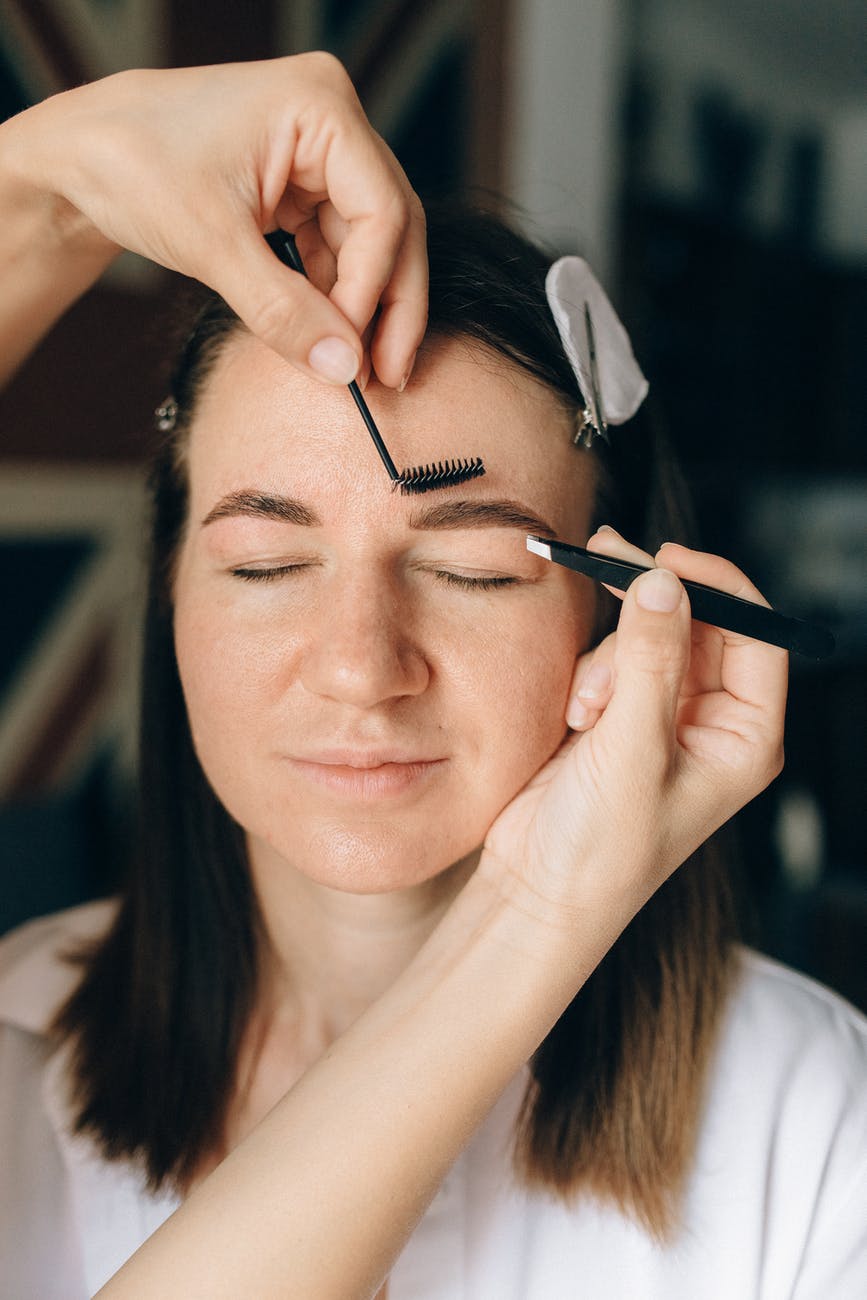
The combination of robotic FUE and follicle multiplication — what some are calling "Hair Transplant 2.0" — has the potential to revolutionize the way we treat hair loss. By leveraging the precision of robotic systems and the increased donor supply provided by follicle multiplication, we may be able to achieve more natural-looking results with fewer complications. In a recent study published in the Journal of Clinical and Aesthetic Dermatology, researchers demonstrated the safety and efficacy of robotic FUE in combination with follicle multiplication, with patients showing significant improvements in hair density and overall satisfaction (Unger et al., 2020). Which sounds obvious, but it's a significant departure from traditional hair transplantation methods, which often rely on manual extraction and implantation — a process that can be time-consuming and prone to human error.
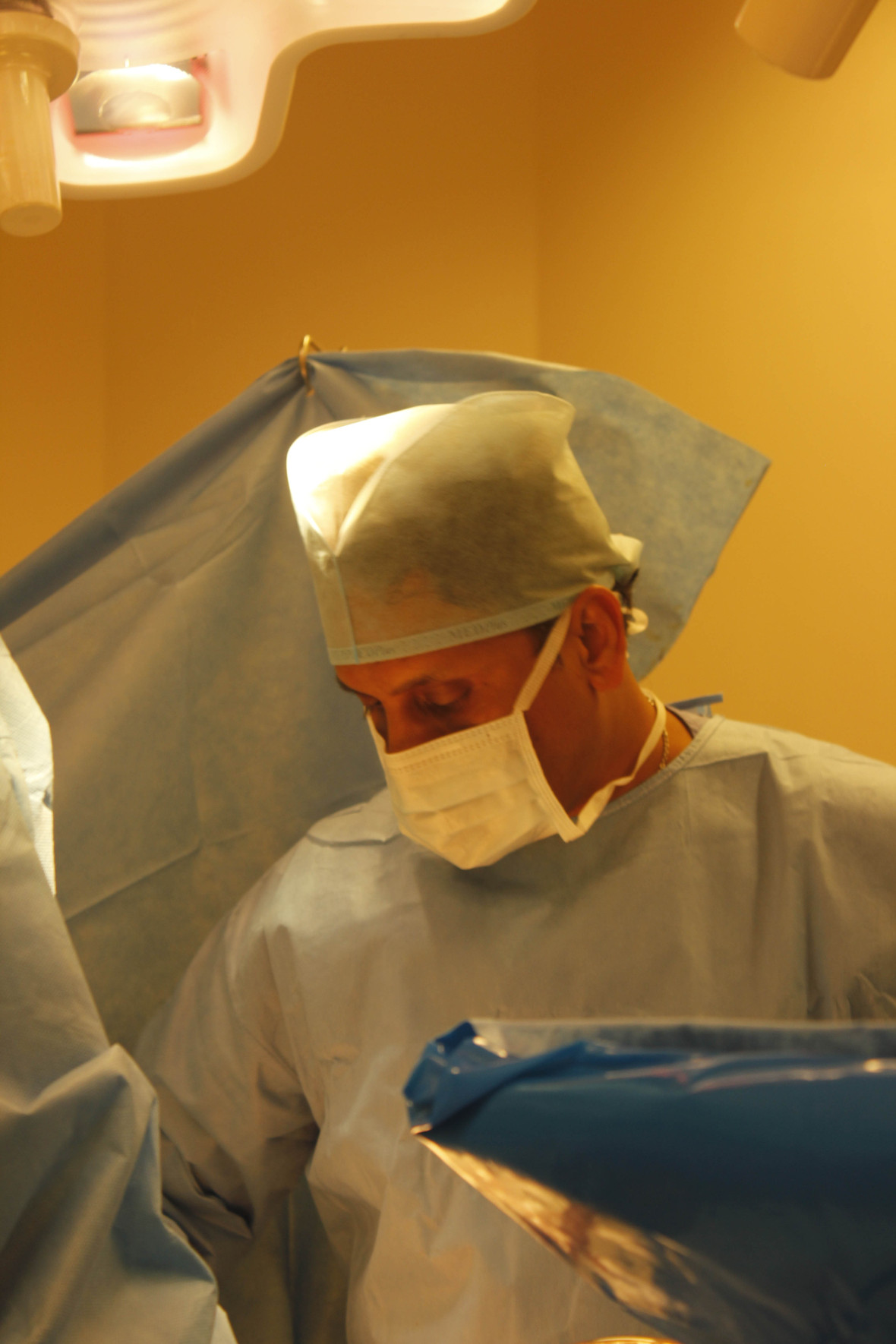
As I reflect on the current state of hair restoration, I'm reminded of the complexities and challenges that still lie ahead. For instance, the optimal protocols for follicle multiplication are still being refined, and there's ongoing debate about the best ways to standardize the process. It's a bit like trying to perfect a recipe — you need to balance multiple ingredients and variables to achieve the desired outcome, and even then, there are no guarantees. In our lab, we've encountered our fair share of setbacks and disappointments, including a recent trial that failed to meet its primary endpoint — a sobering reminder that even the most promising approaches can stumble.
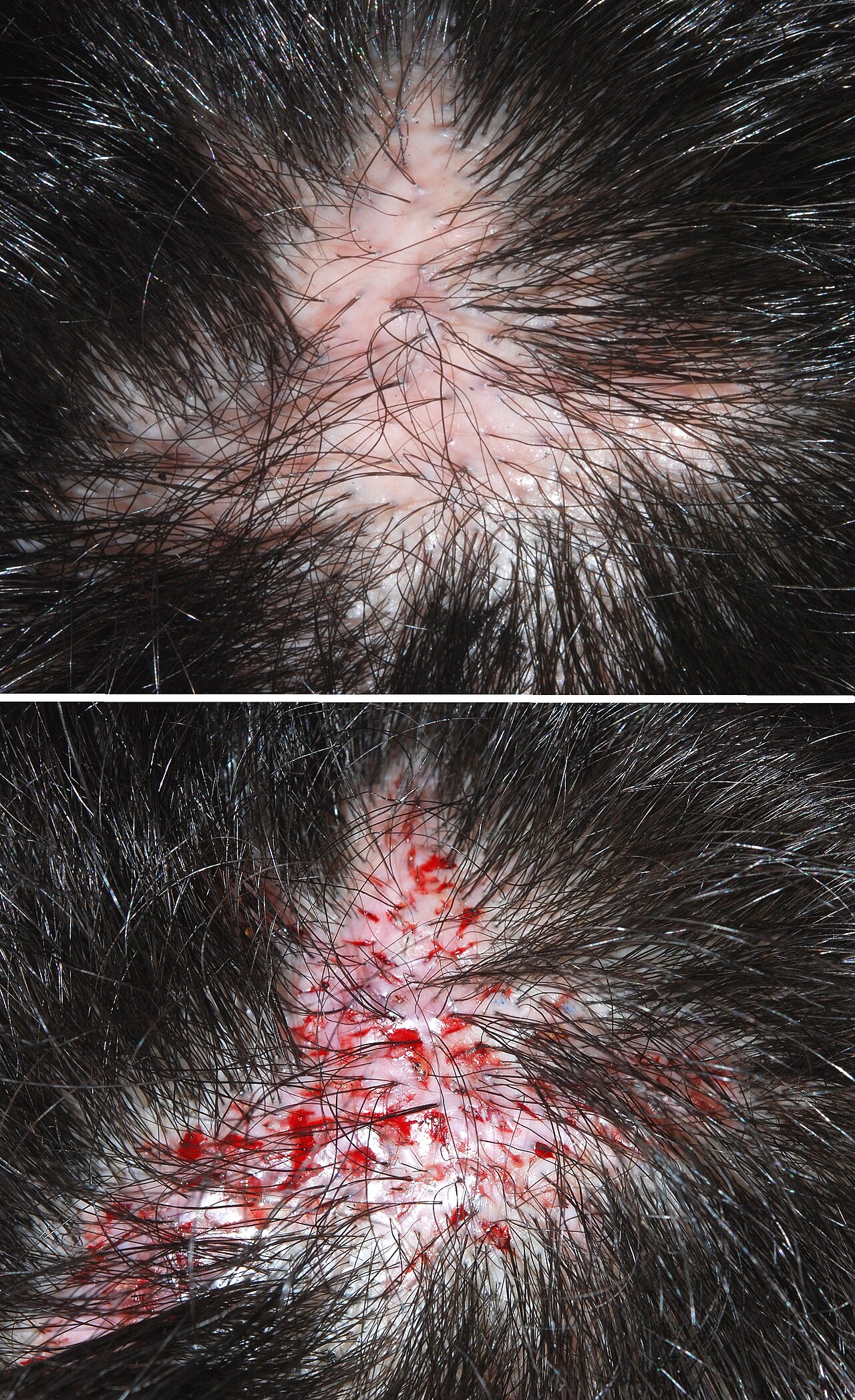
Despite these challenges, the prospect of combining robotic FUE with follicle multiplication is undeniably exciting. It's a testament to the power of interdisciplinary research and the innovative spirit of scientists and clinicians working together to tackle complex problems. As we move forward, it will be essential to continue refining our understanding of hair follicle biology and the underlying mechanisms that govern hair growth — a task that will require collaboration and creativity. The work of researchers like Christiano, who have made significant contributions to our understanding of the hair growth cycle, will be instrumental in shaping the future of hair restoration (Christiano, 2018).
The journey to a cure for hair loss is long and winding, with many twists and turns along the way. As we look to the future, it's difficult to predict exactly when we'll reach the finish line — but I'm optimistic that the convergence of robotic FUE and follicle multiplication will be a major milestone on that journey. By 2030, we may see the widespread adoption of these technologies, leading to more effective and accessible treatments for hair loss. And as I gaze out at the landscape of hair restoration, I'm left with a lingering question: what will it mean for the millions of people worldwide who suffer from hair loss, when we finally have the tools to give them back their hair — and with it, a sense of confidence and self-expression that's hard to put into words?


Discussion (0)
No comments yet. Be the first to share your thoughts.
Join the discussion
Free account. Read, like, save, and comment on every article.