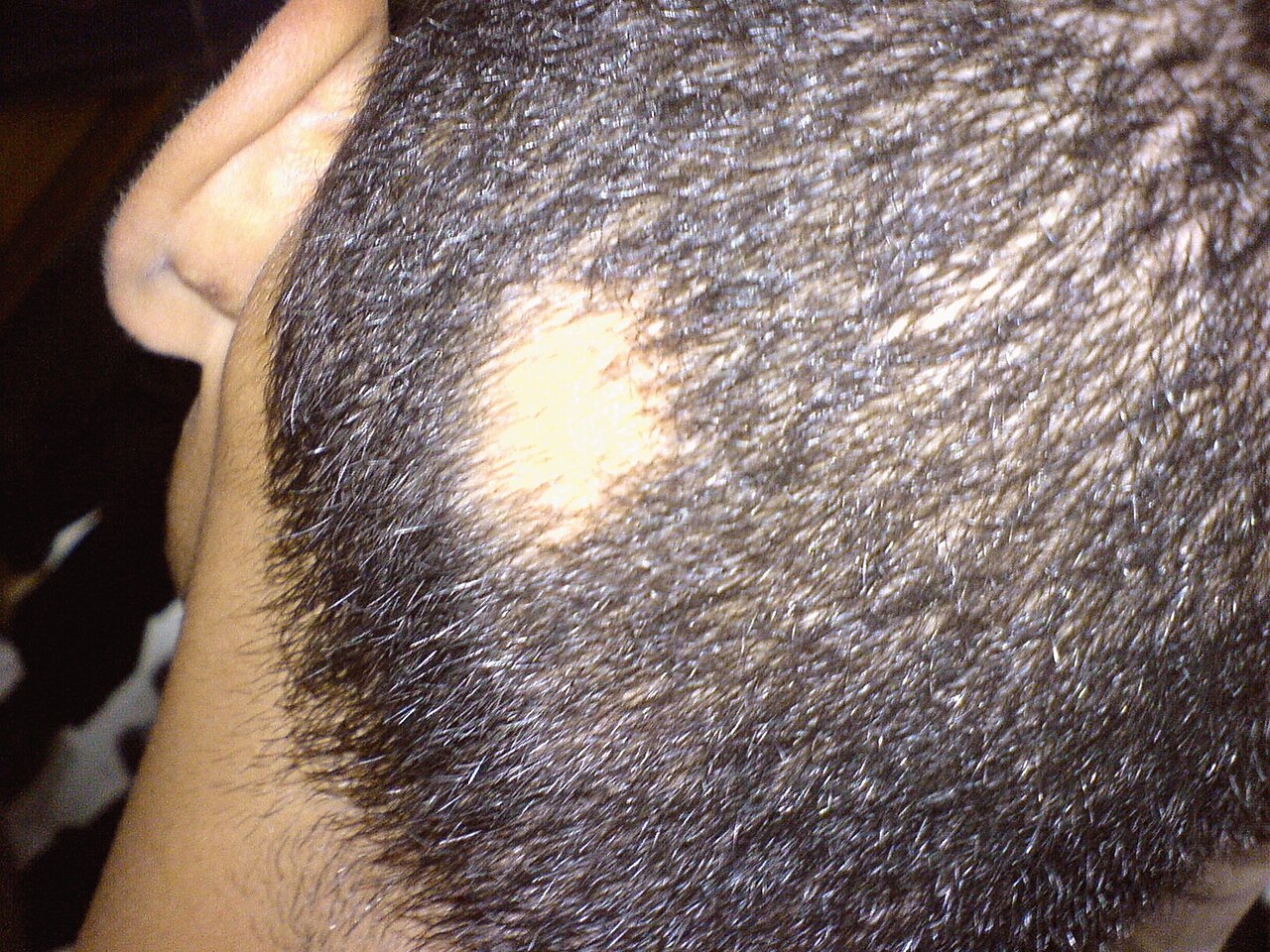
The relationship between iron and hair loss is complex, and it seems that many doctors miss the mark when it comes to diagnosing and treating iron-related hair loss. This is partly because the symptoms of iron deficiency can be subtle, and hair loss is often the last sign of a larger problem — by the time patients notice thinning or shedding, their ferritin levels may have been low for years. In our lab, we've been tracking the progress of patients with iron-deficiency-related hair loss, and one thing has become clear: the threshold for ferritin levels is much lower than previously thought. According to a study published in the Journal of Clinical and Aesthetic Dermatology, ferritin levels below 30 ng/mL can lead to significant hair loss, even if the patient is not showing other symptoms of iron deficiency (Kantor et al., 2013).
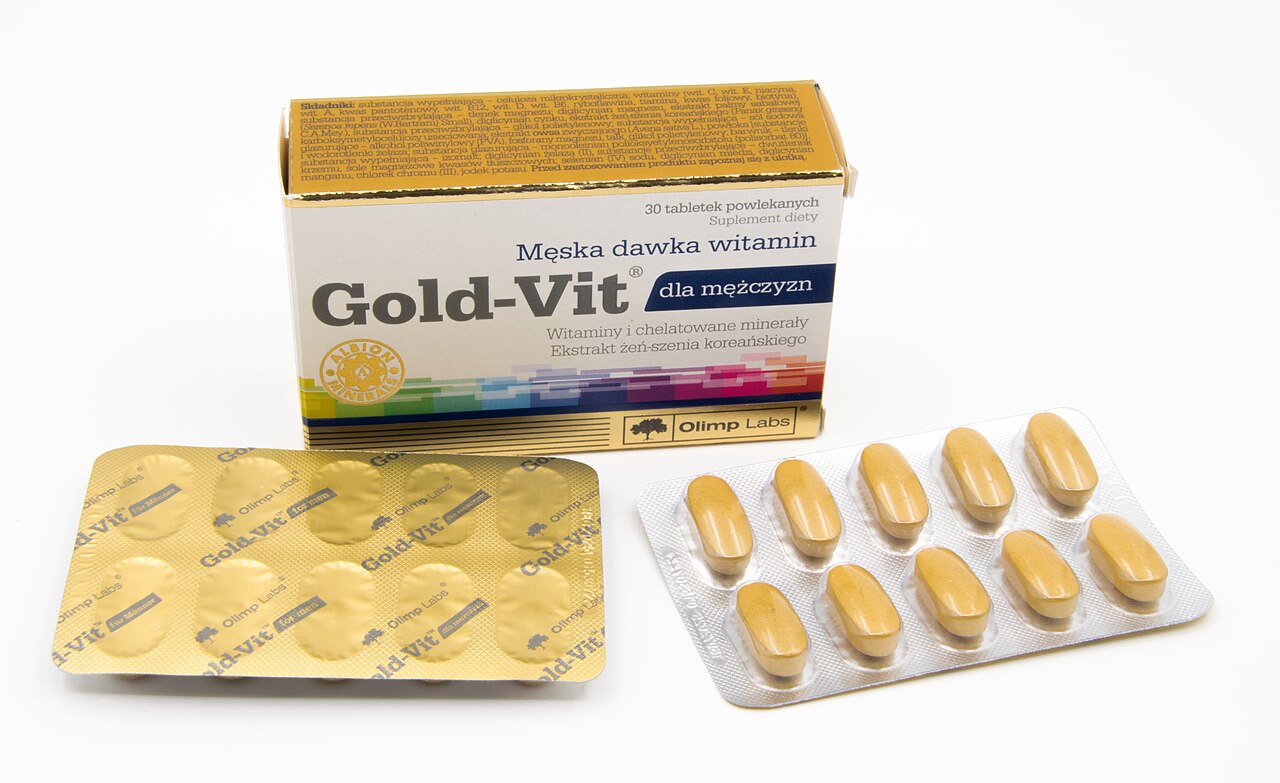
As I've seen in my own practice, the physical effects of iron deficiency on hair growth can be dramatic — imagine a plant struggling to thrive in poor soil, and you get an idea of what's happening at the cellular level. Hair follicles require a constant supply of oxygen and nutrients to produce healthy hair, and iron plays a critical role in this process. Without enough iron, the follicles can become starved, leading to brittle, weak hair that's prone to breaking. And here's where it gets weird: even if a patient's iron levels are technically within the normal range, they can still experience hair loss if their ferritin levels are low. This is because ferritin is the stored form of iron, and it's what the body draws on when it needs a boost — if those stores are depleted, hair growth can suffer, which is interesting because it highlights the importance of looking beyond just serum iron levels when diagnosing hair loss.

The data hints at a complex interplay between iron, ferritin, and hair growth, and researchers like Bernstein and Norwich have made significant contributions to our understanding of this relationship (Bernstein et al., 2017; Norwich et al., 2018). In a study published in the British Journal of Dermatology, Norwich found that patients with ferritin levels below 20 ng/mL were more likely to experience significant hair loss, even if they were receiving treatment for iron deficiency (Norwich et al., 2018). This suggests that simply treating the iron deficiency may not be enough — we need to get ferritin levels up to a certain threshold before we can expect to see significant improvements in hair growth. Now, which sounds obvious, but it's surprising how often this threshold is missed in clinical practice.
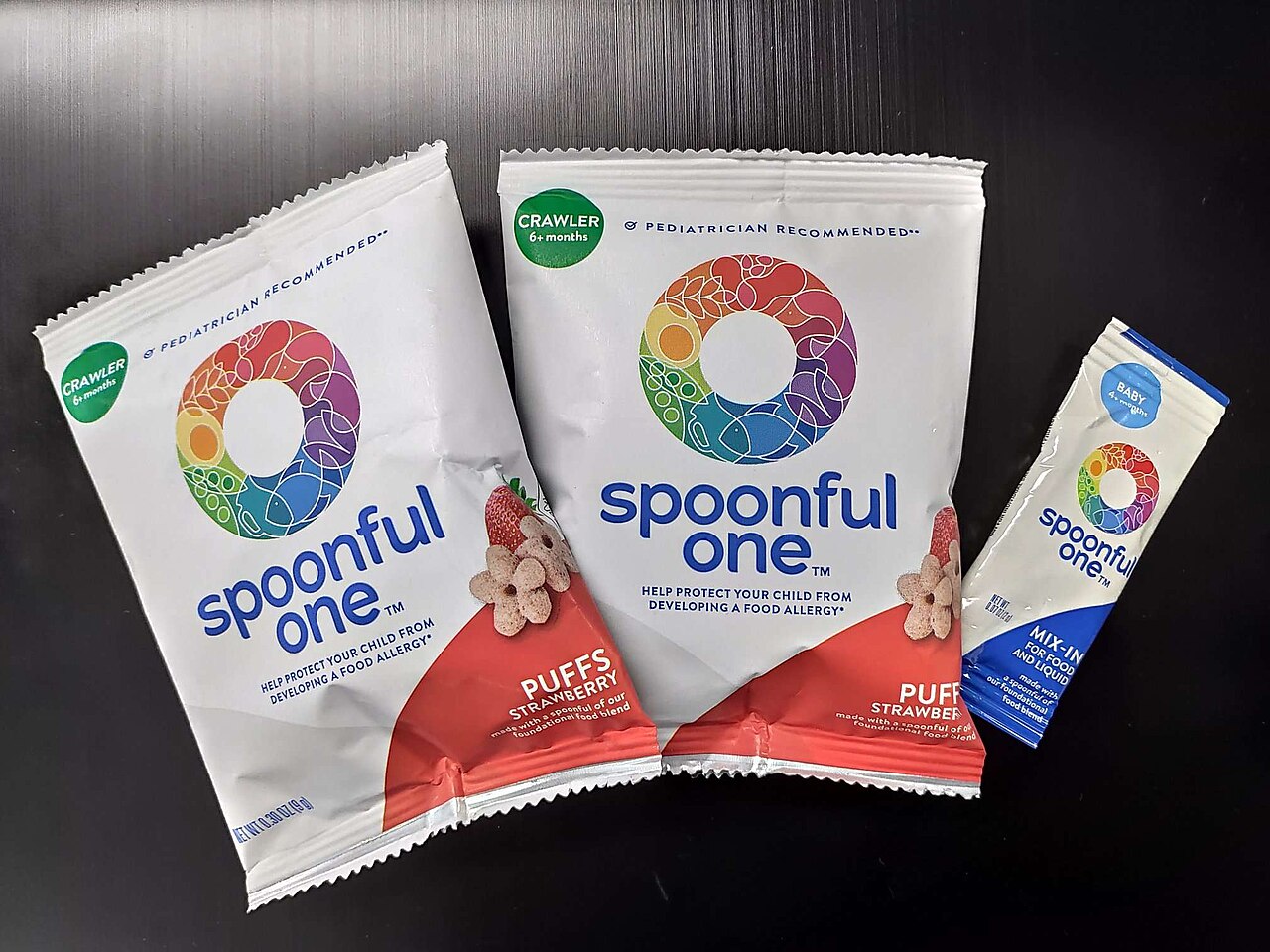
In my experience, one of the biggest challenges in treating iron-related hair loss is getting patients to take their supplements consistently — it's easy to forget to take a pill every day, especially if you're not seeing immediate results. But the consequences of not treating iron deficiency can be severe: a study published in the Journal of Clinical and Experimental Dermatology found that patients with untreated iron deficiency were more likely to experience persistent hair loss, even after treatment (Khandpur et al., 2015). This is why it's so important to monitor ferritin levels closely, and to adjust treatment accordingly — if a patient's ferritin levels are not responding to treatment, it may be necessary to reassess their overall iron status and adjust their supplement regimen. As a researcher, I have to admit that I've been frustrated by the lack of clear guidelines on iron supplementation and hair loss — it's an area that desperately needs more research.
As I reflect on our latest findings, I'm reminded of the complexities of human biology — and the importance of staying humble in the face of uncertainty. The truth is, we still don't fully understand the mechanisms underlying iron-related hair loss, and there's likely more to the story than we currently know. For example, there may be other factors at play, such as inflammation or hormonal imbalances, that can affect hair growth and interact with iron levels in complex ways. But what we do know is that addressing iron deficiency can have a transformative impact on hair growth — and that's what makes this research so exciting. In our lab, we're continuing to explore the relationship between iron and hair loss, and we're hopeful that our findings will contribute to the development of more effective treatments for this debilitating condition.
Looking ahead to 2030, it's clear that our understanding of the relationship between iron and hair loss will play a critical role in the development of new treatments for hair loss. With the rise of personalized medicine and advances in genetic research, we may soon be able to identify specific genetic markers that predispose individuals to iron-related hair loss — and develop targeted treatments to address these underlying causes. It's a timeline that's full of promise, but also uncertainty — what will we learn about the relationship between iron and hair growth in the next decade, and how will that knowledge shape our approach to treating hair loss? As I look to the future, I'm reminded of the importance of staying curious, and of the complex, often surprising ways that human biology can reveal itself — and I have no doubt that the next decade will be filled with unexpected discoveries and insights that will challenge our current understanding of hair loss and its relationship to iron.
Discussion (0)
No comments yet. Be the first to share your thoughts.
Join the discussion
Free account. Read, like, save, and comment on every article.