The Chinese Electric Hair Comb: Gimmick or Real Science
Standard safety profile; consult a board-certified dermatologist.
Evidence-based therapy under active evaluation; review with your physician before altering your routine.
The sudden surge of battery powered scalp devices manufactured in Shenzhen and marketed relentlessly across short form video feeds represents the latest chapter in cosmetic hair restoration. Priced anywhere between fifteen and forty dollars, these handheld plastic gadgets combine vibrating brush pins, low grade surface light emitting diodes, and mild galvanic microcurrents. The sales pitches claim that running the teeth through your hair for ten minutes a day will stimulate blood flow, reactivate dormant stem cells, and reverse years of hair loss in thirty days.
To anyone who has spent years dealing with androgenetic alopecia, the cycle feels exhaustingly familiar. It mirrors the exact same pattern seen with Turkish bazaar miracle creams, batana oils, rosemary tinctures, and home made kitchen concoctions like raw onion juice or egg yolk masks. Every few years, an unproven remedy captures public attention, gathers millions of views, and sells hundreds of thousands of units before quietly fading away when users realize their hairline has not moved an inch.
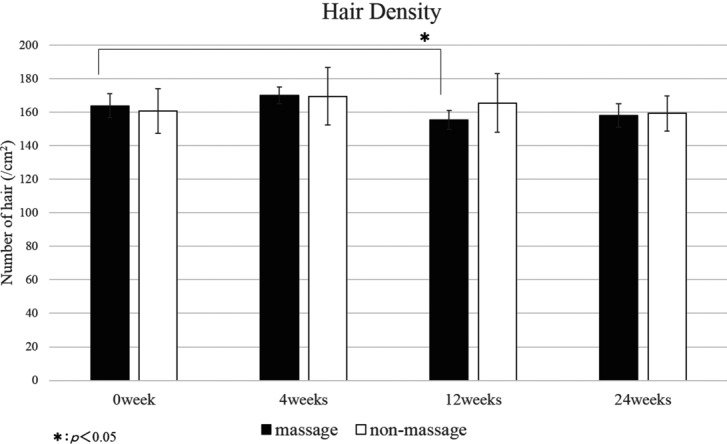
The Mechanical Fallacy
The central premise behind electric vibrating combs is that physical stimulation increases capillary circulation to the hair bulb, thereby feeding miniaturized follicles with nutrients. While mechanical massage can transiently dilate superficial cutaneous capillaries, androgenetic alopecia is not caused by a localized lack of blood flow.
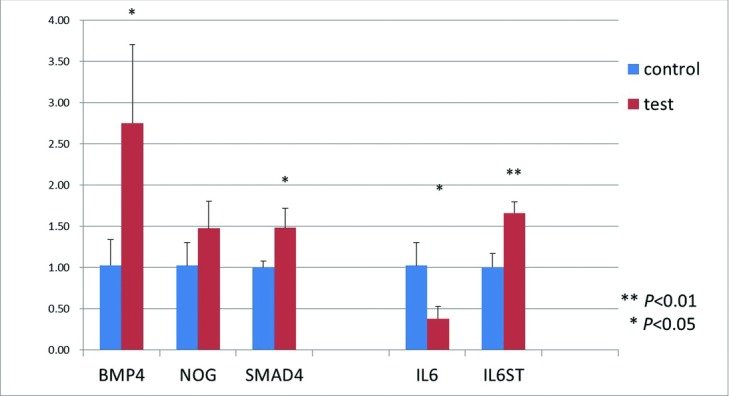
Decades of dermatological research have established that follicular miniaturization is an endocrine and genetic cascade. It is driven by the intracellular conversion of testosterone into dihydrotestosterone by type 2 five alpha reductase enzymes within dermal papilla cells. When dihydrotestosterone binds to androgen receptors, it triggers the upregulation of transforming growth factor beta and interleukin 6, gradually choking the follicle, shortening the anagen growth phase, and replacing healthy follicular architecture with stiff perifollicular fibrosis.
No amount of superficial plastic vibration alters five alpha reductase enzyme expression. No vibration blocks androgen receptors from binding dihydrotestosterone. And no vibration dissolves the dense collagenous scar tissue that locks miniaturized follicles into permanent telogen arrest. When individuals spend six critical months combing their scalps with vibrating plastic, they are not treating the underlying pathophysiology. They are merely allowing dihydrotestosterone to continue its destructive work unchecked.
The Physics of Surface LEDs
The inclusion of red lights in these combs attempts to borrow scientific legitimacy from low level laser therapy. In legitimate clinical dermatology, photobiomodulation relies on specific coherent wavelengths, typically 650 to 655 nanometers, delivered at controlled energy densities between four and five joules per square centimeter. When monochromatic laser light penetrates tissue, it is absorbed by cytochrome c oxidase within mitochondrial membranes, boosting adenosine triphosphate production and transiently stimulating cellular metabolism.
Consumer electric combs do not contain medical grade diode lasers. Instead, manufacturers solder generic decorative light emitting diodes onto cheap printed circuit boards. Unlike coherent laser light, radiation from inexpensive LEDs is diffuse, non coherent, and rapidly scatters within the topmost layers of the stratum corneum.
A healthy human hair follicle sits between three and five millimeters beneath the surface of the scalp, embedded deeply within the subcutaneous adipose layer. The optical power output of decorative surface LEDs is several orders of magnitude too low to deliver therapeutic photon densities to the hair bulb. By the time this scattered light reaches the depth of the dermal papilla, its energy is functionally undetectable.
The Microcurrent Illusion
Marketing materials frequently boast of galvanic microcurrents that stimulate cellular renewal. In clinical neurobiology and wound healing, calibrated pulsed electric fields can modulate ion channel permeability and accelerate epithelial migration. However, consumer combs pass arbitrary microampere currents through non insulated metal or plastic pins across dry, high impedance scalp skin.
Without medical conductive gels and precise frequency regulation, these currents follow the path of least resistance across the outer stratum corneum, producing nothing more than a superficial tingling sensation. There is not a single randomized, double blind, vehicle controlled human trial published in any peer reviewed medical journal demonstrating that consumer microcurrent combs produce a statistically significant increase in terminal hair count or follicular diameter.
The Reality of Folk Solutions
The appeal of the Chinese electric comb belongs to the exact same psychological category as miracle herbal pomades purchased from Turkish street markets, batana oil pressed in Central America, and home made concoctions mixed in kitchen blenders. Hair loss is emotionally distressing, and medical therapies like finasteride and dutasteride require ongoing compliance and carry potential systemic side effect profiles that cause apprehension.
This anxiety creates a massive commercial market for accessible, pain free, zero risk alternatives. When a product claims to deliver pharmaceutical grade regrowth without pills, doctor visits, or side effects, patients understandably want to believe it. Yet across fifty years of clinical trial registries, not a single herbal oil, kitchen extract, or vibrating consumer gadget has ever demonstrated disease modifying efficacy comparable to genuine five alpha reductase inhibitors or cellular therapies.
The Horizon of True Cures
This perpetual cycle of unproven consumer gadgets highlights a deeper frustration shared by millions of people across the globe: will a genuine hair loss cure ever become a reality, or will the community be left cycling between unproven gadgets and thirty year old pharmaceuticals forever?
True biological regeneration requires solving complex cellular challenges. The future lies not in vibrating brushes, but in follicle cloning and autologous cell multiplication led by companies like Stemson Therapeutics, epigenetic reprogramming aimed at clearing cellular senescence, targeted androgen receptor degraders like GT20029, and metabolic stem cell activators like PP405 that trigger lactate production directly inside dormant hair follicle stem cells.
Until these advanced cellular and pharmacological therapies complete rigorous Phase 3 clinical trials and obtain regulatory clearance, patients must separate viral marketing from peer reviewed biological science. Relying on unproven twenty dollar gadgets while ignoring the proven drivers of follicle miniaturization remains the most common way temporary thinning progresses into permanent baldness.