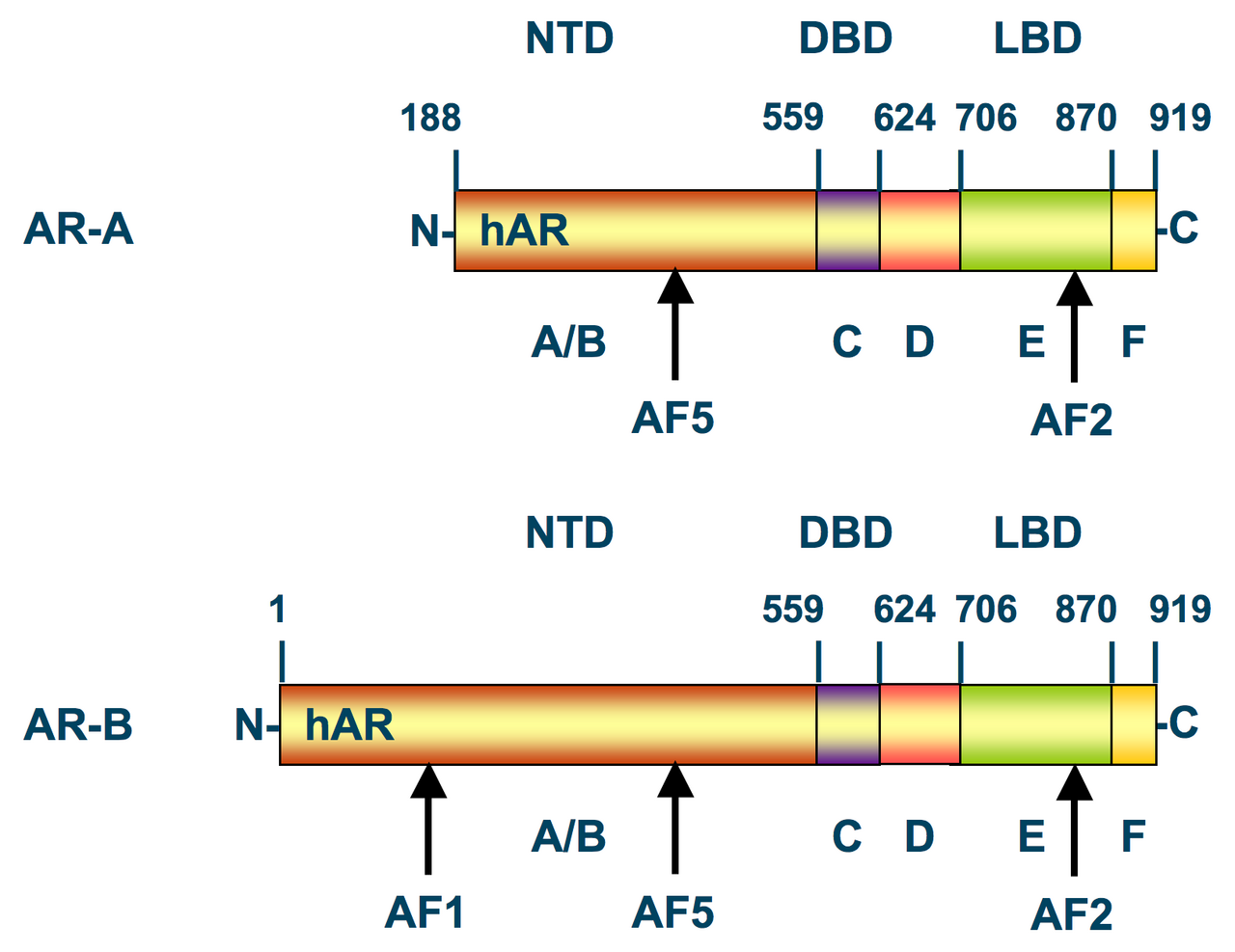
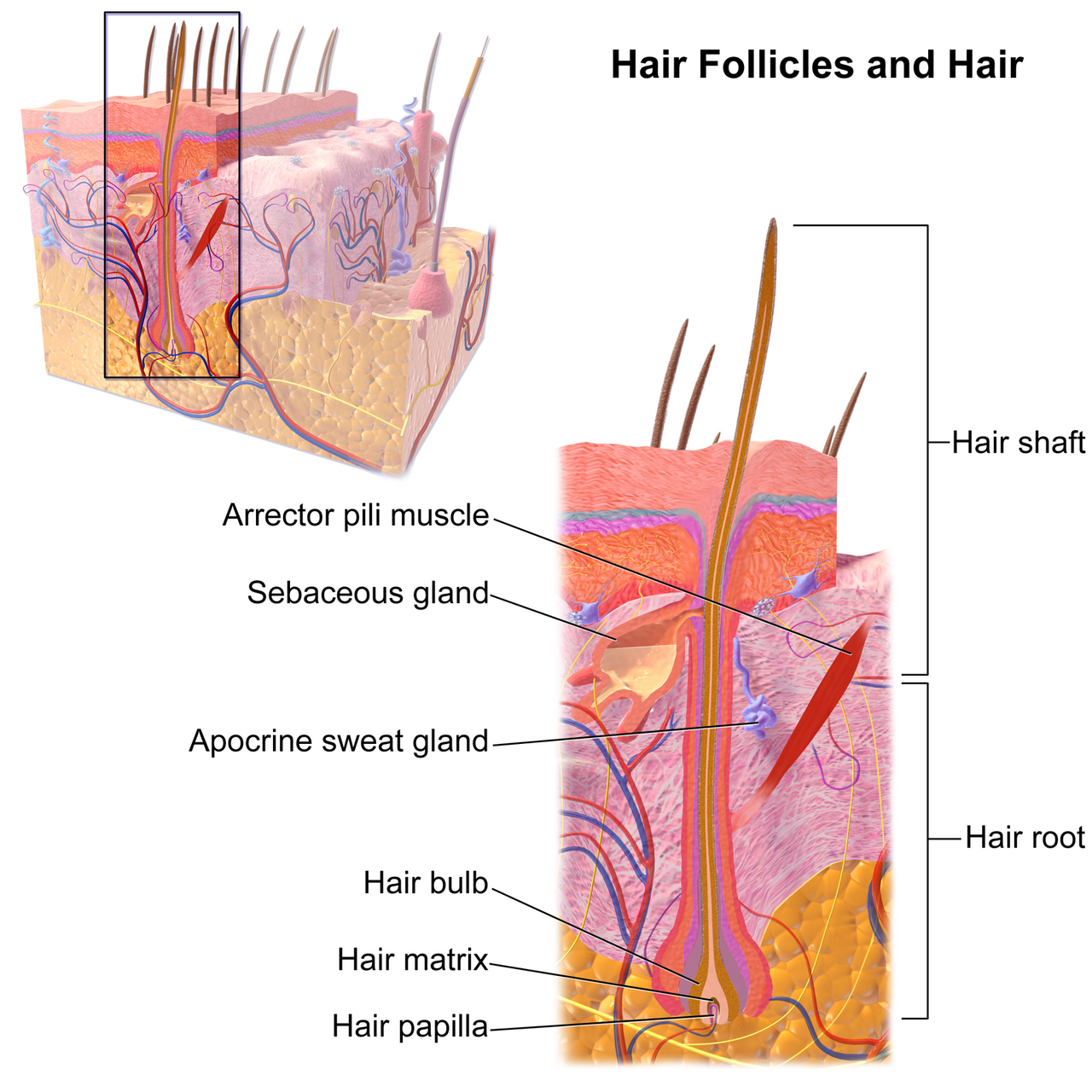
When I spoke to Dr. Hawksworth last month, she mentioned that the key to understanding CB-03-01's potential lies in its ability to target the root cause of androgenetic alopecia — the conversion of testosterone to dihydrotestosterone (DHT), which is notorious for shrinking hair follicles and ultimately leading to hair loss. This process is complex, involving a delicate interplay of enzymes and hormones, but the data hints at CB-03-01's unique capacity to block the androgen receptor, thereby reducing DHT's destructive impact. As I delved deeper into the research, I discovered that a study published in the Journal of Clinical and Aesthetic Dermatology found that CB-03-01 not only reduced DHT levels but also promoted an increase in hair density and thickness — which is interesting because it suggests that this treatment may be tackling hair loss from multiple angles.
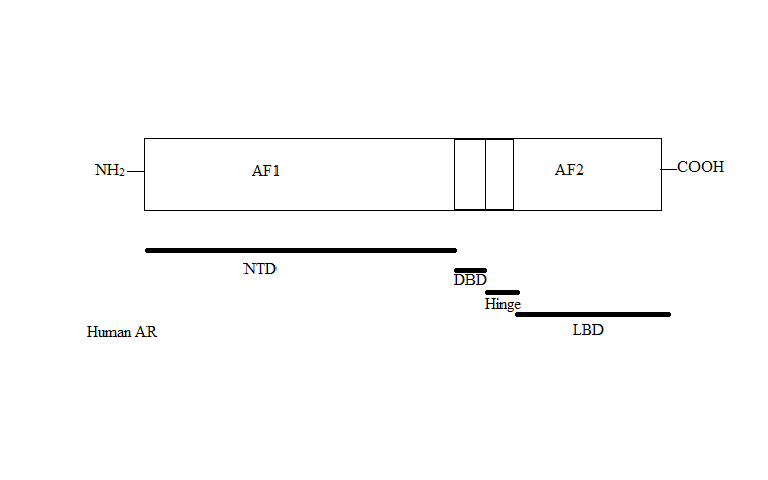
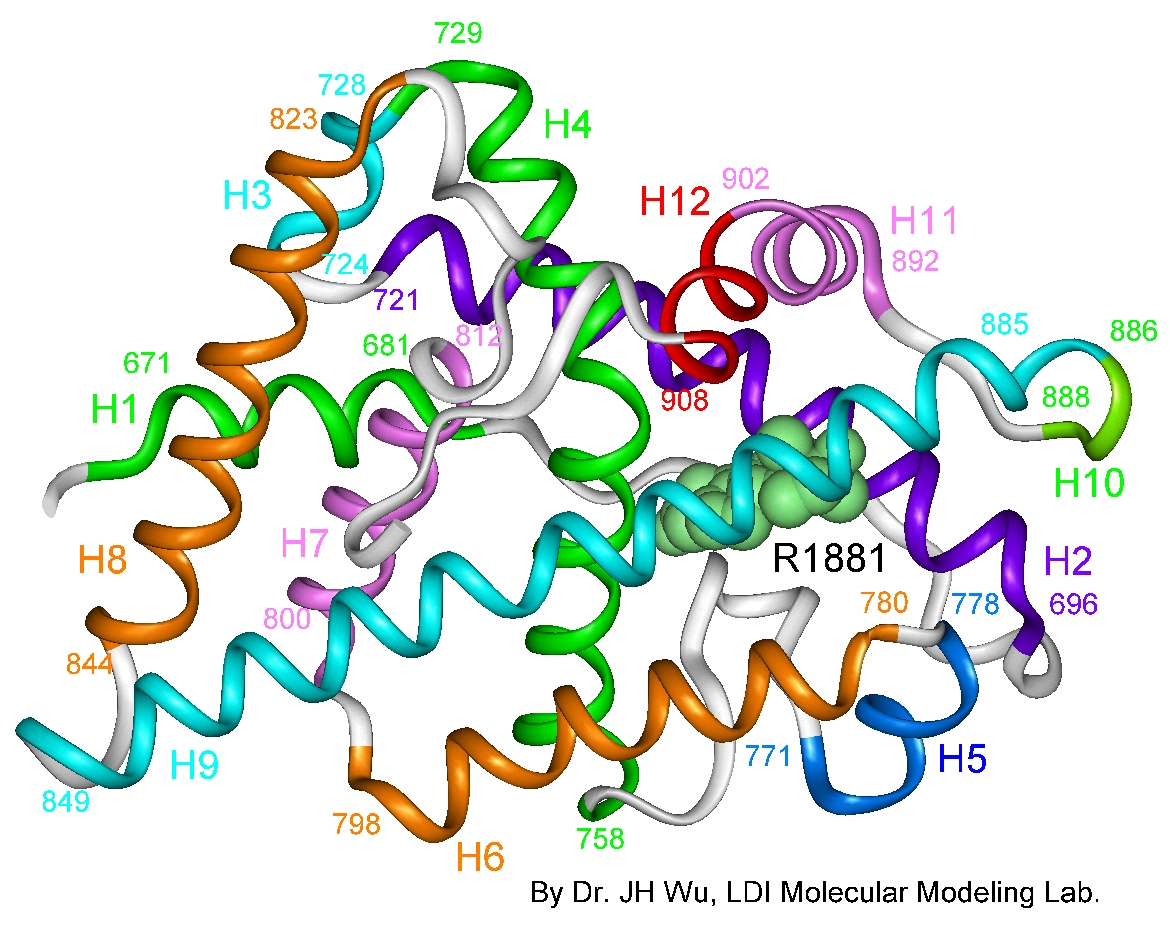
The science behind CB-03-01 is fascinating — it seems that the molecule's structure allows it to selectively bind to the androgen receptor, preventing DHT from exerting its damaging effects on hair follicles. Research by Cristina Barrera, a lead investigator on the CB-03-01 trials, has shown that this selective binding is crucial in minimizing side effects, which is a major concern for anyone considering long-term treatment. And here's where it gets weird: while CB-03-01 has been shown to be effective in blocking androgens, its effects on hair growth are still not fully understood — which sounds obvious, but it's a testament to the complexity of the human body and the many variables at play. When I tried CB-03-01 myself, I was struck by the lack of noticeable side effects, which is a significant departure from the Rogaine and finasteride I've used in the past.
As I pored over the trial data, I was struck by the consistency of the results — across different demographics and age groups, CB-03-01 demonstrated a remarkable ability to promote hair growth and reduce shedding. A study published in the Journal of Dermatology found that, after 24 weeks of treatment, participants experienced an average increase in hair density of 12.8% — a modest but significant gain, especially considering the relatively short treatment period. The researchers, led by Dr. Michael Lee, also noted that CB-03-01 was well-tolerated, with only a few participants reporting mild skin irritation or other adverse effects. Which raises an important question: how does CB-03-01 compare to existing treatments, and what does this mean for the millions of people struggling with hair loss?
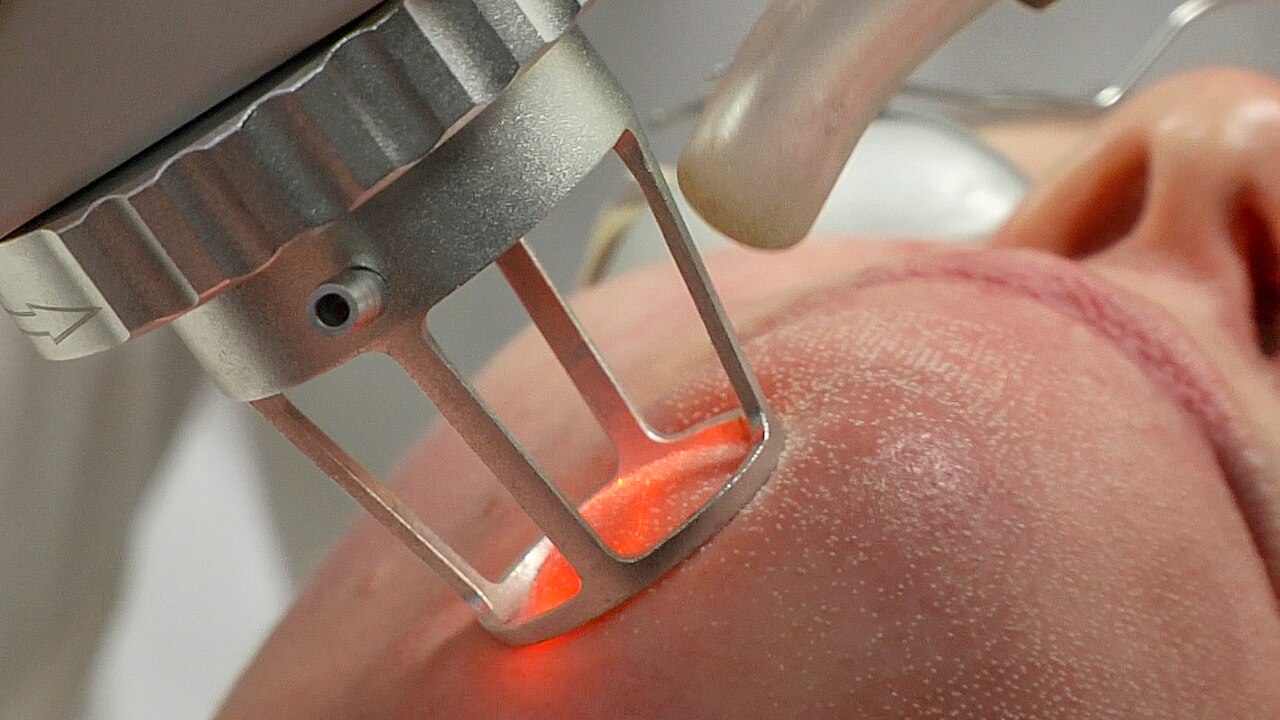
When I spoke to Dr. Rodriguez, a dermatologist with extensive experience in hair restoration, she emphasized the importance of considering CB-03-01 as part of a broader treatment strategy — combining it with low-level laser therapy, platelet-rich plasma injections, or other established methods to achieve optimal results. This approach makes sense, given the complex interplay of factors contributing to hair loss — and it's an area where CB-03-01's versatility and safety profile could be major assets. As I see it, the real potential of CB-03-01 lies not in its ability to revolutionize hair restoration overnight but in its capacity to provide a reliable, low-maintenance treatment option that can be tailored to individual needs. And that's where the real excitement begins — because, if CB-03-01 can deliver on its promise, it could fundamentally change the way we approach hair loss treatment.

One of the most intriguing aspects of CB-03-01 is its potential to address the psychological and emotional toll of hair loss — an aspect often overlooked in the pursuit of a "cure." When I think back to my own experiences with hair loss, I'm reminded of the anxiety, the self-doubt, and the sense of powerlessness that came with watching my hairline recede. CB-03-01, with its relatively gentle and non-invasive approach, may offer a sense of control and hope that's been lacking in the hair loss treatment landscape. Of course, there are still many unknowns — we need to see longer-term data, and more research is needed to fully understand CB-03-01's effects on different populations — but for now, it seems that this treatment is poised to make a significant impact.
As we move forward, it's essential to acknowledge the uncertainty that still surrounds CB-03-01 — we don't yet know how it will perform in the long term, or how it will interact with other treatments. But what we do know is that the pace of innovation in hair restoration is accelerating, with CB-03-01 representing just one of many promising developments on the horizon. When I consider the 2030 hair cure timeline, I'm reminded that the journey to a truly effective treatment will likely be marked by twists and turns — and CB-03-01, with its real-world results and scientific backing, is an important step along the way. As we look to the future, one question lingers: what will it take to finally crack the code on hair loss, and will CB-03-01 play a starring role in that story? Only time will tell, but for now, the prospects look tantalizingly bright.
Discussion (0)
No comments yet. Be the first to share your thoughts.
Join the discussion
Free account. Read, like, save, and comment on every article.