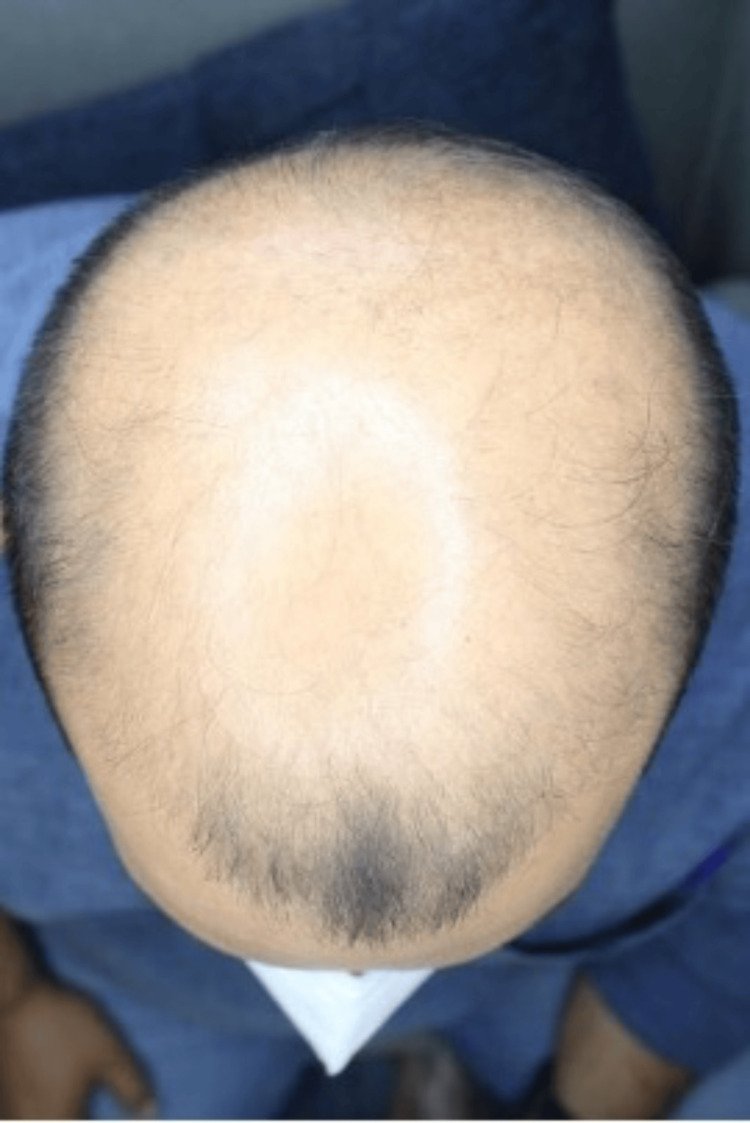
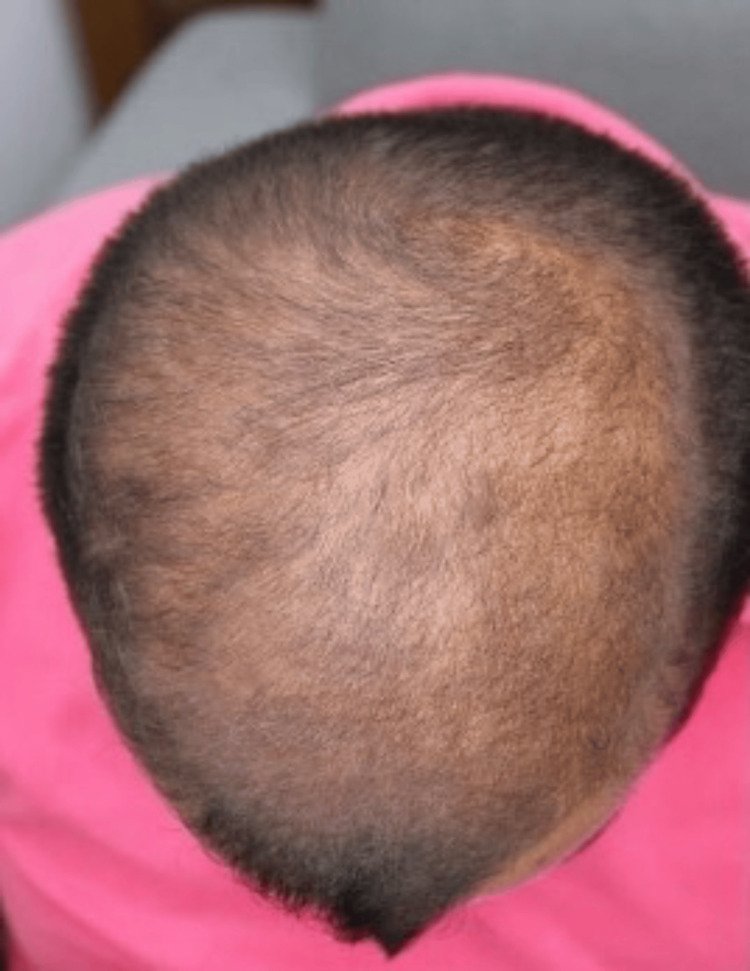
Clascoterone (CB-03-01): Patient Data and Real-World Effectiveness
Standard safety profile; consult a board-certified dermatologist.
Evidence-based therapy under active evaluation; review with your physician before altering your routine.
For patients navigating pattern hair loss, oral finasteride and dutasteride have long represented the standard medical line of defense. However, both medications operate by systemically suppressing the 5-alpha reductase enzyme, lowering dihydrotestosterone throughout the entire body. For individuals seeking to avoid systemic hormonal modulation, topical androgen receptor antagonists provide a fundamentally different therapeutic mechanism.
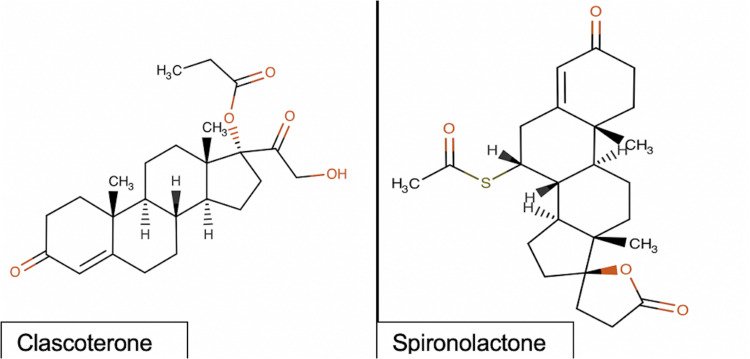
Among these emerging non-systemic therapies, clascoterone, previously designated in development trials as CB-03-01, has generated substantial interest across clinical dermatology. Rather than inhibiting the conversion of testosterone to dihydrotestosterone, clascoterone functions as a competitive antagonist directly at the androgen receptor within hair follicle dermal papilla cells.
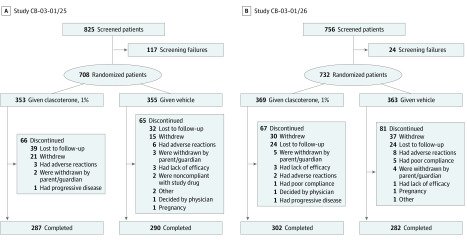
Cutaneous Bioavailability and Rapid Metabolic Clearance
The defining obstacle with topical hormonal therapies has always been systemic absorption. When a potent antiandrogen enters systemic circulation, it carries the risk of endocrine disruption. Clascoterone bypasses this limitation through a targeted molecular architecture designed for rapid local hydrolysis.
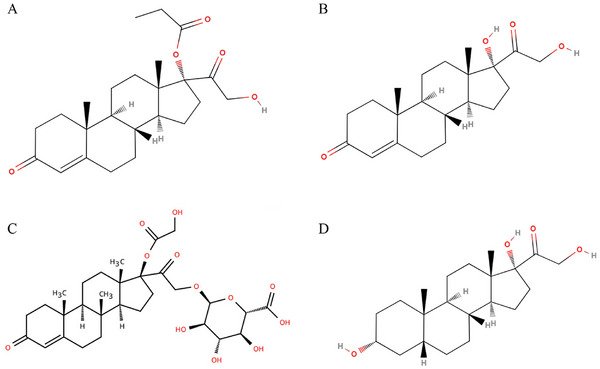
Upon application, clascoterone penetrates the lipid layers of the stratum corneum, reaching high concentrations within the pilosebaceous unit. At the follicle, it binds the androgen receptor with high affinity, competitively displacing dihydrotestosterone. Crucially, as trace amounts of the drug absorb past the dermis into the capillary bed, skin and serum esterases rapidly hydrolyze the compound into cortexolone. Cortexolone is an inactive parent steroid with no meaningful antiandrogenic activity.
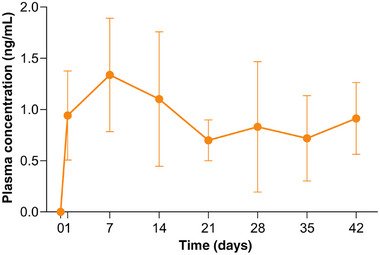
Clinical pharmacokinetic trials demonstrate that steady-state plasma concentrations of clascoterone remain negligible, measuring in low single-digit nanograms per milliliter. This rapid metabolic breakdown explains why human clinical trials have consistently demonstrated an absence of systemic antiandrogenic adverse events, with libido, erectile function, and serum hormonal panels remaining indistinguishable from vehicle placebo.
Target Area Hair Count and Dose Ranging Evidence
The primary clinical evidence for clascoterone in male androgenetic alopecia stems from a multi-center, randomized, double-blind Phase 2 trial enrolling over 400 male subjects aged 18 to 55.
Investigators examined multiple concentrations and dosing frequencies over a 12-month period, evaluating 2.5%, 5%, and 7.5% solution applied once daily or twice daily against vehicle controls. Efficacy was determined by measuring Target Area Hair Count (non-vellus terminal hairs) and standardized global photographic assessment:
1. The highest dosage cohort, receiving the 7.5% solution applied twice daily, demonstrated a statistically significant increase in Target Area Hair Count of approximately +14.3 terminal hairs per square centimeter at month 12. 2. The 7.5% once-daily formulation achieved a respectable gain of roughly +11 hairs per square centimeter, confirming a positive response but highlighting the superiority of twice-daily dosing. 3. Lower concentrations (2.5% and 5%) preserved existing hair counts and stabilized miniaturization, but produced smaller improvements in terminal caliber. 4. Local tolerability was exceptional, with application-site erythema and mild scaling observed in less than 5% of participants, matching the safety profile of vehicle controls.
Practical Clinical Considerations
Applying clascoterone in a clinical setting requires strict adherence to dosing protocols. Because the molecule is rapidly metabolized by design, skipping doses allows follicle androgen receptors to rebound and bind circulating dihydrotestosterone. Twice-daily application remains essential to sustain continuous local receptor occupancy.
Furthermore, formulation vehicle matters. The 1% cream marketed for acne under the trade name Winlevi is unsuitable for hairy scalp skin, leaving greasy residue and impairing follicle absorption. The higher concentration liquid solution specifically developed for hair restoration provides the necessary delivery to dermal papilla cells.
When integrated into a comprehensive hair maintenance regimen alongside microvascular stimulants like minoxidil, clascoterone provides an effective local antiandrogenic barrier for patients seeking an alternative to systemic oral medications.