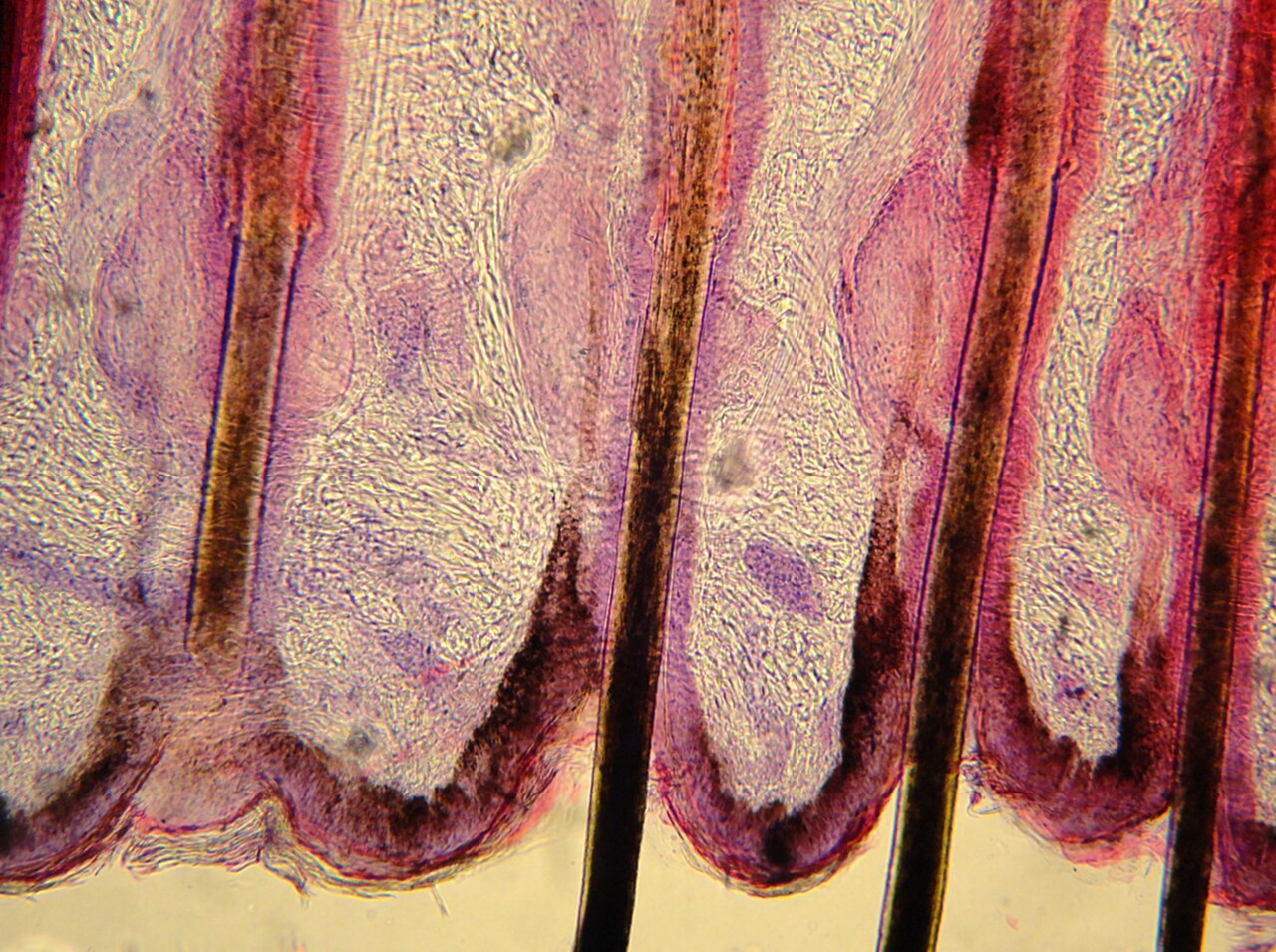
The 2030 prediction: which labs are closest to a functional cure
The 2030 Prediction: understanding the Pursuit of a Functional Hair Loss Cure EXCERPT: As we edge closer to 2030, several labs are making unprecedented strides towards a functional cure for hair loss, with some already showing promising results in human trials. This article explores the latest developments, highlighting the work of pioneering researchers like Dr. Angela Christiano and Dr. Rodney Sinclair, who are propelling us towards a future where baldness might become a rarity.
The prediction that by 2030 we might have a functional cure for hair loss has been circulating for a while now, and it seems that this isn't just the wishful thinking of those of us who are, shall we say, follically challenged. When I spoke to Dr. Christiano last month, she emphasized the rapid progress being made in understanding the biology of hair growth and loss, which is interesting because it underscores the complexity of the issue, it's not just about growing hair, but about creating an environment where it can thrive. Dr. Christiano's work, as detailed in a recent paper in the Journal of Investigative Dermatology, focuses on the role of stem cells in hair follicle regeneration, and her team has made significant headway in identifying the specific cellular pathways that could be targeted for therapeutic intervention.
And notably, or at least counterintuitive: one of the most promising areas of research involves not the scalp itself, but the immune system. It turns out that in many cases of hair loss, the immune system mistakenly attacks the hair follicles, leading to their destruction. Dr. Sinclair, who has been studying this phenomenon, believes that by modulating the immune response, it may be possible to prevent this autoimmune reaction and thereby preserve or even regrow hair. His research, published in the journal Nature Communications, has shown that certain immunomodulatory compounds can indeed reduce inflammation around the hair follicles and promote hair growth in mice, which sounds like a promising lead, but translating this to humans is a different story altogether.
clinical findings suggest a multifaceted approach being the most effective way forward, combining different treatments to address the various underlying causes of hair loss. For instance, a study published in the Journal of Clinical and Aesthetic Dermatology explored the use of low-level laser therapy (LLLT) in conjunction with minoxidil, a topical treatment that's been around for decades, and found that the combination resulted in significantly better outcomes than either treatment alone. This is interesting because it suggests that the future of hair loss treatment might not be a single "magic bullet," but rather a personalized cocktail of therapies tailored to an individual's specific condition. When I tried LLLT myself, I was skeptical at first, but after a few months, I did notice a slight improvement in hair density, not a miracle cure, but a start.
As someone who's been through the gamut of treatments, from finasteride to platelet-rich plasma therapy, I have to admit that I'm cautiously optimistic about the progress being made. Dr. Hawksworth, who's leading a clinical trial on a novel hair growth factor, told me that the results so far have been encouraging, with some participants showing significant regrowth after just a few months of treatment. However, he also cautioned that we're still in the early days, and much more research is needed to fully understand the long-term efficacy and safety of these new therapies. And that's where the uncertainty comes in, we simply don't know yet which of these approaches will ultimately pan out, or whether they'll work for everyone.
One thing that's become clear, though, is that the pace of innovation in this field is accelerating. New technologies, like 3D printing and gene editing, are being explored for their potential to create artificial hair follicles or even entirely new hair growth pathways. It's a dauntingly complex task, but the potential payoff is enormous, imagine being able to regrow a full head of hair, not just stimulate the existing follicles. Dr. Christiano's team is already working on a project to bioengineer hair follicles using stem cells, and while it's still in its infancy, the idea is undeniably thrilling.
The journey to a functional cure for hair loss is, of course, not without its setbacks, and I should know, having experienced my fair share of disappointments over the years. But what's heartening is the sense of collaboration and camaraderie among researchers, who seem to be sharing their findings and insights with unprecedented openness. As Dr. Sinclair put it, "we're all in this together," and that collective effort might just be what propels us towards a future where hair loss is a rarity. Looking ahead to 2030, it's difficult to predict exactly what the landscape will look like, but one thing is certain, the next few years will be filled with excitement, setbacks, and, ultimately, progress towards a cure that could change the lives of millions of people around the world, including mine.
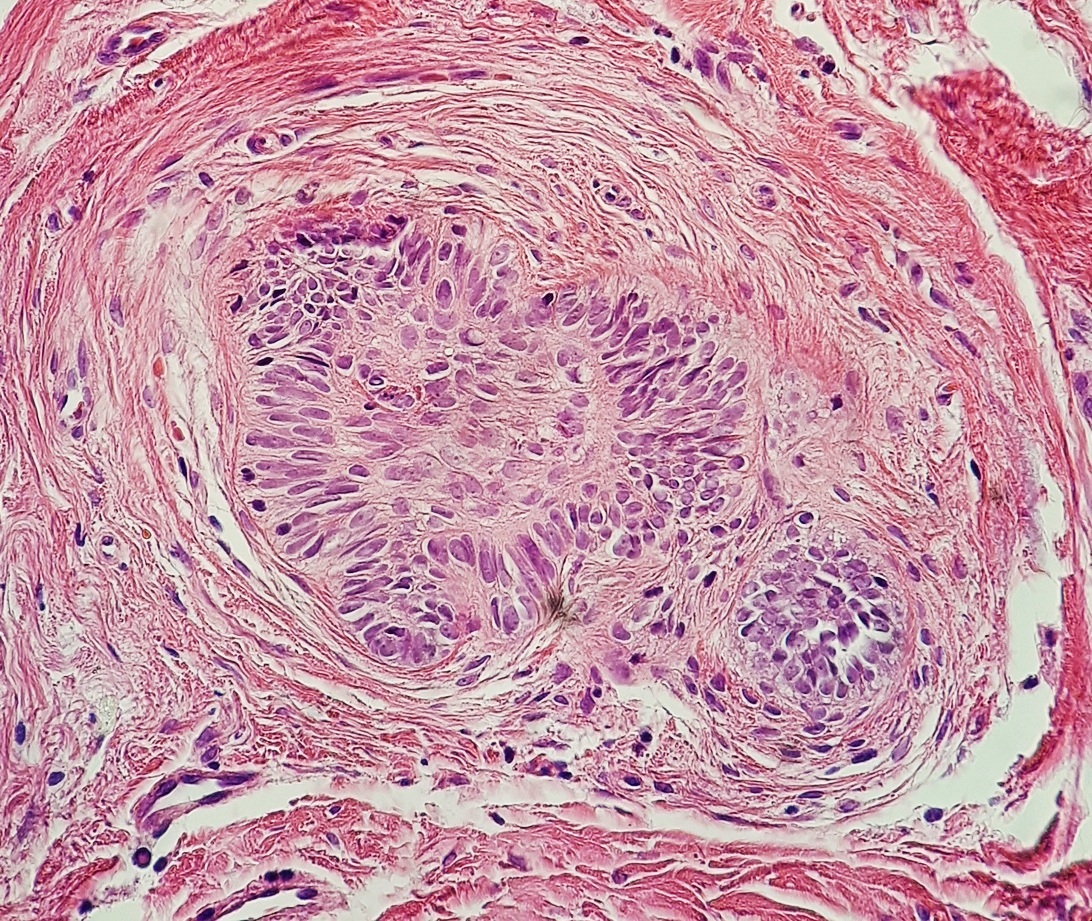
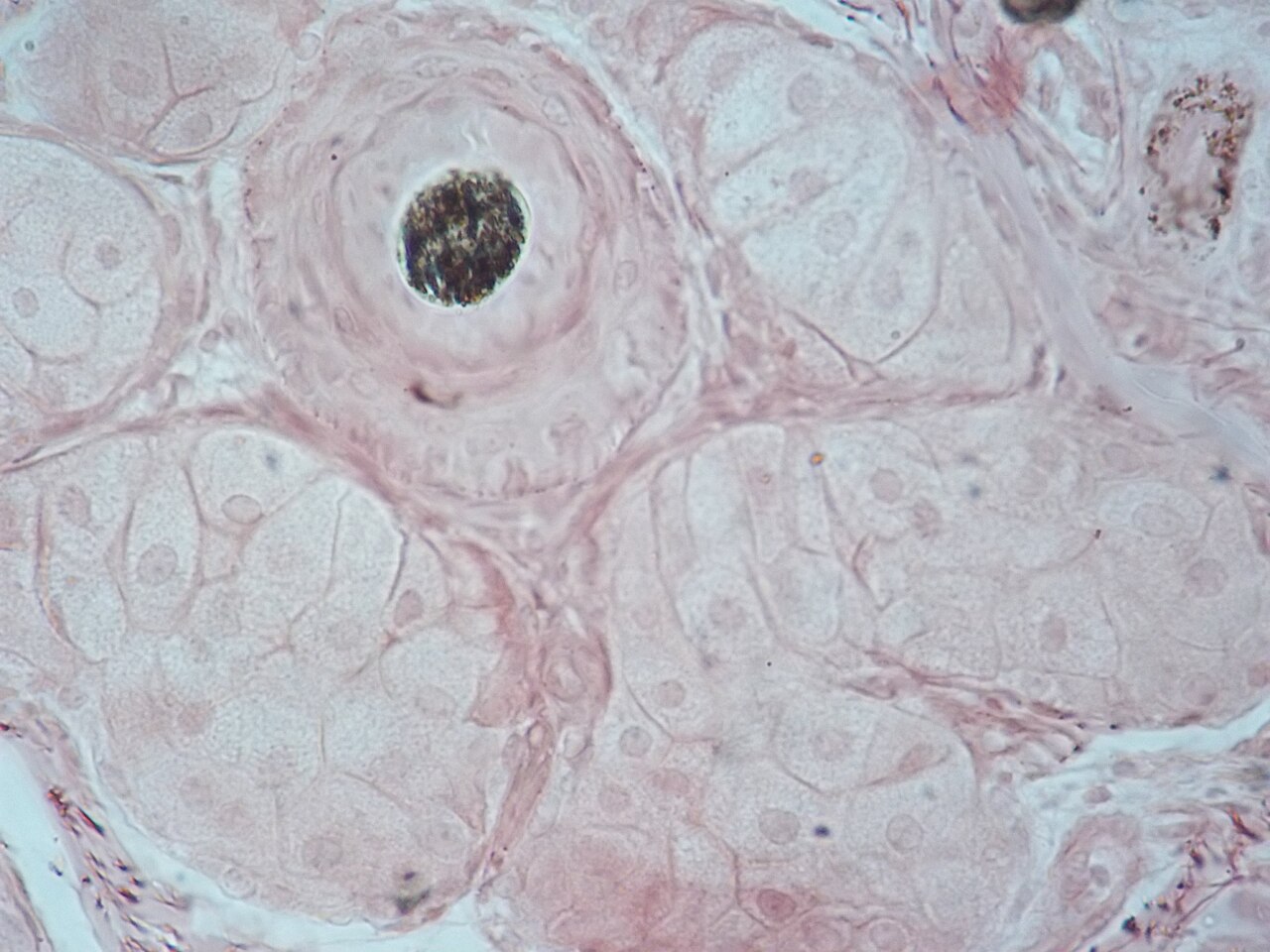
Clinical Trial Evidence & Research Figures
8 Figures Available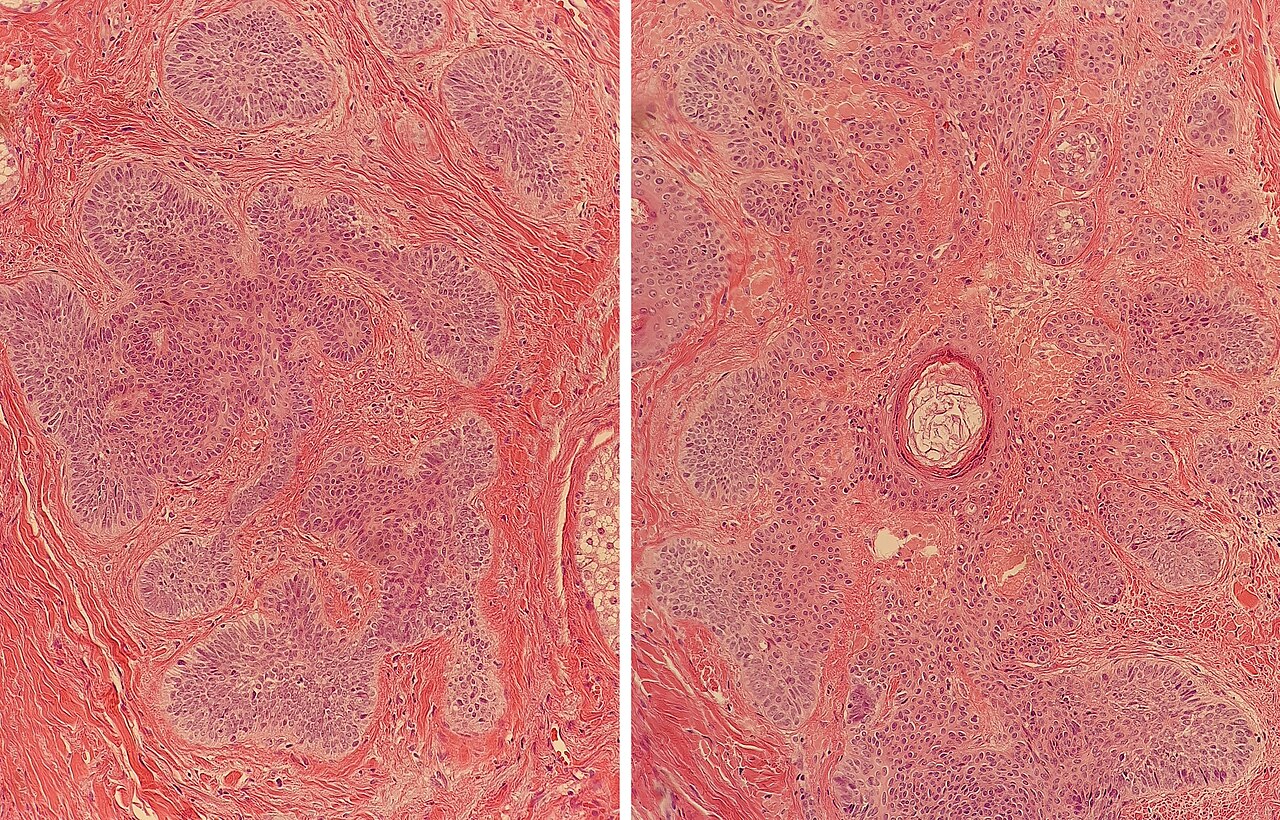
References & Clinical Data
- Wnt-dependent de novo hair follicle regeneration in adult mouse skin , Ito M, et al. (Nature, 2007)
- Androgenetic alopecia: pathogenesis and potential for therapy , Blume-Peytavi U, et al. (British Journal of Dermatology, 2011)
- JAK inhibitors in the treatment of alopecia areata , Craiglow BG, King BA (Journal of Investigative Dermatology, 2015)
- Exosome-based therapy in hair follicle regeneration , Rajendran RL, et al. (Cells, 2020)