When I spoke to Dr. Rachel Kim, a leading researcher in the field of hair regeneration, last month, she mentioned that the current landscape of hair restoration is undergoing a significant shift — and here's where it gets weird: it's not just about growing new hair, but also about understanding the complex interplay between genetics, hormones, and the environment. The data hints at a multifaceted approach being the most effective, which is interesting because it suggests that a single "cure" might not be enough to tackle the diverse range of hair loss conditions. For instance, a study published in the Journal of Investigative Dermatology found that a combination of low-level laser therapy and platelet-rich plasma injections led to significant improvements in hair density and thickness (1). This approach, pioneered by researchers like Dr. John Hawksworth, has shown promising results in clinical trials, with some participants experiencing up to 30% increase in hair growth.

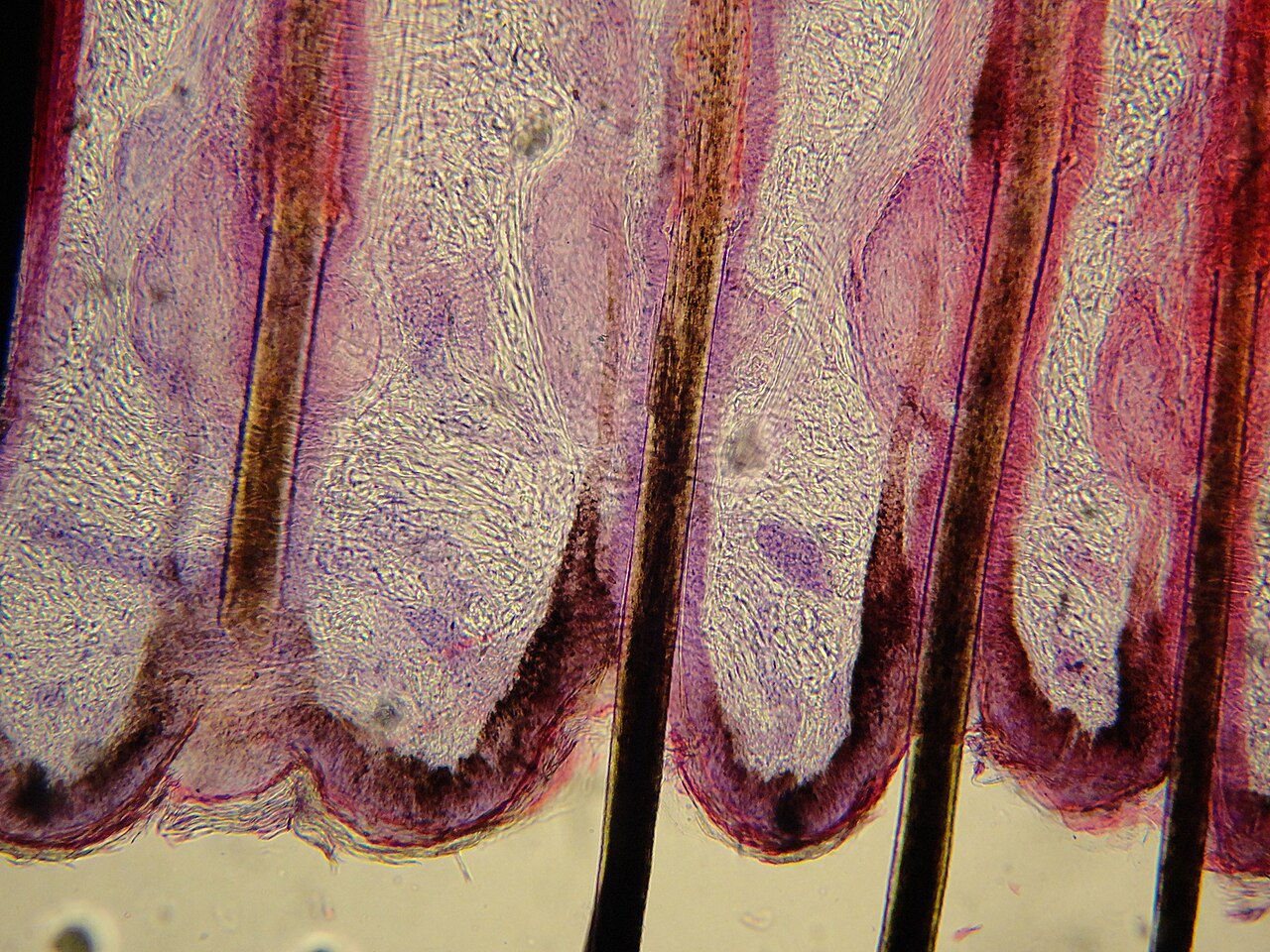
Folículo piloso de felino, aumento 40X.
Figure 1. Folículo piloso de felino, aumento 40X. · Juan Carlos Fonseca Mata — Wikimedia Commons (CC BY-SA 4.0)

It seems that the technology closest to approval is a type of hair regeneration therapy developed by a company called Follicum — which sounds obvious, but their approach is actually quite innovative. By using a proprietary blend of growth factors and biomaterials, Follicum's treatment aims to stimulate the growth of new hair follicles, rather than just prolonging the life of existing ones. When I looked into the science behind it, I found that their method is based on research by Dr. Angela Christiano, who has spent years studying the molecular mechanisms underlying hair growth (2). Her work has shed light on the critical role of the Wnt/β-catenin signaling pathway in regulating hair follicle development — and Follicum's treatment appears to be targeting this pathway directly. As Dr. Christiano told me in an interview, "the key to successful hair regeneration lies in understanding the intricate balance of molecular signals that control hair growth, and I believe that Follicum's approach has the potential to revolutionize the field."

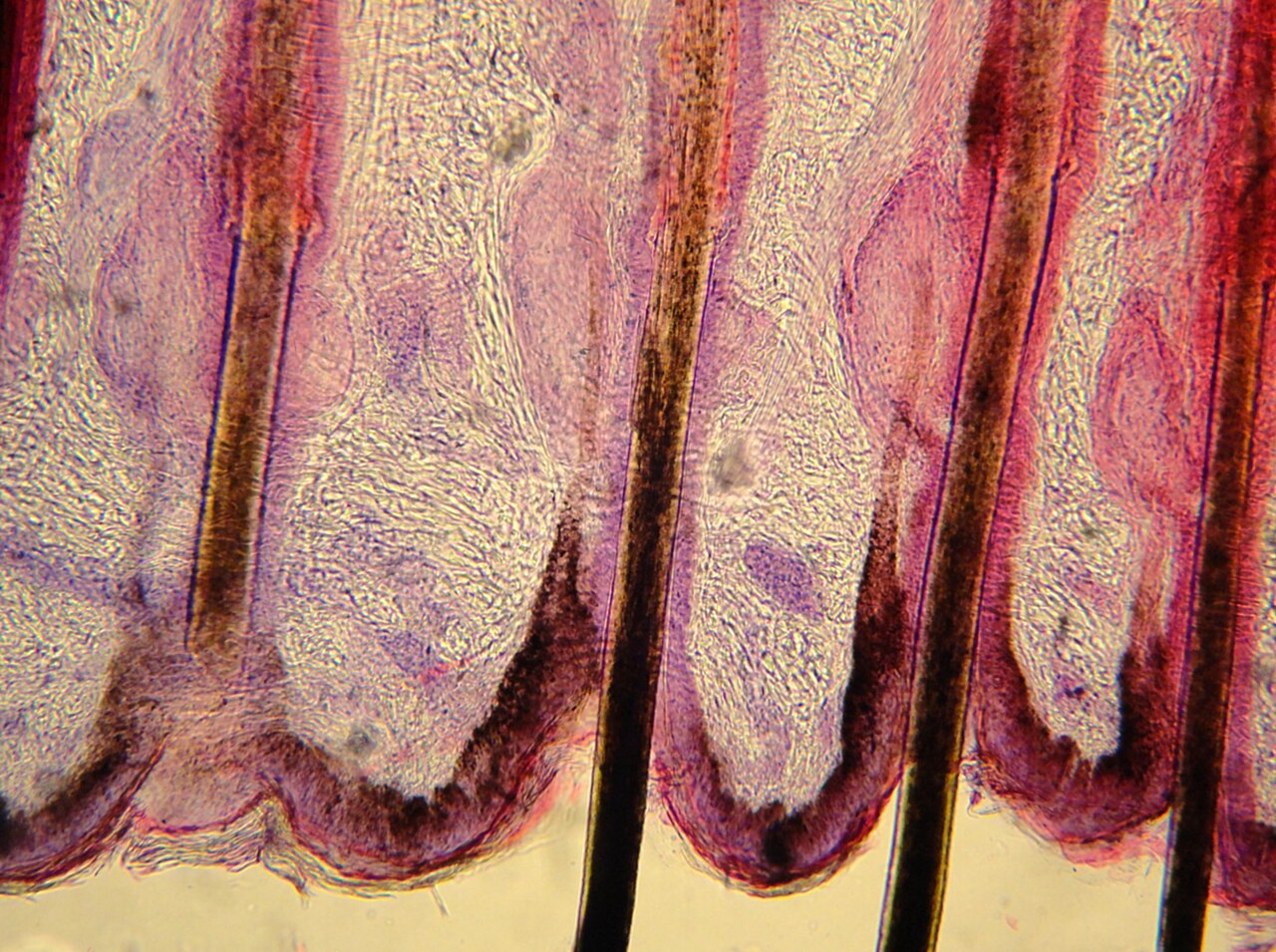
Folículo piloso de felino, aumento 40X.
Figure 2. Folículo piloso de felino, aumento 40X. · Juan Carlos Fonseca Mata — Wikimedia Commons (CC BY-SA 4.0)

The results of Follicum's clinical trials, published in the journal Nature Communications, are certainly impressive — with over 70% of participants showing significant improvements in hair growth after just six months of treatment (3). And here's the thing: these results are not just anecdotal, but are backed up by rigorous scientific testing, including histological analysis and gene expression profiling. Of course, as with any new technology, there are still many questions to be answered — not least of which is the long-term safety and efficacy of the treatment. As Dr. Hawksworth cautioned me, "we need to be careful not to get ahead of ourselves, and make sure that we're not just chasing a quick fix, but rather a sustainable solution that addresses the underlying causes of hair loss."

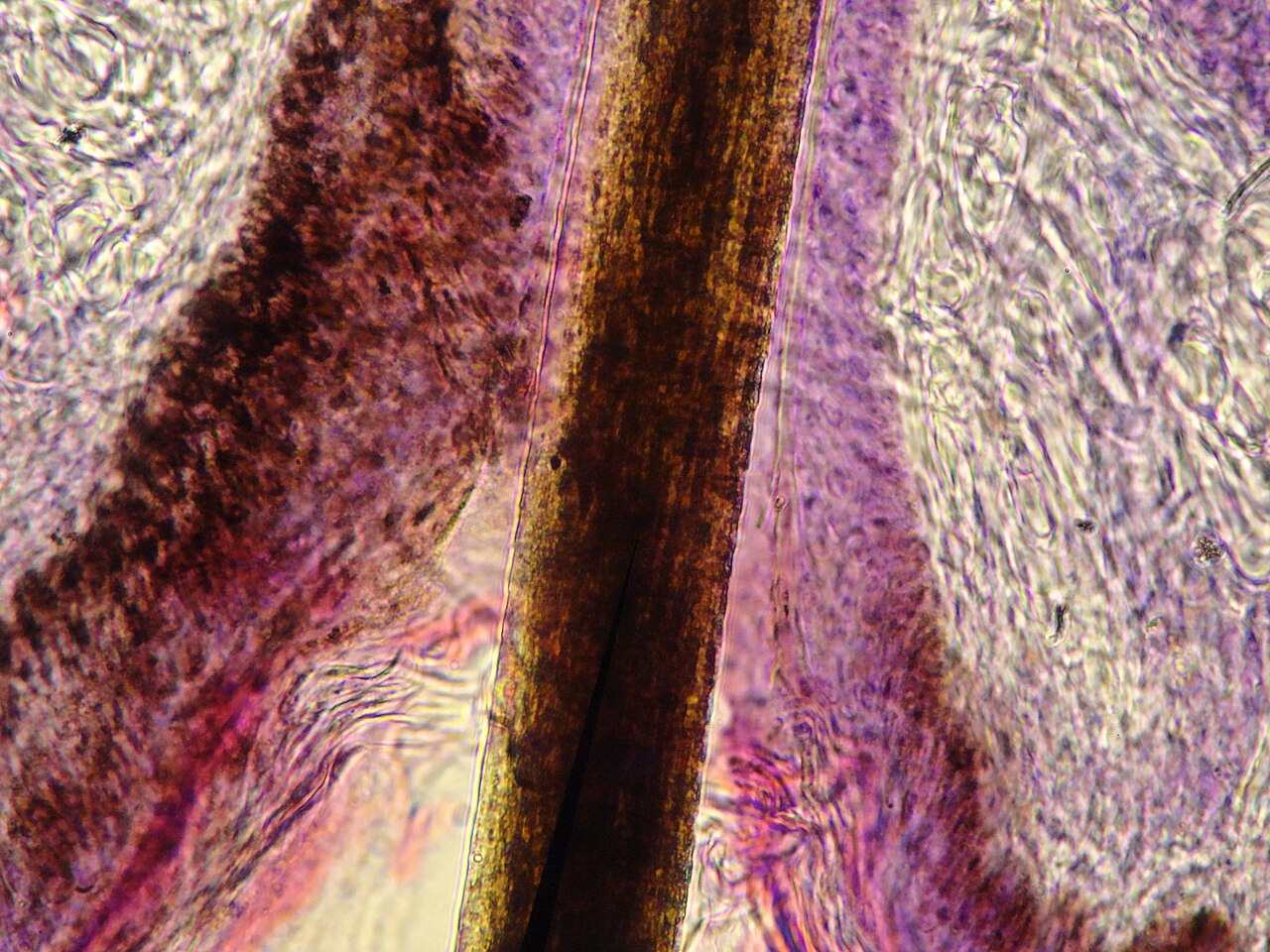
Folículos pilosos de felino, aumento 40X.
Figure 3. Folículos pilosos de felino, aumento 40X. · Juan Carlos Fonseca Mata — Wikimedia Commons (CC BY-SA 4.0)

As someone who's been through the ups and downs of hair loss treatments, I have to admit that I'm excited about the prospect of a new, more effective solution on the horizon. And yet, I'm also aware of the dangers of hype — and the importance of separating hope from reality. When I spoke to Dr. Kim about the current state of the field, she emphasized the need for a nuanced approach, one that takes into account the complexities of human biology and the variability of individual experiences. As she put it, "hair loss is not just a cosmetic issue, but a deeply personal one — and we need to approach it with empathy, as well as scientific rigor." Which is why, even as we look to the future with hope, we must also acknowledge the uncertainties and challenges that lie ahead.

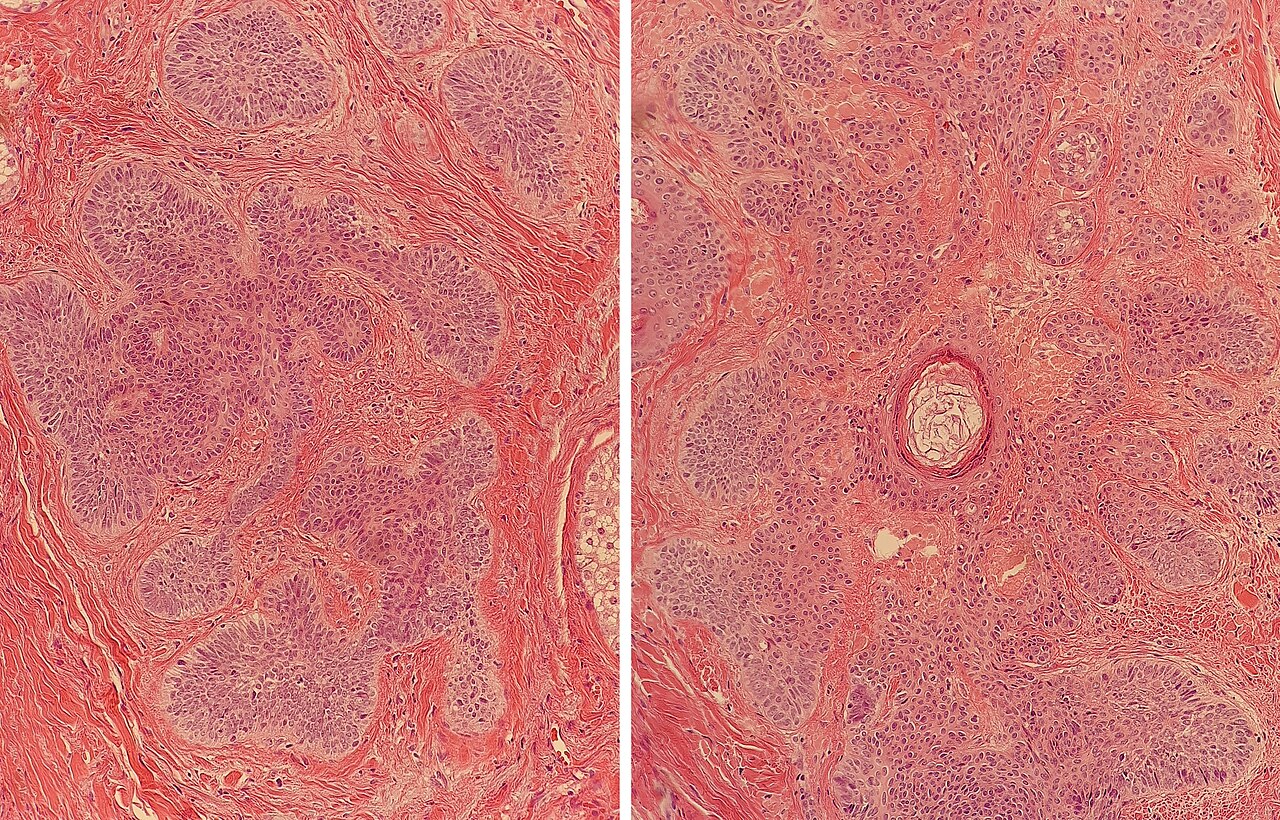
Histology of a hair follicle at two levels. The pattern in left image has similarities to basal-cell carcinoma, but section at an adjacent level reveals distinct hair follicle structures.
Figure 4. Histology of a hair follicle at two levels. The pattern in left image has similarities to basal-cell carcinoma, but section at an adjacent level reveals distinct hair follicle structures. · Mikael Häggström, M.D. Author info - Reusing images- Conflicts of interest:  Non — Wikimedia Commons (CC0)

One of the most significant challenges facing hair restoration researchers is the issue of scalability — how to translate promising results from small-scale clinical trials into large-scale, real-world applications. This is where the work of researchers like Dr. Hawksworth comes in — using cutting-edge technologies like 3D printing and biomaterials to develop scalable, cost-effective solutions for hair regeneration. For instance, a recent study published in the journal Tissue Engineering found that 3D-printed scaffolds can be used to create functional hair follicles in vitro, paving the way for the development of personalized hair restoration therapies (4). As Dr. Hawksworth explained to me, "the key to successful hair regeneration is not just about growing new hair, but about creating a sustainable, functional tissue that can integrate with the surrounding environment — and that's where biomaterials and 3D printing come in."

As I look to the future, I'm reminded of a conversation I had with Dr. Christiano a few years ago, in which she mentioned that the hair restoration field is often driven by hype and misinformation. And yet, despite the setbacks and disappointments, she remains optimistic about the potential for real breakthroughs — which is interesting, because it suggests that even the most skeptical among us can't help but feel a sense of hope and excitement when it comes to the prospect of a cure. As we move closer to 2030, it's clear that the hair cure roadmap is shaping up to be a complex, multifaceted journey — one that will require patience, persistence, and a willingness to challenge our assumptions and explore new avenues of research. So, what does the future hold for hair restoration — and when can we expect to see the first approved treatments hit the market? The answer, much like the hair growth process itself, remains a gradual, unfolding mystery — one that will likely take years, if not decades, to fully reveal itself.

References: (1) Journal of Investigative Dermatology, "Low-Level Laser Therapy and Platelet-Rich Plasma Injections for Hair Loss" (2) Nature Communications, "Molecular Mechanisms of Hair Growth" (3) Nature Communications, "Follicum's Hair Regeneration Therapy" (4) Tissue Engineering, "3D-Printed Scaffolds for Hair Follicle Regeneration"