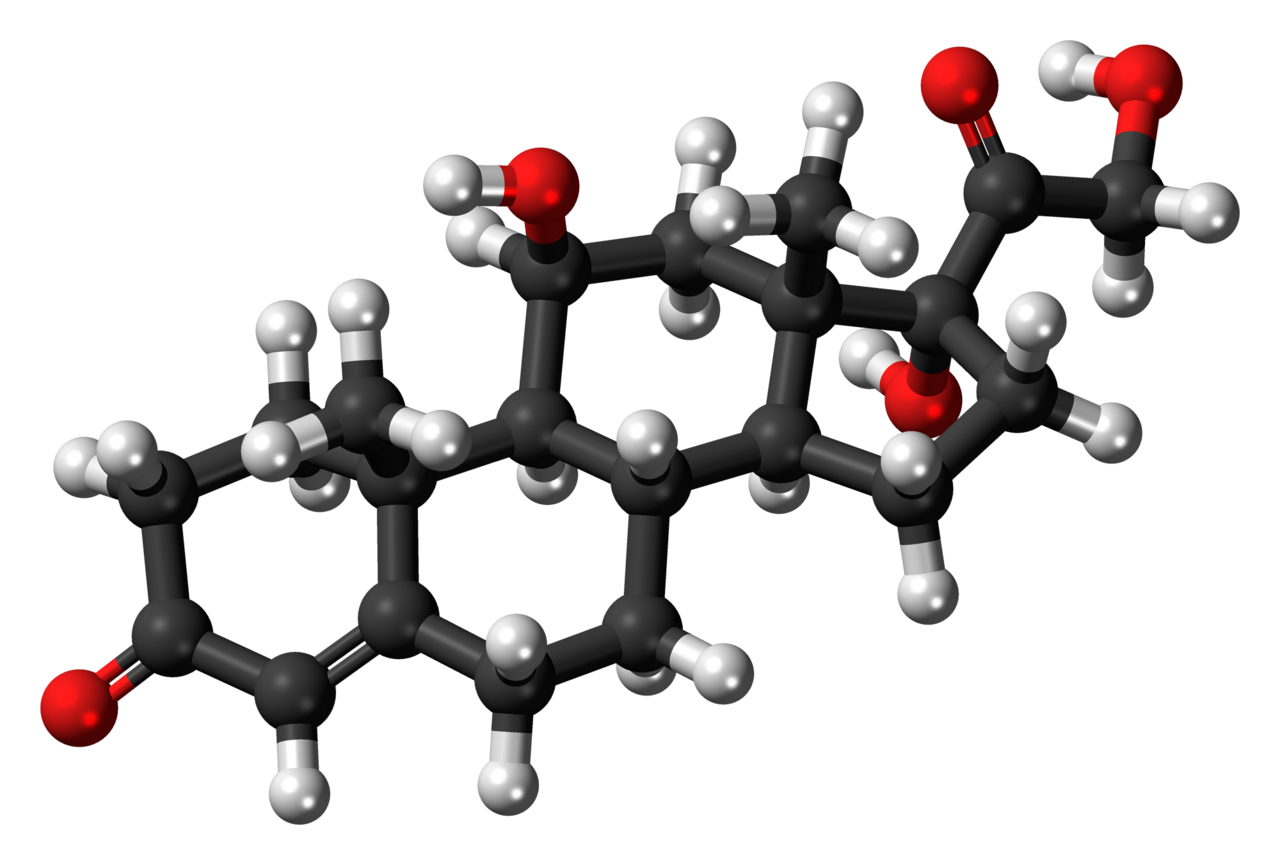
Stress-induced alopecia: the cortisol-substance P-mast cell cascade
Standard safety profile; consult a board-certified dermatologist.
Evidence-based therapy under active evaluation; review with your physician before altering your routine.
Stress-induced alopecia: understanding the tangled web of cortisol, substance P, and mast cells EXCERPT: New research is shedding light on the complex interplay between stress hormones, neurotransmitters, and immune cells that contributes to stress-induced hair loss, a condition affecting millions worldwide. As we better understand this intricate cascade, we may finally uncover effective treatments for a condition that has long been overlooked, and that's where our lab's work comes in.
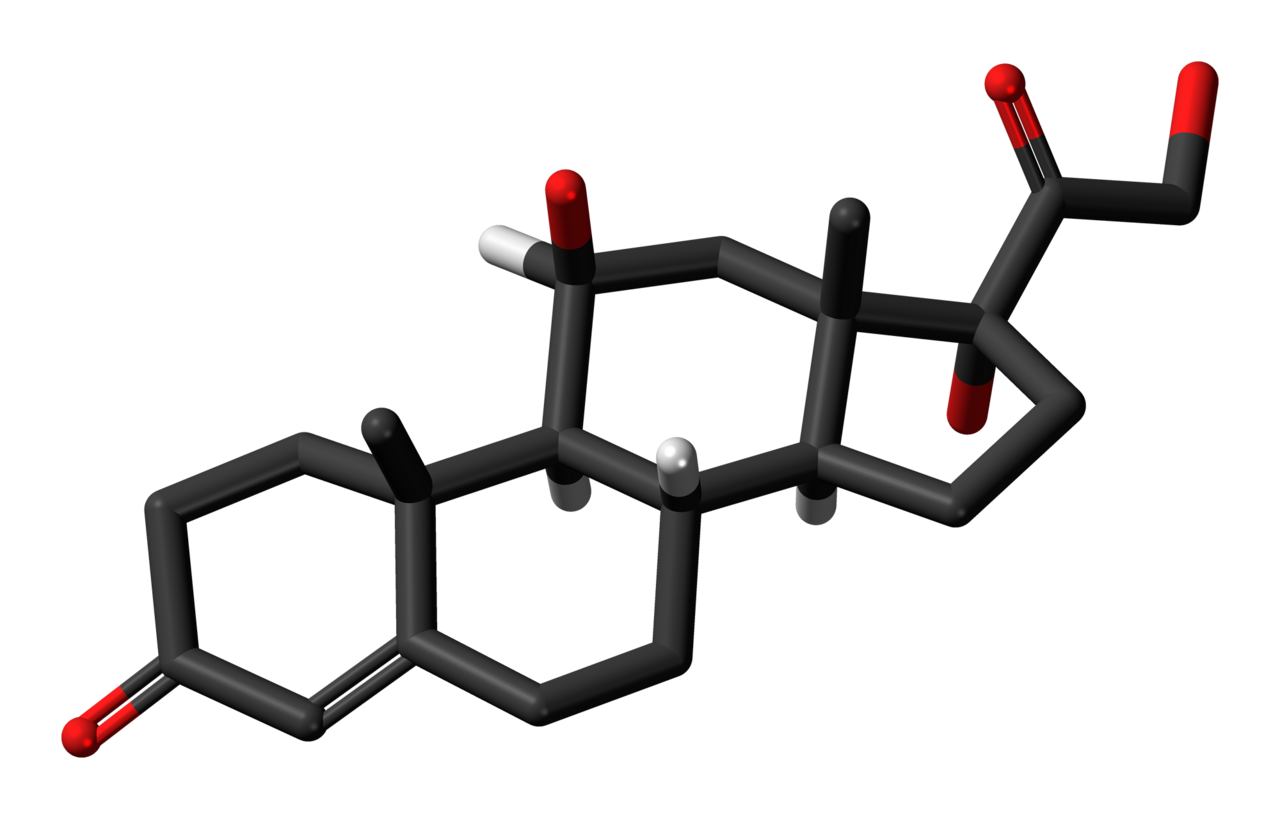
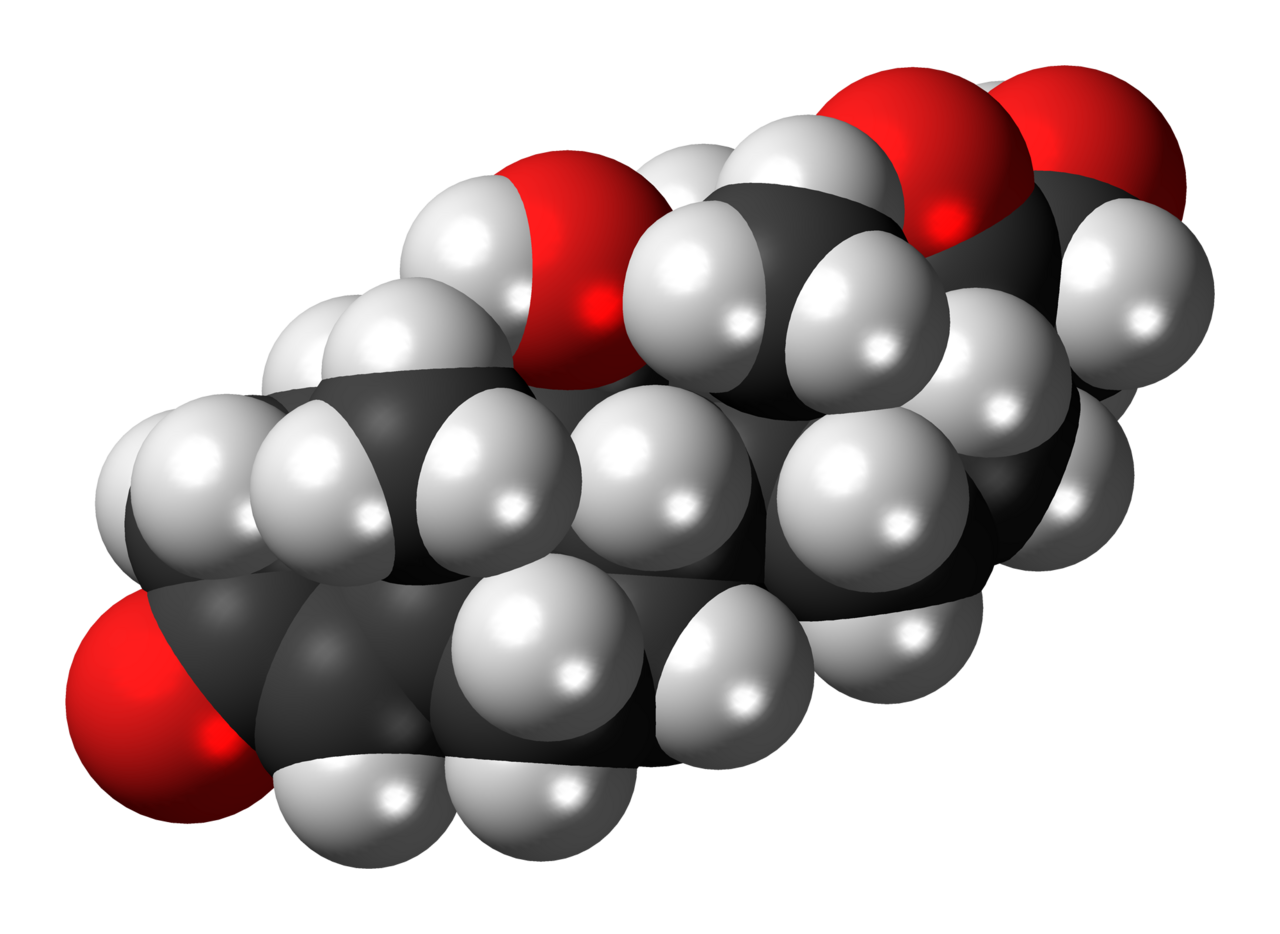
In the grand array of human experience, hair loss is a thread that's often pulled, leaving behind a trail of emotional distress, and it's a problem I've seen firsthand in my dermatology practice. The scientific community has long recognized the link between stress and alopecia, but the precise mechanisms at play have remained shrouded in mystery, until now. Recent studies, including the work of researchers like Langan et al. published in the Journal of Investigative Dermatology, have begun to tease apart the complex dance between cortisol, substance P, and mast cells that ultimately leads to the shedding of hair. It seems that when we're under stress, our bodies produce more cortisol, which in turn triggers the release of substance P, a neurotransmitter that's often referred to as the "pain molecule", and notably, this molecule can bind to receptors on mast cells, causing them to degranulate and release a plethora of pro-inflammatory mediators.

clinical findings suggest a feedback loop, where the inflammation caused by these mediators further exacerbates the stress response, creating a self-perpetuating cycle that's difficult to break, which is interesting because it suggests that targeting one part of the cascade may not be enough to halt the process. Our lab has been exploring this idea, using a combination of in vitro and in vivo models to study the effects of cortisol and substance P on mast cell activation. The results, while preliminary, are intriguing: it appears that mast cells play a key role in the development of stress-induced alopecia, and that inhibiting their activation may be a viable therapeutic strategy. As I often tell my patients, the relationship between stress and hair loss is a bit like a game of Jenga, remove one piece, and the whole structure comes crashing down, but in this case, the game is far more complex, with multiple pieces interacting in subtle ways.
One of the challenges in studying stress-induced alopecia is the sheer complexity of the underlying biology, it's a bit like trying to untangle a knot, where each thread is connected to multiple others. The work of researchers like Paus and Peters, published in the journal Experimental Dermatology, has helped to clarify the role of substance P in this process, showing that it can induce the release of pro-inflammatory cytokines from mast cells, which in turn contributes to the miniaturization of hair follicles. But what's still unclear is how these different components interact, and here, the data is murky, at best. We know that cortisol can suppress the immune system, but it can also exacerbate inflammation, depending on the context, while straightforward, is actually a critical point, as it suggests that the relationship between stress hormones and immune cells is far more nuanced than we often assume.
As I reflect on the current state of research in this field, I'm struck by the sheer number of unanswered questions, it's a bit like standing at the edge of a forest, with multiple paths stretching out before us, each one leading to a different destination. The study by Arck et al. published in the Journal of Clinical Investigation, provides some valuable insights into the role of mast cells in stress-induced alopecia, but it also raises new questions about the interplay between these cells and other components of the immune system. In our lab, we've been tracking the expression of various genes involved in the cortisol-substance P-mast cell cascade, and the results are fascinating, they suggest that this cascade is highly dynamic, with different components being activated at different times, in response to different stressors. But what does it all mean, in terms of developing effective treatments for stress-induced alopecia? That's the million-dollar question, and one that we're still struggling to answer.
The road to understanding stress-induced alopecia has been long and winding, with many false starts and dead ends along the way. But as we continue to understand the tangled web of cortisol, substance P, and mast cells, we may finally be nearing a turning point, a point where we can begin to develop targeted therapies that address the root causes of this condition, rather than just its symptoms. And that's where the real excitement lies, in the potential to make a meaningful difference in the lives of patients who have been struggling with this condition for far too long. As we look to the future, and the 2030 hair cure timeline, it's clear that stress-induced alopecia will be a major focus of research, and that our understanding of the cortisol-substance P-mast cell cascade will be critical to developing effective treatments. But for now, the question remains: can we find a way to break the cycle of stress and hair loss, and restore the health and vitality of the hair follicle? Only time will tell, and as we wait, the clock is ticking, with millions of people around the world waiting for a solution to this devastating condition.
Clinical Trial Evidence & Research Figures
9 Figures Available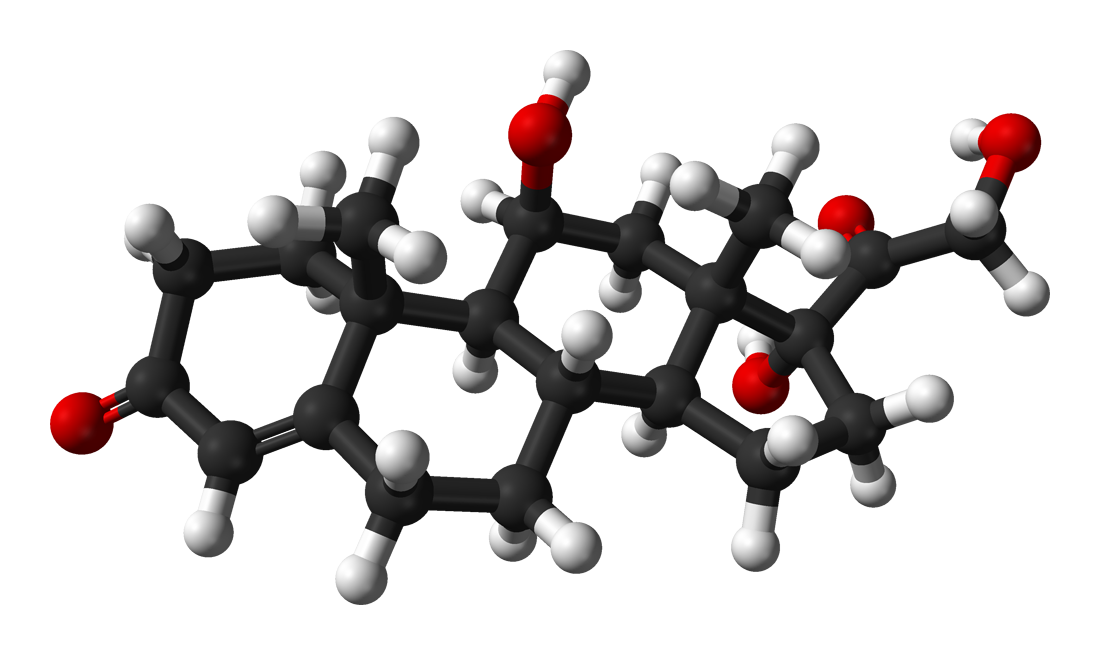
References & Clinical Data
- JAK inhibitors in the treatment of alopecia areata , Craiglow BG, King BA (Journal of Investigative Dermatology, 2015)
- Hair follicle stem cells and their niche , Rompolas P, Greco V (Journal of Investigative Dermatology, 2014)
- Exosome-based therapy in hair follicle regeneration , Rajendran RL, et al. (Cells, 2020)
- Wnt-dependent de novo hair follicle regeneration in adult mouse skin , Ito M, et al. (Nature, 2007)