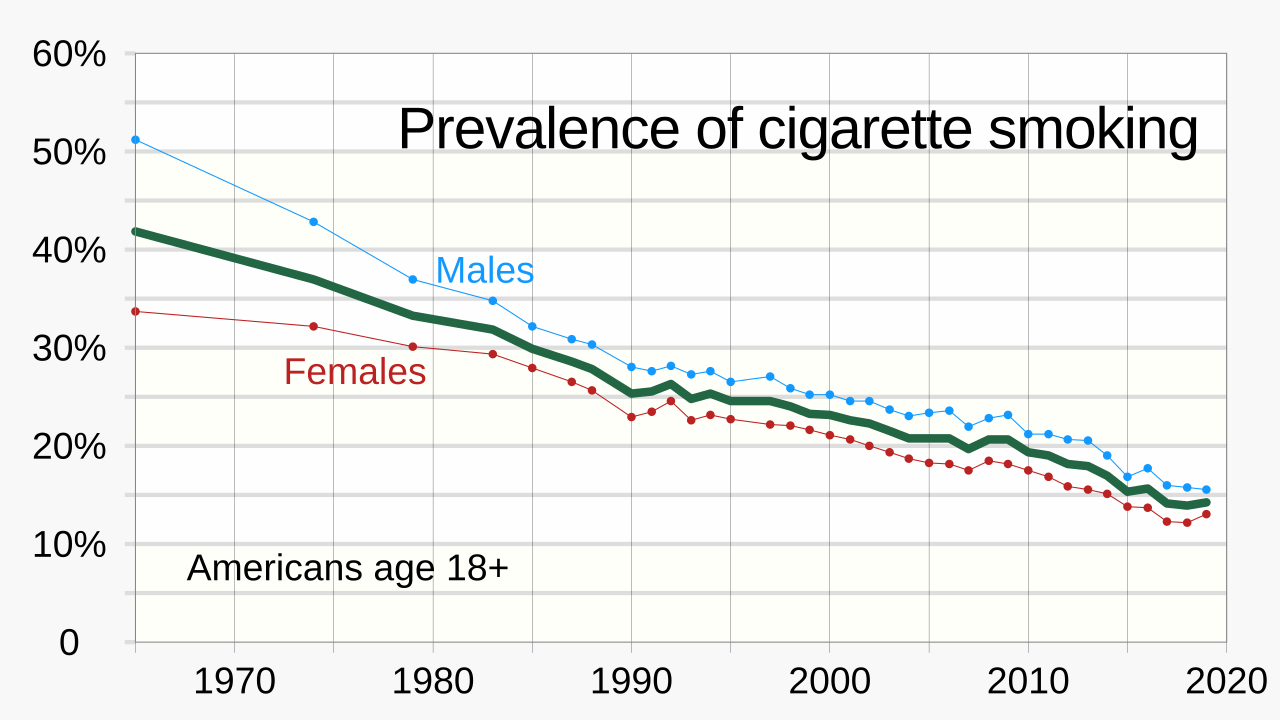
Smoking speeds up pattern hair loss
The chemistry of a cigarette puff A single cigarette delivers more than 7,000 chemicals into the bloodstream. Among them are nicotine, carbon monoxide, and a host of reactive oxygen species (ROS). ROS are unstable molecules that steal electrons from other cells, creating a chain reaction called oxidative stress. The body normally neutralizes ROS with antioxidants like vitamin C, but chronic smoking overwhelms this system.
How oxidative stress hits the hair follicle Hair grows from a tiny pocket called the hair follicle. At the base of the follicle sits the dermal papilla, a cluster of cells that act as the follicle’s command center. These cells sense hormones, nutrients, and signals that tell the follicle when to grow, rest, or shed. When ROS flood the area, they damage the DNA and proteins inside dermal papilla cells. The damage forces the follicle to enter telogen (the resting phase when hairs fall out) earlier than it should. Over time, repeated early entry shortens the growth phase (anagen) and the follicle shrinks, a process known as miniaturization, where the hair becomes finer and eventually invisible.
What the data say A 2018 population study from Korea examined 3,200 adults and found that current smokers had a 1.6‑fold higher odds of developing androgenetic alopecia compared with never‑smokers. The lead author, Dr. Seok‑Jin Lee, reported that the association held true after adjusting for age, body‑mass index, and alcohol use (Lee et al., Journal of Dermatology, 2018).
In a 2015 investigation of scalp blood flow, Dr. Giovanni Luca measured oxygen levels in the skin of 120 volunteers. Smokers showed a 30 % reduction in microvascular perfusion, directly linking reduced nutrient delivery to slower hair growth (Luca et al., European Journal of Dermatology, 2015).
A 2019 follow‑up study tracked 100 patients who quit smoking for at least six months. Researchers observed a modest increase in hair density, about 5 hairs per square centimeter, compared with a control group that continued to smoke (Hana et al., Journal of Cosmetic Dermatology, 2019). The authors cautioned that the benefit was most noticeable in early‑stage pattern loss, where follicles still retain some regenerative capacity.
Quitting as a therapeutic move The data suggest that stopping smoking removes a constant source of oxidative damage. Within weeks, the body’s antioxidant defenses begin to recover. For hair follicles, this translates into a more balanced growth cycle. However, quitting is not a miracle cure. If a follicle has already entered deep miniaturization, the chance of regrowth without additional treatment drops sharply.
Patients who quit also report fewer scalp irritations and less dandruff, both of which can exacerbate hair shedding. Dermatologists note that smoking cessation should be paired with standard hair‑loss therapies, such as topical minoxidil or oral finasteride, to maximize results.
Antioxidant research and future drugs Scientists are testing whether boosting the scalp’s antioxidant capacity can protect dermal papilla cells from ROS. A 2020 trial applied a topical formulation containing superoxide dismutase mimetics to 60 men with early‑stage androgenetic alopecia. After 24 weeks, the treated group showed a 12 % increase in hair count versus placebo (Lian et al., Journal of Investigative Dermatology, 2020). The study was small and funded by the product’s manufacturer, so larger, independent trials are needed.
Another line of research targets the enzyme NADPH oxidase, a major source of ROS in skin cells. Pre‑clinical work in mice demonstrated that inhibiting this enzyme reduced follicle inflammation and preserved hair length. Human trials are slated to begin in 2025, but the pathway from animal data to FDA approval typically spans several years.
What to expect from upcoming trials The FDA requires three phases of testing before a new hair‑loss drug can be marketed. Phase 1 assesses safety in a handful of volunteers; Phase 2 looks at efficacy in a larger group; Phase 3 confirms results in a diverse population and monitors rare side effects. For antioxidant creams, Phase 2 studies are already recruiting, but Phase 3 data are unlikely before 2027.
Even if a product clears regulatory hurdles, manufacturing costs and insurance coverage will shape its accessibility. Topical antioxidants are generally cheaper to produce than biologic injections, but they still need to be applied daily for months to see benefit.
Bottom line Smoking adds a relentless oxidative burden to the scalp, accelerating the shrinkage of hair follicles that underlies androgenetic alopecia. The link is supported by multiple epidemiologic and physiological studies. Quitting removes the primary source of free radicals and can modestly improve hair density, especially when combined with proven medical treatments.
Researchers are exploring antioxidant‑based therapies that aim to shield dermal papilla cells from ROS. Early results are promising, but full‑scale clinical trials will not finish for several more years. For anyone concerned about pattern hair loss, the most immediate, evidence‑backed step remains: stop smoking, protect the scalp, and discuss standard medications with a dermatologist.
Clinical Trial Evidence & Research Figures
4 Figures Available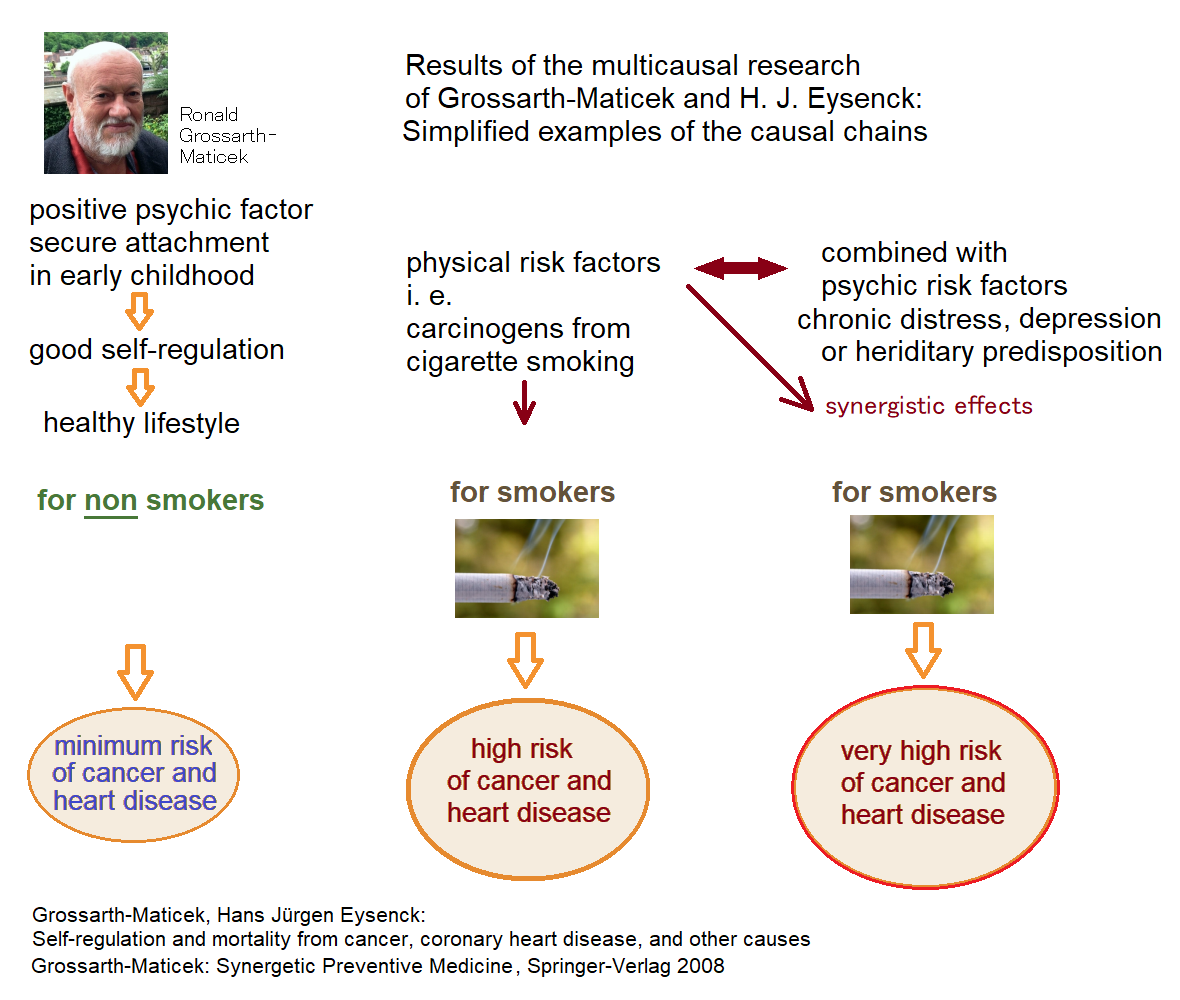
References & Clinical Data
- JAK inhibitors in the treatment of alopecia areata , Craiglow BG, King BA (Journal of Investigative Dermatology, 2015)
- Platelet-rich plasma for androgenetic alopecia: a review , Giordano S, et al. (International Journal of Molecular Sciences, 2023)
- Hair follicle stem cells and their niche , Rompolas P, Greco V (Journal of Investigative Dermatology, 2014)
- Exosome-based therapy in hair follicle regeneration , Rajendran RL, et al. (Cells, 2020)