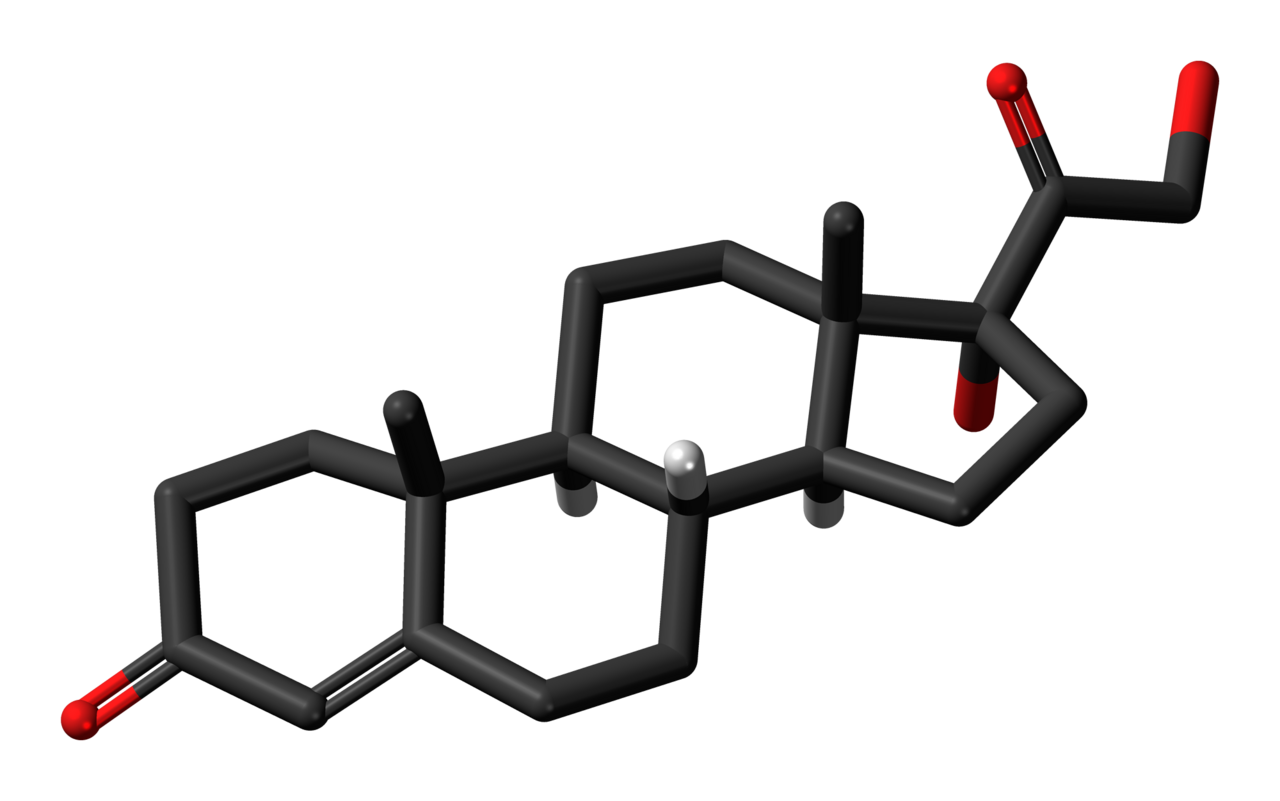
Sleep, Cortisol, and Hair Loss: A Real but Often Overstated Connection

The connection between sleep, cortisol, and hair loss is a frequent topic in wellness content, often presented with more certainty than the evidence supports. The underlying mechanisms are real: chronic sleep deprivation elevates cortisol and inflammatory cytokines, and severe psychological stress can trigger telogen effluvium. The question is whether routine moderate sleep loss meaningfully affects hair density in healthy adults.
The available evidence is mixed. Severe stress (bereavement, major life events, severe illness) clearly precipitates telogen effluvium in susceptible individuals, that's well documented. Whether chronic moderate stress or insufficient sleep produces measurable progressive hair loss in otherwise healthy people is less clear. Most cross-sectional studies show statistical correlation but the effect sizes are typically small, and reverse causation (hair loss causing stress) is difficult to rule out.
Practical implications for patients: maintaining adequate sleep (7 to 9 hours for most adults) and managing significant stress are reasonable goals for overall health and probably contribute marginally to hair status. Don't expect dramatic hair recovery from lifestyle changes alone. The often-cited claim that 'cortisol is destroying your hair' is overstated when applied to moderate ongoing stress. Severe acute stress can precipitate telogen episodes; chronic moderate stress has a modest, generally reversible effect compared to genetic and hormonal drivers of hair loss.
References & Clinical Data
- Stress and hair loss: a review of the evidence , Hadshiew IM, et al. (Journal of the American Academy of Dermatology, 2004)
- Cortisol and hair follicle cycling: mechanistic review , Peters EM, et al. (Brain, Behavior, and Immunity, 2014)
- Sleep deprivation and inflammatory markers: relevance for hair loss , Irwin MR. (Annual Review of Psychology, 2015)