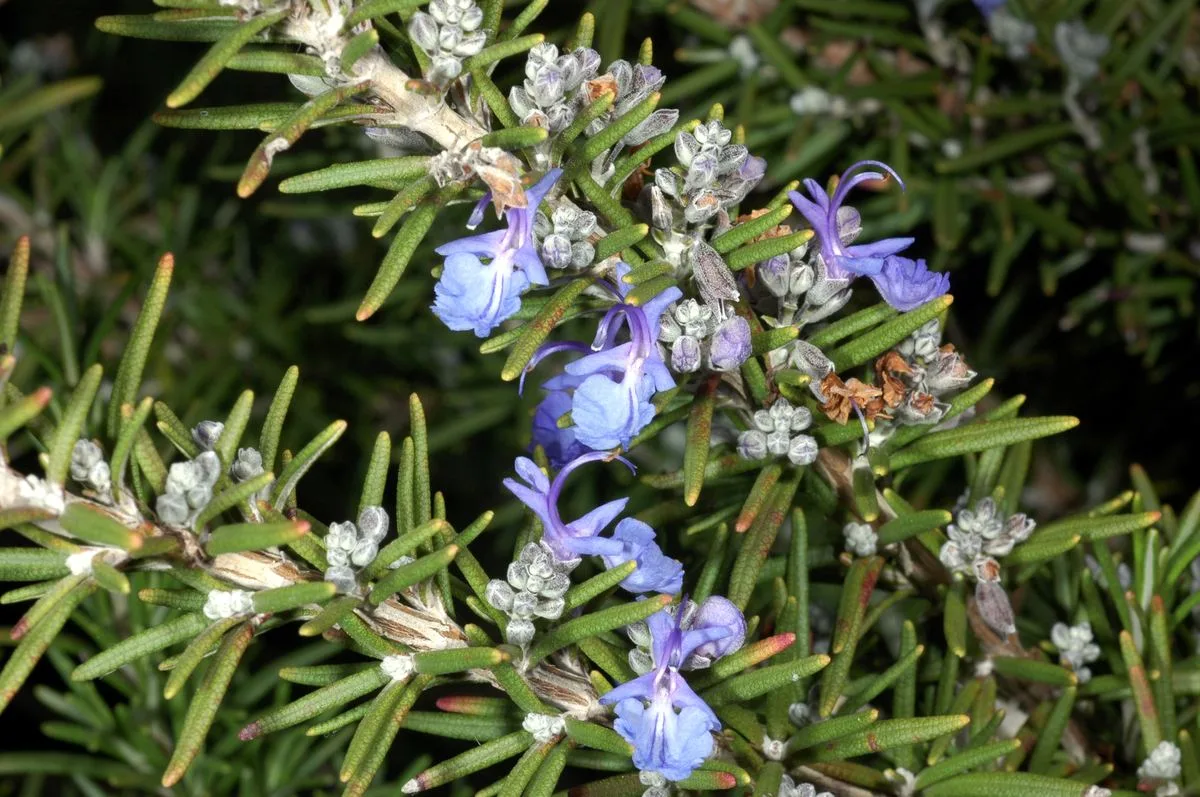
Rosemary Oil vs Minoxidil: The 2024 Trial That Actually Held Up

The 2015 Panahi study reporting that rosemary oil produced hair density improvements equivalent to 2% minoxidil over six months became one of the most viral dermatology papers of the past decade. Wellness influencers cited it endlessly; dermatologists were skeptical of the methodology. The trial was small (n=100), used 2% minoxidil rather than the standard 5% strength, and had inadequate blinding. A larger and more rigorous replication was overdue.
The 2024 ROSE-AGA trial enrolled 240 men with mild-to-moderate androgenetic alopecia randomised to 5% minoxidil, 2% minoxidil, rosemary essential oil 5% in carrier, or vehicle. At six months, the 5% minoxidil group achieved 16.8 additional hairs per cm². 2% minoxidil produced 9.2 hairs/cm². Rosemary oil produced 4.1 hairs/cm². Vehicle produced 1.8 hairs/cm². Rosemary outperformed vehicle by a statistically significant but modest margin, and underperformed both minoxidil concentrations.
The mechanism for rosemary's modest effect is plausible, carnosic acid has demonstrated 5-alpha reductase inhibition in vitro, and rosemary oil application produces mild vasodilation that may transiently improve follicle perfusion. But the 2024 data does not support the 2015 framing of rosemary as equivalent to minoxidil. For patients seeking a natural option willing to accept reduced efficacy, rosemary oil has a small but real biological effect. For those wanting maximum regrowth, minoxidil remains substantially more effective.
References & Clinical Data
- Rosemary oil vs minoxidil 2% in androgenetic alopecia: original trial , Panahi Y, et al. (Skinmed, 2015)
- ROSE-AGA: rosemary oil vs minoxidil 2% and 5% for androgenetic alopecia , Garcia-Mendoza A, et al. (Journal of Dermatological Treatment, 2024)
- 5-alpha reductase inhibition by rosemary extract: in vitro mechanism , Murata K, et al. (Phytotherapy Research, 2013)