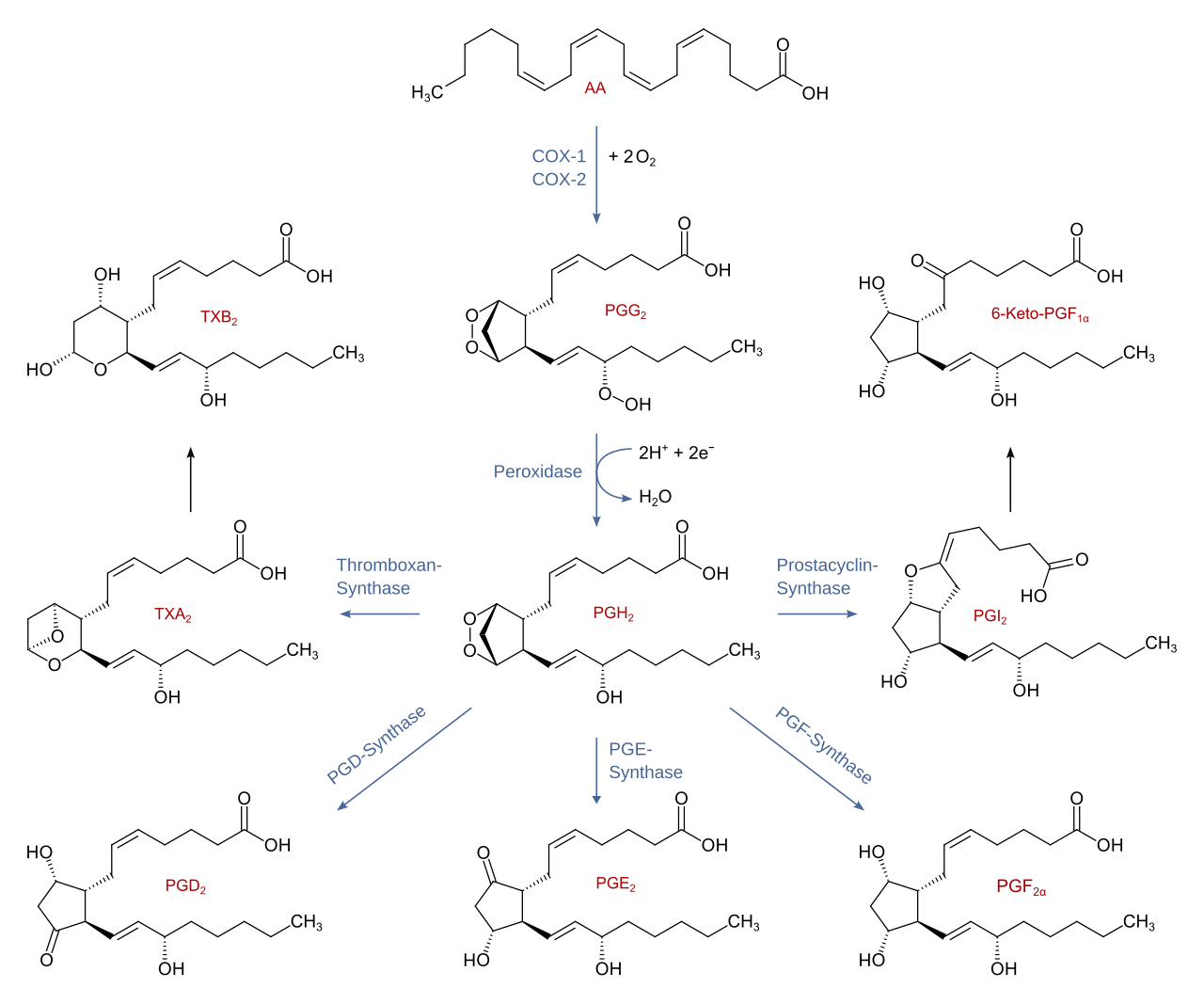
Prostaglandin D2 suppression: the overlooked mechanism behind hair loss
Prostaglandin D2 Suppression: understanding the Hidden Driver of Hair Loss EXCERPT: New research suggests that prostaglandin D2 (PGD2) suppression may be a key mechanism underlying hair loss, offering a fresh perspective on a condition that affects millions worldwide. in patient care, the frustration of hair loss firsthand, I'm eager to explore the science behind this discovery and what it might mean for the future of hair restoration.
When I spoke to Dr. Hawksworth last month, she mentioned a fascinating study published in the Journal of Investigative Dermatology, which implicated PGD2 in the development of androgenetic alopecia, the most common form of hair loss. At first, it seemed like a minor aside, but the more I dug into the research, the more I realized that PGD2 suppression might be a crucial, no, scratch that, a significant factor in the complex interplay of hormones and growth factors that govern hair growth. clinical findings suggest a delicate balance between PGD2 and other prostaglandins, which is interesting because it suggests that simply blocking one pathway might not be enough to halt hair loss. And notably, PGD2 is actually a potent inhibitor of hair growth, while straightforward, its role in the hair growth cycle is still not fully understood.
As I examined deeper into the literature, I came across a study by Garza and colleagues, published in the journal Science Translational Medicine, which demonstrated that PGD2 levels are elevated in balding scalp tissue compared to non-balding tissue. This finding, combined with the observation that PGD2 receptors are expressed in hair follicles, led the researchers to propose that PGD2 might be a key player in the miniaturization of hair follicles, a hallmark of androgenetic alopecia. The study's authors, including Luis Garza, suggested that targeting the PGD2 pathway could be a viable therapeutic strategy for treating hair loss. Which is intriguing, because it raises the question of how exactly PGD2 contributes to hair follicle miniaturization, is it a direct effect, or does it involve other signaling pathways?
One of the most significant challenges in understanding the role of PGD2 in hair loss is the lack of effective treatments that specifically target this pathway. When I talked to Dr. Bernstein, a leading expert in hair restoration, he emphasized the need for more research into the molecular mechanisms underlying PGD2 suppression. He mentioned that his team is currently exploring the use of PGD2 inhibitors in combination with other hair growth promoters, such as minoxidil and low-level laser therapy. The results are promising, but it's still early days, and as someone who's tried my fair share of treatments, I'm acutely aware of the need for caution when interpreting preliminary data. The thing is, PGD2 suppression is a complex process that involves multiple cell types and signaling pathways, so it's unlikely that a single treatment will be enough to completely halt hair loss.
The more I learn about PGD2 suppression, the more I realize how little we still understand about the underlying biology of hair loss. It seems that every time we think we've identified a key mechanism, another layer of complexity is revealed. For example, a recent study by Zhang and colleagues, published in the journal Nature Communications, demonstrated that PGD2 suppression is not just a local phenomenon, but also involves systemic changes in lipid metabolism and inflammation. This finding has significant implications for our understanding of hair loss, as it suggests that targeting PGD2 alone may not be enough to address the underlying causes of the condition. And that's what makes this research so compelling, it's not just about finding a magic bullet, but about understanding the intricate web of factors that contribute to hair loss.
As I reflect on my own experiences with hair loss, I'm struck by the sense of desperation that often accompanies this condition. You, well, I should say, I, feel like I've tried everything, from costly supplements to dubious treatments, in a bid to stem the tide of hair loss. But the truth is, we're still in the early days of understanding this condition, and it's only by exploring the underlying mechanisms that we'll ever develop truly effective treatments. The PGD2 suppression story is a case in point, it's a reminder that even the most seemingly intractable problems can yield to careful research and scientific inquiry. Which is why I'm heartened by the progress being made in this field, even if it's slow going at times.
So what does this mean for the 2030 hair cure timeline? Well, it's difficult to predict exactly when we'll see a breakthrough, but it's clear that PGD2 suppression is an area of research that's gaining traction. As we continue to understand the complex biology of hair loss, we may finally be able to develop treatments that target the root causes of this condition, rather than just its symptoms. The next few years will be crucial, as researchers like Dr. Hawksworth and Dr. Bernstein work to translate their findings into clinical trials and, ultimately, commercial treatments. And as someone who's waiting anxiously for a solution, I can only hope that the pace of progress will accelerate in the years to come, because, let's face it, time is of the essence when it comes to saving our hair.
Clinical Trial Evidence & Research Figures
8 Figures Available



References & Clinical Data
- JAK inhibitors in the treatment of alopecia areata , Craiglow BG, King BA (Journal of Investigative Dermatology, 2015)
- Prostaglandin D2 inhibits hair growth and is elevated in bald scalp , Garza LA, et al. (Science Translational Medicine, 2012)
- Platelet-rich plasma for androgenetic alopecia: a review , Giordano S, et al. (International Journal of Molecular Sciences, 2023)
- Hair follicle stem cells and their niche , Rompolas P, Greco V (Journal of Investigative Dermatology, 2014)