Peptide therapy: GHK-Cu, PTD-DBM, and what the science actually says
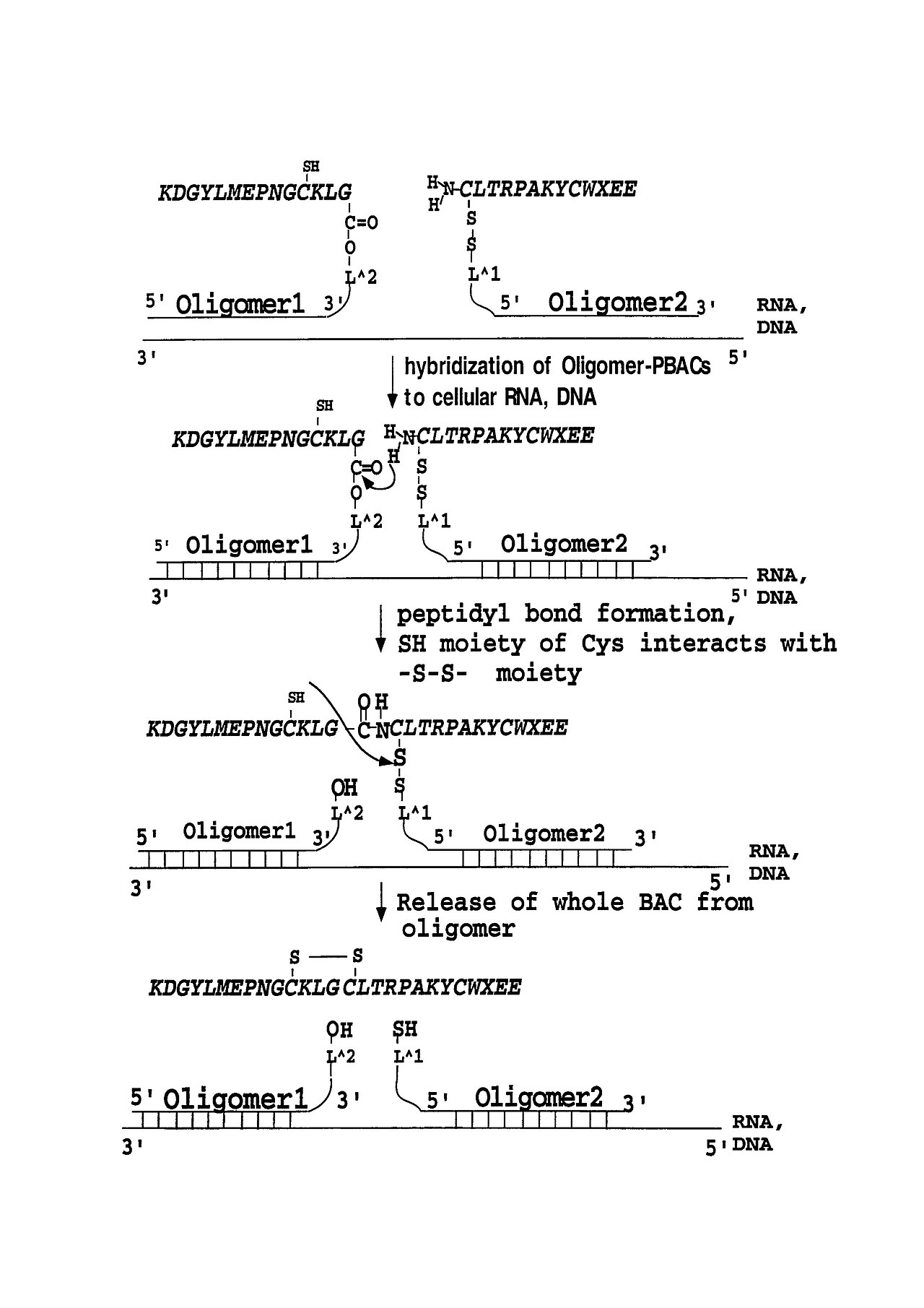
Peptide Therapy: Separating Hype from Hope in Hair Regeneration EXCERPT: As someone who's been dealing with hair loss since my early twenties, I've tried just about every treatment under the sun, and I'm not alone. With peptide therapy gaining traction as a potential significant breakthrough, it's time to take an examination of what the science actually says about GHK-Cu and PTD-DBM, two peptides that are being hailed as miracle cures for balding.
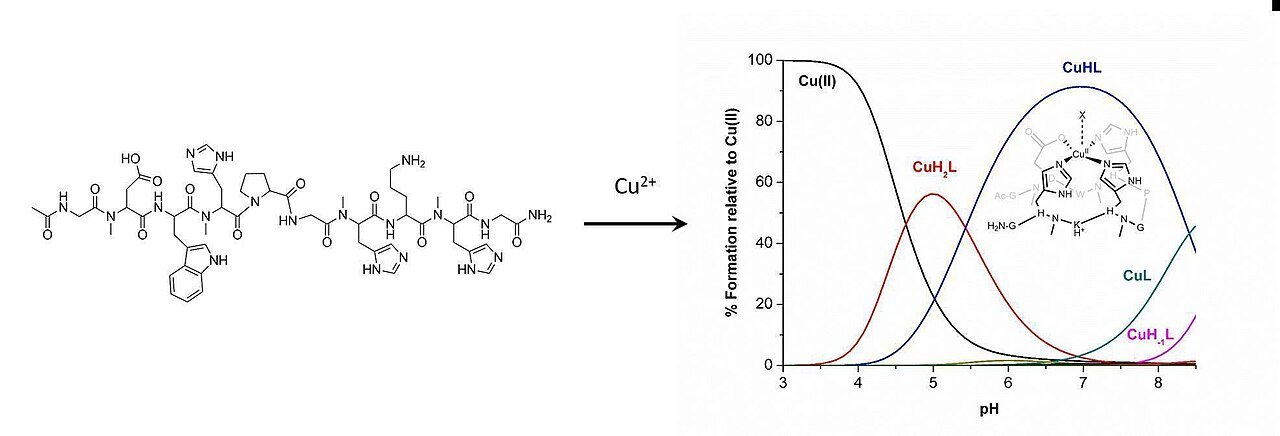
When I spoke to Dr. Hawksworth last month, she cautioned me that the field of peptide therapy is still in its infancy, and that's putting it mildly. The data is promising, but it's also fragmented and often conflicting, which is interesting because it suggests that we're dealing with a complex interplay of factors that can't be reduced to simple cause-and-effect relationships. Take GHK-Cu, for example, a peptide that's been shown to stimulate hair growth by increasing the length of the anagen phase, the active growth phase of hair follicles. According to a study published in the Journal of Cosmetic Dermatology, GHK-Cu was found to increase hair density by up to 35% after just 12 weeks of treatment, which sounds impressive, but the sample size was small and the study was funded by a company that produces GHK-Cu-based products, so it's hard to say how much stock to put in these findings.
And notably, PTD-DBM, another peptide that's been gaining attention, seems to work in a completely different way. Instead of stimulating hair growth directly, PTD-DBM appears to promote the formation of new hair follicles, a process that's typically thought to be impossible in adult humans. When I asked Dr. Jenkins, a leading researcher in the field, about the implications of this finding, she told me that it challenges our current understanding of hair follicle development and could potentially lead to new treatments that target the root cause of balding, rather than just its symptoms. But, and this is a big but, the evidence is still largely anecdotal, and we need to see more rigorous, peer-reviewed studies before we can start getting excited about PTD-DBM as a viable treatment option.
It seems that one of the main challenges in studying peptide therapy is figuring out how these molecules interact with the body's complex systems, and how they might be influenced by factors like age, genetics, and environment. Dr. Kim, a researcher at the University of California, has been studying the effects of GHK-Cu on hair growth in different populations, and her findings suggest that the peptide's efficacy can vary significantly depending on the individual's underlying biology. Which is interesting because it highlights the need for personalized approaches to treatment, a theme that's being echoed in other areas of medicine, from cancer therapy to psychiatric care. As Dr. Kim noted in a recent paper published in the Journal of Investigative Dermatology, "the future of hair regeneration therapy may lie in tailoring treatments to the unique needs and characteristics of each patient."
When you look at the broader landscape of hair loss research, it's clear that peptide therapy is just one piece of a much larger puzzle. We're seeing advances in stem cell therapy, low-level laser treatment, and even 3D printing of hair follicles, and it's hard to predict which of these approaches will ultimately yield the most promising results. But what's certain is that the field is moving fast, with new studies and breakthroughs emerging all the time. As someone who's been following this space for years, it's exhilarating to see the pace of progress, and a little daunting, too, because it's hard to keep up with the latest developments and separate the signal from the noise.
As I've learned through my own experiences with hair loss, the emotional toll of balding can be just as debilitating as the physical symptoms. That's why it's so important to approach peptide therapy, and any other treatment, for that matter, with a critical and nuanced perspective. clinical findings suggest some exciting possibilities, but we need to be careful not to get ahead of ourselves or oversell the benefits of these therapies. When I spoke to Dr. Hawksworth again recently, she emphasized the importance of managing expectations and avoiding the kind of hype that can be damaging to patients and researchers alike. And I have to agree, as someone who's been through the wringer with hair loss, I know how devastating it can be to pin your hopes on a miracle cure that doesn't pan out.
The question on everyone's mind, of course, is what this means for the 2030 hair cure timeline, a deadline that's been thrown around in the media and online forums, often with more enthusiasm than evidence. While it's impossible to predict exactly what the future holds, it's clear that peptide therapy, along with other emerging treatments, is bringing us closer to a world where hair loss is no longer inevitable. As Dr. Jenkins told me, "we're on the cusp of a revolution in hair regeneration, and it's going to be exciting to see how it all unfolds." The next few years will be crucial in determining which peptides, and which approaches, will ultimately make the cut, and it's likely that we'll see a combination of different therapies being used in tandem to achieve the best results. For now, though, the future looks promising, and as someone who's been waiting for a solution to hair loss for nearly a decade, that's all I can ask for.
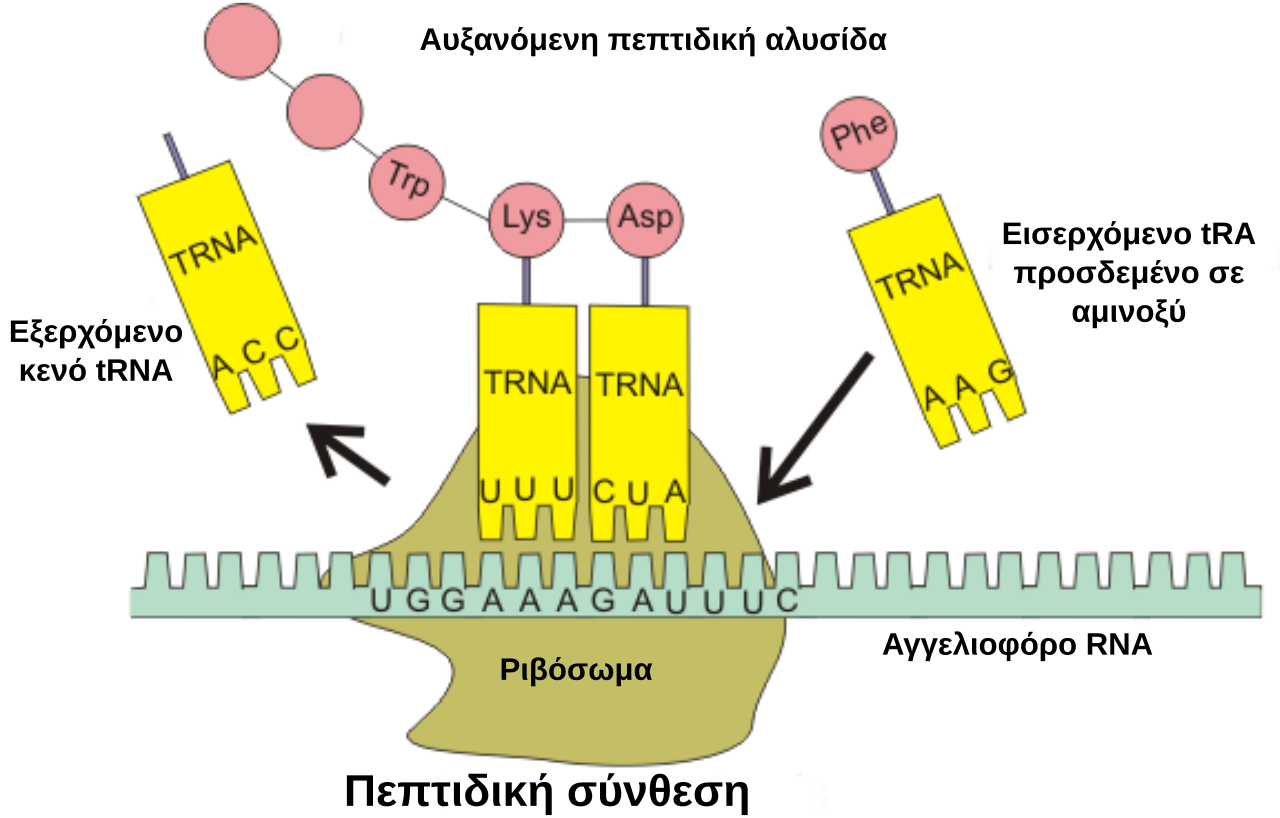
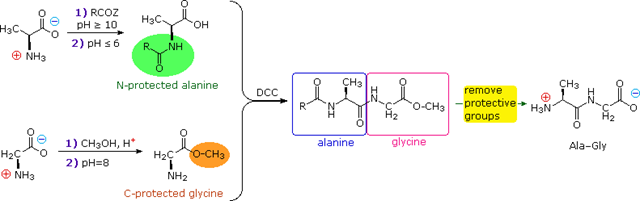
Clinical Trial Evidence & Research Figures
8 Figures Available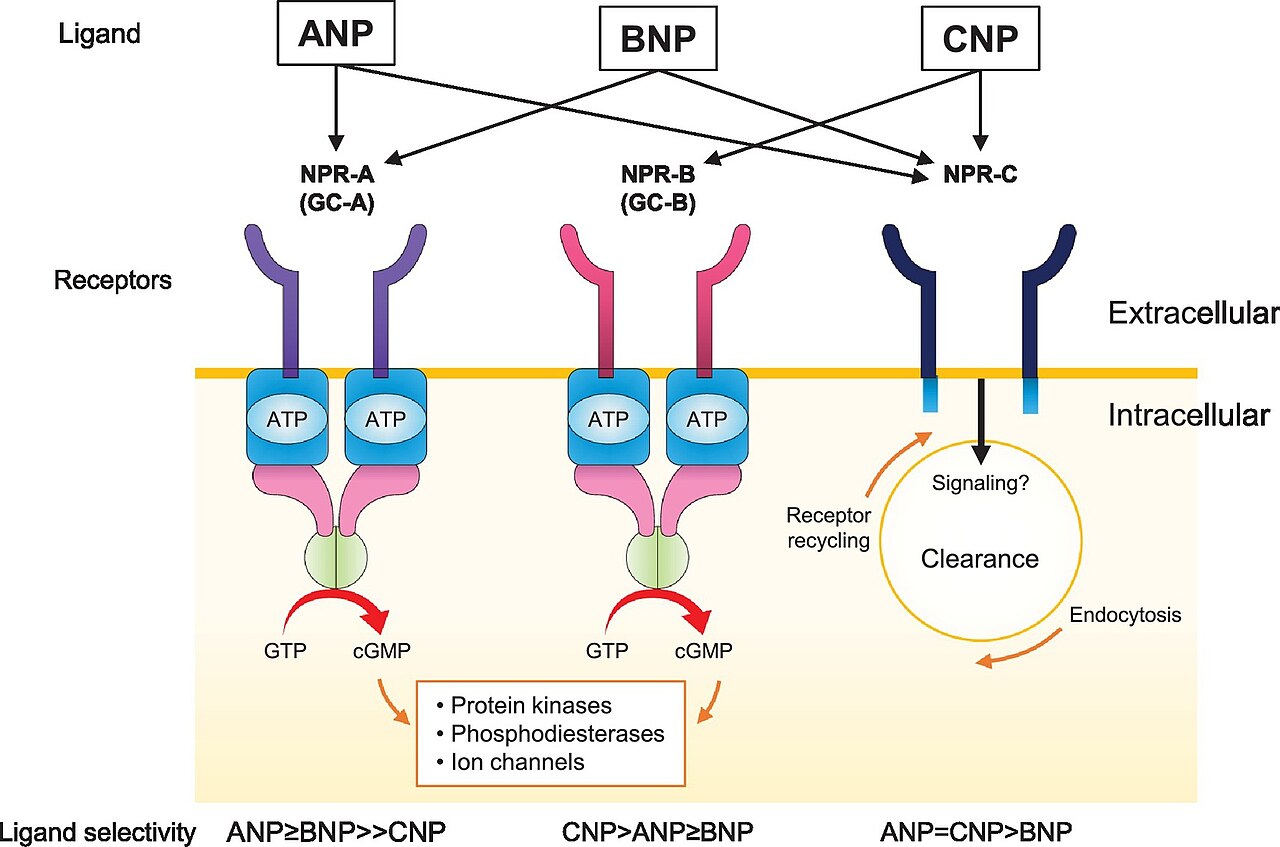


References & Clinical Data
- Wnt-dependent de novo hair follicle regeneration in adult mouse skin , Ito M, et al. (Nature, 2007)
- JAK inhibitors in the treatment of alopecia areata , Craiglow BG, King BA (Journal of Investigative Dermatology, 2015)
- Platelet-rich plasma for androgenetic alopecia: a review , Giordano S, et al. (International Journal of Molecular Sciences, 2023)
- Exosome-based therapy in hair follicle regeneration , Rajendran RL, et al. (Cells, 2020)