PCOS and Hair Loss: Treatment Considerations for the Underlying Endocrinology

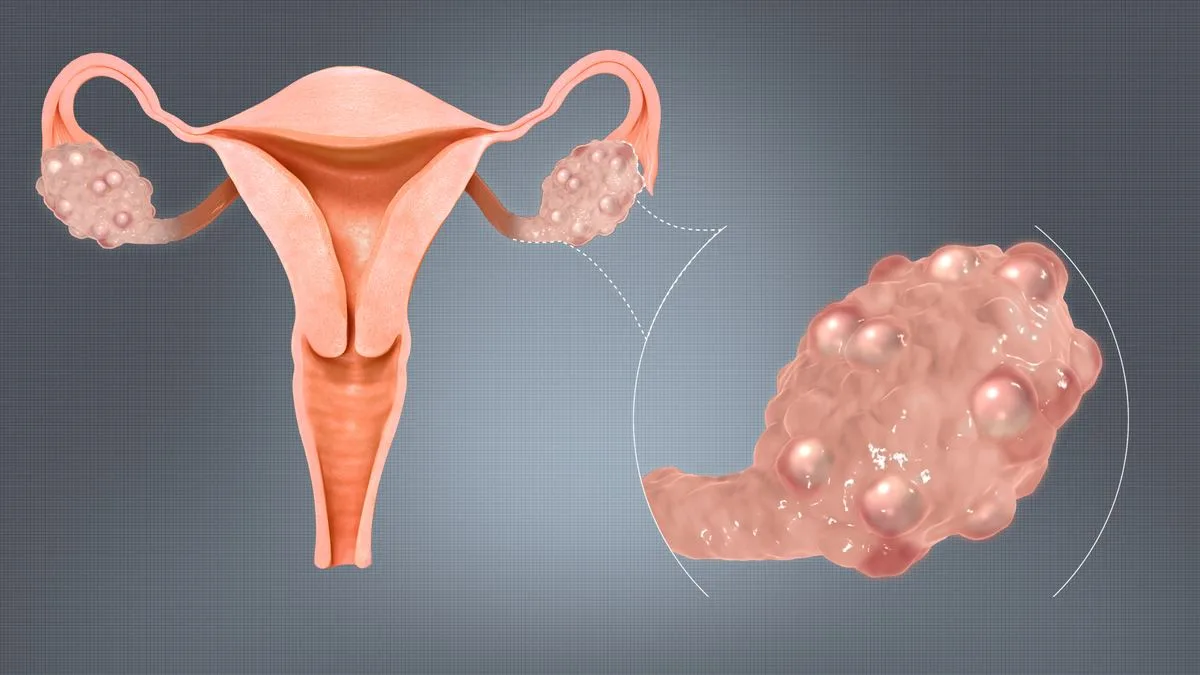
PCOS is the most common endocrine disorder in reproductive-age women, characterised by some combination of irregular ovulation, hyperandrogenism, and polycystic ovarian morphology. Hair manifestations include both hirsutism (unwanted facial and body hair growth) and androgenetic-type scalp hair loss, often coexisting in the same patient. The underlying driver, elevated bioavailable androgens, is the same as in male pattern hair loss but operating in a different hormonal context.
Treatment approach differs from standard female pattern hair loss management because addressing the endocrine cause matters as much as direct anti-androgen therapy. First-line management often includes combined oral contraceptives (which suppress ovarian androgen production), metformin (which improves insulin sensitivity and indirectly reduces androgen production), and spironolactone (direct androgen receptor antagonism). The combination is more effective than topical minoxidil alone for PCOS-associated hair loss.
Patients should request endocrine workup if hair loss appears before age 30, is associated with menstrual irregularity, or co-occurs with other PCOS features (acne, hirsutism, weight gain). A comprehensive panel includes free and total testosterone, DHEAS, 17-hydroxyprogesterone, prolactin, TSH, and pelvic ultrasound. Treatment success often requires endocrinology and dermatology coordination. Many patients spend years trying scalp-only treatments before the underlying PCOS is identified and addressed.
References & Clinical Data
- Hair loss in PCOS: pathogenesis and treatment , Schmidt TH, Shinkai K. (American Journal of Clinical Dermatology, 2015)
- Spironolactone and combined oral contraceptives for PCOS-associated hair loss , Karakurt F, et al. (Gynecological Endocrinology, 2020)
- Metformin therapy for PCOS: hair and skin manifestations , Costello M, et al. (Cochrane Database of Systematic Reviews, 2020)