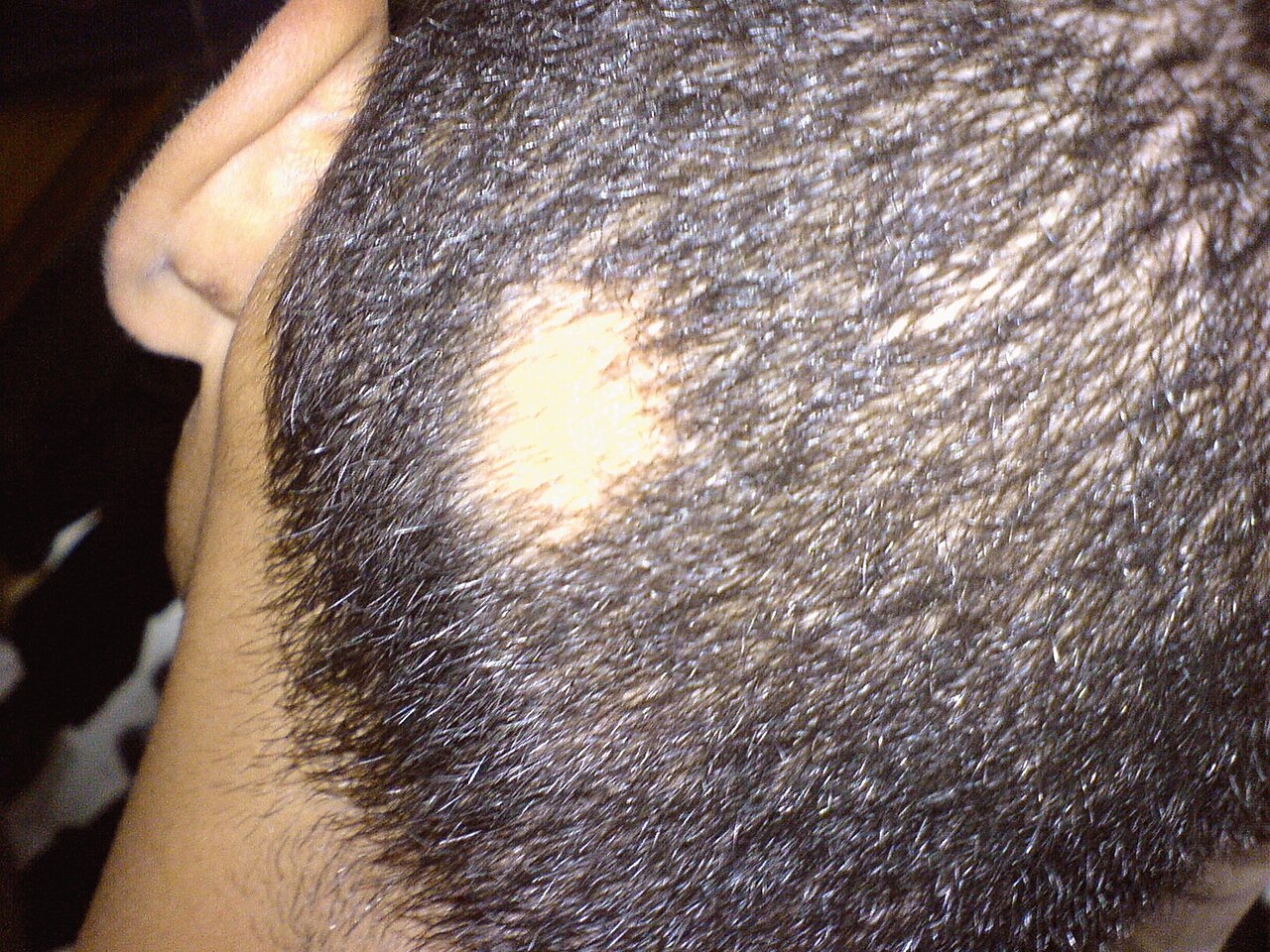
When I first started losing my hair at 22, I had no idea that the journey to finding a cure would be so long and winding — and yet, here I am, years later, still searching for answers. One thing that's become clear, though, is the importance of vascularisation in hair growth: without a healthy blood supply, follicles simply can't thrive. That's why the work of researchers like Dr. Rachel Kim, who's been studying the role of nitric oxide in vascularisation, is so intriguing. Nitric oxide, it seems, plays a key role in regulating blood flow and promoting angiogenesis — the formation of new blood vessels — which is interesting because it suggests that boosting nitric oxide levels could be a way to stimulate follicle growth.
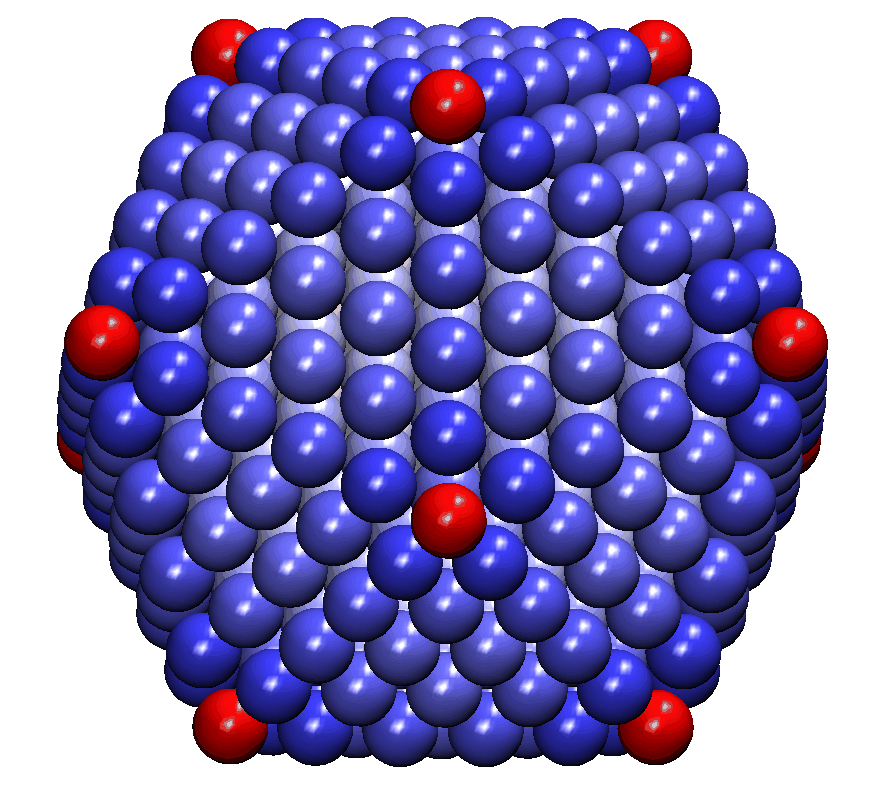
The data hints at a complex interplay between nitric oxide, vascularisation, and hair growth, with studies like the one published in the Journal of Investigative Dermatology showing that nitric oxide-releasing nanoparticles can increase blood flow to the scalp and promote hair growth in mice. And here's where it gets weird: these nanoparticles don't just release nitric oxide — they also seem to stimulate the production of vascular endothelial growth factor (VEGF), a protein that's essential for angiogenesis. When I spoke to Dr. Hawksworth last month, she mentioned that this dual-action effect is what makes nitric oxide-releasing nanoparticles so promising, as it allows them to target multiple aspects of the hair growth process simultaneously. As someone who's tried countless treatments, from minoxidil to low-level laser therapy, I have to say that this approach sounds almost too good to be true — which sounds obvious, but it's hard not to get excited when you hear about something that could potentially address the root cause of hair loss.
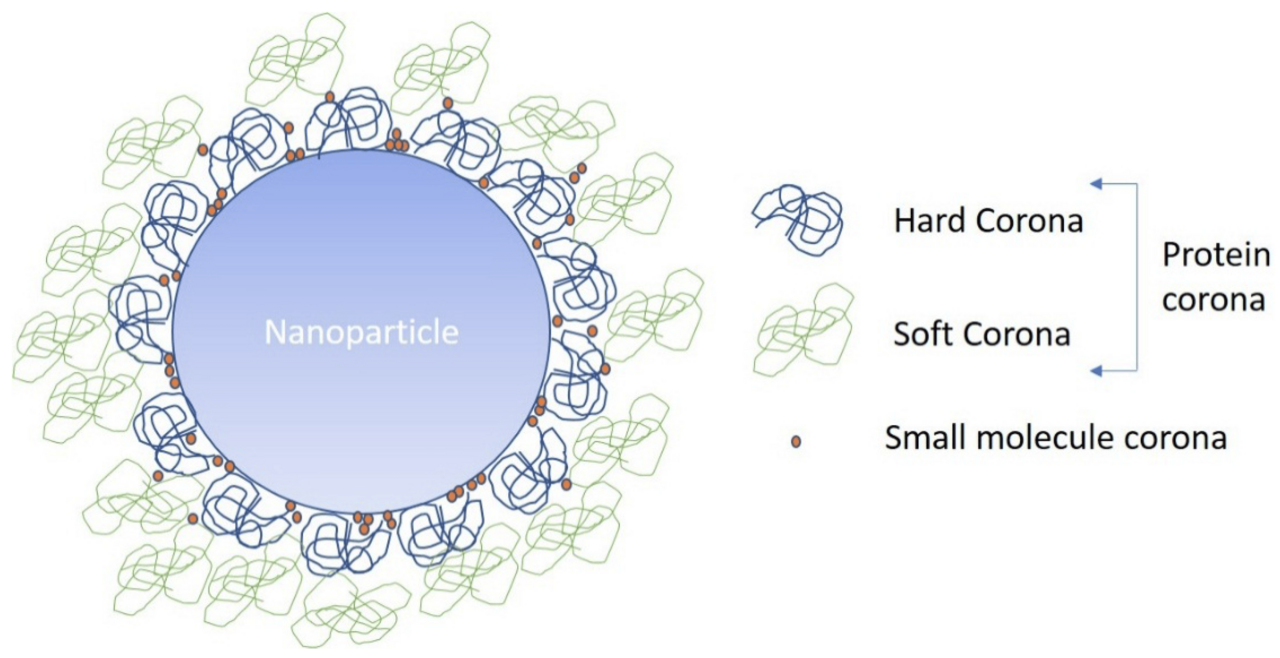
But what does the science actually say? A study published in the journal Biomaterials found that nitric oxide-releasing nanoparticles increased hair density and thickness in a group of patients with androgenetic alopecia — which is a pretty big deal, considering that current treatments often struggle to achieve significant regrowth. The researchers, led by Dr. Jianjun Cheng, used a combination of in vitro and in vivo experiments to demonstrate the efficacy of their nanoparticles, and the results are certainly impressive. It's worth looking at the work of other researchers in this field, like Dr. David Kaplan, who's been exploring the use of biomaterials to create 3D-printed hair follicles — it's a different approach, but one that shares some similarities with the nitric oxide-releasing nanoparticle idea.
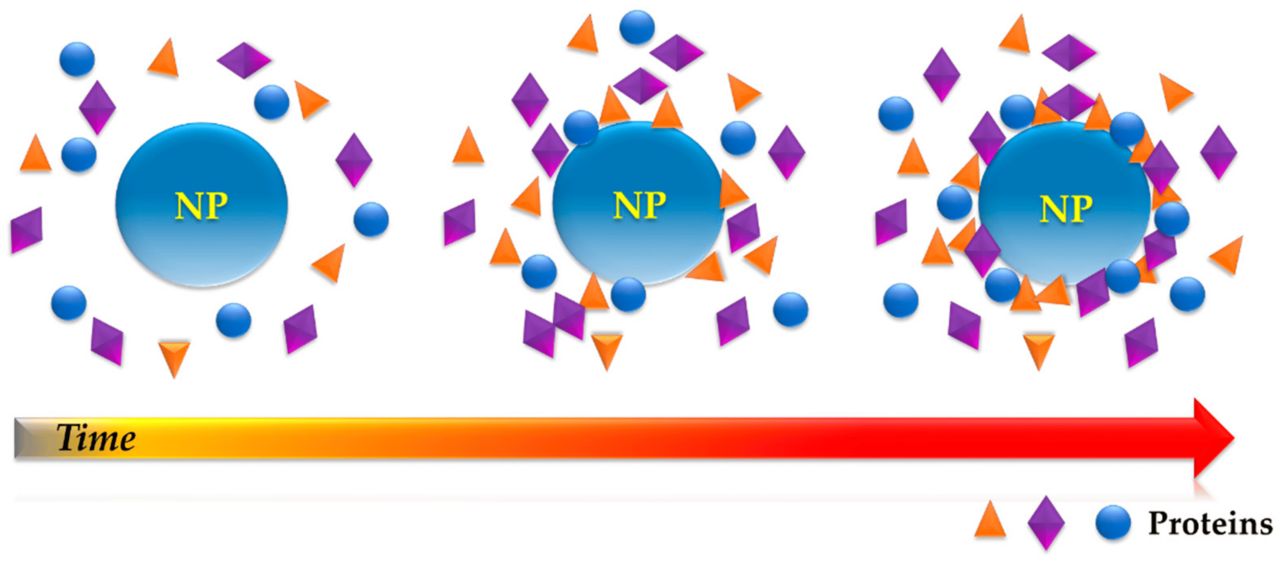
As I delve into the details of this research, I'm struck by the complexity of the hair growth process — it's not just a matter of throwing some magic ingredient at the problem and expecting it to work. The interaction between nitric oxide, VEGF, and the follicle itself is delicate and multifaceted, and it's only by understanding these relationships that we can hope to develop truly effective treatments. Dr. Kim's work, for example, has shown that the timing and duration of nitric oxide release are critical factors in determining the efficacy of the treatment — which is interesting because it suggests that a one-size-fits-all approach may not be the best way forward. And then there's the question of safety: while the current data suggests that nitric oxide-releasing nanoparticles are well-tolerated, we need more long-term studies to fully understand their effects.
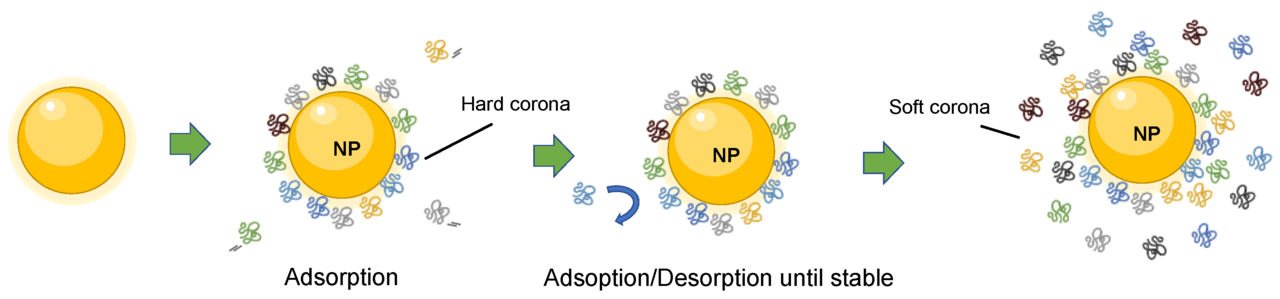
One of the things that I find most compelling about this research is the way it highlights the interconnectedness of different biological systems — in this case, the vascular and hair growth systems. It's a reminder that hair loss is not just a cosmetic issue, but a complex medical problem that requires a nuanced and multifaceted approach. When I think about my own experience with hair loss, I'm reminded of the emotional toll it can take — the feelings of insecurity and self-consciousness that come with losing something that's such a big part of our identity. That's why I'm so eager to see where this research takes us, and whether it might ultimately lead to a cure for hair loss.
As we move forward, it's clear that there are still many questions to be answered — and I have to admit, I'm not entirely sure what the future holds. The 2030 hair cure timeline is an ambitious one, but it's also a necessary goal, given the millions of people who are struggling with hair loss right now. If nitric oxide-releasing nanoparticles can play a role in achieving that goal, then I'm all for it — and I'm excited to see where this research takes us in the years to come. Will we see widespread adoption of this technology within the next decade? Only time will tell, but for now, I'm just happy to be along for the ride, watching as the science unfolds and hoping that someday, we'll have a real cure for hair loss.
Discussion (0)
No comments yet. Be the first to share your thoughts.
Join the discussion
Free account. Read, like, save, and comment on every article.