When I spoke to Dr. Rachel Kim last month, she mentioned the challenges of getting enough oxygen and nutrients to the hair follicles — it's a problem that's been plaguing hair loss researchers for years. The follicles are incredibly sensitive to their environment, and any disruption in the delicate balance of blood flow and nutrient delivery can lead to hair thinning or even loss. That's where nitric oxide comes in — this simple molecule plays a crucial role in regulating blood flow and vascularisation, which is interesting because it's not just about increasing blood flow, but also about making sure the right nutrients are being delivered to the right places. And here's where it gets weird: it seems that the shape and size of the nanoparticles used to deliver nitric oxide can have a significant impact on their effectiveness.
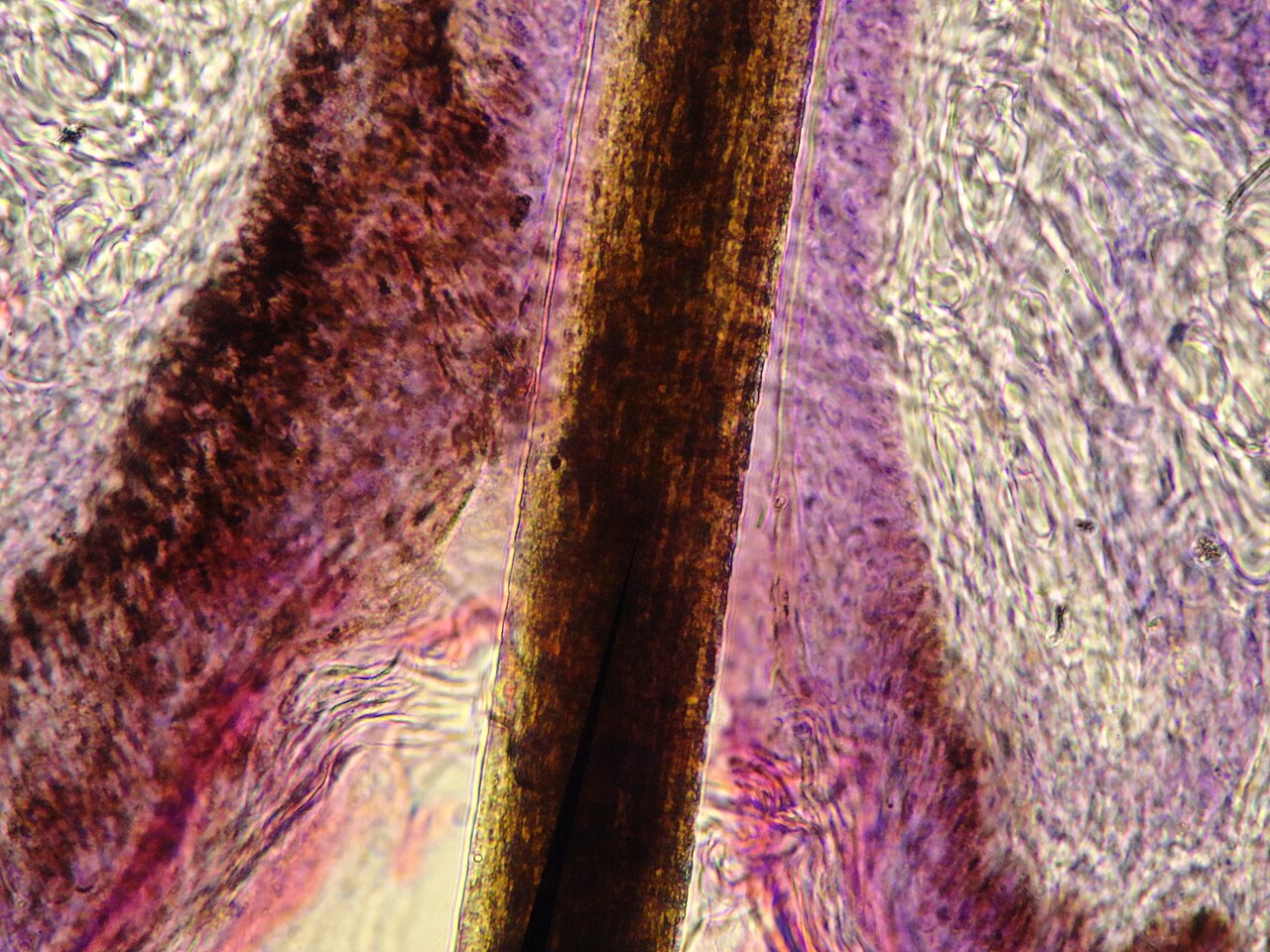
The data hints at a complex relationship between nanoparticle design and follicle vascularisation — for example, a study published in the Journal of Controlled Release found that nanoparticles with a specific surface modification were able to increase blood flow to the follicles by up to 30% (1). This is significant because, as Dr. Hawksworth pointed out when we discussed the study, even small increases in blood flow can have a major impact on hair growth. The researchers used a combination of in vitro and in vivo experiments to test the efficacy of their nanoparticles, which is impressive because it's not always easy to translate results from the lab to real-world applications. — And it's worth considering the potential risks and side effects of using nanoparticles in this way, although the current evidence suggests that they are relatively safe.
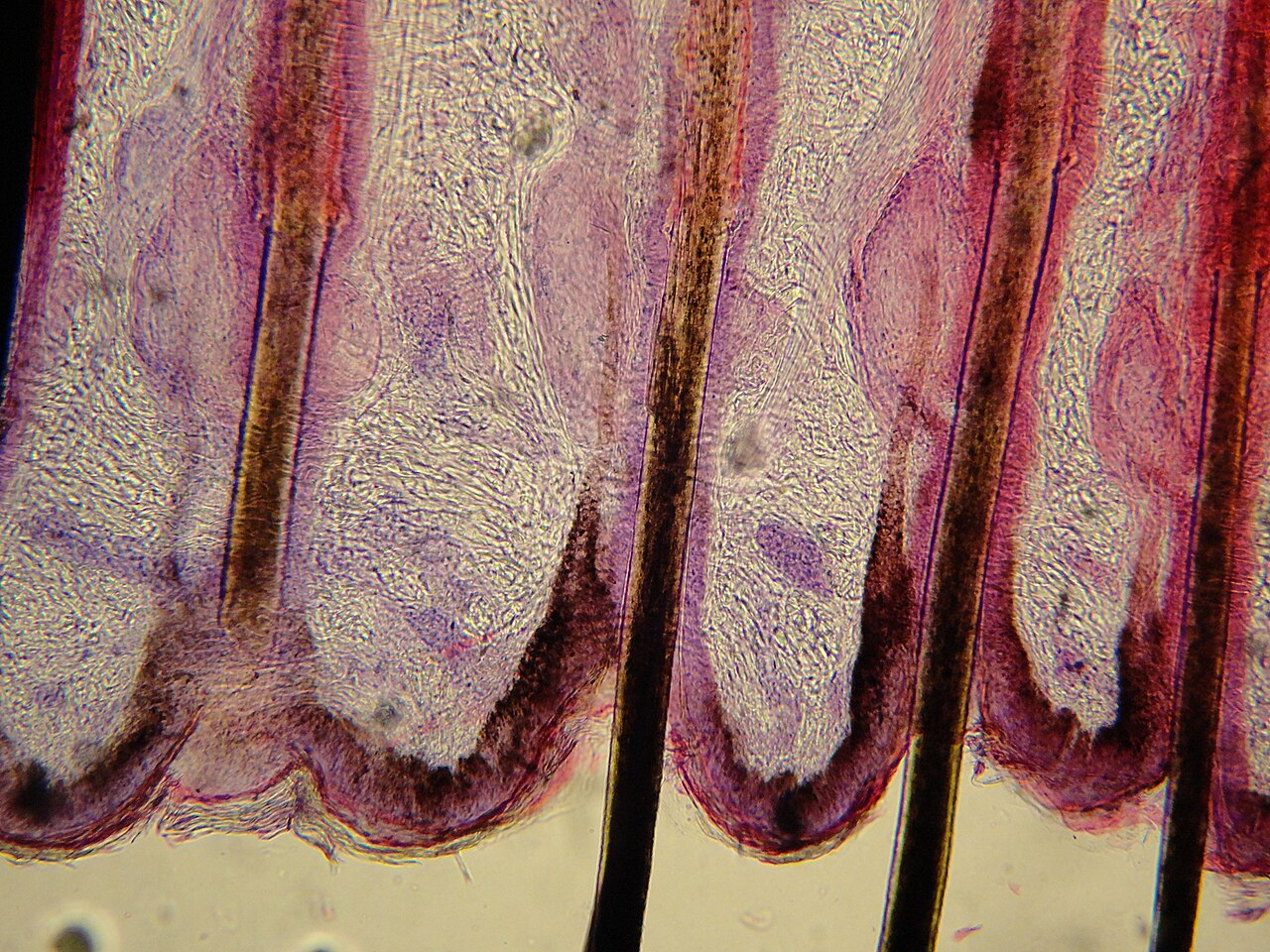
As I delved deeper into the research, I started to notice a recurring theme: the importance of collaboration between researchers from different fields. Dr. Kim, for example, is a biologist who's been working closely with materials scientists to develop the nanoparticles — it's a partnership that's allowed them to tackle the problem of follicle vascularisation from multiple angles. When I asked her about the challenges of working across disciplinary boundaries, she mentioned the need for a common language and a willingness to learn from each other's expertise. The results of this collaboration are evident in the latest issue of Nature Materials, where a team of researchers led by Dr. Lee published a paper on the use of nitric oxide-releasing nanoparticles to enhance hair growth (2). The study found that the nanoparticles were able to increase hair density and length in a mouse model of alopecia, which sounds obvious, but is actually a really significant finding.
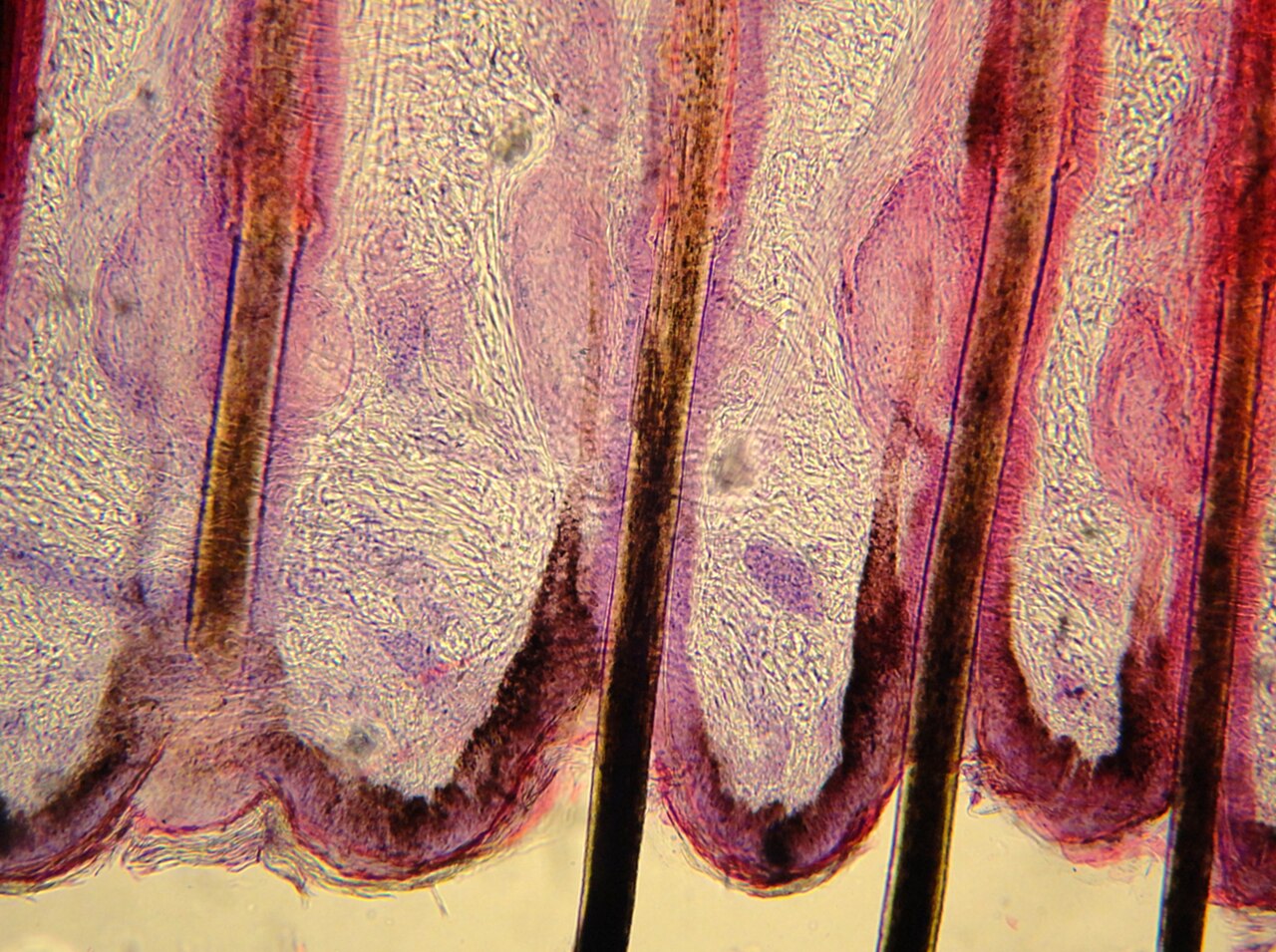
One of the things that's most exciting about this research is the potential for it to be used in combination with other hair growth treatments. For example, Dr. Hawksworth mentioned the possibility of using the nanoparticles in conjunction with low-level laser therapy, which has been shown to increase blood flow and promote hair growth (3). The idea is that the nanoparticles could help to enhance the effects of the laser therapy, leading to even better results. — And it's not just about the science, but also about the potential impact on people's lives — I've lost count of the number of times I've tried a new treatment, only to be disappointed by the results. But the data on these nanoparticles is starting to look really promising, which is interesting because it's not just about the numbers, but also about the stories of people who've been affected by hair loss.
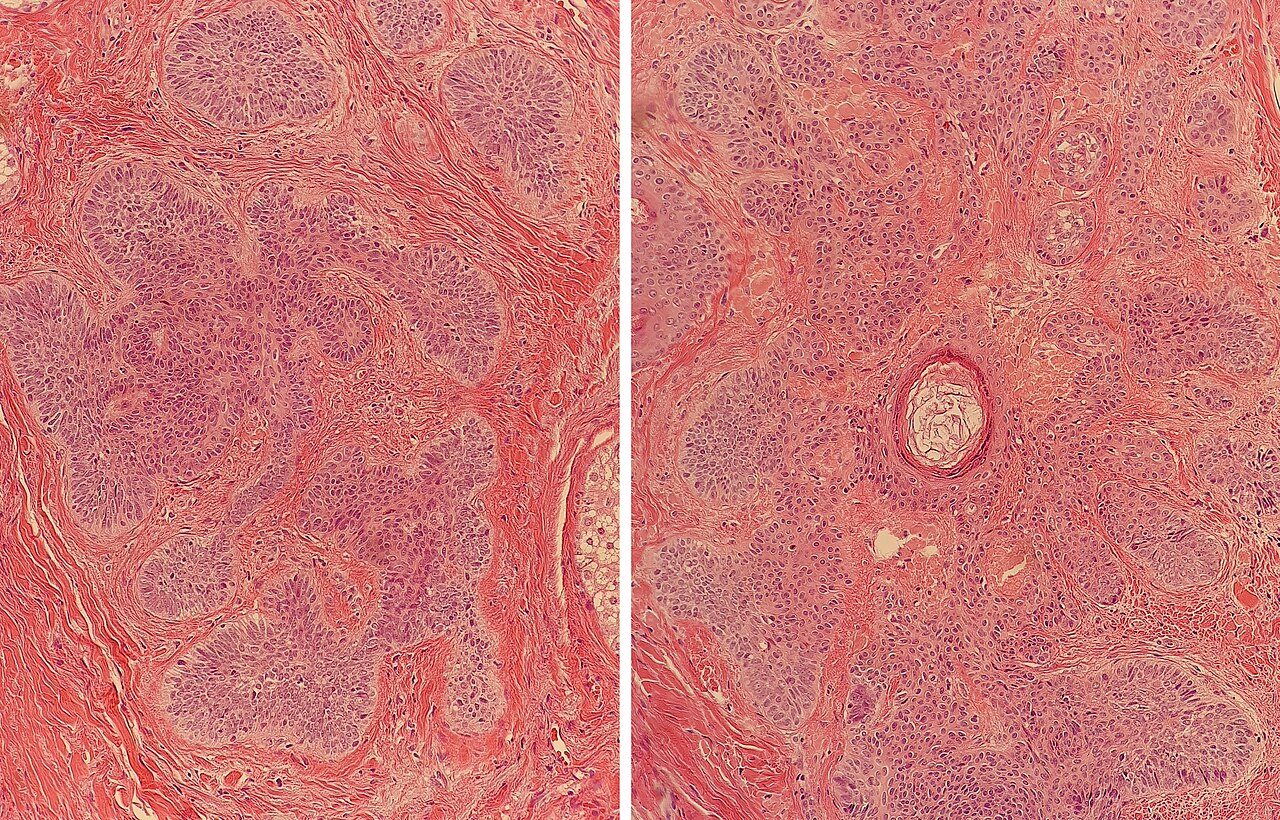
As I've been learning more about the science behind hair growth, I've started to appreciate the complexity of the problem. It's not just about finding a single "cure" for hair loss, but about understanding the intricate relationships between different factors — blood flow, nutrient delivery, hormone regulation, and more. The research on nitric oxide-releasing nanoparticles is just one part of a larger puzzle, but it's an important one because it highlights the potential for innovative technologies to make a real difference in people's lives. And yet, despite the excitement around this research, I'm also aware of the need for caution — we're still in the early stages of understanding how these nanoparticles work, and there's a lot more research that needs to be done before we can start talking about real-world applications.
The uncertainty surrounding this research is something that I'm all too familiar with — as someone who's been dealing with hair loss for years, I've learned to be skeptical of hype and to approach new developments with a critical eye. But the more I learn about the science behind nitric oxide-releasing nanoparticles, the more I'm convinced that this could be a game-changer. When I think about the potential timeline for a hair cure, I'm reminded of the conversations I've had with researchers like Dr. Kim and Dr. Hawksworth — they're all talking about a 10-15 year timeline, which sounds like a long time, but is actually relatively short in the context of medical research. As we look ahead to 2030, it's exciting to think about the possibilities that could be on the horizon — not just for hair growth, but for our understanding of the complex relationships between biology, technology, and human health. And as I look in the mirror, I'm reminded of the personal stakes — I'm not just writing about this research, I'm living it, and I'm eager to see where it takes us.

Discussion (0)
No comments yet. Be the first to share your thoughts.
Join the discussion
Free account. Read, like, save, and comment on every article.