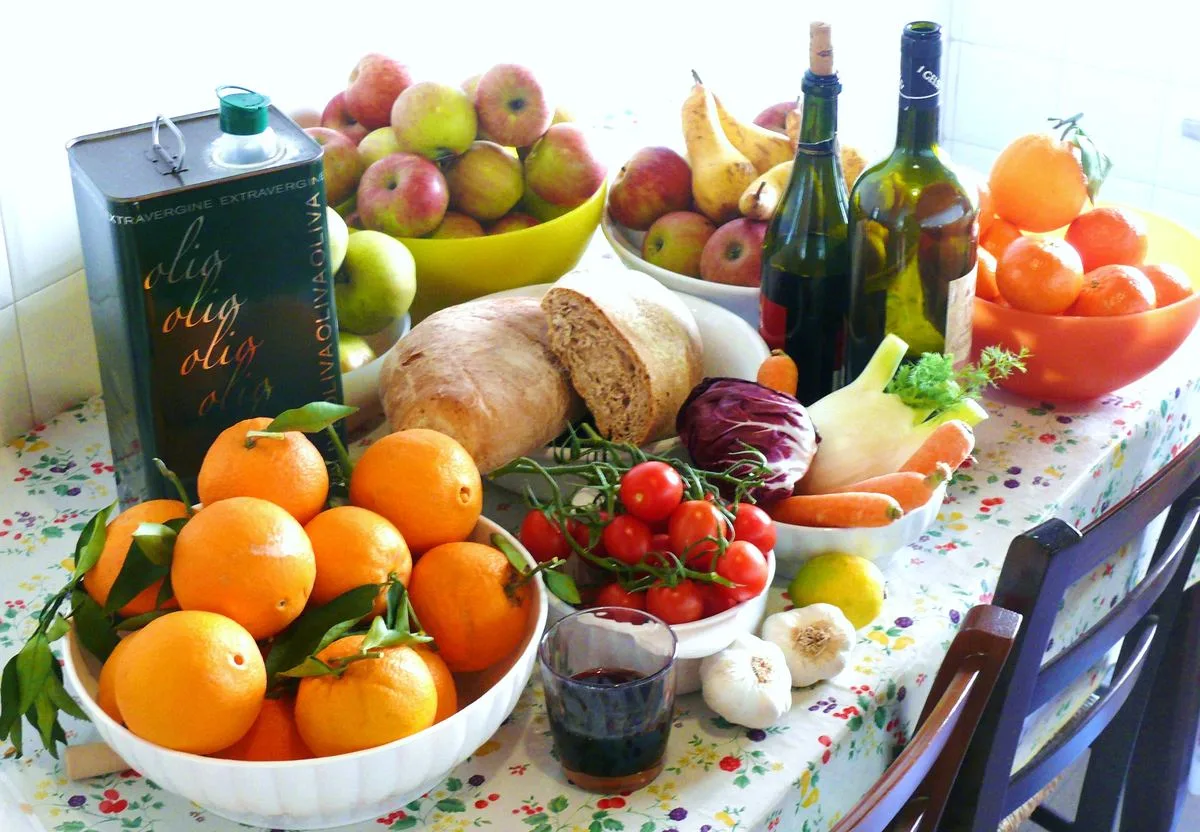
Mediterranean Diet and Hair Loss: An Observational Association Worth Knowing

The 2018 Italian case-control study published in Archives of Dermatological Research surveyed 104 men with early androgenetic alopecia and 100 matched controls about dietary patterns. Men who consumed Mediterranean diet patterns (defined by vegetables, herbs, olive oil, fish, legumes) more than 3 times weekly had significantly lower odds of androgenetic alopecia after adjustment for age and other factors. The study generated significant interest as one of the few diet-and-hair studies with reasonable methodology.
The proposed mechanisms are plausible. Mediterranean diet is associated with reduced systemic inflammation markers, improved insulin sensitivity (relevant given the increasing recognition of insulin resistance in androgenetic alopecia), and provides anti-oxidant micronutrients potentially relevant to follicle stem cell function. The diet is also typically lower in refined carbohydrates and processed foods, which are associated with inflammatory markers in epidemiological studies.
The honest framing: this is observational evidence, not interventional. The Italian study can't establish whether following Mediterranean patterns reduces hair loss or whether men with healthier overall lifestyles (correlated with Mediterranean diet) have less hair loss for unrelated reasons. The diet has overwhelming evidence for cardiovascular and cognitive benefits regardless of its uncertain hair effects. Adopting Mediterranean dietary patterns for hair loss specifically may not produce dramatic effects, but it's unlikely to do harm and probably contributes modestly to overall scalp inflammatory environment.
References & Clinical Data
- Mediterranean diet and androgenetic alopecia: case-control study , Fortes C, et al. (Archives of Dermatological Research, 2018)
- Mediterranean diet and inflammation: systematic review , Schwingshackl L, et al. (European Journal of Clinical Nutrition, 2014)
- Insulin resistance and androgenetic alopecia: emerging connections , Trieu N, Eslick GD. (International Journal of Cardiology, 2014)