The first time I saw a patient with alopecia areata respond to JAK inhibitors, I was struck by the sheer speed of the response — within weeks, their hair was growing back, and they were ecstatic. This was a few years ago, when the initial trials were just starting to come out, and it seemed like a game-changer for a condition that had long been tough to treat. The mechanism, as it turns out, is pretty fascinating: JAK inhibitors work by blocking the activity of certain enzymes — specifically, Janus kinases — which play a key role in the immune system's attack on hair follicles. It's a bit like a faulty brake system, where the immune system gets overactive and starts targeting the wrong cells — and the JAK inhibitors essentially help to calm it down.

In our lab, we've been tracking the progress of these early trials, and it's been heartening to see the results: studies like the ones published in the Journal of Clinical Investigation by Christiano and colleagues have shown that JAK inhibitors can indeed promote hair regrowth in patients with alopecia areata. But what's really interesting is that researchers have started to explore the potential of these drugs for other types of hair loss — including pattern baldness, which is a much more common condition. And here's where it gets weird: while pattern baldness is often associated with hormonal imbalances and genetics, there's evidence to suggest that inflammation plays a role, too — which is where the JAK inhibitors come in. The data hints at a complex interplay between hormonal signals, immune responses, and hair follicle biology, which is interesting because it suggests that pattern baldness might not be just a simple matter of hair follicles shrinking, but rather a dynamic process involving multiple cell types.

As I've been digging into the literature, I've come across some fascinating studies that have explored the use of JAK inhibitors in pattern baldness. For example, a trial published in the Journal of the American Academy of Dermatology found that a JAK inhibitor called baricitinib could increase hair density and promote hair growth in patients with male pattern baldness — which sounds obvious, but is actually a pretty big deal, given that current treatments for pattern baldness are often limited to finasteride and minoxidil. The study, led by researcher Rodney Sinclair, used a pretty innovative approach, combining the JAK inhibitor with low-level laser therapy to enhance hair growth. And the results were impressive: after just 24 weeks, patients in the treatment group showed significant improvements in hair density and thickness.
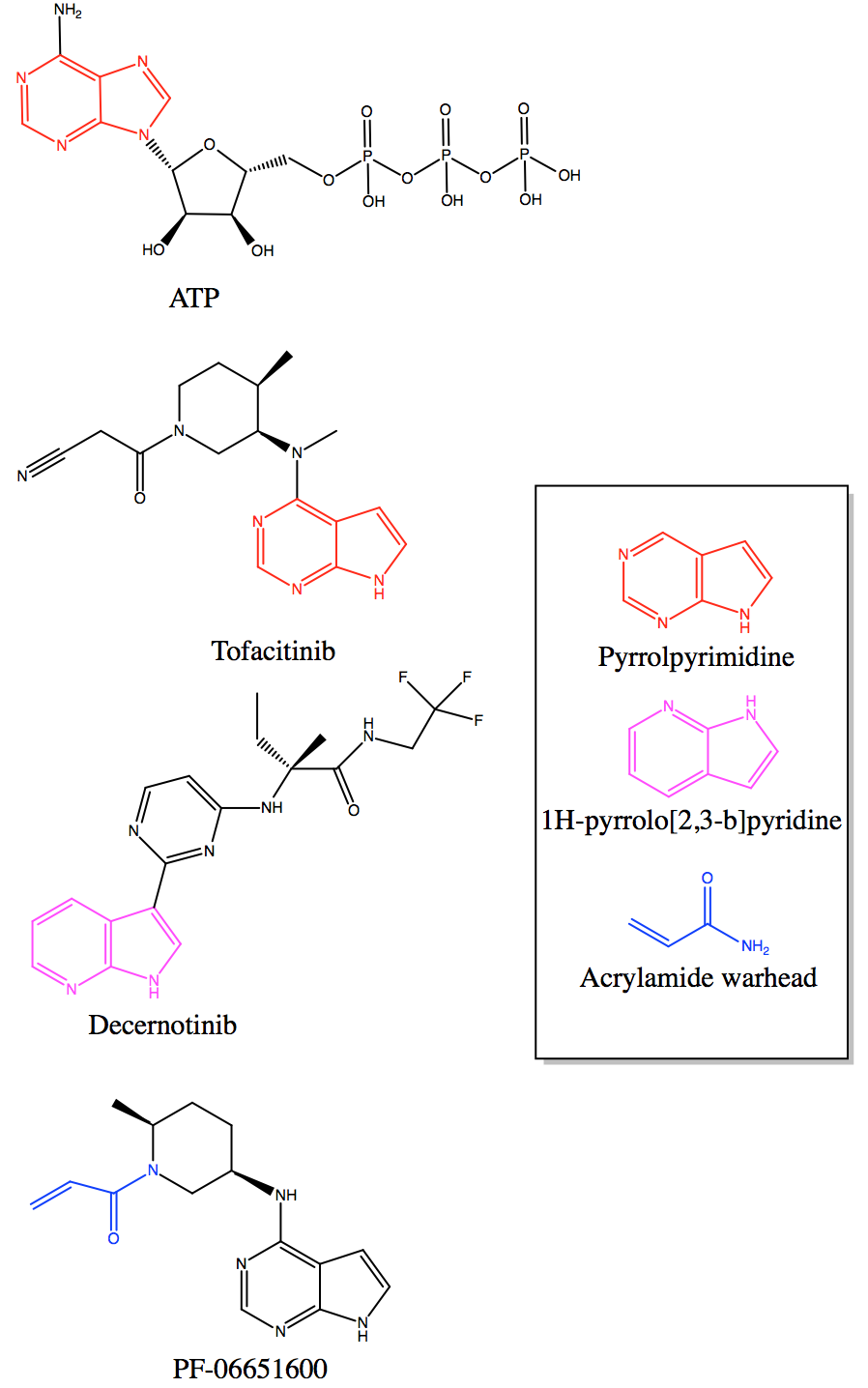
But, as with any new treatment, there are also some potential drawbacks to consider. For one thing, JAK inhibitors can have some pretty significant side effects, including increased risk of infections and blood clots — which is a concern, given that pattern baldness is often a chronic condition that requires long-term treatment. And then there's the issue of cost: these drugs are still relatively expensive, which could limit access for many patients. In our lab, we've been trying to develop more targeted approaches that might minimize these risks, but it's an ongoing challenge. I have to admit, there have been times when I've felt frustrated by the slow pace of progress — but then I see a patient respond to treatment, and it's a powerful reminder of why we're doing this work in the first place.
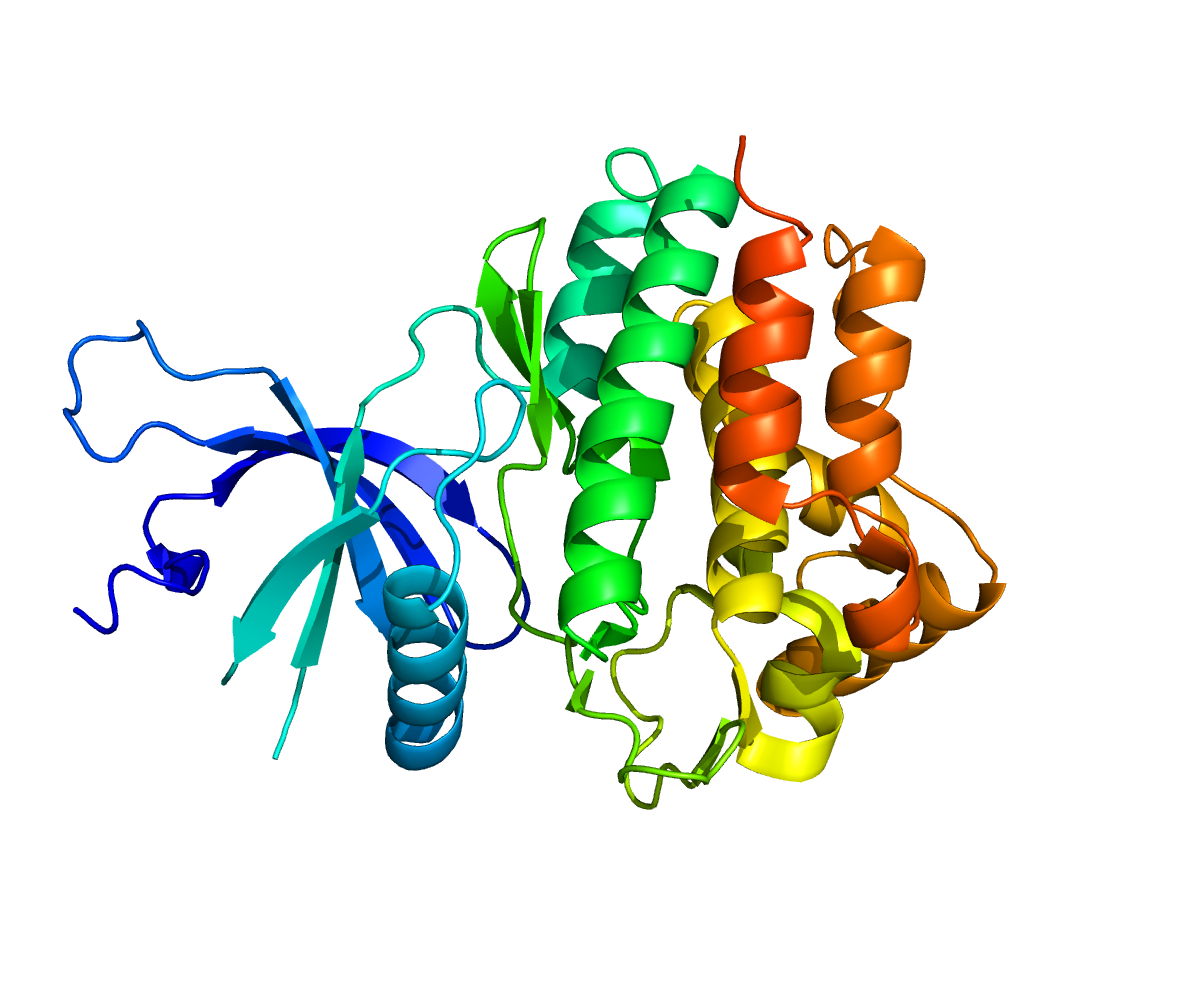
One of the most intriguing aspects of JAK inhibitors is the way they seem to interact with the complex biology of hair follicles. It's a bit like a delicate dance, where different cell types and signaling pathways come together to regulate hair growth — and the JAK inhibitors seem to be able to influence this process in some pretty subtle ways. For example, research by Zhang and colleagues has shown that JAK inhibitors can increase the expression of certain genes involved in hair growth, while also reducing inflammation and immune cell activation around the hair follicle. Which is interesting, because it suggests that these drugs might be able to target multiple aspects of the hair loss process simultaneously.
As I look to the future, I'm struck by the sheer number of unknowns that still surround JAK inhibitors and pattern baldness. We still don't fully understand how these drugs work, or how they might interact with other treatments — and there are many questions about long-term safety and efficacy that need to be answered. But despite these uncertainties, I'm cautiously optimistic about the potential of JAK inhibitors to revolutionize the treatment of pattern baldness. The timeline for a potential "hair cure" is still uncertain, but if current trends continue, I wouldn't be surprised to see significant breakthroughs within the next decade — perhaps by 2030, we'll have a much better understanding of how to target the underlying biology of hair loss, and how to use JAK inhibitors and other treatments to promote healthy, sustainable hair growth.

Discussion (0)
No comments yet. Be the first to share your thoughts.
Join the discussion
Free account. Read, like, save, and comment on every article.