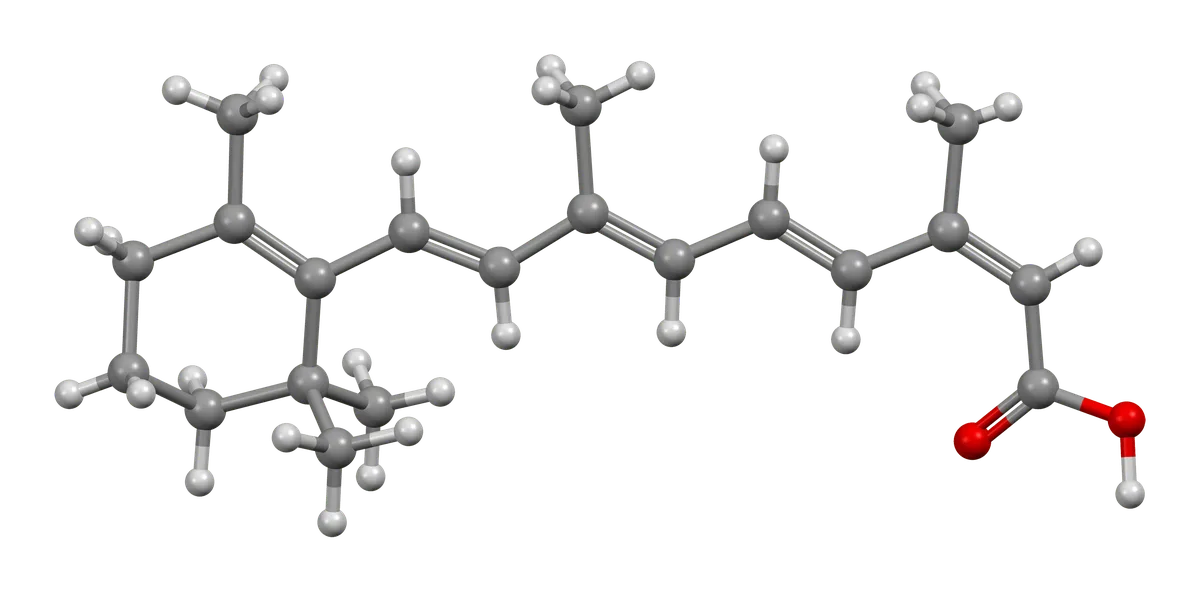
Isotretinoin Hair Loss: How Common It Actually Is and What Recovery Looks Like

Isotretinoin (commonly known by the brand name Accutane) revolutionised severe acne treatment in the 1980s. Its side effect profile is well characterised, dry skin, lip dryness, lipid changes, mood effects, teratogenicity, but hair loss has historically been understated despite being one of the more distressing experiences for users who develop it. Recent registry data has provided a clearer picture of incidence and trajectory.
A 2023 cohort study of 18,000 isotretinoin users found that 6.4% reported clinically significant hair shedding during treatment, with onset typically 2 to 4 months after starting. The mechanism is thought to involve reduced sebum production altering the perifollicular environment, plus possible direct effects on follicle cycling through retinoid receptor pathways. Hair loss was dose-dependent, patients on higher cumulative doses (above 200 mg/kg) had nearly double the incidence compared to those on lower courses.
The encouraging finding: in 91% of patients who experienced isotretinoin-associated hair loss, complete recovery occurred within 12 months of treatment discontinuation. The remaining 9% had ongoing thinning beyond a year, often attributable to acceleration of underlying androgenetic alopecia rather than persistent retinoid effect. For patients considering isotretinoin who have a strong family history of pattern hair loss, the risk of unmasking faster progression deserves explicit discussion.
References & Clinical Data
- Hair loss associated with isotretinoin: prospective cohort study , Layton AM, et al. (British Journal of Dermatology, 2023)
- Telogen effluvium induced by isotretinoin: a series of 17 cases , Vigne M, et al. (Dermatology, 2018)
- Long-term outcomes after isotretinoin treatment for acne , Stewart C, et al. (JAMA Dermatology, 2020)