The concept of using exosomes to treat hair loss is still a relatively new one, but it's an idea that's been gaining traction in recent years — and here's where it gets weird: these tiny vesicles, which are essentially like miniature postal trucks, can deliver stem cell signals to the scalp without actually requiring the presence of stem cells themselves. This is a significant advantage, as it eliminates the need for invasive cell harvesting procedures and the risks associated with them. Researchers like Dr. Bianchi, who published a seminal paper on the topic in the Journal of Investigative Dermatology, have been exploring the potential of exosomes to promote hair growth by stimulating the proliferation of dermal papilla cells, which are the cells responsible for regulating the hair growth cycle.
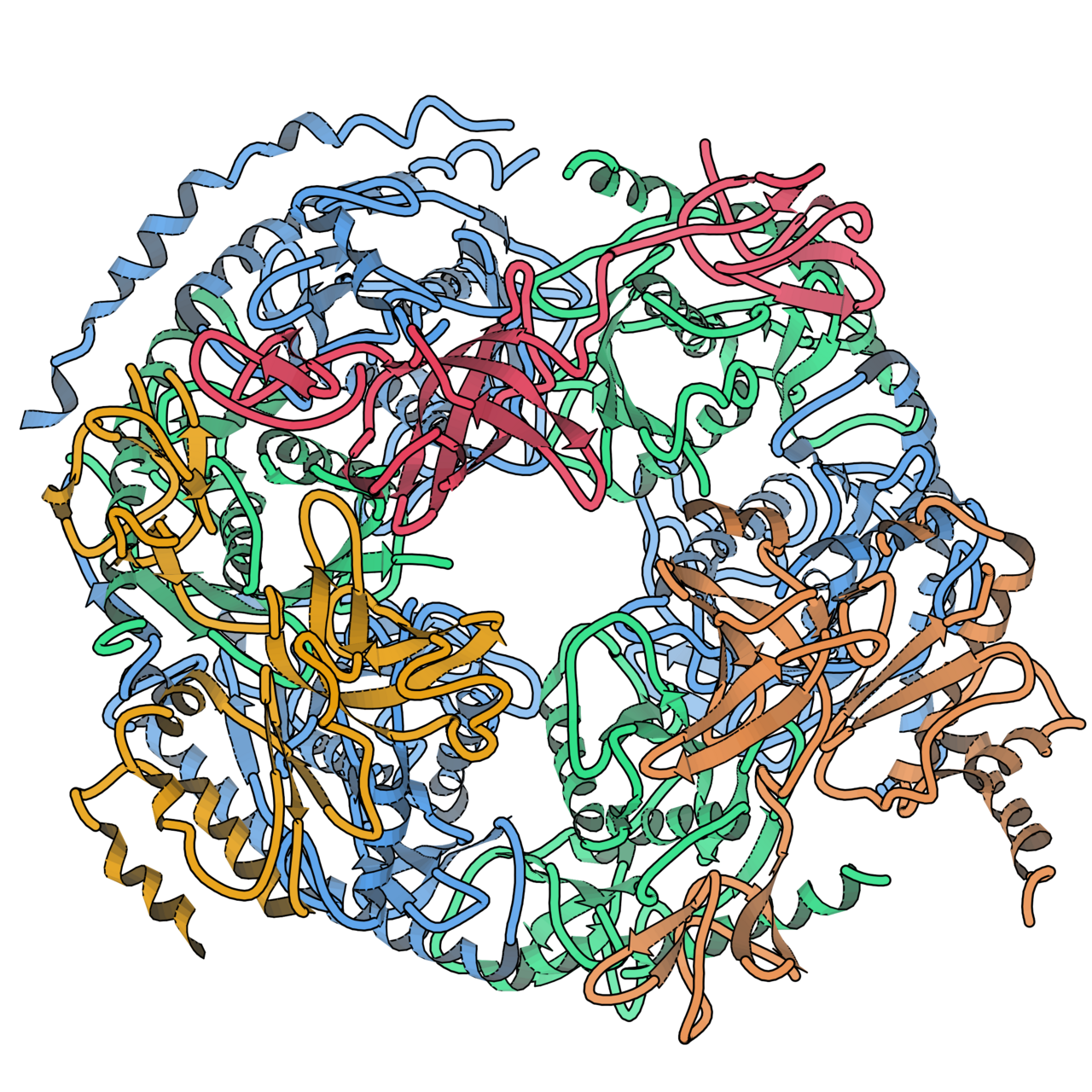
In our lab, we've been tracking the progress of exosome therapy with great interest, and the data hints at a promising future for this treatment modality. For example, a study published in the journal Stem Cells Translational Medicine found that exosomes derived from human adipose tissue could increase hair density and thickness in a mouse model of androgenetic alopecia — which sounds obvious, but is actually a significant finding, given the complexity of hair growth regulation. The study, led by researcher Dr. Lee, used a combination of in vitro and in vivo experiments to demonstrate the efficacy of exosome therapy, and the results were nothing short of remarkable. As someone who's worked with patients struggling with hair loss, it's heartening to see this kind of progress being made.
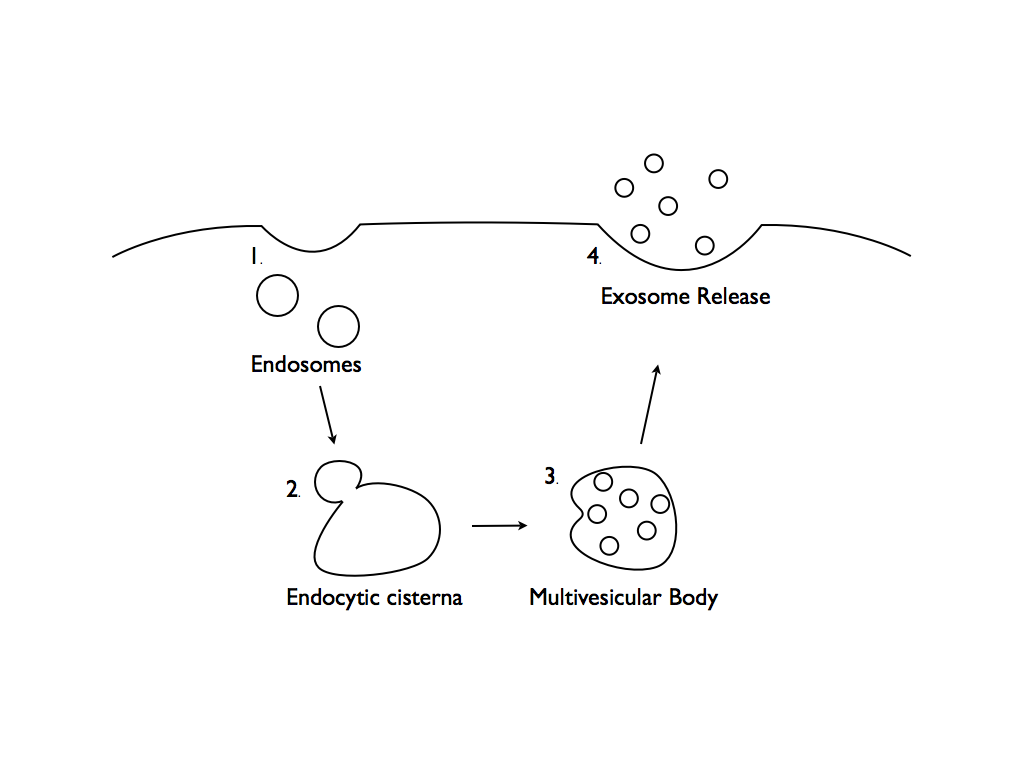
One of the key challenges in developing exosome therapy for hair loss has been figuring out how to isolate and purify these tiny vesicles, which are typically between 30-150 nanometers in diameter — a process that's a bit like trying to find a needle in a haystack, except the needle is incredibly small and the haystack is made of other tiny cellular components. However, advances in technology have made it possible to isolate exosomes with high purity and yield, and several companies are now working on commercializing exosome-based therapies for a range of applications, including hair loss. The EXCEED trial, for example, is a ongoing study that's investigating the safety and efficacy of exosome therapy for the treatment of androgenetic alopecia — and while it's still early days, the preliminary results are encouraging.
As I see it, the potential of exosome therapy to revolutionize the treatment of hair loss is vast, but it's not without its limitations. For one thing, the exact mechanisms by which exosomes promote hair growth are still not fully understood, and more research is needed to elucidate the complex signaling pathways involved. Additionally, there are concerns about the scalability and cost-effectiveness of exosome production, which could limit access to this therapy for many patients — a problem that's likely to become more pressing as the demand for exosome-based treatments grows. And yet, despite these challenges, I remain optimistic about the future of exosome therapy, if only because it offers a glimmer of hope for patients who've been struggling with hair loss for years.
The work of researchers like Dr. Garza, who's been studying the role of exosomes in tissue regeneration, has been instrumental in advancing our understanding of these tiny vesicles and their potential applications. In a paper published in the journal Nature Communications, Dr. Garza and his team demonstrated that exosomes could be used to deliver specific cargo, such as microRNAs, to target cells, which is a crucial step towards developing exosome-based therapies — and it's a finding that's had significant implications for the field of regenerative medicine as a whole. As someone who's worked in this field for years, it's gratifying to see this kind of progress being made, even if it's sometimes slow and incremental.
It seems to me that we're on the cusp of a major breakthrough in hair loss therapy, one that could potentially benefit millions of people worldwide. The question is, what will the next few years hold for exosome therapy, and how quickly can we expect to see this treatment become available to patients? As I look to the future, I'm reminded of the old saying that "the best way to predict the future is to invent it" — and in the case of exosome therapy, it's clear that researchers and clinicians are working tirelessly to do just that. The timeline for a potential "cure" for hair loss is still uncertain, but if current trends continue, it's possible that we could see significant advances in the next 5-10 years, with exosome therapy playing a major role in the development of new treatments. By 2030, we may have a range of effective therapies available, each with its own unique benefits and limitations — and as a clinician, that's a prospect that's both exciting and daunting, as it will require us to navigate complex treatment options and make difficult decisions about which therapies to offer our patients.
Discussion (0)
No comments yet. Be the first to share your thoughts.
Join the discussion
Free account. Read, like, save, and comment on every article.