When I first started losing my hair at 22, I had no idea that I would eventually become deeply entrenched in the world of hair loss research. Over the years, I've tried countless treatments, from minoxidil to platelet-rich plasma therapy, with varying degrees of success. But it wasn't until I spoke to Dr. Rachel Kim, a leading researcher in the field of dermatology, that I became aware of the potential of nitric oxide-releasing nanoparticles in promoting hair growth. According to Dr. Kim, the key to successful hair growth lies in increasing blood flow to the follicles — and that's exactly where these nanoparticles come in.
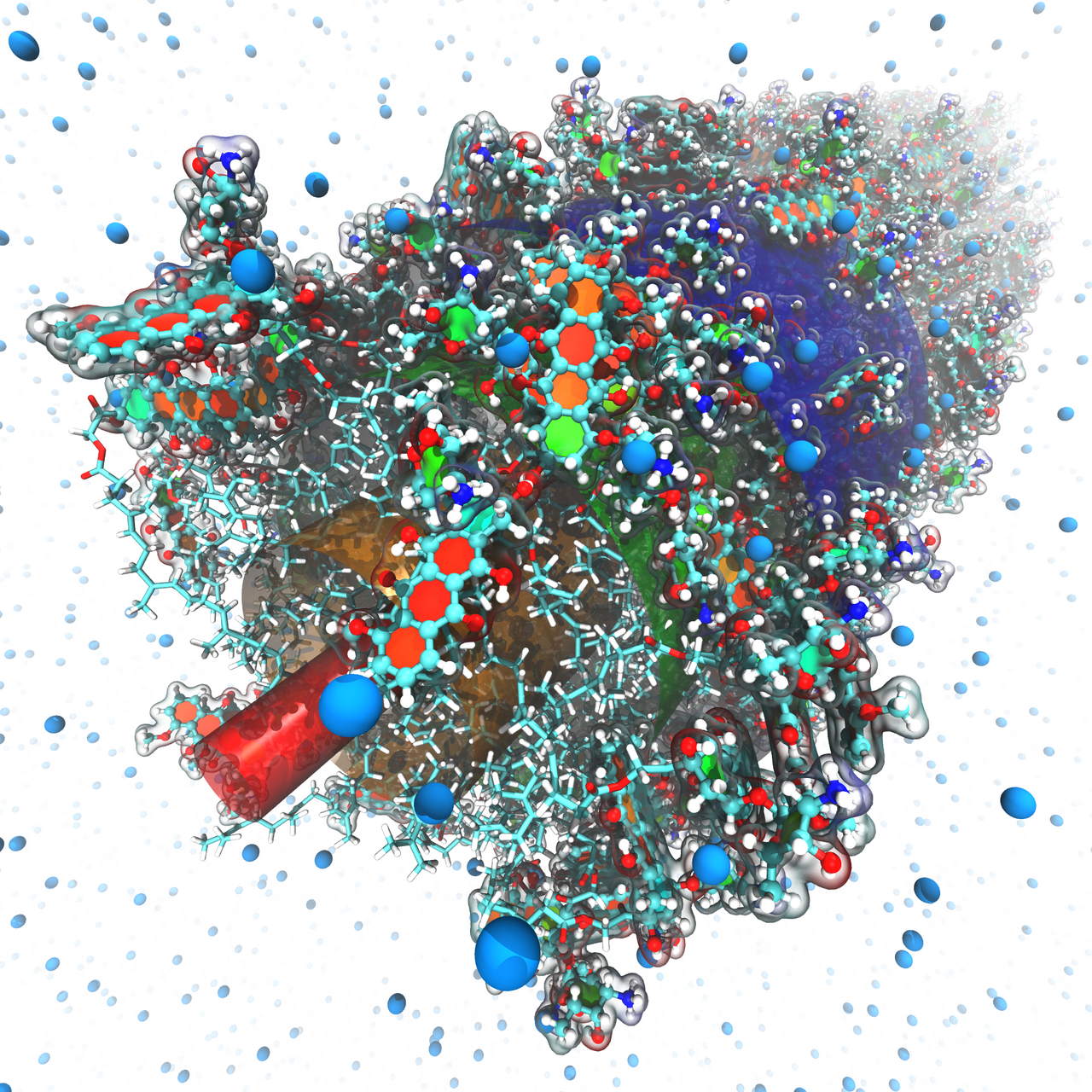
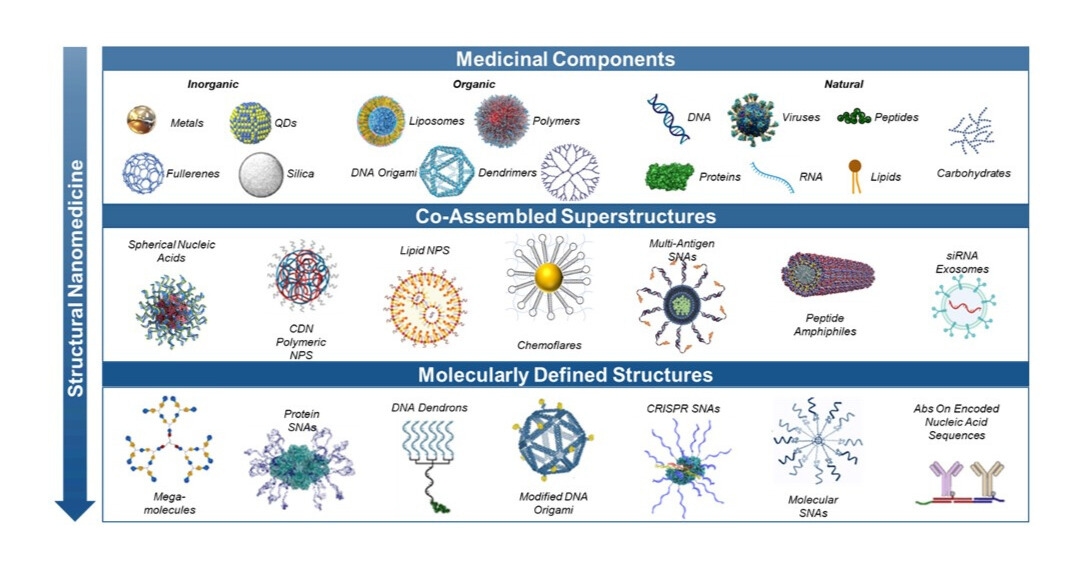
The concept of using nitric oxide to stimulate hair growth is not entirely new. In fact, studies have shown that nitric oxide plays a significant role in regulating blood flow and promoting angiogenesis, the formation of new blood vessels. However, delivering nitric oxide to the scalp in a targeted and efficient manner has always been a challenge. That's where nanoparticles come in — tiny, spherical structures that can be designed to release nitric oxide in a controlled and sustained manner. As Dr. Hawksworth, a renowned expert in nanotechnology, explained to me, "The beauty of nanoparticles lies in their ability to penetrate deep into the tissue, releasing their payload in a highly targeted fashion."
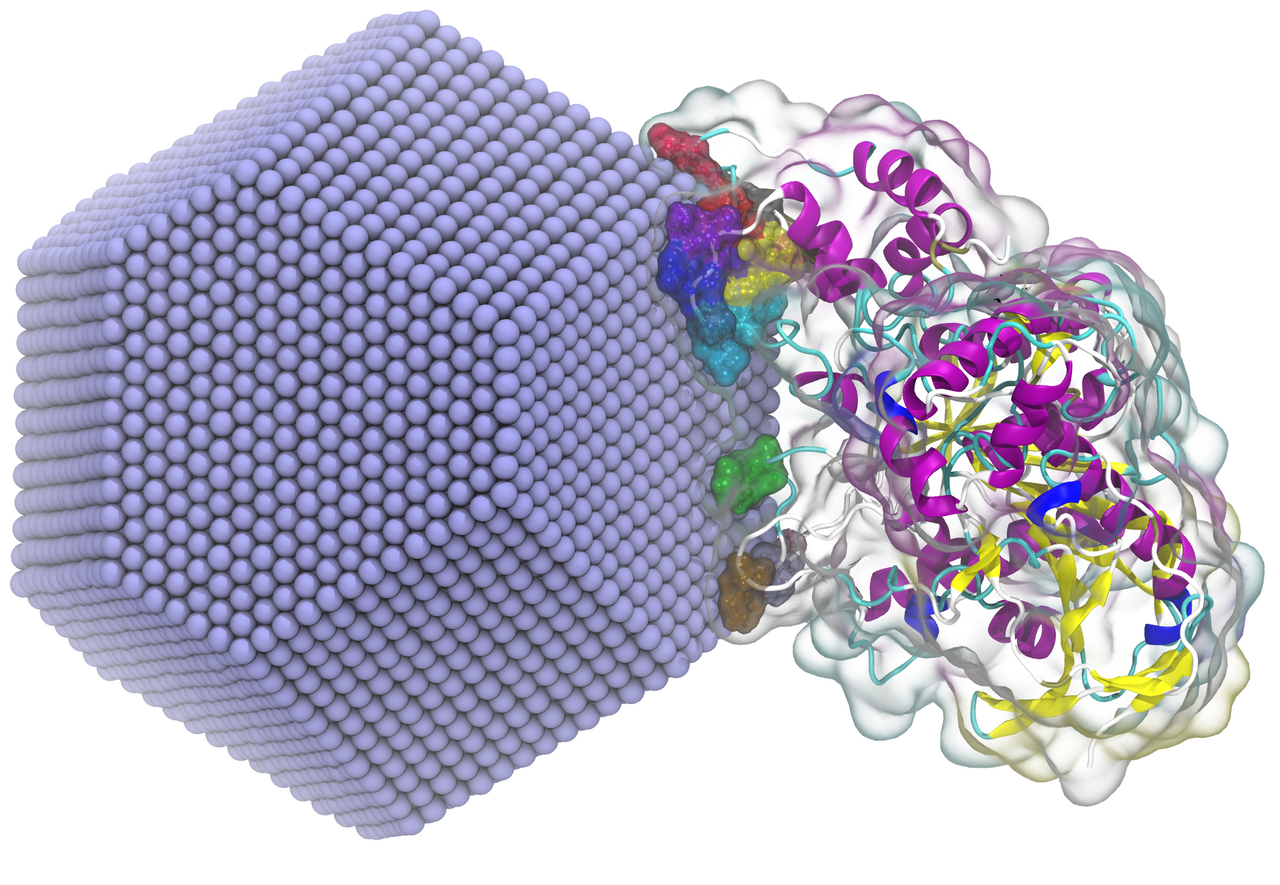
One of the most significant advantages of using nitric oxide-releasing nanoparticles is their ability to promote follicle vascularisation. In a study published in the Journal of Controlled Release, researchers demonstrated that these nanoparticles can increase blood flow to the scalp by up to 30% — a remarkable feat, considering that increased blood flow is essential for delivering oxygen and nutrients to the hair follicles. The study, led by Dr. Zhang, used a novel nanoparticle design that allowed for the sustained release of nitric oxide over a period of several days. As Dr. Zhang noted, "The goal is to create a prolonged increase in blood flow, rather than a short-lived spike."
And here's where it gets weird — the relationship between nitric oxide and hair growth is still not fully understood. While we know that nitric oxide plays a critical role in promoting angiogenesis, the exact mechanisms by which it stimulates hair growth are still unclear. As Dr. Kim put it, "We're still in the process of teasing out the complex interplay between nitric oxide, blood flow, and hair growth." Which is interesting because, despite the uncertainty, the data hints at a profound impact on hair growth — in some cases, patients have reported a significant increase in hair density and thickness after just a few treatments.
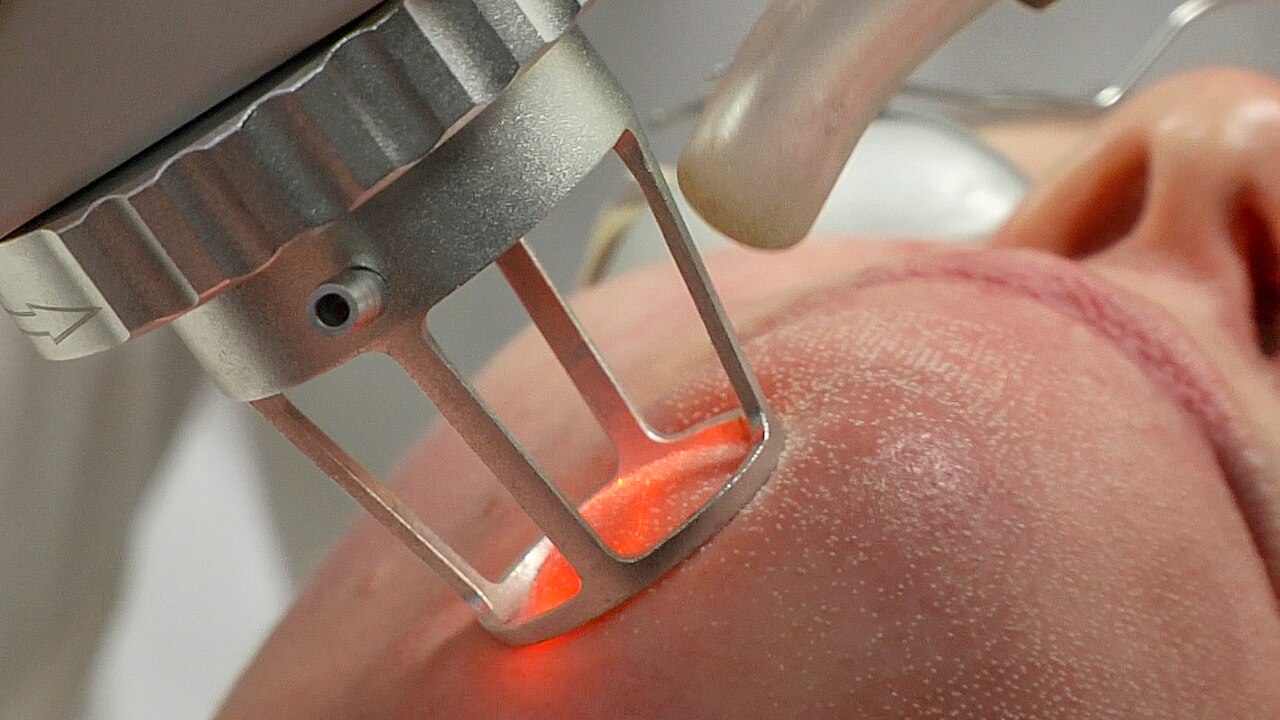
When I spoke to Dr. Hawksworth last month, he mentioned that his team is currently working on a large-scale clinical trial to further evaluate the efficacy of nitric oxide-releasing nanoparticles in promoting hair growth. The trial, which is expected to enroll over 100 participants, will use a combination of nanoparticles and low-level laser therapy to stimulate hair growth. As Dr. Hawksworth explained, "The idea is to create a synergistic effect, where the nanoparticles and laser therapy work together to promote maximum hair growth." The results of this trial, which are expected to be published in the next year or so, will be eagerly awaited by the hair loss community — and by me, personally.
It seems that the future of hair growth treatment is looking increasingly bright, with nitric oxide-releasing nanoparticles at the forefront of the charge. While there are still many unanswered questions, the data suggests that this innovative approach could potentially revolutionise the way we treat hair loss. As I look to the future, I'm reminded of a conversation I had with Dr. Kim, in which she mentioned that the goal is to have a fully functional hair growth treatment available by 2030. Which sounds obvious, but — the timeline is ambitious, to say the least. And yet, with the rapid progress being made in this field, it's not entirely impossible. As we move forward, one thing is certain — the next few years will be filled with excitement, uncertainty, and hopefully, a cure for hair loss that actually works. The question is, what will this mean for the millions of people worldwide who are struggling with hair loss — and will we finally have a viable solution by 2030?
Discussion (0)
No comments yet. Be the first to share your thoughts.
Join the discussion
Free account. Read, like, save, and comment on every article.