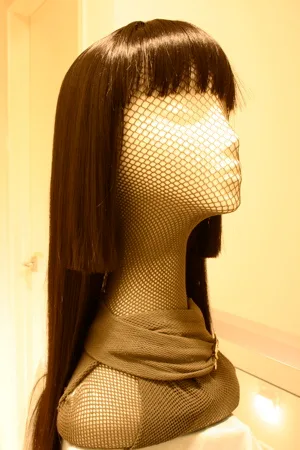
Hair Systems and Toppers: When Wearing Hair Makes More Sense Than Growing It

The hair replacement industry has undergone a quiet revolution over the past two decades. Modern hair systems, also called hair units, toupées, or for women toppers and wigs, use lace bases so fine they're nearly invisible, ventilated with hair tied knot-by-knot to mimic individual follicles. When properly fitted, dyed, and trimmed by an experienced stylist, the result is genuinely indistinguishable from native hair to a casual observer.
The trade-offs are real. Maintenance requires attention, most systems need replacement every 4 to 9 months, with monthly maintenance appointments for tape or adhesive renewal. Cost ranges from £150 to 500 for entry-level synthetic systems to £800 to 2,000+ for custom human hair pieces. Hot weather, swimming, and sleeping arrangements all require adjustment. The psychological component varies widely between users, some embrace the cosmetic transformation completely, others feel constrained by the maintenance requirements.
For patients with extensive hair loss who don't have adequate donor reserves for transplantation, or who want immediate transformation rather than 12+ months waiting for transplant maturation, hair systems are often the most realistic path to a fully restored appearance. For women with extensive female pattern hair loss, lace-front toppers offer particularly natural results with less maintenance commitment than full systems. The honest framing: modern hair replacement is a legitimate option, not a fallback for failed treatment. For some patients it's the optimal choice from the outset.
References & Clinical Data
- Cosmetic hair prostheses: indications and outcomes , Donovan JC, et al. (Skin Therapy Letter, 2011)
- Patient satisfaction with hair replacement systems vs hair transplantation , Bressler EA, et al. (International Journal of Trichology, 2018)
- Modern hair systems: materials, attachment methods, and care , Schmidt-Ullrich R, Paus R. (Experimental Dermatology, 2005)