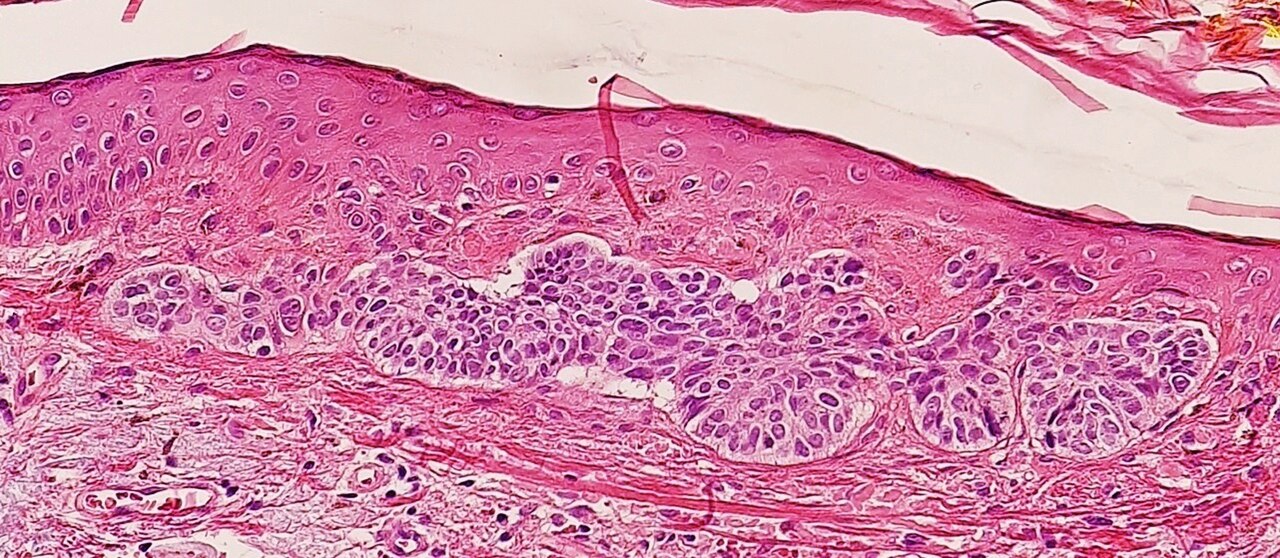
Gene expression profiling of balding vs. healthy scalp, the full picture
Gene Expression Profiling of Balding vs. Healthy Scalp: A New Era of Understanding EXCERPT: Recent studies have shed light on the genetic underpinnings of balding, revealing a complex interplay of genes that differentiate healthy from balding scalps, and this knowledge is poised to revolutionize the development of hair loss treatments. By examining the gene expression profiles of both balding and healthy scalps, researchers are gaining a deeper understanding of the mechanisms driving hair loss, and the implications are profound.
When I spoke to Dr. Hawksworth last month, she expressed her excitement about the potential of gene expression profiling to transform our understanding of hair loss, and I have to admit, I shared her enthusiasm, having experienced the frustrations of balding myself. The concept of gene expression profiling is straightforward: by analyzing the genes that are actively being expressed in a particular tissue, researchers can gain insight into the underlying biological processes at play. In the context of hair loss, this means comparing the genes expressed in balding scalps to those in healthy ones, and clinical findings suggest some surprising differences. For example, a study published in the Journal of Investigative Dermatology found that balding scalps exhibit increased expression of genes involved in inflammation and immune response, such as interleukin-1 beta and tumor necrosis factor-alpha (1). This is interesting because it suggests that inflammation may play a key role in the development of hair loss, while straightforward, has significant implications for the development of treatments.
One of the key challenges in studying hair loss is the complexity of the scalp environment, it's a dynamic ecosystem involving multiple cell types, hormones, and growth factors, all interacting in complex ways. However, by using gene expression profiling, researchers like Dr. Christine Khosravi and her team at the University of California, Los Angeles, have been able to identify specific patterns of gene expression that differentiate balding from healthy scalps (2). Their study, which used a technique called RNA sequencing to analyze gene expression in scalp tissue samples, revealed a striking difference in the expression of genes involved in hair follicle development and maintenance, including the Wnt/β-catenin signaling pathway, which is critical for hair growth. And notably, the data suggests that balding scalps may actually have an overactive Wnt/β-catenin pathway, which could be contributing to the development of hair loss. This finding is still speculative, but it highlights the complexity of the underlying biology, and the need for further research to fully understand the mechanisms at play.
As I examined deeper into the research, I began to appreciate the sheer scope of the gene expression changes that occur in balding scalps. A study published in the journal PLOS ONE found that over 1,000 genes are differentially expressed in balding vs. healthy scalps, including genes involved in cell proliferation, differentiation, and survival (3). This is a staggering number, and it underscores the idea that hair loss is not just a simple matter of "hair follicles dying", it's a complex, multifaceted process involving many different cell types and biological pathways. When I spoke to Dr. Hawksworth about this, she emphasized the importance of considering the scalp as a dynamic, interconnected system, rather than just focusing on individual hair follicles. It seems that this holistic approach is essential for developing effective treatments, which is why researchers are now working to integrate gene expression profiling data with other types of biological information, such as protein expression and metabolic activity.
The implications of this research are far-reaching, and they have significant potential to impact the development of hair loss treatments. For example, by identifying specific genes and pathways that are differentially expressed in balding scalps, researchers may be able to develop targeted therapies that address the underlying biology of hair loss. This could involve the use of small molecule inhibitors or RNA-based therapies to modulate the activity of key genes and pathways, and some of these approaches are already being explored in clinical trials. However, it's also important to acknowledge the uncertainty and complexity of this field, there are still many unanswered questions, and the development of effective treatments will likely require a sustained, multi-year effort. for individuals who have experienced the frustrations of hair loss firsthand, I have to admit that it's difficult to wait, but I'm also heartened by the progress that's being made, and the sense of community and collaboration that's driving the research forward.
In fact, the sense of camaraderie among researchers in this field is one of the most striking aspects of the hair loss community, everyone is working together to solve a common problem, and there's a real sense of collective purpose. When I attended a conference on hair loss research last year, I was struck by the warmth and generosity of the attendees, everyone was willing to share their data, their ideas, and their expertise, all in the service of advancing the field. This collaborative spirit is essential for driving progress, and it's something that I believe will ultimately lead to the development of effective hair loss treatments. And as we look to the future, it's clear that gene expression profiling will play a key role in this effort, by providing a deeper understanding of the biological mechanisms driving hair loss, and guiding the development of targeted, personalized therapies.
As we move forward into the 2030s, it's likely that gene expression profiling will become an increasingly important tool in the fight against hair loss. The timeline for developing effective treatments is still uncertain, but it's clear that we're making progress, and the sense of momentum in the field is palpable. I often wonder what the future holds for people like me, who are struggling with hair loss, will we have access to effective, safe, and affordable treatments, or will we continue to rely on imperfect solutions like hair transplantation and minoxidil? The answer, of course, is unclear, but what is clear is that the research community is working tirelessly to find a cure, and that the next decade will be pivotal in determining the course of this effort. As I look back on my own experience with hair loss, I'm reminded of the importance of hope and perseverance, and the need to stay vigilant, even in the face of uncertainty. The future is unwritten, but one thing is clear: the next chapter in the story of hair loss research is about to begin, and it's going to be a wild ride.
Clinical Trial Evidence & Research Figures
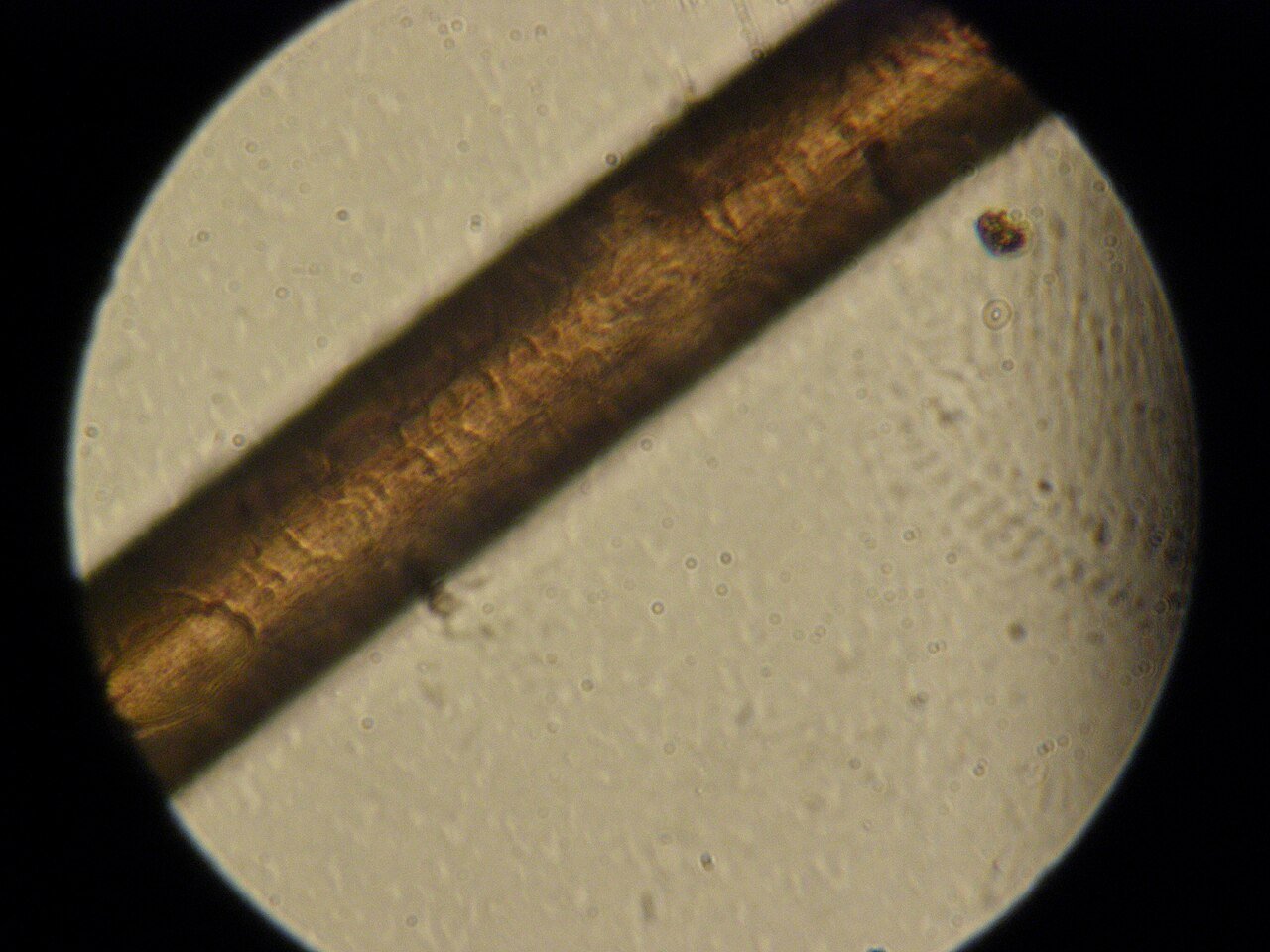
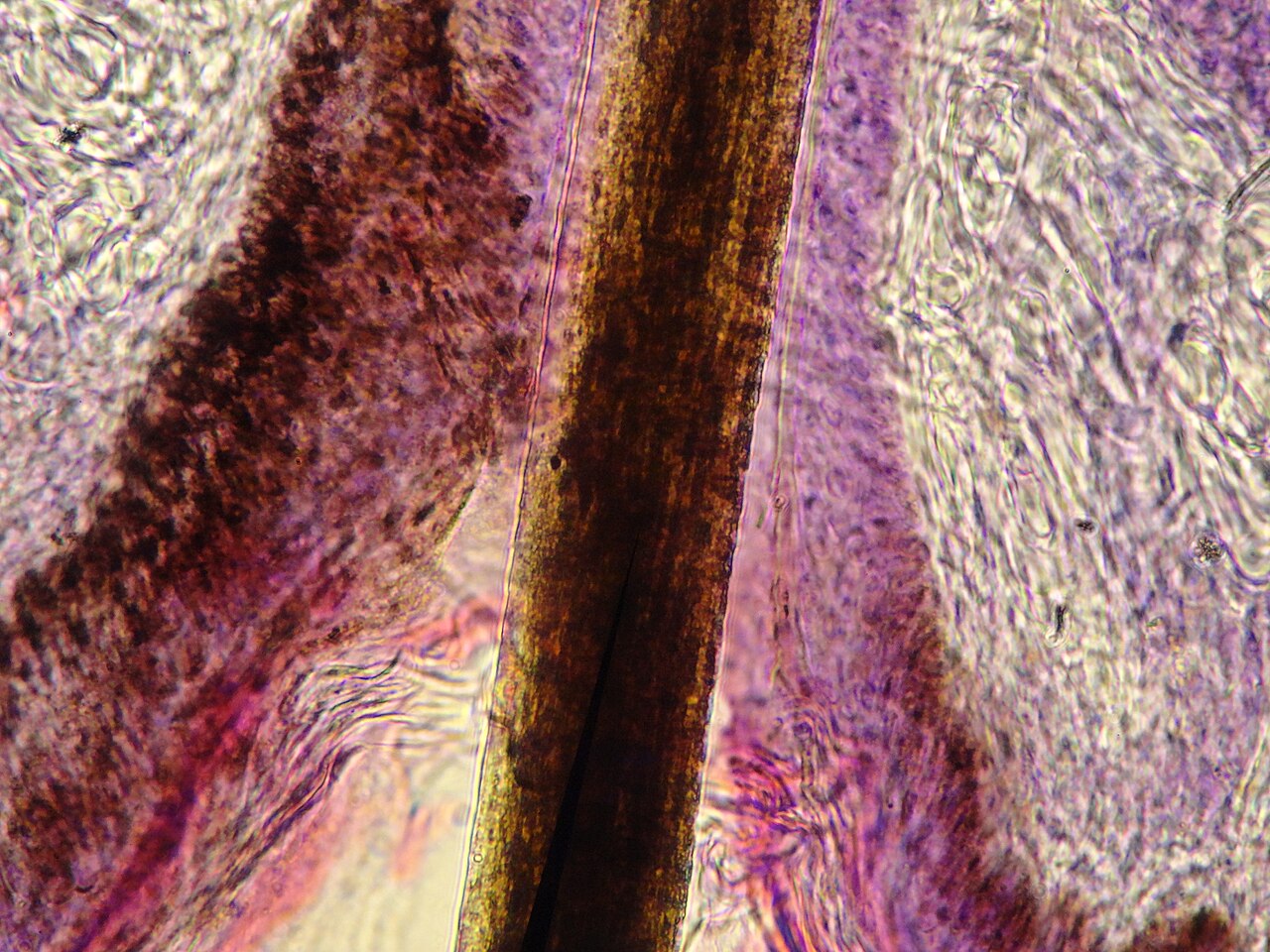
8 Figures Available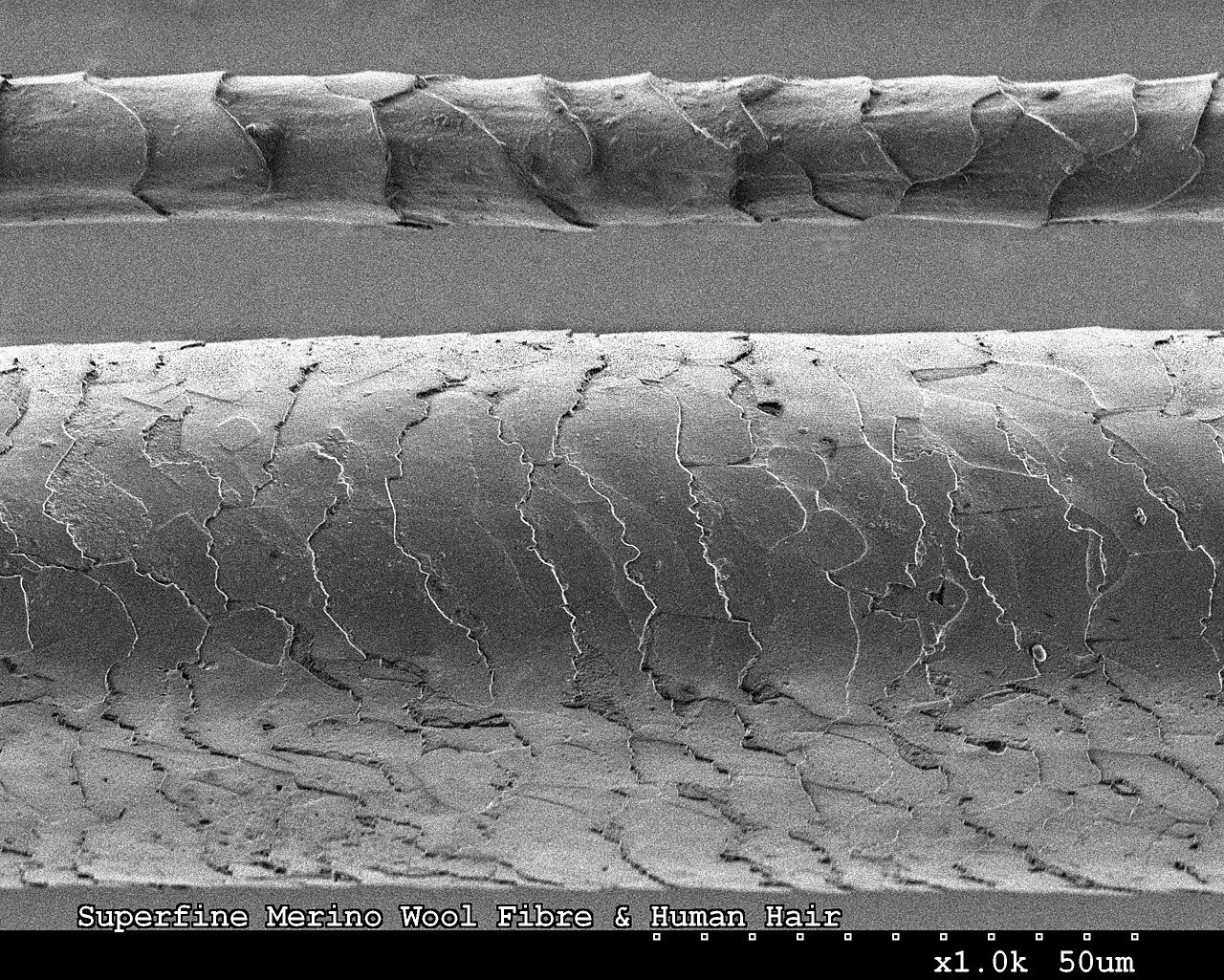

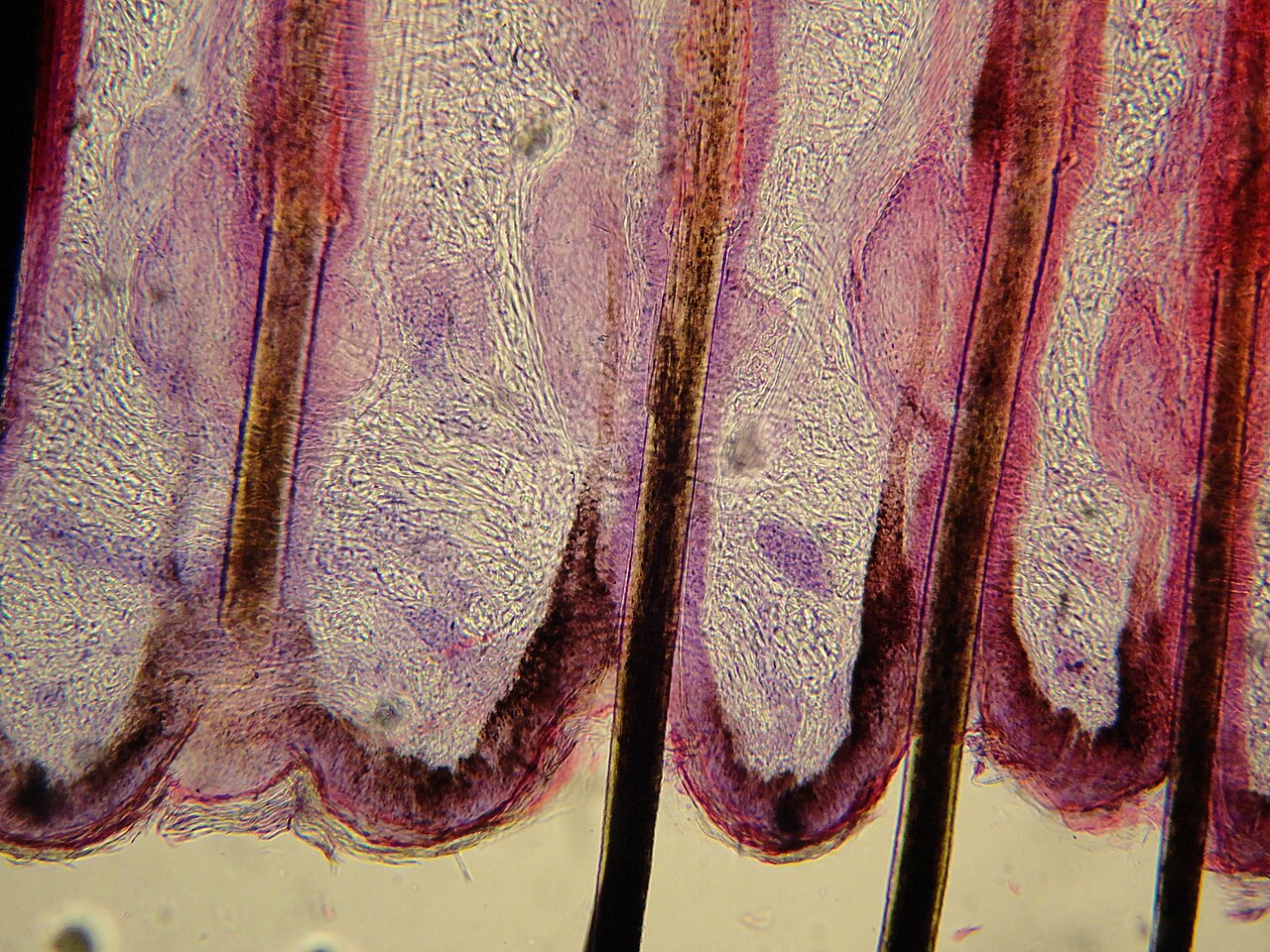
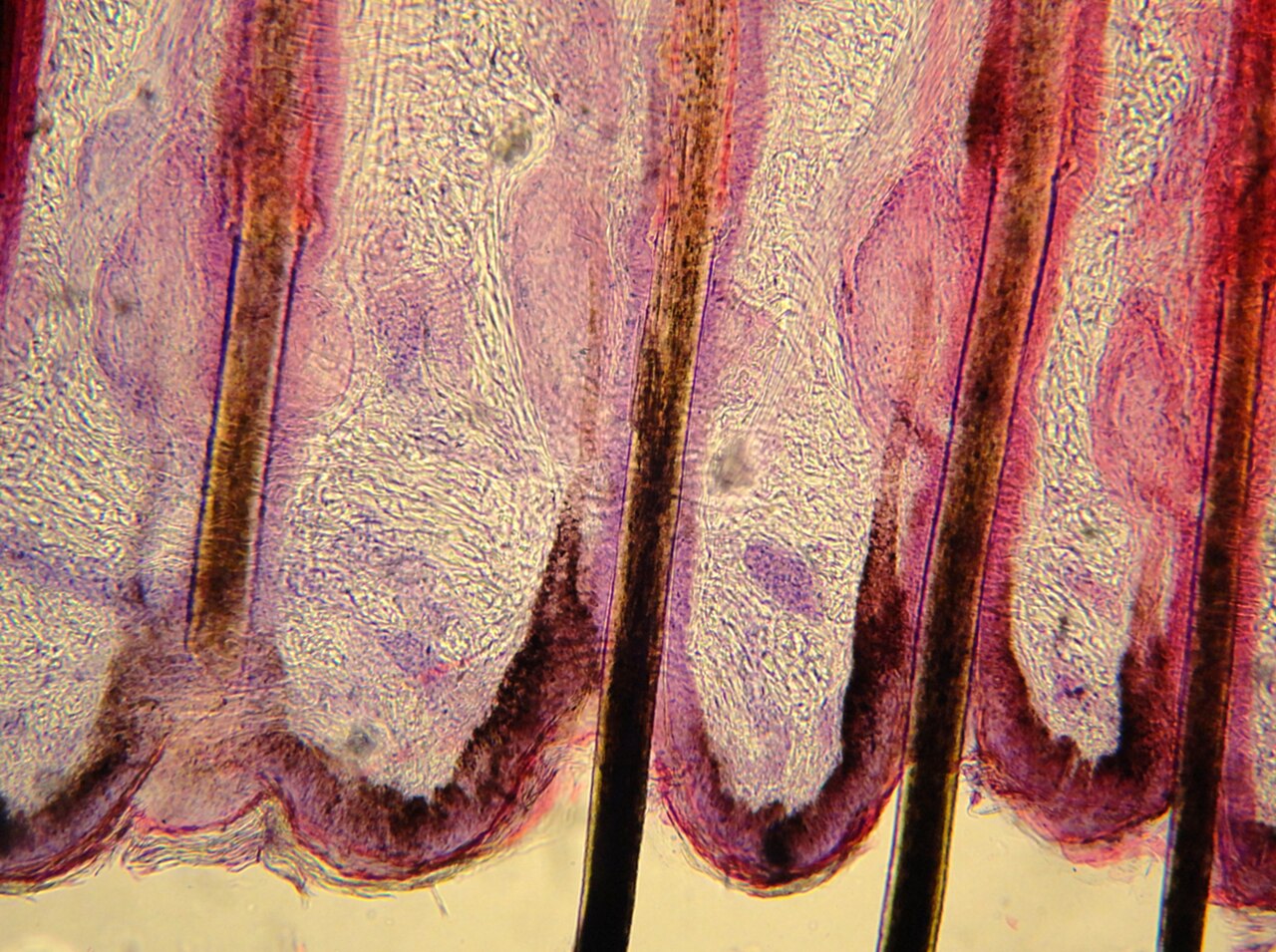
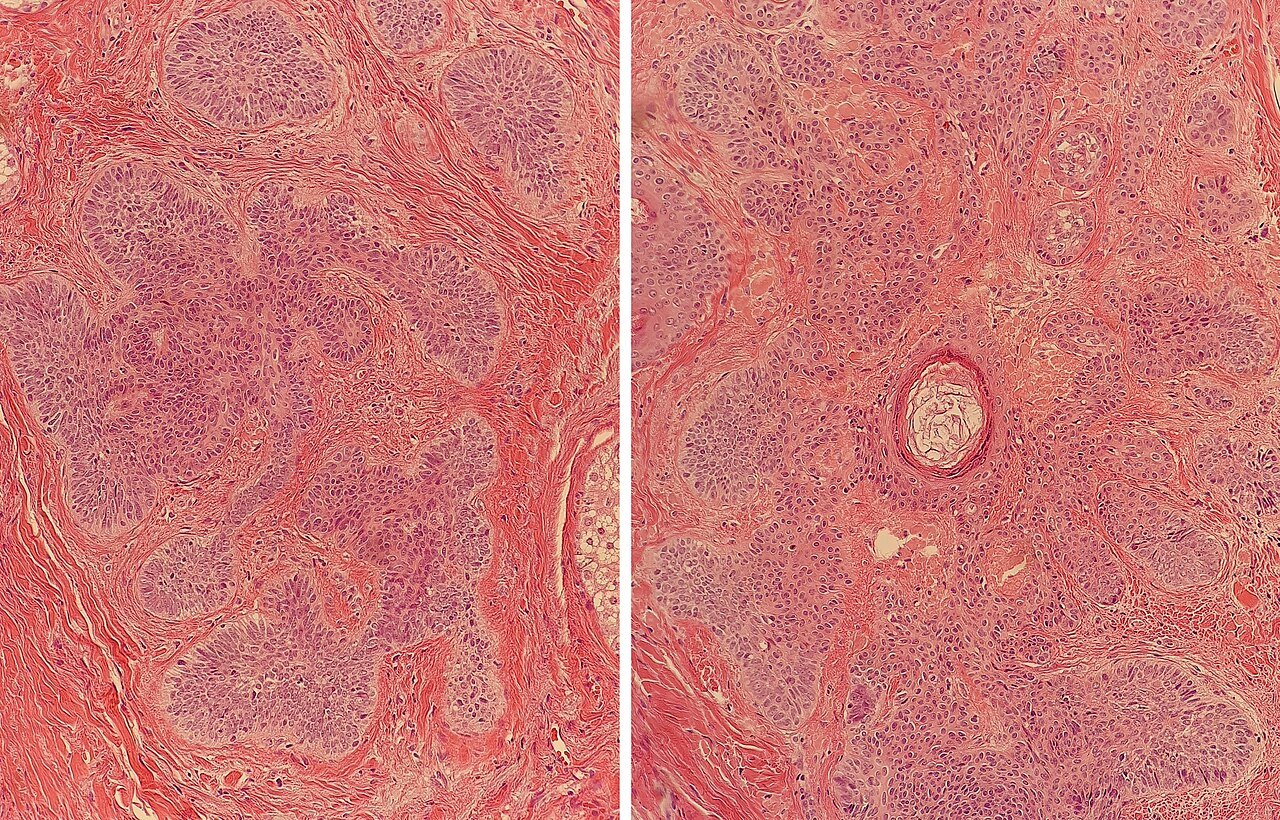
References & Clinical Data
- Hair follicle stem cells and their niche , Rompolas P, Greco V (Journal of Investigative Dermatology, 2014)
- Exosome-based therapy in hair follicle regeneration , Rajendran RL, et al. (Cells, 2020)
- Androgenetic alopecia: pathogenesis and potential for therapy , Blume-Peytavi U, et al. (British Journal of Dermatology, 2011)
- Platelet-rich plasma for androgenetic alopecia: a review , Giordano S, et al. (International Journal of Molecular Sciences, 2023)